The transition from internal combustion engine (ICE) vehicles to electric propulsion is no longer a matter of technological feasibility, but one of market maturation and consumer adoption. While the automotive industry has experienced significant ebbs and flows in electric vehicle (EV) sales over the past twenty-four months, a deeper analysis of market sentiment suggests that a fundamental shift is underway. According to the recently released HERE-SBD EV Index 2026, the primary catalyst for this transition is not just vehicle availability, but the rapid expansion and increasing reliability of the nation’s charging infrastructure.
The Disconnect Between Sales and Sentiment
On the surface, the current market data presents a somewhat paradoxical narrative. In the United States, EV market share has seen a recent contraction, dipping to approximately 5.37% this year. Industry analysts largely attribute this 3% decline to the expiration of various federal tax credits and a temporary cooling in the aggressive adoption phase that characterized 2022 and 2023. However, data provided by the Alliance for Automotive Innovation reveals a more nuanced reality: consumer intent is moving in the opposite direction of current sales figures.
When polled, 10% fewer ICE vehicle owners expressed an intention to purchase another gas-powered vehicle compared to the previous year. Furthermore, the cohort of drivers stating a definitive preference for switching to an electric vehicle, regardless of price fluctuations, has doubled—rising from 6% last year to 12% in the current index. An additional 8% of current gas-car owners indicated they would be willing to make the switch if price parity and vehicle options were comparable to their existing models. This suggests that the "interest gap" is narrowing, even if the "purchase gap" remains sensitive to macroeconomic factors.
Fuel Costs and the Economic Catalyst
Financial motivation remains a primary driver for the migration toward electrification. Approximately 57% of drivers polled cited fluctuating gasoline prices as a significant influence on their desire to transition to an EV. This sentiment is amplified among existing EV owners, eight out of ten of whom report that reduced fuel and maintenance costs have permanently altered their view on traditional gasoline vehicles.
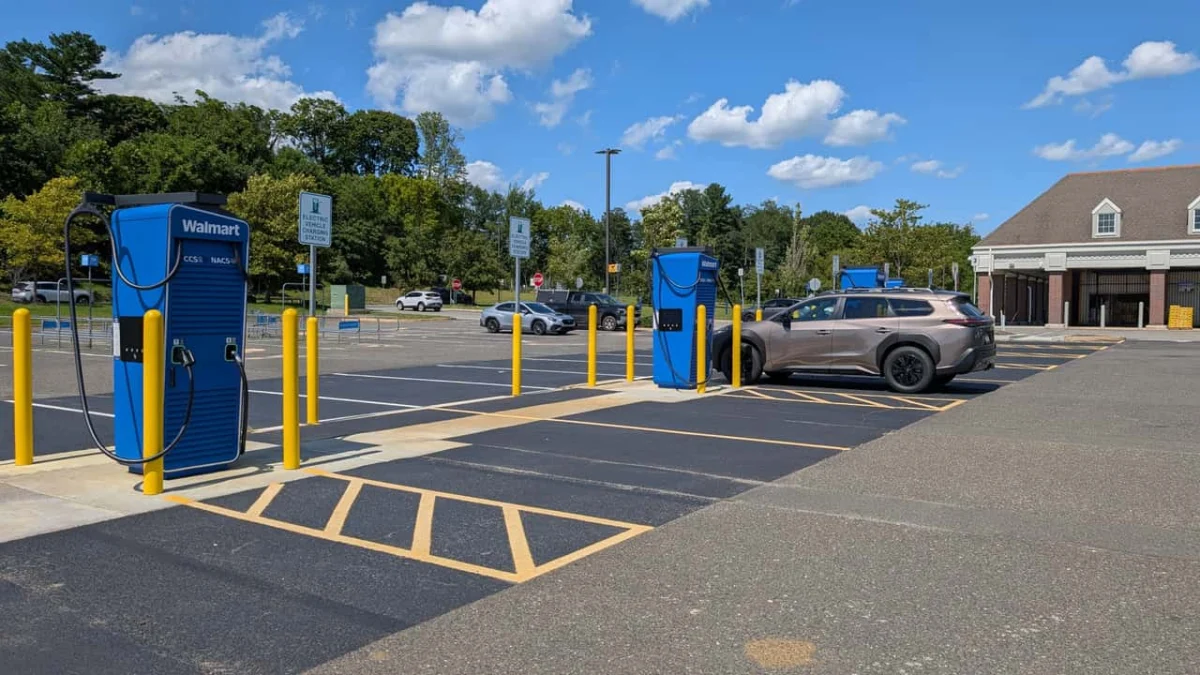
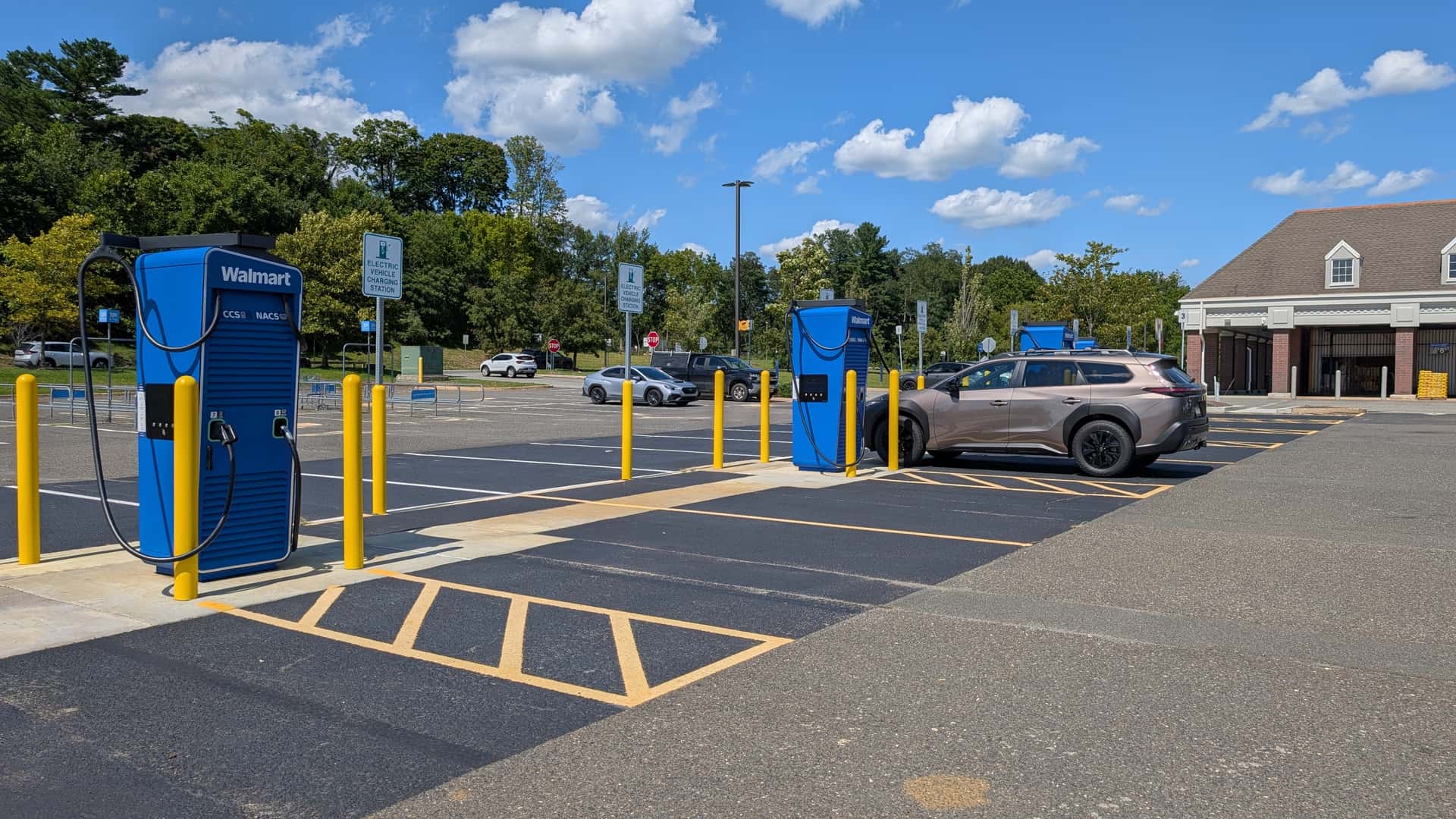
Beyond the economics, the psychological barrier of "range anxiety" is being systematically dismantled by improvements in charging speed and the density of public charging networks. As charging stops become more frequent and, more importantly, more reliable, the perceived risk of ownership is diminishing. The data shows that for the average American consumer, the decision-making process is shifting from a concern over whether an EV can complete a journey to a concern over the convenience and accessibility of the infrastructure required to sustain that journey.
Regional Disparities in Adoption
The geographic landscape of EV adoption in the United States remains highly fragmented. The HERE-SBD EV Index 2026 highlights a widening divide between states that have aggressively invested in grid and charger reliability and those that have lagged.
The top five regions for EV readiness—Delaware, Washington D.C., New Jersey, Massachusetts, and Connecticut—represent a corridor of intensive investment. These areas benefit from both population density and legislative support, which have fostered a robust network of fast-charging stations. Conversely, states such as Iowa and South Dakota have seen a decline in consumer interest. Analysts attribute this dip directly to the lack of sufficient infrastructure, which makes the prospect of EV ownership impractical for residents in those regions.
The emergence of "EV-positive" states like Alaska, Oklahoma, and Utah demonstrates that this trend is not strictly confined to coastal urban centers. In these regions, targeted infrastructure projects are beginning to correlate with spikes in the EV Index, proving that when the infrastructure is built, the adoption follows.
Professional Perspectives on Market Evolution
Robert Fisher, Senior Consulting Manager at SBD Automotive, notes that the current market data serves as a leading indicator of long-term behavior. "This year’s EV index shows Americans are becoming more open to the idea of driving an EV and more confident in the infrastructure needed to support them," Fisher stated. "While EV uptake may be slowing, the findings suggest continued investment in charging infrastructure is starting to translate into greater consumer confidence. Consumer sentiment often leads purchasing behavior, making confidence an important indicator to watch as the market continues to evolve."
Fisher’s assessment aligns with broader industry observations: the current phase of the automotive transition is characterized by a "wait and see" approach from the average consumer. Once the threshold of charging reliability is met, these consumers are likely to translate their positive sentiment into active purchasing behavior.
A Chronology of the Modern EV Transition
The trajectory of the American EV market can be categorized into three distinct phases:
- The Early Adopter Phase (2015–2020): During this period, EVs were primarily viewed as luxury items or niche vehicles for environmental enthusiasts. Infrastructure was sparse, and public charging was largely limited to proprietary networks.
- The Policy-Driven Acceleration (2021–2023): This era was defined by aggressive government intervention, including the Inflation Reduction Act and expanded tax incentives. This period saw a massive surge in sales but also placed significant strain on an immature charging network, leading to reliability concerns.
- The Infrastructure-Optimization Phase (2024–Present): The current period is defined by a shift from "volume at all costs" to "quality of experience." The focus is now on fixing broken chargers, increasing kilowatt speeds, and integrating charging into the daily routines of non-early adopters.
Broader Implications and Future Outlook
The implications of this shift are profound for the domestic automotive industry and the energy sector. As manufacturers move toward the second and third generations of their EV platforms, the focus has shifted toward reducing production costs and increasing battery range. This, combined with the expansion of charging networks, creates a compounding effect.
From an infrastructure perspective, the United States is currently in the midst of a multi-billion-dollar deployment of federal and private capital aimed at standardizing charging interfaces and improving station uptime. As these projects come online through 2026, the "infrastructure gap" that currently holds back rural and suburban adoption is expected to shrink.
Furthermore, the integration of smart-grid technology means that EVs will increasingly serve as mobile energy storage units, potentially helping to stabilize local grids. This adds a layer of utility to the vehicle that internal combustion engines cannot replicate, further increasing the value proposition for the consumer.
Conclusion: The Inevitable Shift
While sales figures for the current year may suggest a cooling of the market, the foundational data regarding consumer sentiment and intent tells a different story. The transition to electric mobility is not a linear progression, but a process of building the necessary scaffolding—both physical and psychological—to support a new way of driving.
The data confirms that the barriers to entry are becoming lower and the incentives for switching are becoming more pronounced. As the charging infrastructure reaches a critical mass of reliability and convenience, the remaining ICE vehicle owners will likely find the transition not just logical, but necessary. The trend, as indicated by the 2026 Index, is clear: the United States is moving steadily, if not always rapidly, toward an electrified future. The success of this transition will depend on the continued commitment of both the public and private sectors to ensure that the infrastructure keeps pace with the growing ambitions of the American driver.