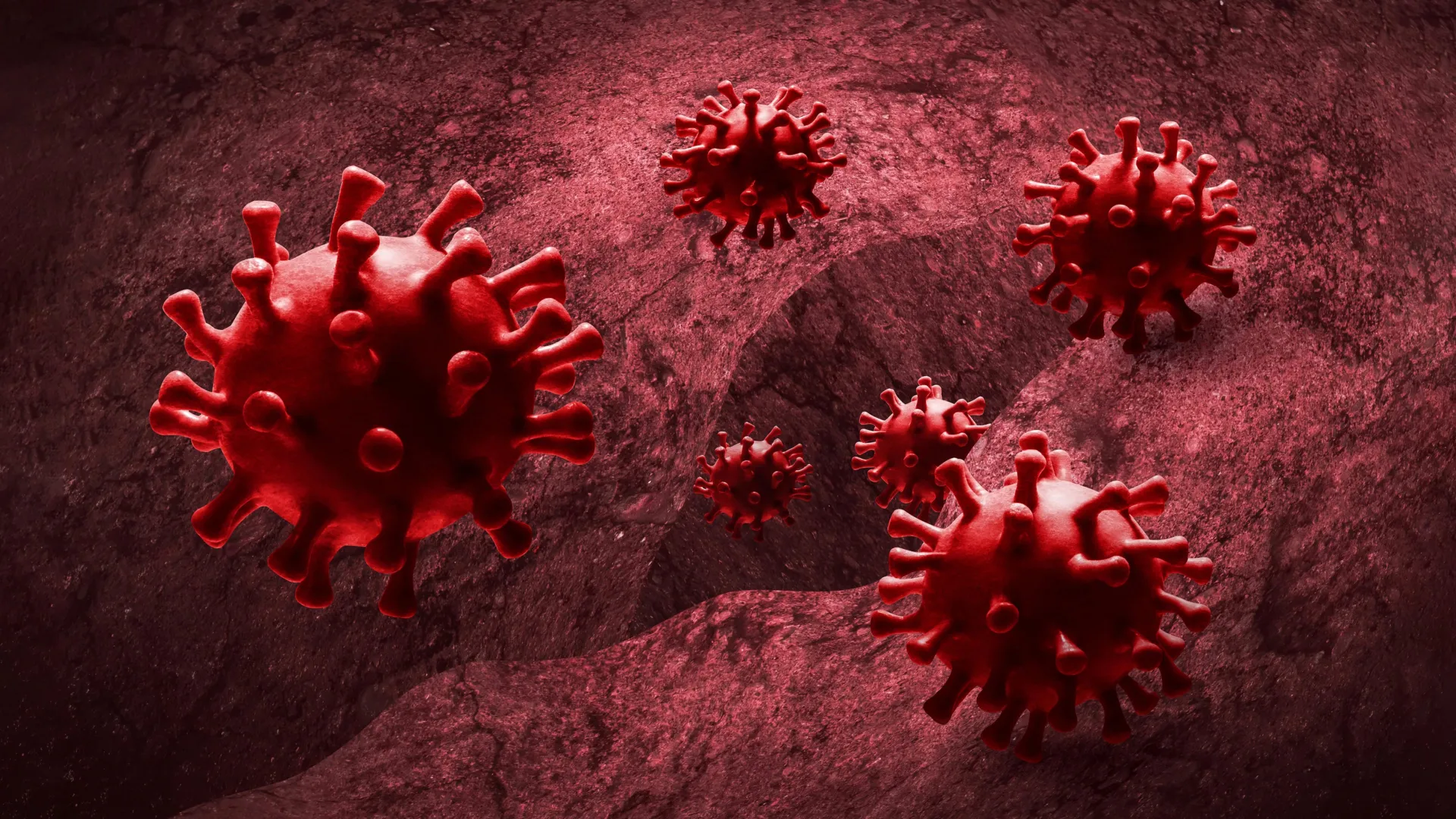
The delicate balance between managing chronic inflammation and maintaining a robust immune system has long been a focal point of clinical pharmacology. A new study conducted by researchers at the Norwegian University of Science and Technology (NTNU) has brought this trade-off into sharp focus, revealing that a widely utilized class of anti-inflammatory medications, known as Janus kinase (JAK) inhibitors, may inadvertently facilitate the spread of viral infections within the human body. As these drugs become increasingly common in the treatment of autoimmune disorders such as rheumatoid arthritis, psoriatic arthritis, and ulcerative colitis, the discovery suggests a hidden vulnerability that warrants careful clinical consideration.
The research, recently published in the journal NAR Molecular Medicine, details how JAK inhibitors—designed to dampen the body’s overactive inflammatory response—may simultaneously suppress the critical signaling pathways required to fend off invading pathogens. By inhibiting the JAK-STAT signaling pathway, these medications may effectively "blind" cells to the presence of viruses, allowing pathogens like influenza A, SARS-CoV-2, and the Rift Valley fever virus to proliferate with less resistance.
The Mechanism of Immune Suppression
To understand the implications of these findings, it is necessary to examine the physiological role of the JAK-STAT pathway. This signaling mechanism serves as a primary communication highway for the immune system, particularly in the production and response to interferons—proteins released by host cells in response to the presence of viruses. When a cell detects a viral intruder, it signals nearby cells to ramp up their antiviral defenses.
JAK inhibitors function by blocking the enzymes that facilitate this communication. While this is highly effective in treating autoimmune diseases where the immune system attacks healthy tissue, the study indicates that this intervention creates a "security gap." The NTNU team, led by Professor Denis Kainov, utilized a sophisticated combination of gene expression analysis, advanced virology, and organoid technology to observe this phenomenon across various human tissues, including those from the lungs, eyes, and brain.
Erlend Ravlo, a PhD research fellow at NTNU and the paper’s first author, emphasized the gravity of the trade-off. "These medications are essential for managing severe inflammatory conditions," Ravlo noted. "However, by suppressing the very signaling pathway that alerts cells to viral attacks, we are essentially lowering the biological threshold for infection."
Chronology of JAK Inhibitor Development and Clinical Use
The evolution of JAK inhibitors represents a significant milestone in 21st-century medicine. The first drug in this class, tofacitinib, received FDA approval in 2012 for the treatment of rheumatoid arthritis. Since then, the class has expanded to include medications like baricitinib, upadacitinib, and ruxolitinib, targeting a broader range of conditions including myelofibrosis and atopic dermatitis.
During the height of the COVID-19 pandemic, the use of JAK inhibitors became a subject of intense scientific scrutiny. Baricitinib, in particular, was investigated for its potential to reduce the "cytokine storm"—a life-threatening overreaction of the immune system seen in severe COVID-19 cases. In late 2021 and 2022, regulatory bodies like the FDA granted emergency use authorizations for baricitinib to treat hospitalized COVID-19 patients.
The current research from NTNU does not necessarily negate the benefits seen in those specific clinical contexts, where suppressing extreme inflammation is the priority. Instead, it adds a layer of nuance, suggesting that for the average patient with an autoimmune condition who is not suffering from a cytokine storm, the chronic use of these drugs could make them more susceptible to acquiring or spreading a variety of common and emerging viral infections.
Supporting Data and Experimental Methodology
The NTNU study’s robustness stems from its multi-modal approach. By utilizing "mini-organs" or organoids—lab-grown clusters of cells that mimic the structure and function of human organs—the researchers were able to bypass the limitations of simple cell cultures.
The data revealed a consistent pattern: when cells were treated with JAK inhibitors and subsequently exposed to viruses, the expression of genes responsible for antiviral defense—such as those involved in the interferon response—was significantly diminished. This effect was observed not just in isolated models, but in tissue samples that better represent the complexity of human biology.
The list of viruses identified as benefiting from this immune suppression is diverse. Influenza A, which causes seasonal flu; SARS-CoV-2, the pathogen behind the COVID-19 pandemic; and even more specialized threats like the Rift Valley fever virus, all showed an increased capacity to establish infection when the JAK-STAT pathway was pharmacologically inhibited. These findings provide a biological explanation for clinical observations that have occasionally puzzled practitioners, where patients on immunosuppressive therapy showed higher rates of viral complications.
Broader Impact and Implications for Clinical Practice
The implications of this study are far-reaching for healthcare providers. For clinicians, the challenge lies in weighing the debilitating effects of chronic inflammation against the risk of increased susceptibility to viral outbreaks.
Aleksandr Ianevski, a researcher at NTNU and co-author of the study, suggests that the findings should influence prescribing patterns. "Healthcare professionals should exercise heightened caution when prescribing these medications during periods of high viral transmission," Ianevski stated. This could mean adjusting dosages, implementing more frequent monitoring for patients, or perhaps timing treatments to avoid peak flu seasons or regional viral outbreaks.
From a public health perspective, the research also underscores the need for proactive vaccination strategies for patients on JAK inhibitors. Because these patients have a compromised ability to mount an innate immune response, they may be more reliant on the adaptive immunity provided by vaccines to provide the protection that their cells can no longer effectively coordinate.
Future Directions in Research
While the study highlights potential risks, the researchers are careful to point out that these same mechanisms could be leveraged for scientific advancement. Understanding exactly how JAK inhibitors suppress immune signaling allows researchers to "fine-tune" their experimental models. In controlled laboratory settings, these drugs can be used to study how viruses interact with cells in the absence of a strong immune response, potentially accelerating the development of new vaccines or testing the efficacy of novel antiviral drugs.
Professor Magnar Bjørås, who provided critical scientific oversight and secured primary funding, noted that the research team is already looking toward the next phase of study. The goal is to determine if specific JAK inhibitors have varying degrees of impact on different viral types, or if dosage adjustments can mitigate the risk without sacrificing the anti-inflammatory benefits.
The study received significant financial backing from major institutions, including the Central Norway Regional Health Authority, the South-Eastern Norway Regional Health Authority, the Research Council of Norway, and the Swedish Research Council. This level of institutional support reflects the urgency of understanding the long-term impact of immunomodulatory drugs on public health.
Conclusion: A Call for Informed Caution
As medical science continues to move toward more targeted therapies, the lesson from the NTNU study is clear: there is no such thing as a "free" intervention in the human immune system. JAK inhibitors remain a powerful and necessary tool for patients suffering from chronic, painful, and often debilitating inflammatory conditions. However, the "hidden cost" of this treatment—the potential weakening of antiviral defenses—must now be integrated into the risk-benefit calculations of every patient consultation.
Moving forward, the medical community will likely see a push for more personalized prescribing protocols. As researchers continue to map the exact pathways of immune suppression, patients can expect more tailored advice regarding lifestyle precautions, vaccination schedules, and monitoring during the cold and flu season. While this discovery adds complexity to the treatment landscape, it ultimately empowers both doctors and patients to make safer, more informed decisions in the ongoing effort to balance chronic disease management with the ever-present reality of viral exposure.