The push for equitable and environmentally sustainable public transportation has achieved a major milestone in Boston, where decades of community activism are finally culminating in the long-awaited electrification of the Fairmount Commuter Rail Line. What began in the mid-1990s as a localized protest against transit inequality has evolved into a forward-looking infrastructure initiative. The Massachusetts Bay Transportation Authority (MBTA) is slated to introduce a fleet of battery-powered trainsets by the year 2030, a move designed to slash carbon emissions, improve neighborhood air quality, and increase service frequency for communities historically underserved by the region’s transit network.
This $765 million project—featuring an agreement to lease seven four-car battery-powered trainsets manufactured by the Swiss company Stadler for a 15-year period—represents a critical proving ground for modern zero-emission rail technology in the United States. As transit agencies nationwide grapple with aging, fossil-fuel-dependent fleets and skyrocketing diesel costs, the transformation of the Fairmount Line offers a compelling case study in the intersection of environmental justice, technological innovation, and urban mobility.
A Decades-Long Fight for Transit Equity
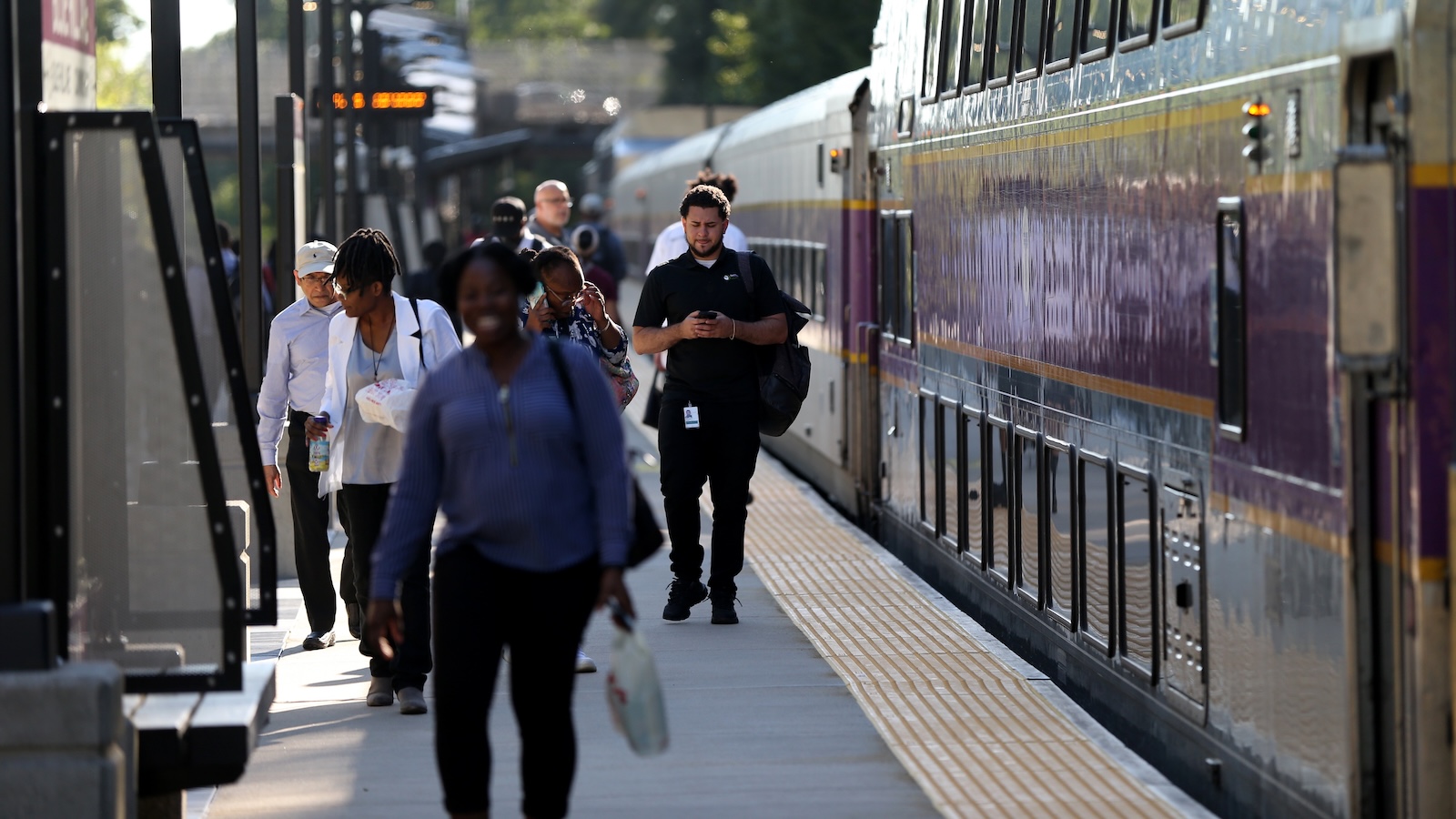
The genesis of this transit transformation dates back to the mid-1990s, rooted in the lived experiences of Dorchester residents. Marvin Martin, then an active community member and later the head of the transit advocacy organization Action For Equity, was standing in the Four Corners area of Dorchester when a commuter train on the Fairmount Line sped past without stopping. Bound for downtown Boston, the train was notably occupied by affluent, white commuters reading newspapers and commuting in comfort.
For Martin and his neighbors, the visual was a stark illustration of systemic transit inequity. While the Fairmount Line cut directly through diverse, working-class communities of color in Boston, it bypassed them entirely, leaving local residents to endure overcrowded, unreliable bus networks.
Determined to correct this disparity, Martin and a coalition of community organizers launched an aggressive campaign in 1995 to pressure the MBTA into expanding local service. The advocacy effort demanded that the commuter rail function less like an express bypass and more like a rapid transit line serving the neighborhoods it traversed.
The struggle for accessibility was marked by prolonged institutional delays. It took more than 15 years of sustained political pressure before the MBTA relented, opening three new stations in Dorchester between 2012 and 2013, followed by a fourth station in Mattapan in 2019. However, securing the stations was only half the battle. As passenger volumes increased, Martin and his fellow advocates immediately pivoted to a secondary objective: eliminating the toxic diesel emissions generated by the locomotives rumbling through dense residential corridors.
"We want a train that would not be spewing a bunch of toxic particulates into the air," Martin reflected, noting the persistent public health hazards imposed by aging diesel engines in densely populated urban environments.
The Technological Blueprint: Battery-Powered Rail
Nearly three decades after Martin first witnessed the commuter train roll past Four Corners without stopping, the MBTA’s upcoming transition to battery-electric multiple units (BEMUs) marks a dramatic technological shift. Scheduled for deployment by 2030, the Stadler-built battery trains will operate along the 10-mile Fairmount route, increasing service frequency from every 30 minutes to every 20 minutes.
According to MBTA projections, the shift from diesel to battery power will eliminate approximately 17,700 tons of carbon dioxide emissions annually. Furthermore, because electric motors provide superior acceleration compared to traditional diesel locomotives, the trains are expected to streamline operations and enhance overall schedule reliability.
The decision to utilize battery-powered technology rather than traditional overhead catenary wires stems from cost and logistical considerations. Installing overhead electrical infrastructure across an entire legacy rail network requires immense capital expenditures, complex engineering, and disruptive construction schedules. Battery-powered trains offer a pragmatic alternative, allowing transit agencies to achieve zero-emission operations without the prohibitive expense of stringing miles of overhead wire.
Nevertheless, the approach is not without its skeptics. Transit experts and regional advocates have raised questions regarding the long-term reliability and operational limits of battery technology on heavy-ridership corridors.
Chris Friend, interim executive director of the transit advocacy organization TransitMatters, acknowledges that the Fairmount Line is a logical pilot location given that it is the MBTA’s shortest commuter route. However, he remains cautious about whether the technology is fully prepared for widespread adoption.
"So, is this the thing," Friend asked, "or are we going to end up in another quagmire of an unproven technology?"
National and International Precedents
Boston is not operating in a vacuum. The transit sector is closely watching a handful of pioneering agencies across North America and Europe that are testing zero-emission battery and hybrid rail technologies.
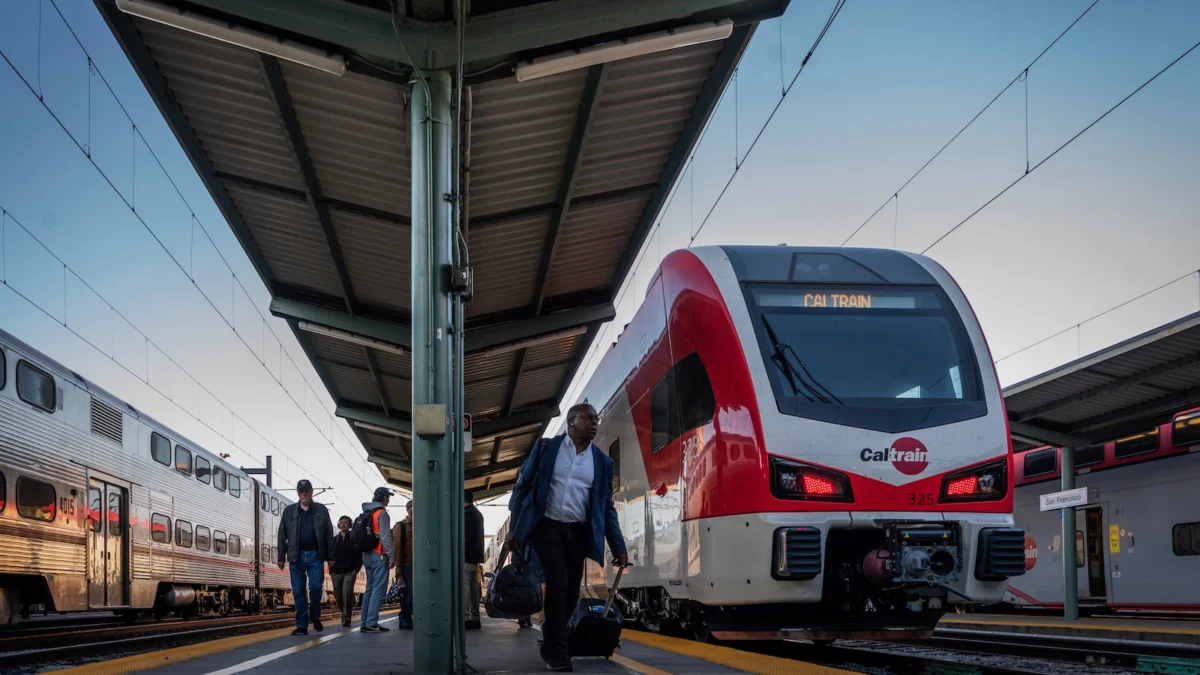
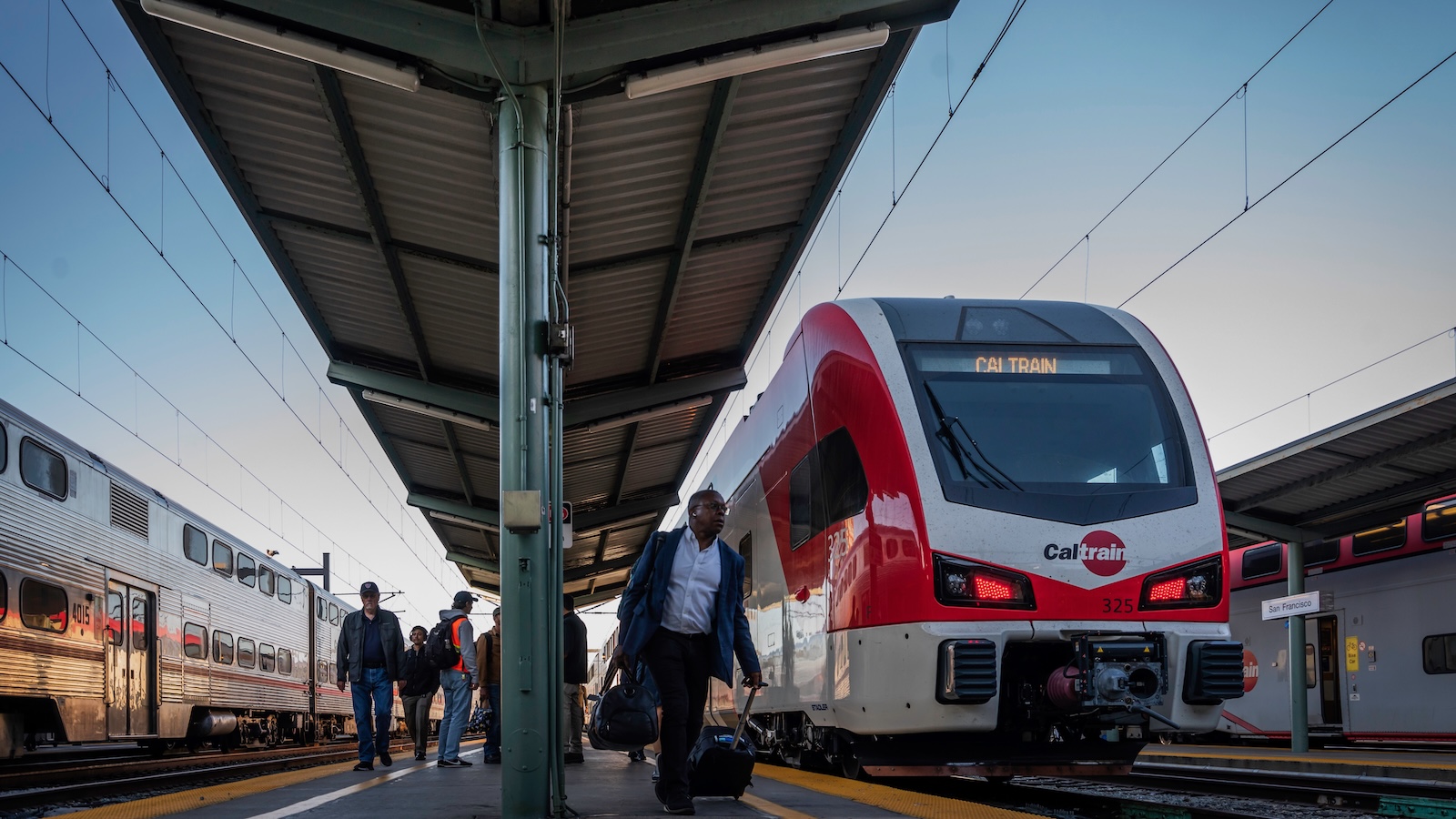
In the San Francisco Bay Area, Caltrain completed a massive electrification project in 2024, replacing its diesel fleet with high-performance electric trains powered by overhead catenary lines along a 51-mile corridor between San Francisco and San Jose. The results have been transformative: commute times dropped by up to 23 percent due to faster acceleration, and passenger numbers surged by 60 percent as riders responded to the quieter, smoother, and more frequent service.
Beyond greenhouse gas reductions, independent scientific evaluations highlighted dramatic public health dividends. Joshua Apte, an environmental engineer at the University of California, Berkeley, conducted research revealing that riders’ exposure to black carbon—a harmful component of diesel exhaust—dropped by 89 percent following the Caltrain electrification. Apte noted that this single infrastructure upgrade yielded air quality improvements comparable to three decades of stringent municipal air pollution regulations.
While Caltrain relied on traditional overhead wires, other systems are betting on batteries. In Germany, battery-powered trains manufactured by Alstom have been deployed on a 50-mile regional route, carrying approximately two million passengers annually. Dani Simons, Alstom’s vice president of communications in the Americas, noted that escalating fuel expenses have dramatically accelerated the financial viability of electrification. With historical diesel prices frequently fluctuating and reaching historic highs, transit agencies face mounting economic pressures to transition away from fossil fuels.
Simons emphasized that while battery technology is uniquely suited for medium-ridership lines, transit systems should adopt a diverse portfolio of electrification strategies—including overhead catenary wires, hybrid configurations, and battery storage—to maximize air quality benefits and insulate themselves from volatile fuel markets. The MBTA is already reflecting this diversified approach, outlining parallel plans to implement both battery-powered and catenary-based systems on its Providence Line.
Additionally, other major American transit agencies are moving forward with comparable timelines. Chicago’s Metra system and regional services in California are slated to introduce battery-powered trainsets between 2028 and 2030, positioning these upcoming years as a watershed era for the modernization of American passenger rail.
A Historical Perspective on Rail Propulsion
The current wave of electrification represents, in many ways, a return to historical roots. Urban transit systems in the United States began migrating away from horse-drawn carriages toward electric streetcars during the late 1880s and 1890s. Boston itself holds a distinguished place in this history, launching its first electric streetcar in 1889 and opening the Tremont Street Subway—now an integral part of the MBTA Green Line—in 1897. As the first electric subway in North America and the third globally, trailing only Budapest and London, Boston was an early pioneer in electric mass transit.
According to Albert Churella, a professor of history at Kennesaw State University, the early 20th century saw widespread electrification of commuter and rapid transit lines, particularly in dense urban environments where steam locomotives posed severe health hazards due to smoke accumulation in subterranean tunnels. Major regional arteries, including lines connecting New York to New Haven, Philadelphia to Paoli, and the sprawling Long Island Rail Road network, embraced electrical power early on.
However, the momentum toward nationwide rail electrification stalled as the decades progressed. Nicholas Dagen Bloom, a historian and author of The Great American Transit Disaster, explains that the majority of American commuter lines operated on tracks owned by private freight railroads. Because freight operations and long-distance passenger travel favored the autonomy of steam and, later, diesel locomotives, the economic incentive to install costly electrical infrastructure never materialized for most routes. Following the post-World War II decline in passenger rail patronage, private rail companies increasingly divested from passenger services, leaving legacy systems dependent on cheaper diesel alternatives that required no stationary infrastructure investments.
"People get infatuated with technological advancements, and they tend to believe that these are cure-alls, that these are things that have extraordinary, almost unlimited potential," Churella observed regarding historical infatuations with new transit technology. "Electrification of railways was no different."
Implications for Public Health and the Future of Mobility
As the MBTA prepares for the 2030 rollout of the Fairmount Line battery trains, the implications of the project extend far beyond Boston’s city limits. For environmental justice advocates, the initiative proves that persistent, community-led organizing can reshape municipal capital planning to prioritize the health of historically marginalized neighborhoods.
While residents living near the Fairmount corridor will continue to breathe diesel exhaust for a few more years until the new trains officially enter service, the psychological and political victory is secure. The introduction of quiet, zero-emission trains will fundamentally alter the environmental profile of neighborhoods that have historically borne the disproportionate brunt of urban pollution.
For Marvin Martin, who recently stepped down from his leadership role at Action For Equity, looking back on three decades of advocacy brings a profound sense of closure and accomplishment. Though he acknowledges that the transition to cutting-edge battery rail will introduce a novel operational paradigm for the MBTA, his focus remains squarely on the tangible outcome.
Reflecting on the journey from watching an exclusionary train speed past Four Corners to securing a clean-energy future for the very same tracks, Martin remains pragmatic and satisfied.
"I’m pretty satisfied with where we ended up," Martin said. "As long as we still get that train."