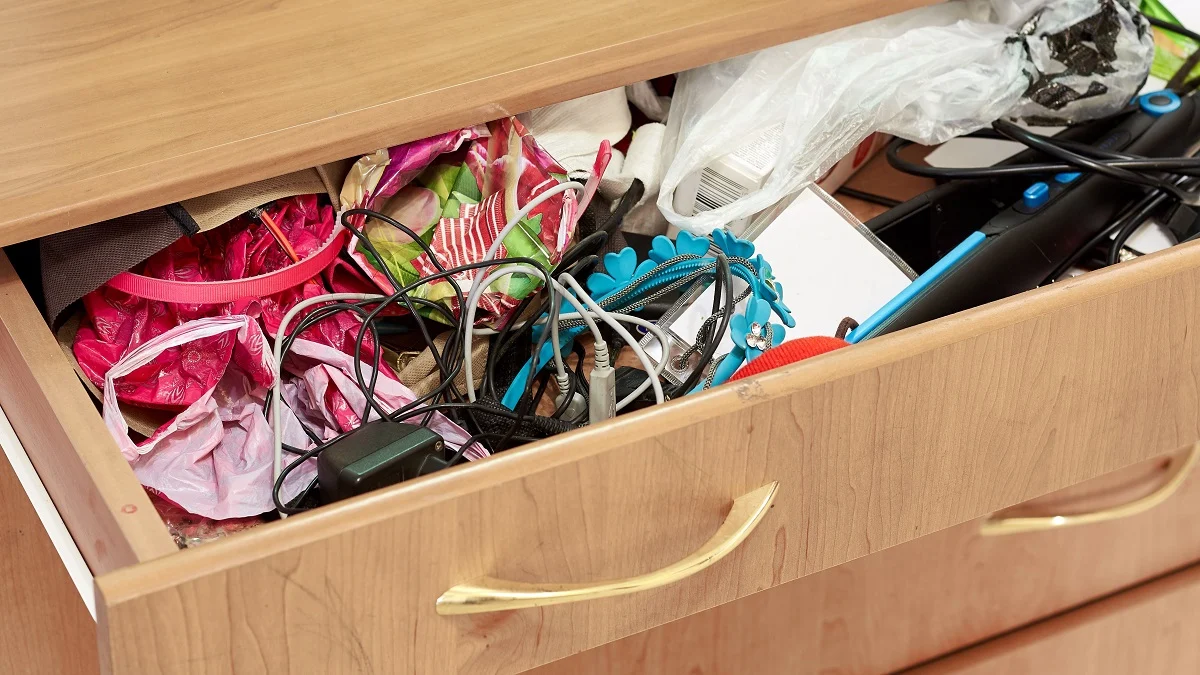
The average household contains a hidden repository of technological relics and forgotten accessories. From outdated smartphones collecting dust in desk drawers to surplus eyeglass cases and unwearable timepieces, these items are frequently relegated to the category of household clutter. However, shifting economic pressures, environmental consciousness, and evolving technological standards have prompted consumers and sustainability experts to rethink the disposal of everyday items. Rather than contributing to the growing global electronic waste crisis or spending capital on immediate replacements, repurposing these common household objects offers both financial relief and practical utility.
The Scope of Household Clutter and Electronic Waste
The accumulation of unused technology and accessories is a widespread modern phenomenon. According to the Allstate Protection Plans 2025 Mobile Survey, consumer habits regarding smartphone ownership reflect both economic realities and shifting upgrade cycles. The survey data indicates that 27% of American consumers replace their mobile devices every two years, while 23% retain them for three to four years. Notably, 21% of respondents continue using their devices until structural or functional failure forces an upgrade.
More strikingly, the survey reveals that the average American household maintains 1.8 unused smartphones sitting idle in storage locations such as drawers, closets, and garages. This translates to millions of functional or semi-functional units nationwide that are removed from active circulation long before the end of their mechanical life cycle. While discarding these devices might seem like a straightforward solution to decluttering living spaces, doing so adds to the escalating volume of electronic waste (e-waste) processed globally each year, which poses significant environmental and resource-management challenges.
Technological Realities: Navigating Network Shifts and Emergency Preparedness
For consumers considering the repurposing of older mobile devices, understanding the limitations imposed by modern telecommunications infrastructure is critical. A significant regulatory and operational milestone occurred when U.S. wireless carriers officially shut down their legacy 3G networks. According to Federal Communications Commission (FCC) guidelines, mobile devices now require 4G LTE with Voice over LTE (VoLTE) capabilities or 5G connectivity to function on contemporary networks. Consequently, older devices restricted strictly to 3G architecture can no longer place standard cellular voice calls.

Despite these cellular network restrictions, retired smartphones retain significant standalone utility. Even when a device lacks an active wireless carrier subscription or a registered SIM card, regulatory mandates require that mobile phones retain the ability to connect to emergency services. As long as a device can detect an active cellular signal from any available tower, dialing 911 will route the call to first responders. This makes older, fully charged smartphones reliable emergency tools, particularly for households located in regions prone to natural disasters such as earthquakes, hurricanes, or tornadoes.
Furthermore, unactivated smartphones continue to function seamlessly on local Wi-Fi networks. This technical capability opens up a broad range of domestic applications that do not require cellular service plans. Without incurring monthly carrier fees, homeowners can repurpose these devices to serve as dedicated digital photo frames, bedside alarm clocks, universal remote controls for smart home ecosystems, or dedicated baby monitors and security cameras using widely available third-party applications.
Sustainable Eyewear Maintenance and Frame Longevity
Beyond consumer electronics, personal accessories such as prescription eyeglasses and sunglasses frequently end up discarded prematurely due to minor damage or shifting fashion trends. Premium designer frames—such as those manufactured by luxury brands including Tom Ford, Dolce & Gabbana, Oakley, Ray-Ban, Costa, and Maui Jim—represent a substantial financial investment. Rather than replacing an entire set of glasses when frames remain structurally sound or lenses suffer from scratching, consumers increasingly turn to specialized replacement components.
Companies specializing in aftermarket optics, such as Revant Optics, have capitalized on this sustainability trend by providing custom-cut replacement lenses for dozens of major eyewear brands. This market allows consumers to retain durable, high-end frames while upgrading or replacing damaged lenses at a fraction of the cost of purchasing new eyewear. Additionally, specialized lens tints and polarization options tailored to specific activities—such as fishing, cycling, or skiing—enable users to customize existing frames for entirely new functional contexts, extending the useful life of the product by several years.
Surplus eyeglass cases, which inevitably accumulate with every new eyewear purchase, offer another overlooked opportunity for household organization. Rather than discarding these rigid containers, consumers utilize them to store delicate items such as charging cables, sewing supplies, cosmetics, or specialized hardware. Some households even employ surplus cases as secure, inconspicuous storage receptacles for spare keys and emergency cash, keeping vital items protected from environmental wear and unauthorized access.

Horology and the Art of Watch Repurposing
Timepieces represent another category of personal items frequently abandoned in jewelry boxes due to cosmetic wear, mechanical failure, or broken wristbands. The horological aftermarket provides numerous pathways to revitalize aging watches without requiring expensive professional restoration. Swapping a worn leather strap or a tarnished metallic bracelet for a new band—ranging from breathable canvas and high-durability silicone to modern expandable links or butterfly clasps—can dramatically alter the aesthetic of a vintage or neglected watch.
For timepieces that have suffered catastrophic internal mechanical failure, alternative creative applications offer a sustainable second life. Artisans and hobbyists utilize engraving tools, patinas, and decorative paints to transform non-working watch faces into distinctive jewelry pieces, including pendants, bracelets, cufflinks, and earrings. In some cases, miniature watch components are integrated into mixed-media sculptures and decorative household items, diverting metal and glass components away from municipal waste streams.
Economic and Environmental Implications
The broader implications of repurposing everyday items extend well beyond individual household organization. Environmental economists and waste-management analysts emphasize that extending the product lifecycle of electronics, eyewear, and accessories significantly reduces the demand for raw materials and lowers energy consumption associated with manufacturing new goods.
From an economic perspective, maximizing the utility of items already owned insulates consumers against inflationary pressures and the rising costs of consumer goods. By auditing domestic storage spaces—such as the proverbial junk drawer—households can recover functional value from items presumed to be obsolete. Ultimately, the integration of reuse and repurposing strategies into daily routines offers a practical intersection between financial prudence and environmental stewardship.