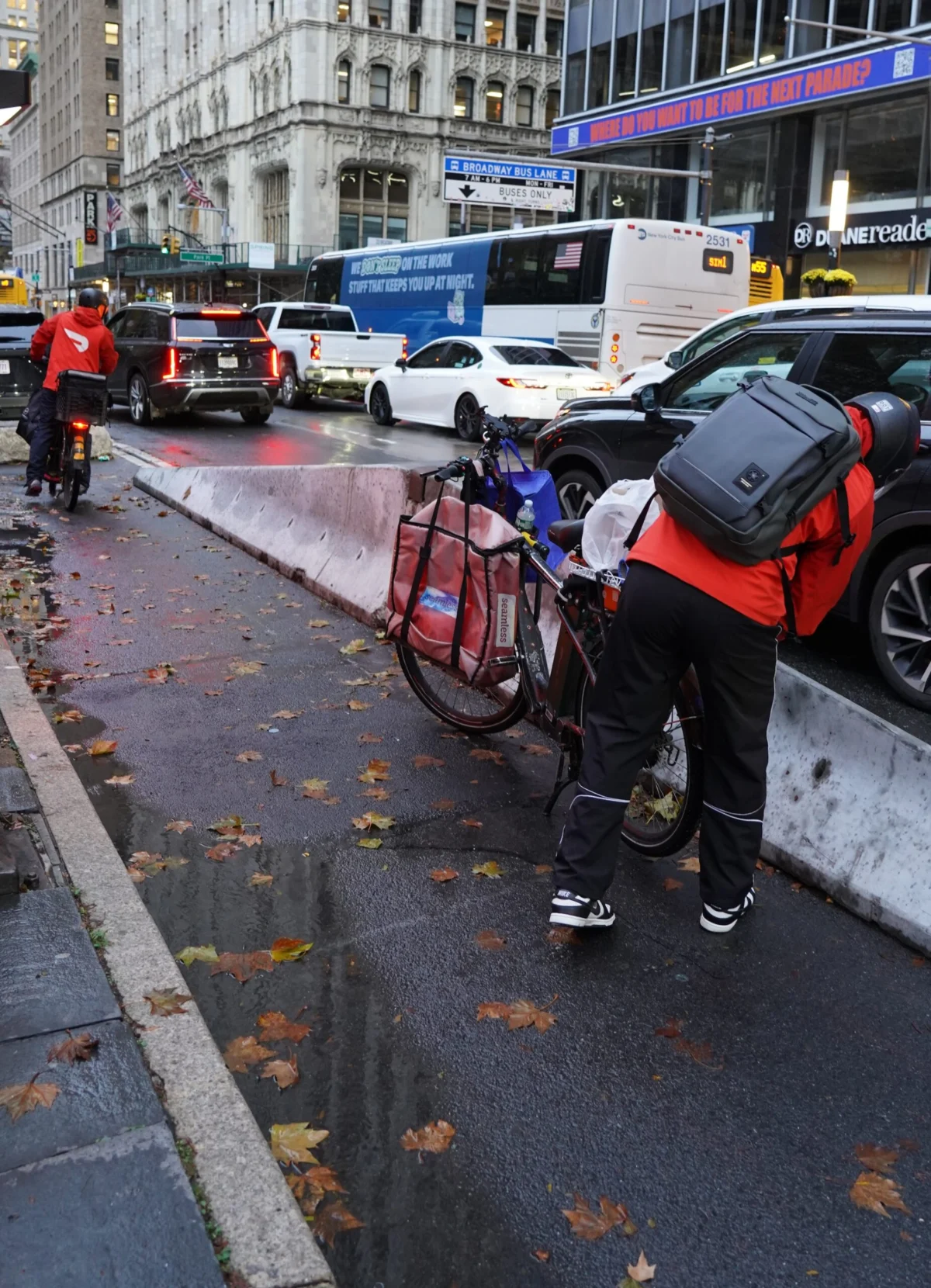
Riding an e-bike through the sweltering streets of New York City on a July afternoon, José Yos caught the unmistakable scent of smoke. The odor did not originate from a local building fire or an exhaust-belching yellow cab; it drifted hundreds of miles southward from Canada. Raging wildfires in Quebec had dispatched a dense, acrid cloud toward the metropolis, casting the skyline in an eerie, dystopian orange haze. For Yos, a 40-year-old immigrant from Guatemala who earns his livelihood delivering food and groceries via mobile applications like DoorDash and Uber Eats, the phenomenon was painfully familiar.
The Double Whammy of Extreme Weather
The preceding year, Canada endured its worst wildfire season on record, scorching approximately 37 million acres of land and blanketing the northeastern United States in hazardous particulate matter. Yet, this particular summer brought an additional hazard: a punishing heat emergency with temperatures projected to flirt with 100 degrees Fahrenheit, pushing the "real feel" heat index even higher.
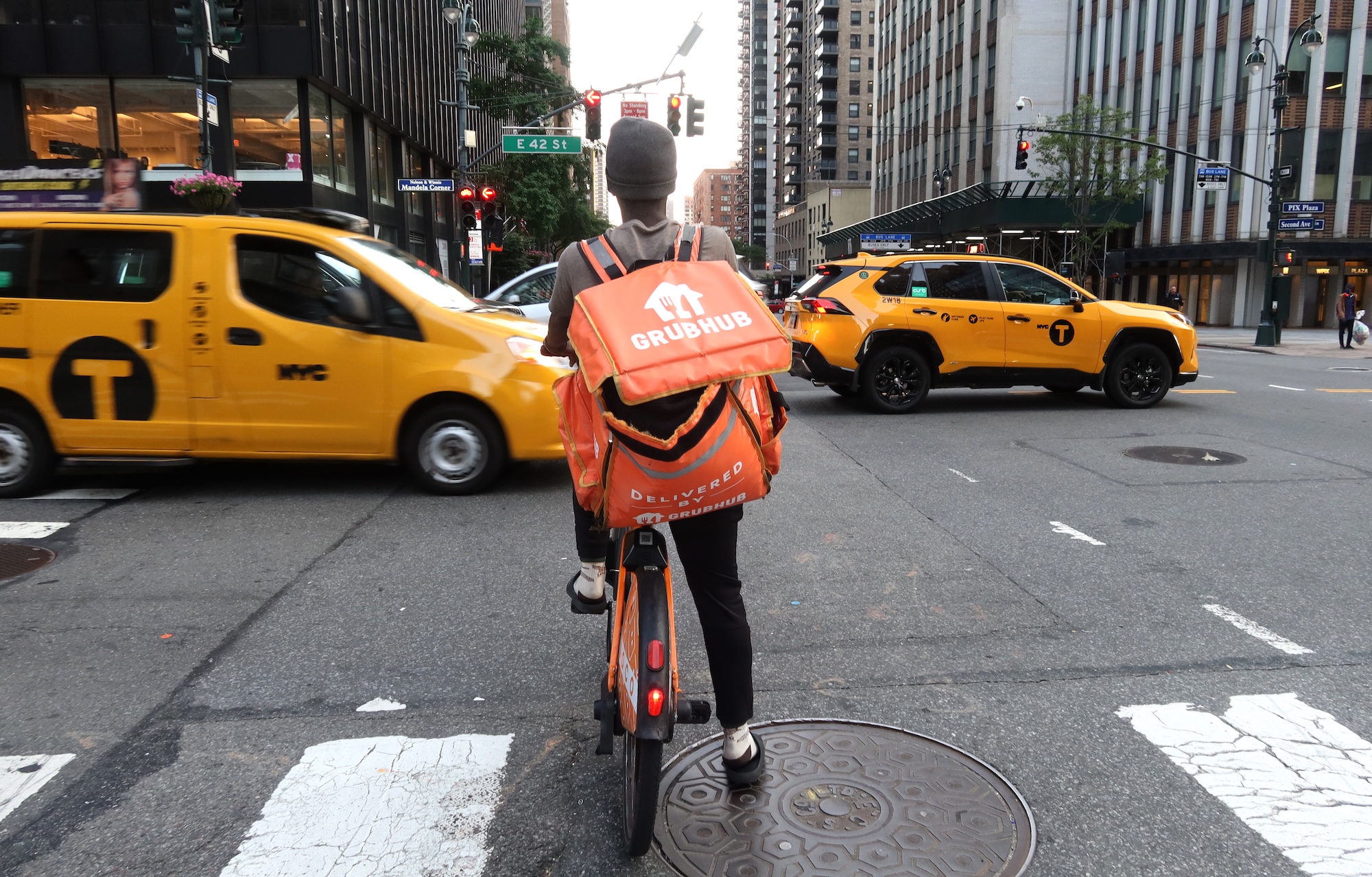
In response, municipal authorities deployed cooling vans, opened emergency cooling shelters, and issued public advisories urging residents to remain indoors within air-conditioned spaces. For app-based delivery workers, however, staying home meant forfeiting daily income. Yos had pre-scheduled his shift on Uber Eats a full week in advance. Fearing that slowing down or taking refuge would drop his in-app performance metrics and trigger an algorithmic deactivation, he pulled a balaclava over his face to filter out the toxic smoke and continued cycling.
Evolving Labor Protections and Gig Economy Realities
For years, app-based couriers functioned with virtually zero job security. Prior to the implementation of New York City’s deactivation protection ordinance in January 2026, companies could sever a worker’s account instantly, without explanation or formal appeals processes. Under the updated legal framework, platforms must provide 72 hours of notice before executing a deactivation and grant workers the right to an official investigation.
Despite these legislative milestones, the psychological and economic pressure on workers remains severe. Every day, dozens of low-wage immigrant couriers visit the Brooklyn offices of the Worker’s Justice Project (WJP) seeking assistance to reinstate suspended accounts. Classified as independent contractors rather than traditional employees, the city’s estimated 70,000 app-based delivery workers lack standard labor benefits such as health insurance, paid sick leave, and workers’ compensation.
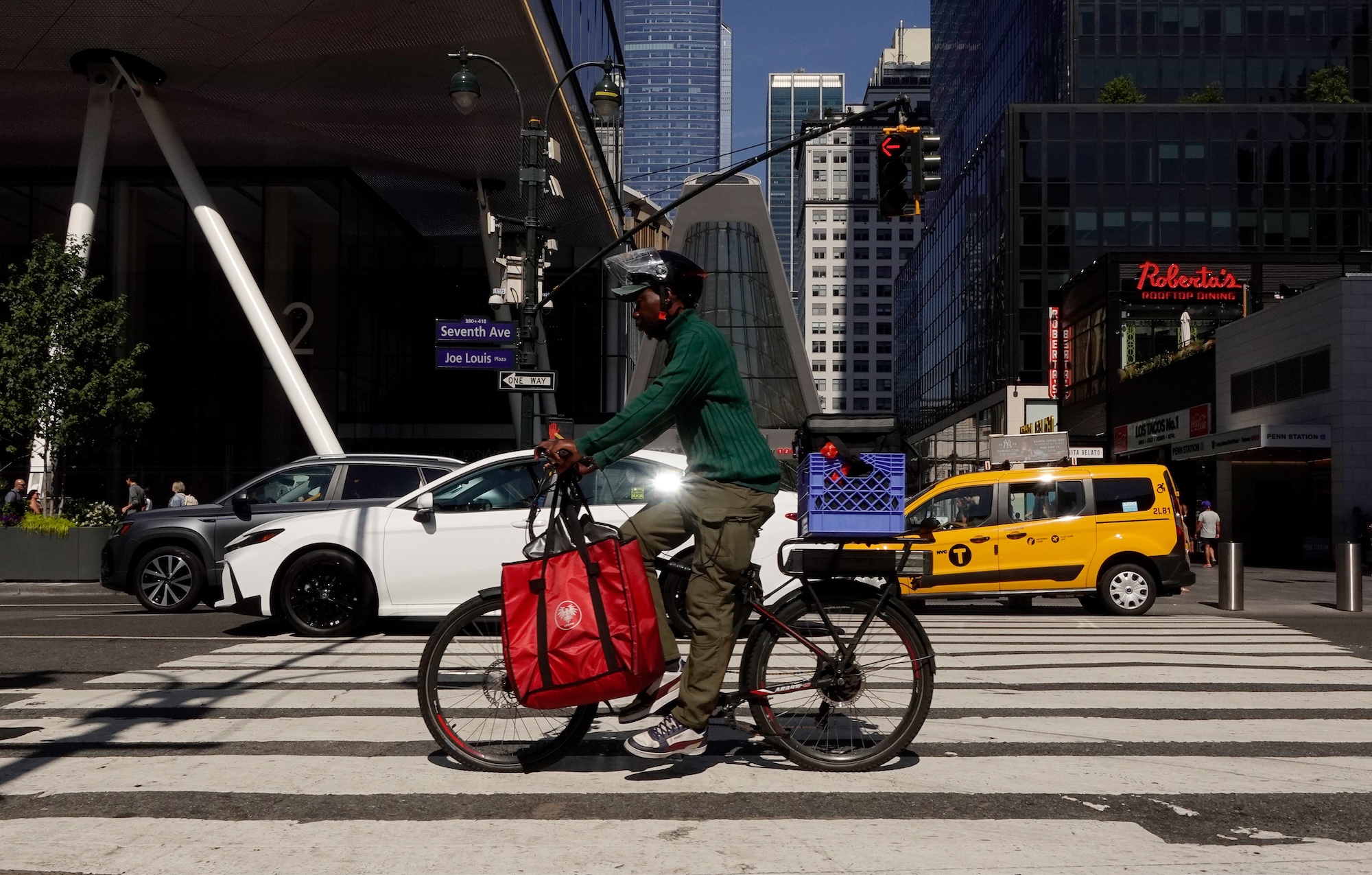
Ligia Guallpa, executive director of the Worker’s Justice Project, emphasizes that delivery personnel function as an indispensable tier of emergency responders. "During heat waves, snowstorms, floods, and wildfire smoke events, they continue delivering essential goods—including water, medication, and groceries—to help people stay safe," Guallpa noted.
From Rural Agriculture to Urban Asphalt
The vulnerability of New York’s delivery workforce is deeply intertwined with global climate patterns. Many of the city’s deliveristas originate from Latin America, sub-Saharan Africa, and South Asia—regions bearing the heaviest burdens of climate disruption.
Yos left his home in rural Guatemala because unpredictable rainfall, alternating cycles of severe drought, and catastrophic flooding decimated his family’s agricultural yields. Researchers have extensively documented how climate volatility, exacerbated by El Niño cycles, has undermined traditional farming economies across Central America, driving outward migration.
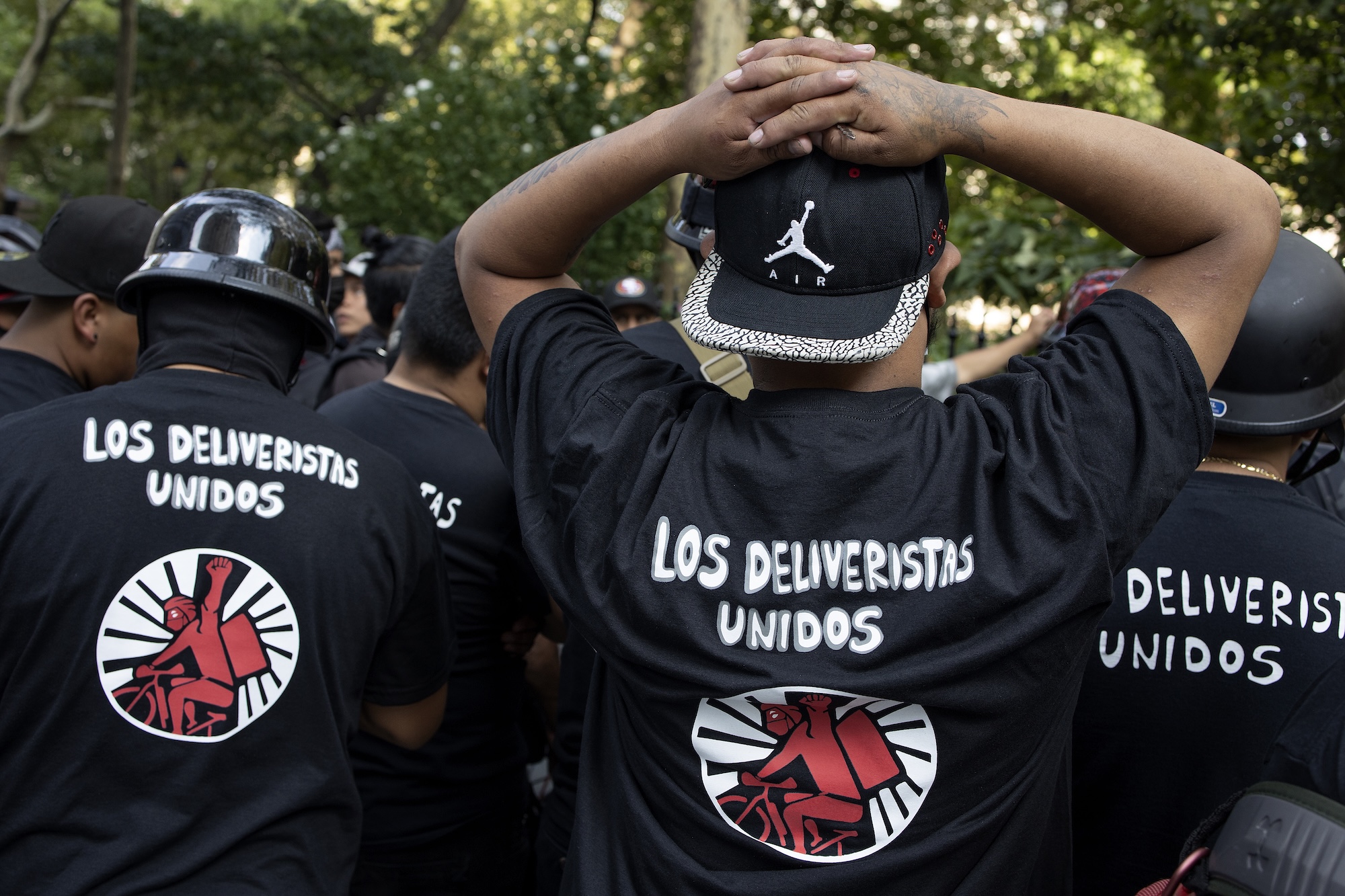
Upon arriving in New York, however, these migrants encounter a different manifestation of environmental crisis. Rather than tending crops, they navigate urban concrete jungles prone to extreme heat, flash floods, and severe storms. This convergence has sparked a broader academic and legal debate: Should app-based delivery workers who fled environmental degradation in their home countries be classified as climate migrants?
Erica Bower, a researcher leading climate displacement studies at Human Rights Watch, notes that legal definitions require a direct, provable link between a specific natural disaster intensified by climate change and the individual’s decision to relocate. Because economic motivations often overlap with environmental triggers, researchers frequently categorize workers like Yos as labor migrants. Nevertheless, field data from organizations like the Mixed Migration Centre indicates that when prompted, a significant percentage of migrants acknowledge environmental stress multipliers—such as ruined harvests and failing local infrastructure—as foundational drivers of their displacement.
A similar narrative echoes among other New York delivery workers. Hari Sharan Tripathi, a 35-year-old courier from Nepal and a member of the Justice for App Workers advocacy group, watched the generational orange groves cultivated by his ancestors decline due to rising global temperatures. Simultaneously, the iconic snowcaps of Mount Machhapuchhre in the Himalayas visibly receded. Following agricultural decline in Nepal, Tripathi migrated to New York, where he now contends with freezing winters and slick black ice that has repeatedly caused him to crash his e-bike.
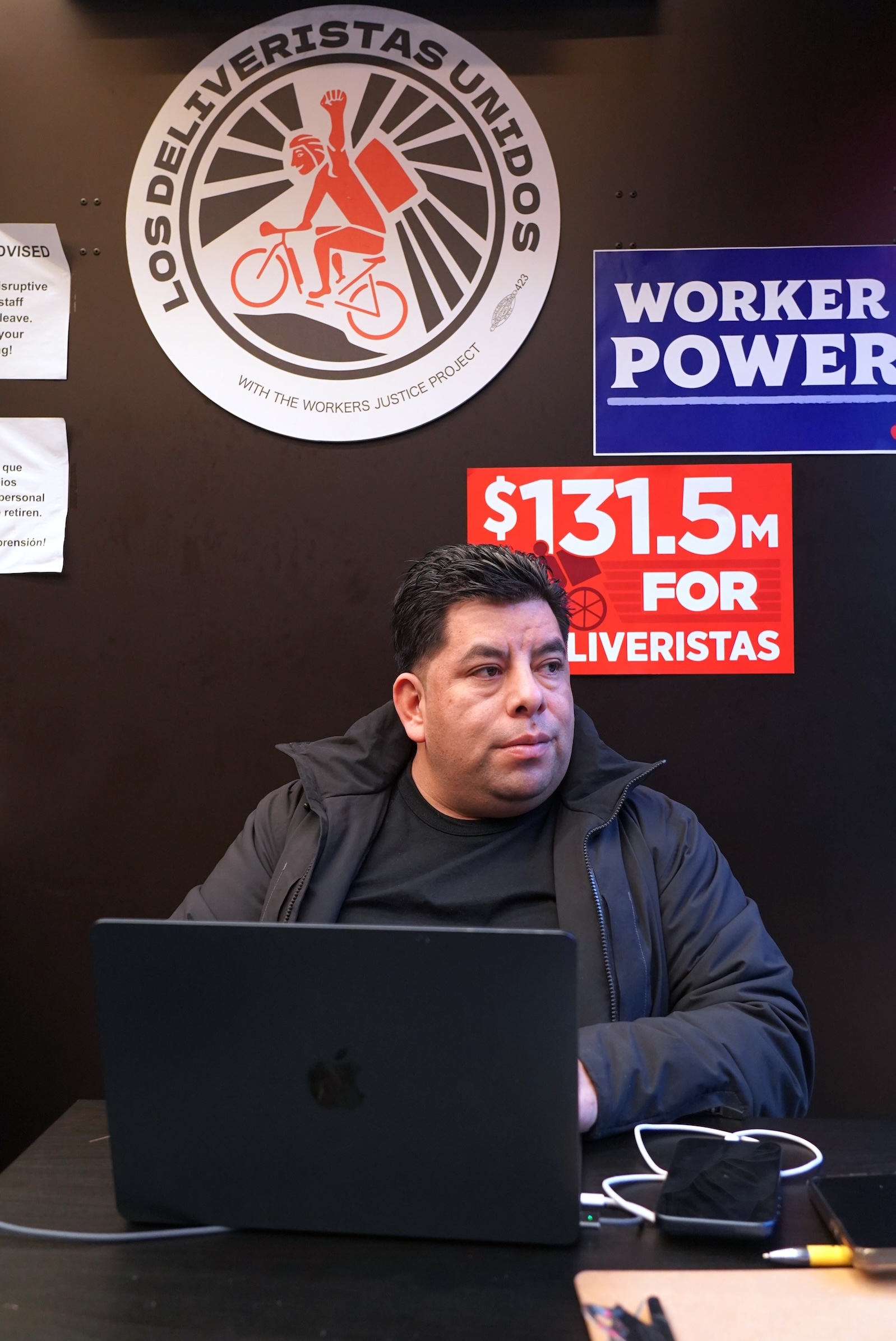
Similarly, Saliou Ndiaye and Mansour Thioye, both delivery workers from Senegal, trace their journeys back to intensifying seasonal floods in Thiès and Kaolack. In New York, Ndiaye suffered a broken leg when a motorist failed to see him through torrential rain, hospitalizing him for nearly a year.
The Pandemic Boom and the Rise of Delivery Unionism
The modern landscape of urban delivery was forged during the COVID-19 pandemic. Before the mid-2010s, most delivery personnel were hired directly by neighborhood restaurants. When pandemic lockdowns confined millions of New Yorkers indoors, third-party apps like DoorDash and Uber Eats experienced an explosive surge. Quick-service restaurant app spending tripled from approximately $400 million in December 2019 to $1.4 billion by 2022.
As app revenue climbed toward a global market valuation projected at $428 billion, the immigrant workforce propelling the system felt increasingly exploited. Recognizing a collective vulnerability, couriers Gustavo Ajche and William Medin mobilized their peers, initially organizing to combat rampant e-bike thefts and later confronting systemic wage theft.
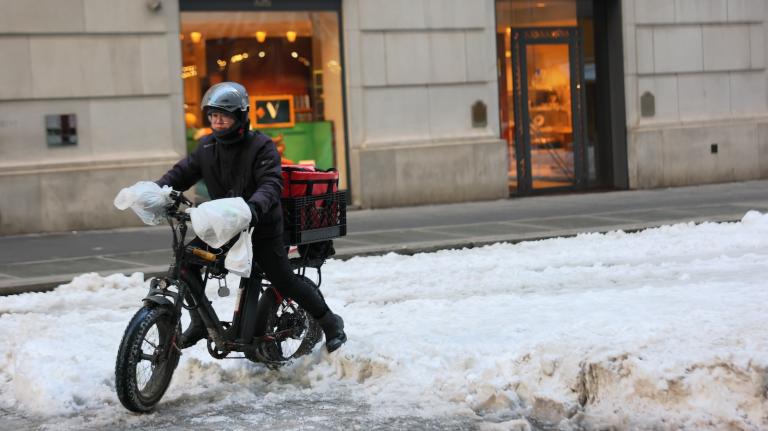
This activism birthed Los Deliveristas Unidos, a union branch of the Worker’s Justice Project representing nearly 15,000 active members. The labor coalition achieved several historic victories, including winning the nation’s first minimum wage standard for app-based food couriers in 2021—raising pay from sub-minimum rates to at least $19.56 per hour before tips. Additional legislative wins secured restaurant bathroom access, tip transparency, and updated protections against unfair account deactivations.
Municipal Infrastructure and Climate Adaptation
City officials are slowly reckoning with the physical demands placed upon the delivery workforce. In 2020, union leaders proposed converting underutilized city newsstands into rest hubs for couriers. Following years of advocacy and backing from federal and municipal lawmakers, the initiative gained traction. Under Mayor Zohran Mamdani’s administration, the first delivery-worker hub officially opened in April, though initial construction pressures resulted in temporary power delays. Meanwhile, proposals for additional hubs have faced localized community pushback.
To address extreme weather vulnerabilities, City Hall and the Department of Environmental Protection invested $108 million into upgrading sewer performance and street-level storm catch basins to mitigate pluvial street flooding. Furthermore, the City Council introduced a bill spearheaded by Member Harvey Epstein that would legally mandate app platforms to provide adequate rest stops, bathroom access, e-bike charging stations, and secure storage facilities.
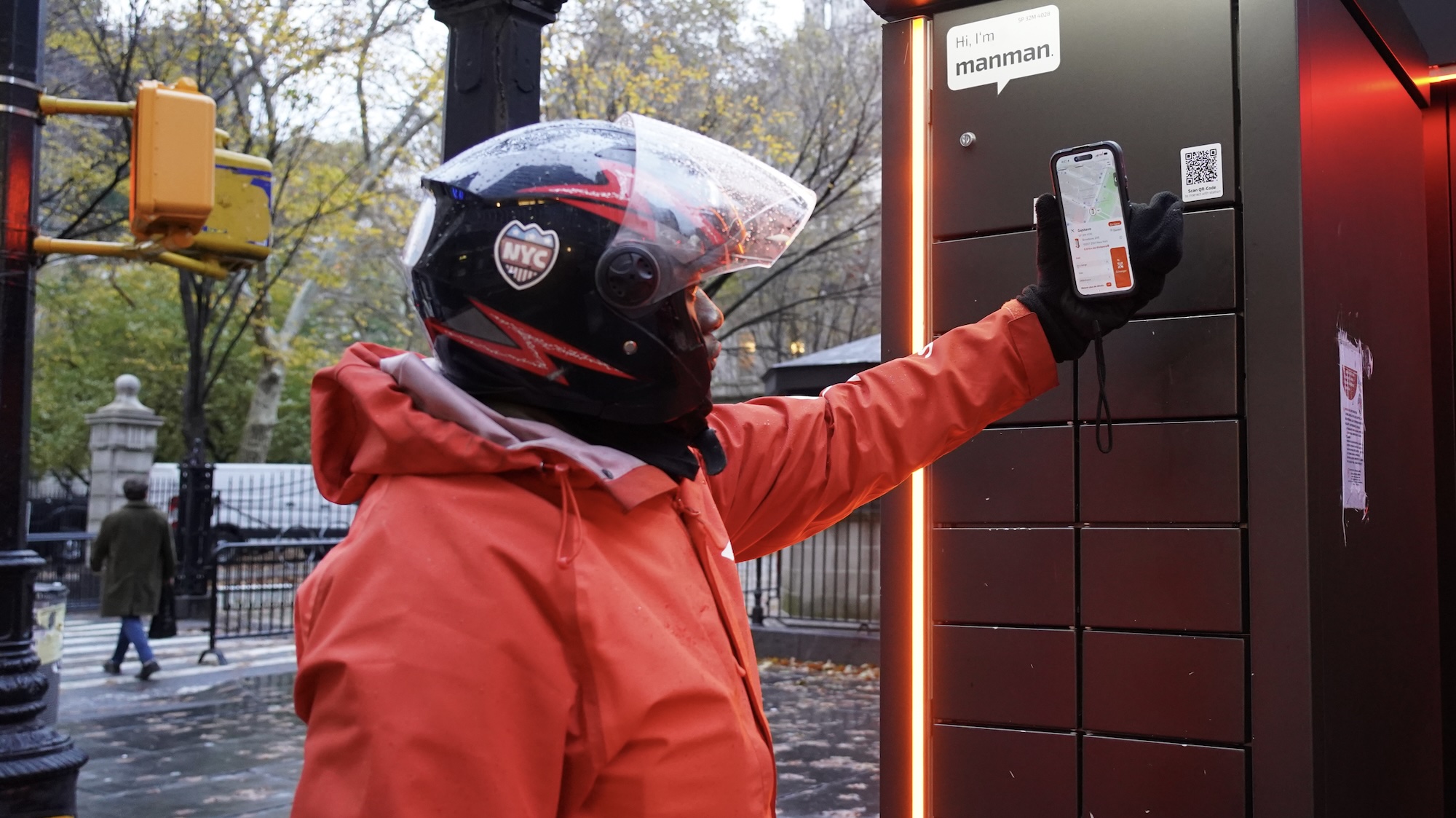
Despite pushback from corporate entities regarding specific operational mandates, app platforms have introduced some safety measures. DoorDash utilizes a Severe Weather Protocol to issue safety warnings and temporarily suspend operations during extreme meteorological events. Other platforms point to distributed safety checklists and gear distribution in compliance with municipal regulations.
Toward an Inclusive Climate Strategy
Labor advocates argue that piecemeal safety protocols are insufficient as global temperatures continue to break historical records. Urban planners and municipal agencies must formally incorporate delivery workers into comprehensive climate adaptation and emergency response frameworks.
"We need policies that reflect the realities delivery workers face, including safe working conditions, hazard pay, and meaningful protections that allow them to prioritize their health and safety without risking their livelihoods," Guallpa stated.

As New York City faces wetter summers, higher frequencies of flash floods, and recurring particulate smoke from northern wildfires, the city’s reliance on app-based deliveristas remains absolute. Whether municipal leaders can successfully bridge the gap between corporate gig-economy models and structural climate resilience will determine the safety of tens of thousands of workers who keep the metropolis fed through every crisis.