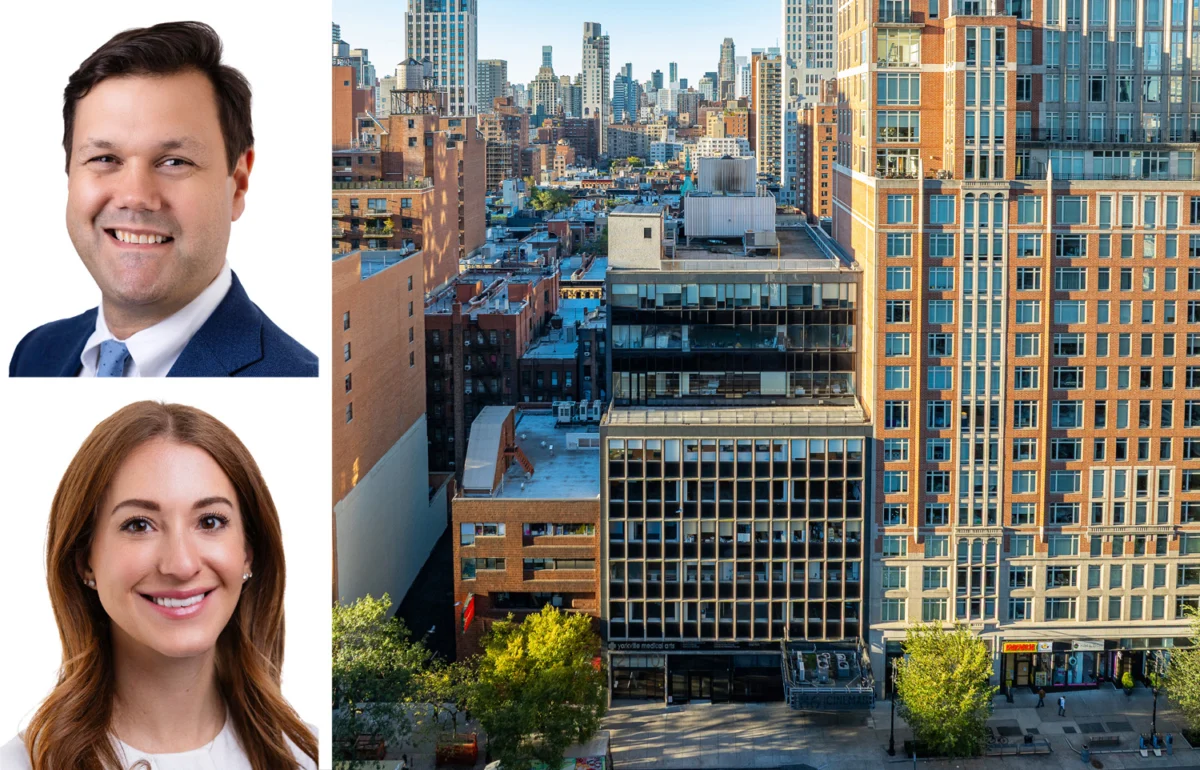
The landscape of Manhattan’s retail sector is undergoing a significant transformation as the health-conscious grocery retailer Happier Grocery prepares to establish its second New York City outpost. The company has officially signed a lease for 20,500 square feet at 210 East 86th Street, a prime commercial property owned by CSC Real Estate. This strategic expansion marks a departure from the brand’s downtown roots, signaling a pivot toward the dense, affluent residential corridors of the Upper East Side. The new location, slated to open its doors in the second half of 2027, represents a major milestone for both the retailer and the property’s ownership group.
The deal was brokered by a team from Avison Young, led by Christian Stanton and Libby Hodes, in collaboration with Max Swerdloff of Brand Urban. Representing the interests of Happier Grocery throughout the complex negotiation were Brian Segall and Michael Cohen of Newmark. While specific financial terms, including the duration of the lease and the agreed-upon rental rate, remain undisclosed, the transaction underscores the continued demand for high-end, wellness-oriented retail footprints in Manhattan’s secondary shopping hubs.
The Evolution of the 210 East 86th Street Site
The property at 210 East 86th Street has long been a subject of interest for local real estate developers. Most notably, the space formerly functioned as a movie theater, a relic of an era when large-scale entertainment venues were staples of the neighborhood’s commercial fabric. Following years of dormancy, the building became a key component of a larger acquisition by CSC Real Estate. In June 2026, the firm finalized a $70 million purchase of a portfolio that included 210 East 86th Street, 206 East 86th Street, and 205 East 85th Street.
The inclusion of a high-profile grocer like Happier Grocery serves as the anchor tenant for CSC’s vision for the site. By repurposing a long-vacant theater space, the developers are effectively modernizing the streetscape of East 86th Street, an area that has experienced shifting consumer habits in the post-pandemic retail climate. The selection of a "wellness-focused" retailer suggests that CSC Real Estate is prioritizing experiential retail—spaces that offer more than just goods, but a social and health-centric atmosphere.
A Closer Look at the Happier Grocery Business Model
Happier Grocery first entered the competitive New York City market in 2023 with the launch of its flagship store at 365 Canal Street. Located in the heart of the SoHo/Tribeca border, the store quickly garnered a reputation as a premium destination for organic produce, artisanal goods, and high-quality prepared foods. The brand’s aesthetic—characterized by a clean, curated, and somewhat minimalist design—resonates with a demographic that prioritizes sustainability and ingredient transparency.
Beyond the grocery aisles, the Canal Street location serves as a community hub, featuring a robust deli offering hot, prepared meals and a specialized coffee bar. This hybrid model—part market, part café—is a proven strategy for surviving in the high-rent environment of Manhattan. By offering a "social atmosphere" that caters to busy professionals and local residents alike, the company effectively captures multiple revenue streams, from the morning coffee commuter to the evening grocery shopper. The replication of this model on the Upper East Side is intended to cater to the neighborhood’s dense residential population, which historically favors premium health food options.
Market Dynamics and Retail Trends in New York City
The move to the Upper East Side is not merely a geographic expansion; it is a response to broader economic trends in the city’s commercial real estate market. According to recent data from CBRE, the retail corridor spanning Third Avenue, from East 60th to East 72nd streets, saw average asking rents reach approximately $252 per square foot during the second quarter of 2026. While 86th Street operates slightly outside of this specific corridor, the surrounding area remains one of the most expensive and competitive retail environments in the world.
The reliance on high-end grocers to anchor commercial properties is a trend that has accelerated in recent years. As department stores and legacy retail chains continue to struggle with the pressures of e-commerce, property owners are increasingly seeking "recession-proof" tenants. Grocery stores are viewed as essential businesses, providing a consistent foot-traffic driver that benefits surrounding smaller boutiques and service providers. Christian Stanton of Avison Young noted that the lease would bring "new energy" to the neighborhood, suggesting that the arrival of a brand like Happier Grocery acts as a catalyst for further economic activity in the vicinity.
Chronology of the Development
The path to this lease agreement has been marked by a series of critical milestones:
- June 2026: CSC Real Estate acquires a multi-building portfolio on East 86th and East 85th streets for $70 million, signaling a major redevelopment effort in the neighborhood.
- Late 2026: Preliminary discussions begin regarding the potential occupancy of the former movie theater space at 210 East 86th Street.
- Early 2027: Negotiations intensify between the landlord and prospective retail tenants, with a focus on securing a long-term anchor.
- Mid-2027: The lease agreement is officially signed, marking the first major commercial transaction for the newly acquired CSC portfolio.
- Second Half of 2027: Target date for the public opening of the new Happier Grocery location.
Implications for the Upper East Side Residential Market
The Upper East Side has long been defined by its established food retailers and high-end specialty shops. However, the arrival of a modern, wellness-focused brand like Happier Grocery introduces a shift in the local retail culture. Residents of the area, who have historically relied on a mix of legacy grocery stores and national chains, will now have access to a brand that specifically targets the modern consumer’s preference for curated, organic, and artisanal products.
Economists and retail analysts often point to the "halo effect" that a successful grocery store brings to a block. By increasing the frequency of visits to the street, the store is likely to increase sales for neighboring dry cleaners, pharmacies, and cafes. Furthermore, the presence of such a retailer can bolster property values in the immediate vicinity, as access to high-quality amenities remains a top priority for prospective tenants in the residential market.
Official Perspectives and Industry Reactions
Representatives from both the landlord and the brokerage firms have expressed optimism regarding the deal. Christian Stanton’s statement emphasized the strategic nature of the move, noting that the combination of "high-end grocery experience" and "social atmosphere" is exactly what the Upper East Side needs to maintain its status as an active retail hub.
While the retailer itself has remained relatively quiet regarding its long-term growth strategy, the move to 86th Street suggests an ambitious roadmap. After successfully navigating the competitive downtown market, the company is demonstrating its ability to adapt to different demographic needs. By choosing a location with a strong "residential base," the company is hedging its bets against the volatility of tourism-heavy areas, choosing instead to focus on the daily needs of local Manhattanites.
Future Outlook for the Brand
As the industry looks toward 2027 and beyond, the success of the 210 East 86th Street store will likely determine the pace of future expansions for Happier Grocery. The company’s ability to maintain its brand identity while scaling operations in vastly different neighborhoods will be the true test of its business model. Should the store succeed in creating the same "vibrant, wellness-focused" atmosphere seen on Canal Street, it is plausible that the company will look to secure further locations in Brooklyn or the outer boroughs, where the demand for premium, health-conscious groceries continues to rise.
For now, the project stands as a testament to the resilience of Manhattan’s retail sector. Despite the high cost of entry and the complexities of redeveloping older, unconventional spaces, the city remains a primary target for retailers who can effectively blend quality products with a distinct consumer experience. The transformation of the old movie theater at 210 East 86th Street into a bustling marketplace is a narrative that reflects the city’s ongoing ability to reinvent itself while serving the evolving tastes of its residents.