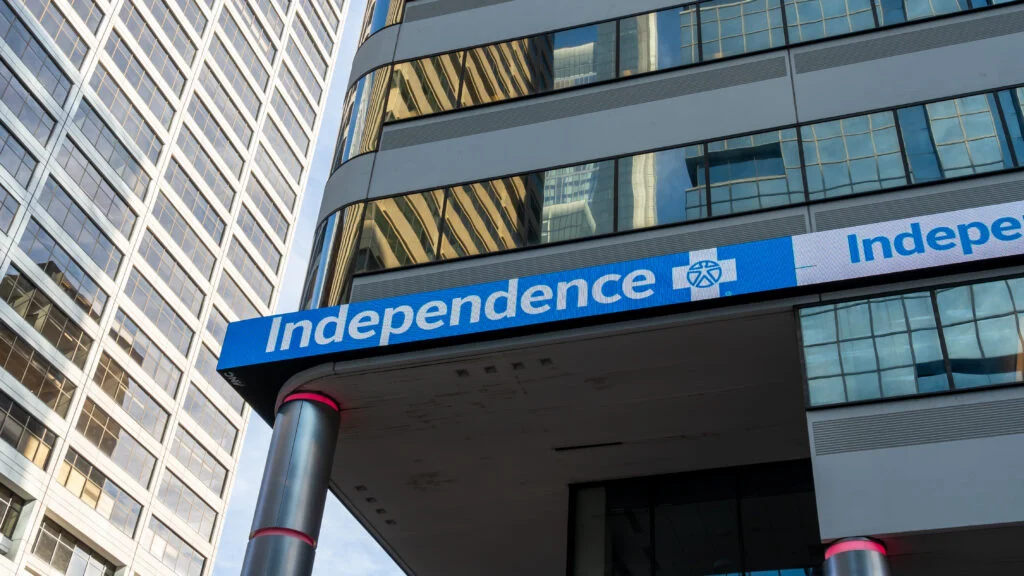
In a high-stakes legal confrontation that underscores the deepening friction between major hospital systems and national health insurance payers, several Texas-based hospitals operated by HCA Healthcare have initiated a lawsuit against Independence Blue Cross. The litigation, filed in the wake of mounting administrative disputes, seeks to recover more than $345,000 in unpaid medical claims. While the dollar amount is relatively modest for a health system of HCA’s scale, the legal action serves as a flashpoint for broader, industry-wide tensions regarding the definition of medical necessity and the controversial practice of prior authorization.
The dispute involves claims for services rendered approximately four years ago, highlighting the protracted nature of medical billing cycles and the complexities of inter-state insurance reimbursement. As HCA Healthcare—the largest for-profit hospital operator in the United States—squares off against a regional powerhouse like Philadelphia-based Independence Blue Cross, the case invites scrutiny into how effectively the current American healthcare apparatus manages patient care transitions and reimbursement transparency.
The Anatomy of the Dispute
At the heart of the litigation lies a fundamental disagreement over whether the care provided to patients was medically necessary according to the insurance carrier’s internal coverage policies. Prior authorization—the requirement that providers obtain approval from an insurer before a specific procedure, service, or medication is covered—has become one of the most contentious issues in the medical industry.
Hospitals argue that these requirements often delay essential care, create significant administrative burdens, and function as a blunt instrument for insurers to deny payment for services that clinicians deem vital. Conversely, payers such as Independence Blue Cross maintain that prior authorization is a critical utilization management tool, designed to prevent overutilization, ensure patient safety, and control the runaway costs that contribute to high insurance premiums.
In this specific instance, the HCA facilities contend that the services provided were not only necessary but also met the clinical standards required for reimbursement. Independence Blue Cross, however, appears to have flagged these claims as either lacking sufficient clinical documentation or failing to meet pre-established criteria, leading to the prolonged non-payment that ultimately prompted the lawsuit.
Chronology of Conflict
The timeline of this dispute stretches back to 2022, a period characterized by the post-pandemic recovery phase for hospitals and the resurgence of elective procedures.

- 2022: The claims in question were generated for services provided at HCA-owned facilities in Texas to patients covered by Independence Blue Cross plans. During this period, the healthcare industry faced significant labor shortages and supply chain disruptions, which often complicated the administrative process of filing and tracking insurance claims.
- 2023: Following the initial denial of claims, both parties entered into the standard industry appeal process. This phase typically involves a back-and-forth exchange of medical records, peer-to-peer reviews, and clinical documentation audits.
- 2024: As internal appeals were exhausted without a satisfactory resolution, legal counsel began preparing the case for potential litigation.
- 2025: Regulatory pressure mounted on insurers regarding prior authorization transparency, with several federal and state-level policy changes aiming to expedite the process.
- 2026: With the dispute remaining unresolved, HCA Healthcare formally moved to litigation, filing the lawsuit to force a legal determination on the unpaid claims.
Supporting Data and Industry Context
The conflict between HCA and Independence Blue Cross is not an isolated event but rather a symptom of a larger, systemic malaise. According to data from the American Hospital Association (AHA), the administrative cost of managing prior authorizations has grown exponentially over the last decade. A recent survey indicated that 94% of physicians reported that prior authorization requirements have had a somewhat or significant negative impact on clinical outcomes.
From the payer perspective, the financial stakes are equally high. Health insurance plans frequently cite the need to manage the "medical loss ratio"—the percentage of premium revenue spent on clinical services—to maintain financial stability. In an era where healthcare costs in the United States have ballooned to nearly 18% of the GDP, payers are under intense pressure from employers and government regulators to curb excessive spending.
However, the prices charged by large, consolidated hospital systems like HCA often remain a point of friction. HCA Healthcare, which manages a vast network of hospitals and surgery centers, possesses significant bargaining power in rate negotiations. When these negotiations break down, or when disputes over specific claims arise, the result is often a protracted legal battle that can last for years, further straining the relationship between providers and payers.
Perspectives from Stakeholders
While neither HCA Healthcare nor Independence Blue Cross has issued a granular public breakdown of the internal clinical decisions behind these specific claims, industry experts suggest that the outcome of this case could set a precedent for how courts view "medical necessity" in the context of private insurance contracts.
"The issue here is the gap between clinical judgment and administrative policy," noted an industry analyst who specializes in health insurance billing. "Hospitals believe that if a doctor says it’s necessary, it’s necessary. Insurers believe that if it doesn’t align with their proprietary algorithms or coverage guidelines, it’s an unnecessary expense. The court is now being asked to arbitrate that gap."
Patient advocacy groups have weighed in on the broader implications, noting that when hospitals and insurers fight over payments, the patient is often caught in the middle. While the patient may not be directly liable for the unpaid balance in this specific case, the atmosphere of distrust can lead to hospitals becoming more aggressive in their own billing practices or refusing to participate in certain insurance networks, thereby reducing patient access to care.
Broader Impact and Implications
The litigation serves as a barometer for the current regulatory climate. The Biden-Harris administration, alongside various state insurance commissioners, has made significant moves to reform prior authorization. The Centers for Medicare & Medicaid Services (CMS) has already implemented rules aimed at streamlining the electronic exchange of clinical data to speed up authorization decisions.

However, these rules primarily apply to government-regulated plans like Medicare Advantage and Medicaid. Private commercial plans, such as the ones issued by Independence Blue Cross, are subject to a different set of state-based regulations, which can be less uniform. This lawsuit highlights the need for a more standardized approach to clinical documentation and authorization protocols across the industry.
Furthermore, the case underscores the financial volatility inherent in the U.S. healthcare system. With hospitals facing tight margins due to inflation, rising labor costs, and the need for technological investment, the recovery of hundreds of thousands of dollars in claims—while seemingly minor for a multi-billion dollar chain—is a matter of principle. For HCA, this is about ensuring that their revenue cycle management remains robust and that they are not forced to "write off" claims that they believe were legally owed.
Analysis: A Call for Transparency
The resolution of this lawsuit will likely not be the end of the conflict. Instead, it is expected to catalyze further discussions about the transparency of the "denial process." Many experts suggest that the only way to mitigate these disputes is through the implementation of automated, interoperable systems that allow insurers and providers to see the same clinical data in real-time.
As it stands, the HCA-Independence Blue Cross dispute is a reminder that the "business of healthcare" remains deeply opaque. Whether through a court-ordered settlement or a judgment in favor of one party, the outcome will be closely watched by health systems and insurance carriers across the country. If the courts find in favor of the hospital system, it could embolden other providers to challenge similar denials. If the insurer prevails, it may solidify the current standard that insurer-defined medical necessity policies hold significant weight in legal settings.
Ultimately, the dispute over $345,000 is a microcosm of a much larger struggle to define the future of the American healthcare landscape. It is a struggle that pits the financial sustainability of the insurance industry against the clinical autonomy of the nation’s largest hospital operators, with the patient’s health and the nation’s healthcare costs hanging in the balance. As the legal proceedings unfold, the healthcare sector will be looking for a resolution that offers more than just a payment—it will be looking for a clearer path forward in the contentious, high-stakes world of medical reimbursement.