In a monumental public health triumph for a young democracy, the World Health Organization (WHO) has officially certified Timor-Leste as a malaria-free country. This designation marks the culmination of more than two decades of rigorous, sustained national mobilization against a disease that once posed a devastating burden to the nation’s population. By driving indigenous transmission down to zero, Timor-Leste joins an elite global cohort of 47 countries and one territory that have successfully eliminated the parasite. Furthermore, the island nation becomes only the third country in the WHO South-East Asia region to achieve this status, following historical validations achieved by the Maldives in 2015 and Sri Lanka in 2016.
The official certification is granted by the global health body only after a nation proves, beyond any reasonable doubt, that the chain of indigenous malaria transmission has been successfully interrupted nationwide for a minimum of three consecutive years. For Timor-Leste, this milestone honors a dramatic epidemiological reversal. Shortly after regaining its independence in 2002, the country grappled with soaring infection rates, peaking at over 223,000 clinically diagnosed cases in 2006. Through unwavering political commitment, structural healthcare investments, and the tireless labor of frontline medical personnel, the nation systematically dismantled the infrastructure of the disease, registering zero indigenous cases from 2021 onward.
A Chronological Journey: From Crisis to Elimination
The trajectory of Timor-Leste’s malaria eradication campaign is a testament to strategic public health planning executed under challenging post-independence conditions. The foundation of this success was laid in 2003, mere months after the nation’s sovereignty was restored, when the Ministry of Health established the National Malaria Programme (NMP). Operating initially with a skeletal staff of just two full-time officers, the NMP was tasked with formulating a comprehensive nationwide strategy for disease surveillance, vector control, and clinical management.
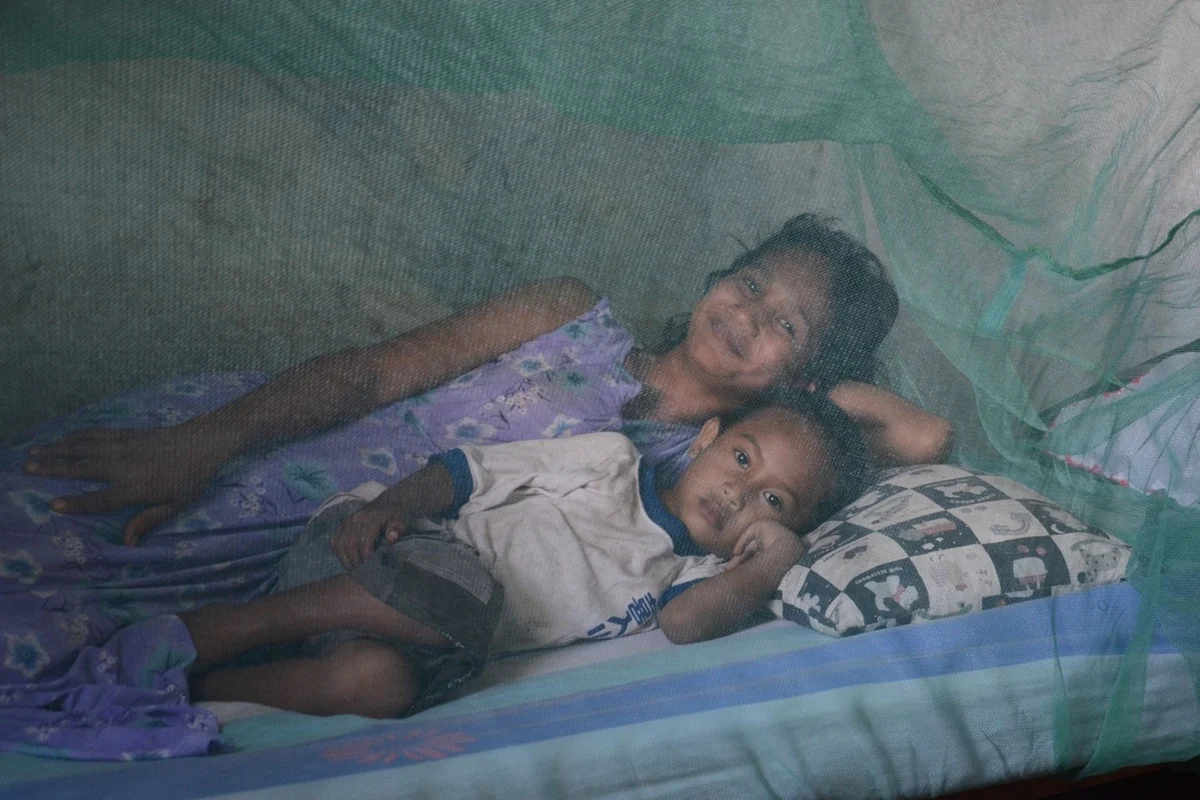
During the mid-2000s, as clinical cases surged past the 223,000 mark, the government implemented crucial clinical updates. The National Malaria Treatment Guidelines were overhauled to incorporate rapid diagnostic tests (RDTs) and highly effective artemisinin-based combination therapies (ACTs). Concurrently, health authorities initiated the large-scale distribution of long-lasting insecticide-treated nets (LLINs) directly to vulnerable communities.
A pivotal turning point arrived in 2009. Bolstered by substantial financial and technical support from the Global Fund to Fight AIDS, Tuberculosis and Malaria, Timor-Leste dramatically expanded its vector control operations. The country launched widespread indoor residual spraying (IRS) campaigns and flooded rural areas with insecticide-treated nets. Simultaneously, point-of-care diagnostics were revolutionized by embedding microscopy and RDTs across all local health posts, ensuring that suspected cases could be identified and treated swiftly, even in remote geographical pockets.
Over the subsequent decade, stringent surveillance mechanisms took root. The integration of a real-time, case-based surveillance system allowed health authorities to track infections instantly, deploy localized interventions, and conduct thorough epidemiological investigations around every identified case. Border screening protocols were strengthened to intercept imported cases, while community-based health workers sustained continuous educational and preventative outreach. By 2021, these synchronized efforts successfully drove indigenous case counts to zero, holding the line through 2022, 2023, and 2024 to clear the strict threshold required for WHO certification.
Building a Resilient Three-Tier Health Infrastructure
Timor-Leste’s victory over malaria cannot be separated from its broader strategy to overhaul a fractured and under-resourced health sector. Emerging from decades of conflict with severe shortages of trained physicians, nurses, and medical infrastructure, the government prioritized the establishment of a robust three-tier healthcare delivery system.
This architecture comprises national reference hospitals, secondary reference facilities, community health centers (CHCs), and grassroots health posts. This deliberate distribution was engineered to ensure that the vast majority of the population could access basic medical care within an hour’s walk from their homes. Crucially, the Timorese government enshrined a policy of free universal healthcare at the point of delivery, eliminating financial barriers that often prevent marginalized populations from seeking timely diagnosis and treatment.
To bridge geographical divides and reach isolated rural populations, health authorities deployed monthly mobile clinics and dedicated outreach teams. These mobile units became vital conduits for distributing preventative supplies, conducting health screenings, and educating communities on vector-borne disease management. The development of this grassroots network not only facilitated malaria elimination but also laid a resilient bedrock for general public health security across the nation.
Global and National Leaders Applaud the Milestone
The international public health community has responded to Timor-Leste’s certification with widespread acclaim, highlighting the nation as a beacon of hope and a practical model for disease eradication in resource-constrained environments.
Dr. Tedros Adhanom Ghebreyesus, Director-General of the World Health Organization, offered personal praise to the nation’s leadership and populace. "WHO congratulates the people and government of Timor-Leste on this significant milestone," Dr. Tedros stated. "Timor-Leste’s success proves that malaria can be stopped in its tracks when strong political will, smart interventions, sustained domestic and external investment, and dedicated health workers unite."
The sentiment was echoed locally by Dr. Élia António de Araújo dos Reis Amaral, the Minister of Health for the Government of Timor-Leste. Reflecting on the emotional and historical weight of the achievement, she noted the profound human cost paid by past generations. "We did it. Malaria has been one of our most relentless enemies—silent, persistent, and deadly. We lost too many lives to a disease that should be preventable. But our health workers never gave up, our communities held strong, and our partners, like WHO, walked beside us," she remarked. "From 223,000 cases to zero—this elimination honors every life lost and every life now saved. We must safeguard this victory with continued vigilance and community action to prevent malaria’s re-entry."
Dr. Arvind Mathur, WHO Representative to Timor-Leste, emphasized the grit and determination required of a young nation to achieve such an ambitious public health goal. "Timor-Leste’s malaria-free certification is a defining national triumph—driven by bold leadership, tireless efforts of health workers, and the resolve of its people," Dr. Mathur said. "As a young nation, Timor-Leste stayed focused—testing, treating, and investigating swiftly. Ending transmission and maintaining zero deaths takes more than science; it takes grit. This victory protects generations, present and future, and shows what a determined country can achieve."
Broader Implications and Future Challenges
The eradication of malaria in Timor-Leste carries profound implications for the nation’s socio-economic development. Historically, vector-borne diseases exact a heavy toll on productivity, straining healthcare budgets, causing absenteeism in schools and workplaces, and trapping families in cycles of poverty. By removing this epidemiological burden, Timor-Leste frees up valuable clinical resources, reduces out-of-pocket medical expenses for households, and enhances overall human capital development.
However, public health experts emphasize that certification is not the end of the road, but rather the beginning of a critical maintenance phase. Malaria-free countries remain perpetually vulnerable to re-introduction through international travel and migration, particularly given Timor-Leste’s porous maritime and land borders with endemic regions.
To mitigate these risks, the Ministry of Health has committed to maintaining high-level vigilance. The integrated real-time surveillance system, cross-border screening checkpoints, and community-based alert networks will remain fully operational. Sustaining domestic financial allocations, alongside ongoing community engagement, will be vital to ensuring that imported parasites do not re-establish local transmission chains.
As Timor-Leste celebrates this historic chapter, the nation stands as proof that formidable health challenges can be overcome through strategic persistence, robust international partnerships, and an unwavering commitment to the well-being of every citizen.