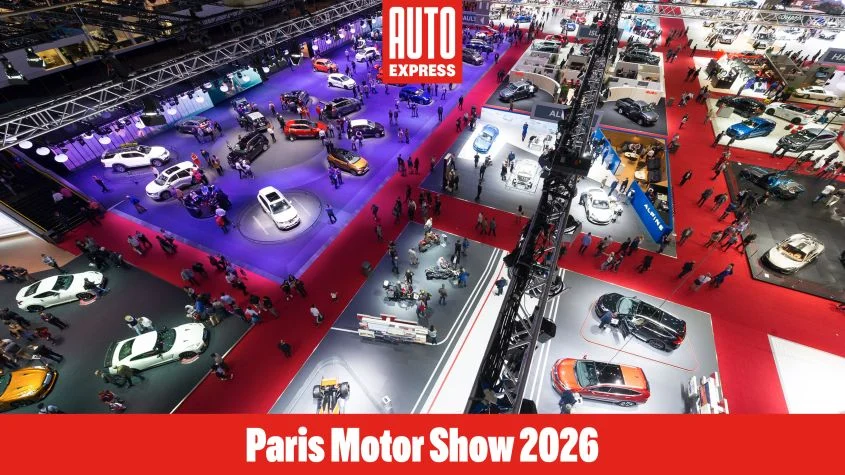
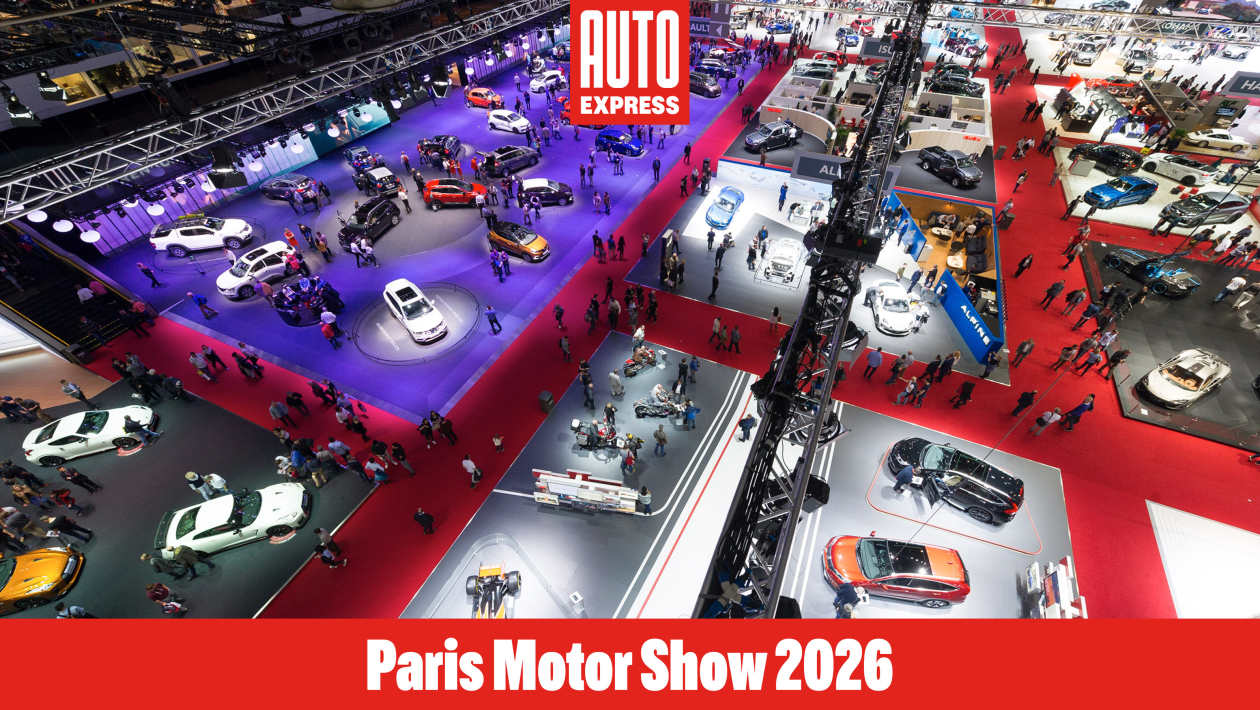
The automotive industry is preparing for a pivotal moment as the 2026 Paris Motor Show, one of the oldest and most prestigious events in the global car calendar, returns to the Parc des Expositions de Villepinte this October. With the transition toward electrification reaching a critical mass, the event is set to serve as a high-stakes showcase for European manufacturers looking to consolidate their market share against an increasingly competitive landscape. As the industry faces shifting consumer preferences, supply chain stabilization, and rigorous emissions mandates, the 2026 edition promises to be more than just a display of aesthetics; it is a manifestation of the future of mobility.
Historical Context and The Evolution of Paris
Since its inception in 1898, the Paris Motor Show has functioned as the definitive stage for European automotive innovation. Historically held biennially, the event has transitioned through various formats, reflecting the volatile nature of the industry. In the 21st century, the show has shifted focus from traditional internal combustion engine (ICE) showcases to complex multi-energy platforms. The 2026 iteration is particularly significant as it marks a decade of rapid technological acceleration, where the focus has transitioned from the novelty of early-stage electric vehicles (EVs) to the integration of advanced software-defined architectures and high-performance battery technology.
The Stellantis Offensive: A Design Revolution
A primary focus of this year’s show will be the strategic reveal from the Stellantis group. Industry analysts have noted that the conglomerate is aiming to redefine the visual identity of its core brands: Peugeot, Citroën, and Vauxhall. The recent "Polygon" design concept, which has been teased throughout the year, suggests a departure from traditional soft-curved aesthetics in favor of sharp, angular, and aerodynamically optimized silhouettes.
According to internal communications from the Stellantis design department, the goal is to create a unified design language that translates across different price points, from entry-level city cars to flagship SUVs. This is intended to improve brand recognition in an era where EVs are becoming increasingly commoditized. The implementation of this new design philosophy is expected to roll out starting in late 2026, making the Paris show the formal launchpad for this multi-brand aesthetic overhaul.
Maserati and Alfa Romeo: Reclaiming Performance
While volume brands focus on design shifts, the luxury segment—specifically under the Italian banner of Stellantis—is expected to provide the performance highlights of the show. Maserati has officially confirmed the debut of two major models: a new, high-performance SUV and a flagship sports car. These vehicles are intended to solidify the brand’s position in the luxury EV sector. By leveraging the modular STLA platforms, Maserati aims to offer electric powertrains that do not compromise on the brand’s characteristic torque delivery and handling dynamics.
Concurrently, Alfa Romeo is generating significant anticipation with a "mystery" project. Described by company representatives as a "masterpiece," the vehicle is rumored to be a limited-run model that emphasizes lightweight construction and driver-centric interfaces. This aligns with Alfa Romeo’s broader strategy to position itself as a performance-oriented, premium alternative to German competitors. Market analysts suggest that this reveal is critical for Alfa Romeo’s growth in North American and European markets, as the brand seeks to capitalize on the heritage of its legendary racing pedigree while embracing 800-volt charging architectures.
The EV Range Benchmark: The New Volvo XC60
Outside of the Stellantis group, the 2026 Paris Motor Show will witness the mainstreaming of extended-range plug-in hybrid vehicles (PHEVs). Volvo has attracted considerable attention with its updated XC60 and XC90 lineups. The technical specifications of the new PHEV powertrain are noteworthy: the XC60 now boasts an impressive 124 miles of pure electric range, a figure that significantly narrows the gap between plug-in hybrids and full battery-electric vehicles (BEVs).
This development carries broad implications for the fleet market. By providing a "safety net" of an internal combustion engine for long-distance travel, while offering a pure-electric range that covers the average daily commute for most Europeans, Volvo is positioning its hybrid technology as a pragmatic bridge for consumers who are not yet prepared to transition fully to BEVs. This move is expected to pressure other manufacturers to optimize their own hybrid systems, potentially shifting the focus of the 2027 development cycle.
The Volkswagen ID.3 GTI: A New Era for Hot Hatches
Volkswagen’s presence will be defined by the commercial debut of the ID.3 GTI. For decades, the "GTI" badge has been synonymous with affordable, front-wheel-drive performance. However, the 2026 ID.3 GTI represents a radical departure. Featuring a rear-wheel-drive configuration and an output exceeding 320bhp, the vehicle is designed to compete with high-end sports hatchbacks.
The inclusion of a "GTI-mode"—which calibrates suspension stiffness, throttle response, and simulated soundscapes—indicates that Volkswagen is attempting to preserve the "fun-to-drive" ethos in an all-electric format. This vehicle serves as a litmus test for the company: if the ID.3 GTI succeeds, it will provide a blueprint for the electrification of the broader "R" and "GTI" portfolios across the Volkswagen Group.
Market Implications and Future Trends
The 2026 Paris Motor Show occurs against a backdrop of intense economic pressure. With inflation impacting raw material costs and energy prices influencing manufacturing overheads, the vehicles presented in Paris are designed with efficiency as the primary metric. We are witnessing a clear bifurcation in the industry:
- The Efficiency Race: Brands like Skoda and the wider VW group are focusing on maximizing range and accessibility, as evidenced by the market-leading performance of the Enyaq platform, which currently provides one of the most competitive ranges (373 miles) in its class.
- The Premium-Performance Shift: Luxury manufacturers are moving away from traditional combustion luxury toward high-output electric platforms that prioritize software-defined comfort and "experience-led" interior design.
The reliance on these platforms is not accidental. By utilizing shared modular architectures, manufacturers are reducing the per-unit cost of development, which is essential for maintaining margins while absorbing the high costs of battery production.
Timeline and Expected Impact
The following chronology outlines the development of the 2026 show cycle:
- Q1 2026: Initial design teasers released by Stellantis and VW Group.
- Q2 2026: Confirmation of Maserati’s dual-model launch strategy.
- Q3 2026: Pre-show briefings focusing on the integration of AI-assisted driving software and autonomous features.
- October 2026: Formal unveilings at the Paris Motor Show.
- Q4 2026 – Q1 2027: Market rollout and initial press reviews of the key models.
Expert Analysis: The Road Ahead
Industry observers note that the success of the 2026 show will be measured by how well these manufacturers address the "value gap." Consumers are increasingly demanding longer ranges, faster charging times, and lower entry prices. If the announcements at Paris lean too heavily into high-end luxury, manufacturers risk alienating a large segment of the market that is currently seeking reliable, mid-tier electric transport.
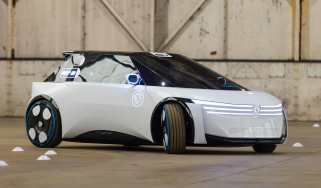
Furthermore, the integration of software—specifically regarding OTA (Over-the-Air) updates—will be a recurring theme. The ability of a vehicle to improve after it has left the showroom floor is now a standard requirement for consumers in the premium segment. As seen with the latest Volvo and Volkswagen updates, the software interface is becoming as critical as the horsepower figures.
Conclusion
The 2026 Paris Motor Show stands as a critical checkpoint for the European automotive industry. From the aggressive design language of the new Stellantis lineup to the technical achievements of Volvo’s extended-range hybrids and the electrification of the legendary GTI badge, the event will highlight a sector that is evolving rapidly. While challenges in supply chain sustainability and economic volatility remain, the innovation on display in Paris will provide a clear indication of which manufacturers are best positioned to lead the market into the latter half of the decade. As the doors open in October, the industry—and the public—will be watching to see which of these concepts successfully bridge the gap between ambitious engineering and the pragmatic needs of the modern driver.