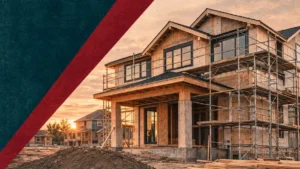
Despite widespread market skepticism and shifting economic indicators, the Buy, Rehab, Rent, Refinance, Repeat (BRRRR) strategy remains a foundational pillar for experienced real estate investors. As of the first quarter of 2026, industry reports indicate a cooling in investor appetite, with transaction volume among real estate investors dropping approximately 23% compared to the same period in 2025. This contraction has led many market participants to adopt a wait-and-see approach, citing high interest rates and diminished short-term margins. However, veteran investors like Zach Kepes, who has maintained an active portfolio of over 300 single-family homes since 2002, argue that the current market environment offers unique, albeit more challenging, opportunities for those who adhere to rigorous underwriting standards.
The Evolution of the BRRRR Strategy
The BRRRR methodology is a value-add strategy designed to build equity by acquiring distressed assets, performing substantial renovations, and stabilizing the property with long-term tenants. Once stabilized, the investor refinances the property to recover invested capital, which is then deployed into the next acquisition. For over two decades, Kepes has utilized this model, navigating various economic cycles, including the 2008 financial crisis and the post-pandemic inflationary period.
According to Kepes, the fundamental mechanics of the strategy have not changed, but the inputs—acquisition costs, financing terms, and renovation expenses—require a higher degree of precision in 2026. While the "easy money" era of 2018 and 2019 allowed for a larger margin of error due to rapid appreciation, the current market necessitates a focus on "buying deeper." This means acquiring assets at a price point that accounts for both current cost of capital and the necessary capital expenditures to modernize the property.
Chronology of a 2026 Acquisition
To illustrate the feasibility of the strategy in the current climate, Kepes detailed a transaction closing in Peoria, Arizona, in late November 2026. The acquisition of this three-bedroom, two-bathroom single-family residence highlights the necessary steps for modern BRRRR success:
- Identification: The property was sourced through established relationships with local wholesalers and title companies, bypassing the competitive retail market.
- Due Diligence: Despite relying on professional networks, Kepes conducted a physical walkthrough to assess the "inside the walls" condition, specifically inspecting plumbing and electrical systems—areas where deferred maintenance can quickly erode projected margins.
- Renovation: The scope of work involves a full-gut remodel, including tile flooring, cabinet replacements, and modern lighting fixtures, with an estimated budget of $40,000.
- Stabilization: By modernizing the property, the unit is positioned to command a market rent of approximately $2,400 to $2,500, ensuring the asset can support the debt service associated with a Debt Service Coverage Ratio (DSCR) loan.
Supporting Data and Market Analysis
The broader real estate landscape in 2026 shows a divergence between turnkey properties and distressed, "value-add" assets. While turnkey homes face heavy competition from owner-occupant buyers, the segment of the market requiring significant repair—often referred to by investors as "nasty houses"—has seen less competition. This lack of demand has allowed patient investors to secure properties at prices roughly 10% lower than those seen 18 months ago.
Financial analysts note that the current environment favors investors who are "bankable." This implies having established relationships with lending institutions and maintaining a transparent, professional financial profile. Relying solely on hard money at interest rates exceeding 10% is rarely viable for a long-term hold; instead, investors are increasingly utilizing DSCR loans to refinance at more sustainable long-term rates. When the math is executed correctly, this allows the investor to recycle capital while maintaining a portfolio that carries approximately 20% to 25% equity immediately upon stabilization.
Strategic Pillars for Acquisition
Kepes outlines four primary pillars that guide his current acquisition strategy, serving as a checklist for mitigating risk in a high-interest-rate environment:
- Legacy Ownership: The investor must be willing to hold the asset for a decade or more. If the property would be considered a liability in a market downturn, it should not be purchased.
- Equity Cushion: A successful BRRRR deal must result in at least 20% equity after stabilization. This acts as a buffer against market volatility and provides liquidity for future growth.
- Yield Verification: The rental income must support the debt service and operating expenses based on current market rates, rather than relying on speculative future rent growth.
- Replacement Cost Analysis: The acquisition price must be lower than the cost to build the same property from scratch. This ensures an inherent value floor that protects the investor’s capital.
Broader Economic Implications and Industry Reactions
The sentiment among market observers remains mixed. While the 23% decline in investor purchases cited by CNBC reflects a segment of the market retreating due to higher carrying costs, the activity of veteran investors suggests a "rebound" period is underway. By focusing on areas with high population growth and limited housing supply, such as the Phoenix-metro region, investors are positioning themselves for long-term appreciation that may outpace current inflationary pressures.
Furthermore, the shift toward long-term hold strategies has highlighted the importance of property management and tenant relations. As Kepes emphasizes, the "slumlord" mentality—performing minimal, cosmetic repairs—is economically detrimental in the long run. High-quality renovations reduce long-term maintenance costs and improve tenant retention, effectively lowering the investor’s operating expenses over the lifecycle of the asset.
The Role of Taxation and Wealth Preservation
A critical component of the BRRRR strategy often overlooked by newer investors is the tax efficiency of the hold-and-refinance model. Unlike house flipping, which generates ordinary income and is subject to higher tax rates, the BRRRR strategy facilitates long-term wealth accumulation through tax-advantaged vehicles. By retaining properties, investors can utilize 1031 exchanges to defer capital gains taxes, effectively compounding their wealth without the immediate tax hit associated with selling.
This tax-efficient growth is central to the strategy’s sustainability. For many, the goal is not to maximize monthly cash flow at the expense of equity, but to maximize net worth. A deal that breaks even on a monthly basis while creating $70,000 in gross equity is viewed by professional investors as a significantly superior outcome to a lower-equity deal with modest cash flow, provided the investor has the capital reserves to weather short-term fluctuations.
Conclusion: The Future of Real Estate Investing
As 2026 progresses, the narrative that the BRRRR method is "dead" appears to be more a reflection of market participants who are unwilling to adapt to changing conditions rather than an objective reality of the market itself. The strategy has shifted from a speculative play on appreciation to a disciplined exercise in value-add engineering and financial management.
For those looking to enter or continue in the market, the advice from seasoned operators is consistent: focus on fundamentals, maintain liquidity, and prioritize the creation of long-term equity over the desire for instant returns. In an era of economic uncertainty, the ability to identify, renovate, and stabilize real estate assets remains one of the most reliable methods for wealth preservation and growth, provided the investor is prepared to perform the rigorous work required to succeed in a demanding market.