The approach to personal care undergoes a profound transformation as individuals enter their mid-forties, a period marked by physiological shifts that directly impact skin architecture. In metropolitan hubs like Chicago, where winter weather introduces severe drops in humidity and temperature, seasonal skin dehydration compounds these natural biological changes. Recognizing that standard hydration methods are often insufficient to maintain skin vitality, dermatological experts and estheticians emphasize the necessity of targeted formulations that do more than merely supply surface moisture. Modern skincare science addresses aging skin through multi-action formulations designed to reinforce the cutaneous barrier, stimulate collagen synthesis, and improve overall epidermal texture.
Physiological Changes in Mature Skin: The Science of Aging
Understanding the requirements of mature skin begins with an examination of the structural proteins that provide firmness and elasticity. According to board-certified dermatologists, human bodies begin experiencing a decline in collagen production as early as the mid-twenties, with an estimated loss of one percent per year. This gradual reduction accelerates significantly by the fourth decade of life, leading to the thinning of the dermis, reduced facial volume, and the manifestation of fine lines and wrinkles.
Furthermore, hormonal fluctuations associated with perimenopause and menopause introduce additional challenges. Declining estrogen levels frequently result in pronounced dryness, a dull complexion, and diminished elasticity. Concurrently, cumulative ultraviolet (UV) exposure over a lifetime contributes to photoaging, characterized by uneven pigmentation, textural irregularities, and degraded elastin fibers. Estheticians point out that these cumulative factors require a departure from basic moisturization toward dynamic, active-ingredient-driven regimens that support long-term skin health.
Expert Consensus: Moving Beyond Simple Hydration
A prevalent misstep among consumers is the assumption that heavy, occlusive creams are universally superior for addressing dry, mature skin. Industry professionals note that efficacy is dictated by molecular formulation and specific ingredient delivery rather than sheer product viscosity. While lipid-rich creams benefit individuals with severely compromised moisture barriers, consumers with combination or acne-prone skin often require lighter, humectant-focused formulations to avoid clogged pores and subsequent breakouts.
Estheticians advocate for integrated formulations that combine deep nourishment with gentle, skin-renewing agents. Ingredients such as lactic acid, fruit enzymes, and polyhydroxy acids (PHAs) facilitate gentle exfoliation, clearing away dead surface cells that impede the penetration of active moisturizers. This dual-action approach ensures that hydration reaches deeper layers of the epidermis while simultaneously encouraging cellular turnover and radiance.
Comprehensive Skincare Regimens for Mature Skin
Dermatological guidelines for maintaining mature skin emphasize a structured daily routine designed to protect and repair the cutaneous barrier without causing irritation.
The Morning Regimen
- Cleansing: Individuals experiencing severe dryness may forego morning cleansing to preserve natural lipid oils, provided a thorough cleansing occurred the previous evening. Those with resilient skin can utilize a gentle exfoliating cleanser containing alpha-hydroxy acids (AHAs) or PHAs.
- Toning: Hydrating toners offer a non-irritating alternative to harsh water-based cleansing steps, prepping the skin for subsequent treatments.
- Serums: Application of an antioxidant serum, such as vitamin C, neutralizes free radicals and supports collagen restoration.
- Moisturization and Protection: A nutrient-dense moisturizer followed by a broad-spectrum sunscreen (SPF) concludes the daytime routine, safeguarding against further photoaging.
The Evening Regimen
- Cleansing: Gentle or oil-based cleansers effectively remove environmental pollutants and makeup without stripping the skin’s natural moisture barrier.
- Targeted Exfoliation: Performed one to three times weekly, chemical exfoliation removes dead surface cells, enhancing the absorption of night treatments and stimulating collagen production.
- Treatment Serums: Evening is the optimal time for active ingredients like retinol or peptides, which support nighttime cellular repair and turnover mechanisms.
- Occlusive Moisturizers: A rich night cream seals in active ingredients and prevents trans-epidermal water loss throughout the sleep cycle.
Key Ingredients in Advanced Anti-Aging Moisturizers
Formulating an effective moisturizer for aging skin requires a sophisticated blend of humectants, emollients, and occlusives, often augmented by specialized anti-aging compounds.
- Humectants: Ingredients such as hyaluronic acid and glycerin draw moisture from the environment and deeper dermal layers into the stratum corneum, plumping the skin and temporarily minimizing the appearance of fine lines.
- Emollients and Occlusives: Botanical oils, shea butter, and ceramides create a protective barrier on the skin’s surface, trapping moisture and repairing lipid matrices essential for barrier function.
- Cell-Communicating and Firming Agents: Retinoids, peptides, niacinamide (vitamin B3), and caffeine actively stimulate collagen synthesis, improve skin elasticity, and reduce the appearance of sagging and inflammation.
Market Overview: Leading Moisturizers for Aging Skin
The skincare market features a diverse array of clinically tested formulations designed to address specific concerns associated with mature skin.
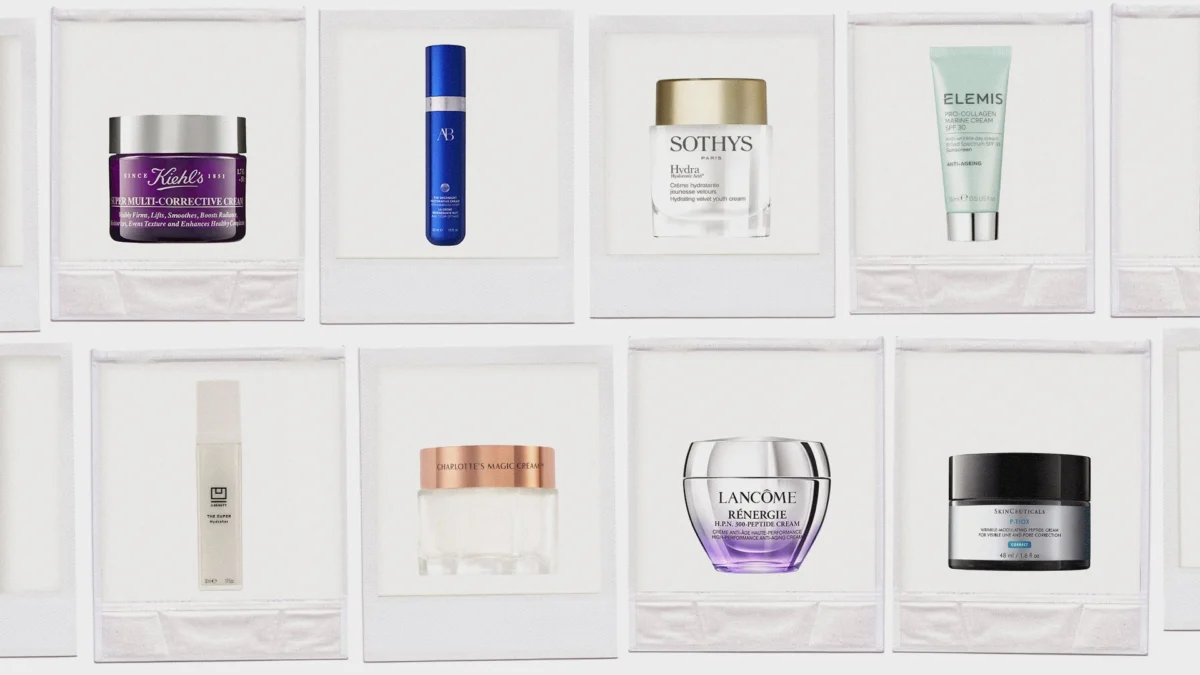
- SkinCeuticals P-Tiox Cream: Positioned as an advanced anti-wrinkle peptide cream, this formulation focuses on smoothing expression lines and supporting overall structural integrity.
- Lancôme Rénergie H.P.N. 300-Peptide Cream: Utilizing a concentrated blend of peptides, hyaluronic acid, and niacinamide, this cream targets firmness, volume loss, and skin regeneration.
- U Beauty The Super Hydrator: Designed for intensive moisture delivery, this product utilizes proprietary technology to deeply hydrate while maintaining barrier health.
- Charlotte Tilbury Magic Cream: A cult-favorite emulsion rich in peptides, hyaluronic acid, and botanical oils, frequently utilized to prep mature skin for seamless makeup application.
- Elemis Pro-Collagen Marine Cream SPF 30: A daytime favorite combining marine extracts with UV protection to hydrate and shield the skin from environmental stressors.
- Augustinus Bader The Overnight Restorative Cream: A luxury night treatment leveraging proprietary TFC8 technology to support the skin’s natural nocturnal rejuvenation processes.
- Kiehl’s Super Multi-Corrective Anti-Aging Face & Neck Cream: A versatile treatment addressing elasticity and texture across both the facial contours and the delicate neck area.
- Sothys Hydrating Velvet Youth Cream: Formulated to soften skin texture and restore youthful suppleness through advanced lipid replenishment.
- Iope Stem III Clinical Recovery Cream: Designed for post-procedure or sensitive mature skin, focusing on rapid recovery and barrier restoration.
Broader Implications and Consumer Considerations
The growing demand for advanced anti-aging moisturizers reflects a broader demographic shift toward preventative and maintenance-focused wellness. As life expectancy increases and consumer awareness regarding dermatological science expands, the skincare industry continues to innovate beyond basic cosmetic enhancement, moving toward scientifically validated formulations that improve skin health at a cellular level. Consumers are increasingly encouraged to consult board-certified dermatologists to tailor their skincare regimens to their specific skin types, environmental exposures, and physiological needs, ensuring optimal long-term results.