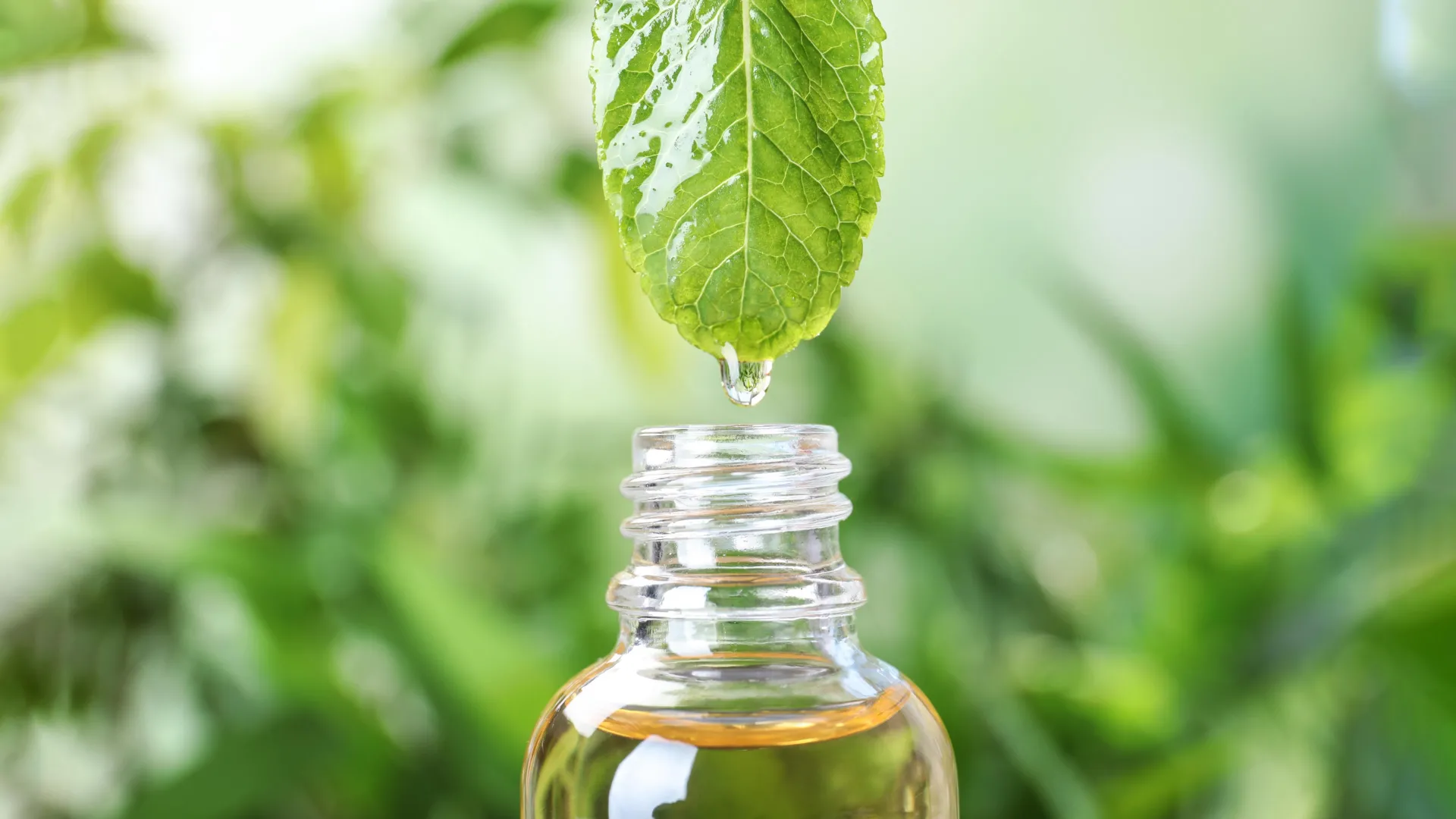
Research Reveals Peppermint Oil Supplementation May Significantly Reduce Systolic Blood Pressure in Adults with Mild Hypertension
Cardiovascular disease remains the leading cause of mortality worldwide, driving an ongoing medical and scientific search for accessible, cost-effective, and well-tolerated interventions to mitigate foundational risk factors. Among these, arterial hypertension stands out as the most prevalent preventable risk factor for cardiometabolic disorders and global mortality. While pharmaceutical therapies are the cornerstone of clinical hypertension management, issues regarding long-term adherence, variable efficacy, and adverse side effects persist. In response to these clinical challenges, a recent investigation conducted by researchers at the University of Lancashire has introduced a novel therapeutic candidate: standard food-grade peppermint oil. Published in the peer-reviewed journal PLOS One, the study demonstrates that daily supplementation with a small amount of peppermint oil can produce clinically meaningful reductions in systolic blood pressure within a remarkably short timeframe.
The research sheds light on a household botanical long celebrated for its culinary applications and digestive benefits, positioning it as a potential adjunct in cardiovascular health. According to the study’s findings, participants who consumed peppermint oil daily for a 20-day period experienced an average systolic blood pressure reduction of 8.5 mmHg compared to those receiving a placebo, after adjusting for baseline measurements. This preliminary evidence points toward a simple, inexpensive, and generally well-tolerated intervention that could eventually aid millions of individuals struggling with mildly elevated blood pressure.
Methodology and Study Design of the University of Lancashire Trial
To rigorously evaluate the physiological impacts of peppermint oil on vascular health, researchers designed a controlled clinical trial involving 40 adult participants. The cohort comprised individuals ranging in age from 18 to 65 years who presented with either elevated blood pressure or stage 1 hypertension, an early clinical classification characterized by systolic readings consistently ranging between 130 and 139 mmHg or diastolic readings between 80 and 89 mmHg.
Participants were randomly assigned to one of two parallel groups in a double-blind framework. The active intervention group consumed a total of 100 microliters—equivalent to one-tenth of a milliliter—of food-grade peppermint oil daily. To facilitate safe and palatable consumption, this daily volume was divided into two equal doses, each diluted in water. Conversely, the control group received a matched placebo that replicated the flavor profile of peppermint but lacked any of the active phytochemical compounds native to the true essential oil.
Over the course of the 20-day intervention period, the research team monitored multiple health indicators. While systolic blood pressure served as the primary clinical endpoint, secondary evaluations included diastolic blood pressure, resting heart rate, comprehensive blood chemistry panels, anthropometric body measurements, subjective mental well-being assessments, and standardized sleep quality metrics.
The physiological shift observed in the active cohort was both rapid and pronounced. By the conclusion of the 20-day protocol, the average systolic blood pressure among participants taking the peppermint oil supplement dropped from approximately 130 mmHg down to 122 mmHg. In contrast, the control group receiving the placebo demonstrated virtually no change in their systemic blood pressure readings. Systolic blood pressure, representing the maximum pressure exerted within the arteries as the heart muscle contracts, is a critical metric in cardiovascular risk assessment; persistently high readings place chronic mechanical stress on arterial endothelial walls, accelerating atherosclerosis and escalating the lifetime risk of acute myocardial infarction, ischemic stroke, and congestive heart failure.
Biochemical Mechanisms: How Peppermint May Influence Vascular Tone
The physiological basis for the observed reductions in blood pressure centers on the rich phytochemical profile of the peppermint plant, scientifically known as Mentha piperita. Botanical extracts of peppermint naturally encapsulate numerous biologically active secondary metabolites. Among the most prominent of these constituents is menthol, a monoterpended alcohol responsible for the signature cooling sensation and distinct aroma associated with the herb. In addition to menthol, peppermint contains a diverse array of flavonoids—phenolic plant compounds widely recognized in nutritional and pharmacological literature for their potent antioxidant and anti-inflammatory capabilities.
Pharmacologically, researchers hypothesize that the active constituents of peppermint oil exert direct effects on vascular smooth muscle tissue. The botanical demonstrates marked anti-inflammatory and vasodilatory properties. Vasodilation refers to the physiological widening of blood vessels resulting from the relaxation of the muscular walls located within the tunica media of arteries and arterioles. When these vascular pathways dilate, peripheral vascular resistance declines, allowing blood to circulate through the circulatory system with greater ease and reducing the mechanical pressure exerted against arterial walls.
While these vasodilatory and antioxidant mechanisms provide a plausible scientific framework for the blood pressure reductions recorded in the study, the investigators emphasize that the precise biochemical pathways remain to be fully elucidated. Future investigations will likely utilize advanced vascular imaging and ex vivo laboratory assays to track how specific metabolites, such as menthol and various flavonoids, interact with endothelial nitric oxide synthase and other enzymatic regulators of vascular tone.
Expert Perspectives and Clinical Implications
Leading the research team at the University of Lancashire was Dr. Jonnie Sinclair, Reader in Sport and Health Sciences, whose academic work frequently intersects with metabolic health, physiological stress, and nutritional interventions. Commenting on the broader implications of the published findings, Dr. Sinclair highlighted the massive global burden imposed by cardiovascular disease and the economic strain associated with its treatment.
"High blood pressure is one of the biggest causes of heart disease and death worldwide, and it costs a huge amount of money to treat," Dr. Sinclair stated. "Although medicines are commonly used to treat it, it’s not always clear how well they work in the long-term, and they can cause unwanted side effects."
The clinical urgency of identifying novel, accessible therapies is underscored by epidemiological data from global health authorities. Hypertension remains the single greatest contributor to premature global mortality, affecting over a billion individuals worldwide. Because a significant proportion of the population suffers from prehypertension or stage 1 hypertension—stages where lifestyle modifications are typically prescribed before pharmaceutical intervention—therapies that bridge this clinical gap are of paramount interest to public health officials.
Dr. Sinclair further emphasized the unique economic and practical advantages of the intervention tested in the trial. "Our findings were very positive and they have significant clinical implications, especially given arterial hypertension is the most common preventable risk factor for cardiometabolic disease and the greatest single risk factor for global mortality. Peppermint oil is low in calories and price so it’s proved to be a very simple and cost-effective solution to potentially treat millions of people around the world."
Contextualizing the Intervention Within Broader Cardiovascular Care
To properly evaluate the clinical significance of an 8.5 mmHg reduction in systolic blood pressure, medical context is essential. In population-based cardiovascular epidemiology, even modest reductions in population-wide systolic blood pressure—such as a 5 mmHg decrease—are associated with a substantially reduced risk of major adverse cardiac events. Specifically, a sustained 5 mmHg drop in systolic blood pressure has been shown to reduce the risk of stroke by approximately 10 percent and decrease overall mortality from coronary heart disease by roughly 7 percent.
An average reduction of 8.5 mmHg, as achieved in the University of Lancashire cohort over a mere 20 days, therefore represents a clinical shift of considerable magnitude. If replicated in larger, more diverse populations over extended periods, an intervention of this efficacy could alter the natural history of early-stage hypertension, potentially delaying or entirely averting the need for lifelong pharmaceutical antihypertensive therapy in select patient groups.
However, clinical pharmacologists and cardiologists urge caution against premature self-prescribing or the misinterpretation of botanical supplement trials. The peppermint oil utilized in the University of Lancashire investigation was specifically sourced, purified, and formulated for safe human consumption. Essential oils sold commercially for aromatherapy or general household use frequently contain synthetic additives, higher concentrations of toxic trace elements, or chemical contaminants that render them unsafe for oral ingestion.
Furthermore, medical experts stress that the current study represents an initial proof-of-concept trial. The investigation was limited by a relatively modest sample size of 40 participants and a short duration of less than three weeks. Consequently, while the short-term safety and efficacy data are encouraging, critical questions remain regarding long-term physiological adaptation, potential pharmacological interactions with existing blood pressure medications—such as beta-blockers, ACE inhibitors, or calcium channel blockers—and the sustained durability of the blood pressure-lowering effect over months or years.
Limitations of the Current Study and Roadmap for Future Research
Every phase of clinical research must balance enthusiastic preliminary findings with rigorous methodological scrutiny. The research team at the University of Lancashire has been forthright regarding the inherent limitations of their initial trial, explicitly outlining the parameters necessary for future study designs.
Foremost among these limitations is the duration of the trial. Lasting only 20 days, the study cannot predict whether the cardiovascular benefits observed at the end of the third week will plateau, diminish, or persist indefinitely. Chronic physiological adaptations, such as receptor down-regulation or metabolic habituation, can occasionally attenuate the efficacy of botanical or pharmaceutical agents over prolonged exposure. Therefore, phase II and phase III clinical trials spanning six months to a year are required to establish longitudinal safety and efficacy profiles.
Additionally, the demographic composition of the study cohort warrants expansion. While including adults aged 18 to 65 provides a broad view across working-age populations, future studies must ensure robust representation across diverse ethnic backgrounds, socioeconomic strata, and comorbid health profiles—including individuals with established type 2 diabetes, chronic kidney disease, or advanced atherosclerosis.
Another area requiring dedicated investigation is the evaluation of secondary endpoints, such as systemic inflammatory markers, endothelial function assays, and ambulatory 24-hour blood pressure monitoring. While the current study captured resting clinic blood pressure and basic metabolic parameters, 24-hour ambulatory monitoring provides a more accurate assessment of true cardiovascular risk by capturing nocturnal dipping patterns and blood pressure reactivity to daily stressors.
Public Health Guidance and Safety Warnings
As news of the study disseminates across mainstream media and scientific journals, healthcare providers anticipate an increase in patient inquiries regarding natural remedies for hypertension. Medical professionals reiterate standard clinical safety guidelines regarding the management of high blood pressure:
- Never Discontinue Prescribed Medications: Patients diagnosed with hypertension must never alter, reduce, or discontinue prescribed pharmaceutical regimens based on preliminary botanical research or personal experimentation. Abrupt cessation of antihypertensive drugs can precipitate dangerous rebound hypertension, hypertensive crises, acute stroke, or myocardial infarction.
- Verify Product Formulation: Oral consumption of essential oils requires rigorously tested, food-grade formulations designed specifically for ingestion. Standard aromatherapy or cosmetic-grade essential oils are not subjected to the same purity standards and may contain compounds hazardous to human internal organs, particularly the gastrointestinal tract, liver, and kidneys.
- Consult Qualified Healthcare Providers: Individuals experiencing elevated blood pressure should consult a primary care physician, cardiologist, or registered dietitian before introducing concentrated botanical supplements into their daily routine. Comprehensive medical evaluation is essential to rule out secondary causes of hypertension and to ensure safe integration with existing therapies.
Conclusion and Outlook for Botanical Pharmacology
The investigation conducted by Dr. Jonnie Sinclair and his colleagues at the University of Lancashire opens a compelling new chapter in the exploration of botanical medicine for cardiovascular health. By demonstrating that a low-cost, readily available food-grade supplement like peppermint oil can yield statistically significant and clinically relevant reductions in systolic blood pressure within 20 days, the study bridges traditional botanical knowledge with modern clinical rigor.
While substantial work remains—including larger, longer-term randomized controlled trials to confirm sustainability, establish precise biochemical pathways, and evaluate potential drug interactions—the implications are clear. As global healthcare systems grapple with the rising tide of cardiometabolic disease, the identification of simple, inexpensive, and well-tolerated adjunct therapies offers a beacon of hope for improving global cardiovascular health outcomes. Until definitive long-term data emerge, the medical community advises cautious optimism, emphasizing that safe and effective management of hypertension must remain anchored in evidence-based clinical guidance and professional medical supervision.