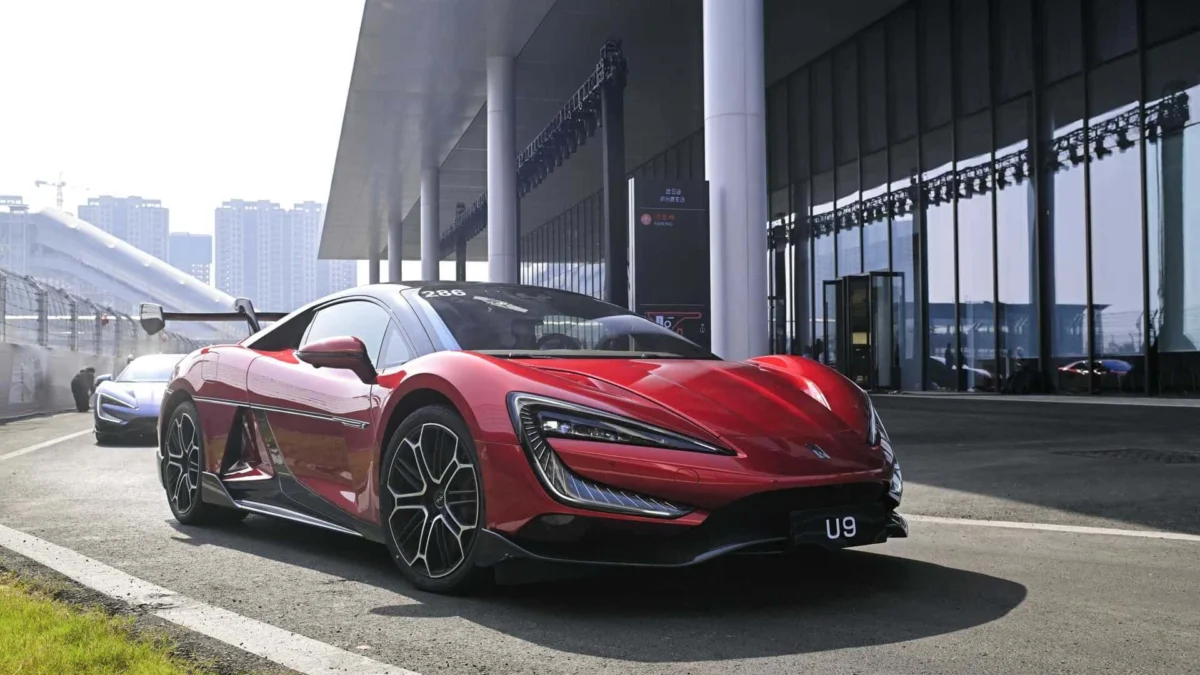
The Engineering Behind the Speed: A Technical Overview of the U9 Xtreme
The Yangwang U9 Xtreme is not merely a high-performance electric vehicle; it is a laboratory on wheels designed to push the limits of current battery and motor technology. At the heart of the U9 Xtreme lies a quad-motor powertrain that produces a cumulative 2,950 horsepower. To put this figure into perspective, the U9 Xtreme generates nearly double the horsepower of the original Bugatti Chiron, which was the first car to break the 300 mph barrier. Each of the four independent motors contributes 744 horsepower, allowing for precise torque vectoring that is impossible to replicate with traditional mechanical differentials.
A critical component of this performance is the vehicle’s 1,200-volt battery architecture. Most modern high-end electric vehicles operate on an 800-volt system, but the jump to 1,200 volts allows for significantly higher power density and more efficient thermal management during high-stress scenarios. In the world of land-speed records, heat is the ultimate enemy. The friction generated by tires rotating at over 3,000 RPM, combined with the massive electrical discharge required to maintain acceleration at high speeds, creates a thermal load that can degrade battery cells and trigger safety limiters. BYD’s engineering team has reportedly refined the cooling systems to ensure the U9 can maintain peak output for the duration of its top-speed run.
A History of the Production Car Speed Record
The quest for the production car speed record has historically been a slow climb punctuated by massive leaps in technology. In 2005, the Bugatti Veyron EB 16.4 shocked the world by reaching 253.81 mph. This was followed by the SSC Ultimate Aero at 256.14 mph in 2007, and eventually the Bugatti Veyron Super Sport at 267.85 mph in 2010. For nearly a decade, the 300 mph mark was considered the "sound barrier" of the automotive world—a goal that seemed physically impossible for a road-legal vehicle due to tire limitations and aerodynamic drag.
In 2019, the Bugatti Chiron Super Sport 300+ achieved 304.8 mph at the Ehra-Lessien testing facility in Germany, setting a benchmark that many thought would stand for the decade. However, the advent of the "electric hypercar" era changed the calculus. Last year, the Yangwang U9 Xtreme’s run of 308.4 mph not only surpassed Bugatti but did so using an entirely different propulsion method. Unlike internal combustion engines, which lose power as the air becomes thinner at high altitudes or as temperatures rise, electric motors provide instantaneous torque and consistent power delivery, provided the batteries stay cool.
The Human Element: Marc Basseng and the "Extra Second"
While the machine is a feat of engineering, the record attempt relies heavily on the skill and bravery of the driver. Marc Basseng, a veteran German racing driver with extensive experience in endurance racing and Nürburgring testing, was at the helm during the record-breaking run. Following the achievement of 308.4 mph, Basseng provided insights that served as the catalyst for the upcoming November attempt.
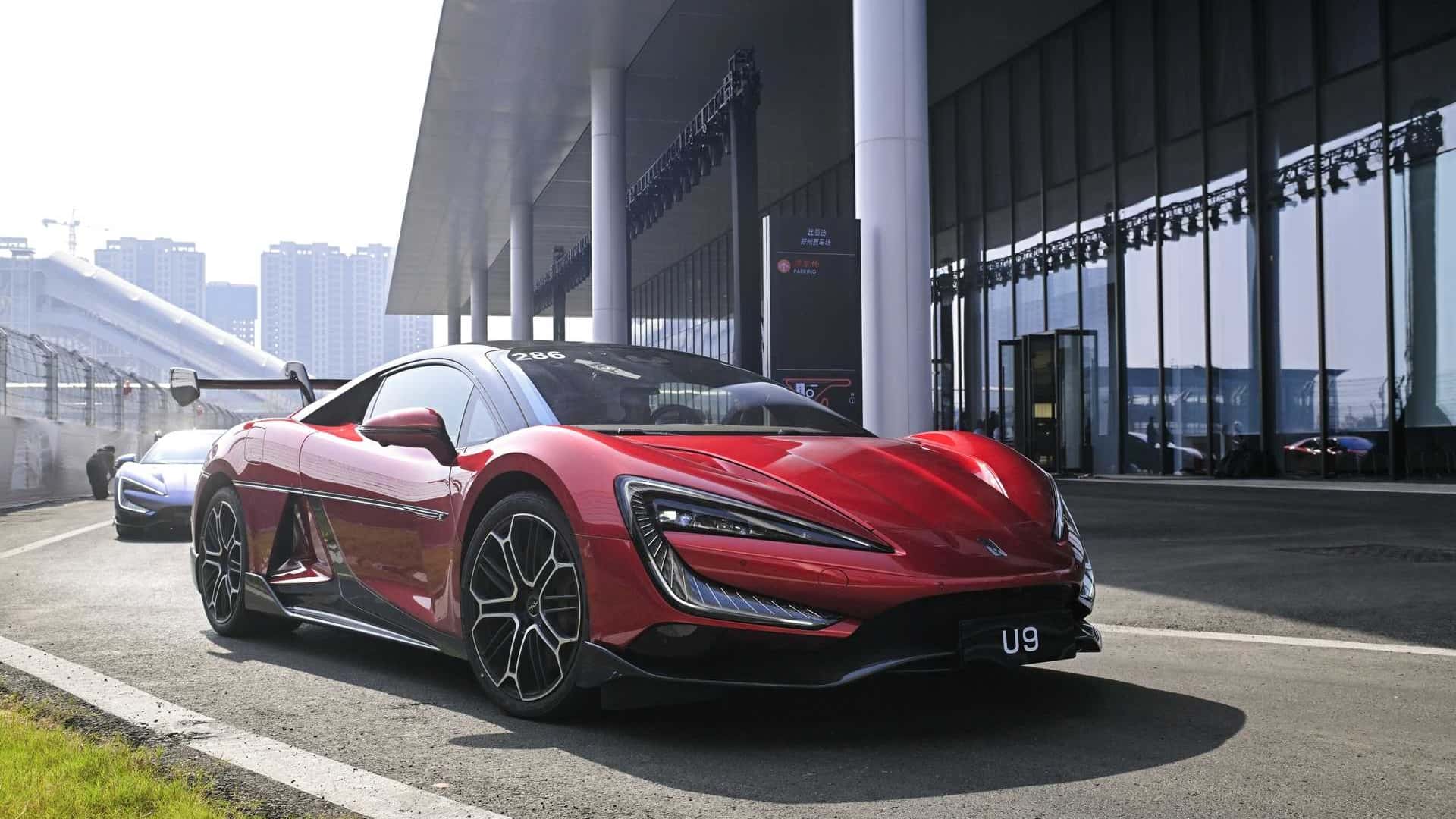
According to data logs analyzed by the Yangwang engineering team, Basseng lifted off the throttle slightly earlier than was theoretically necessary. Basseng noted that he had approximately one and a half seconds of full-throttle acceleration left on the table before reaching the braking zone. In the world of high-speed testing, a second and a half is an eternity. At speeds exceeding 300 mph, a vehicle covers nearly 450 feet every second. BYD executives believe that if Basseng can maintain full power for that additional window, the 310 mph (500 km/h) threshold is well within reach.
Strategic Modifications for the Record Run
Achieving 310 mph requires more than just raw power; it requires a vehicle that can "cheat" the air. For the previous record run, the Yangwang team implemented several specific modifications to the standard U9 configuration to reduce drag. The most notable change was the removal of the massive rear wing, which provides essential downforce for track cornering but acts as a parachute at extreme velocities.
Additionally, the team fitted smaller, more aerodynamic wheels wrapped in specialized, wider tires. These tires are a marvel of material science, designed to withstand the immense centrifugal forces that threaten to pull the rubber off the rims at high speeds. For the November run, it is expected that BYD will further refine the underbody aerodynamics and potentially utilize active aero components that can "stall" or flatten out to minimize the car’s frontal area. Stella Li, BYD Executive Vice President, hinted at the Goodwood Festival of Speed that the company is looking at every possible variable to ensure the 500 km/h goal is met.
The Significance of 500 km/h (310 mph)
The number 500 holds significant psychological and marketing value in the global automotive industry. In the metric-focused markets of Europe and Asia, 500 km/h is the ultimate milestone. For BYD, reaching this speed is not just about bragging rights; it is a strategic move to position Yangwang as a legitimate competitor to legacy brands like Ferrari, Lamborghini, and Bugatti.
Historically, Chinese automakers were viewed as manufacturers of budget-friendly, mass-market commuters. By producing the world’s fastest production car, BYD is effectively rebranding the entire Chinese automotive sector as a leader in high-end innovation. This "halo effect" is intended to drive interest in BYD’s more affordable models, proving that the technology used in a 310-mph hypercar eventually trickles down to the sedans and SUVs driven by everyday consumers.
Market Implications and the EV Performance War
The announcement of a new record attempt comes at a time when the electric vehicle performance war is heating up. Competitors like the Rimac Nevera and the upcoming Tesla Roadster (if it reaches production) are all vying for the title of the world’s most capable EV. However, most of these competitors have focused on 0-60 mph acceleration times rather than sustained top-end speed.
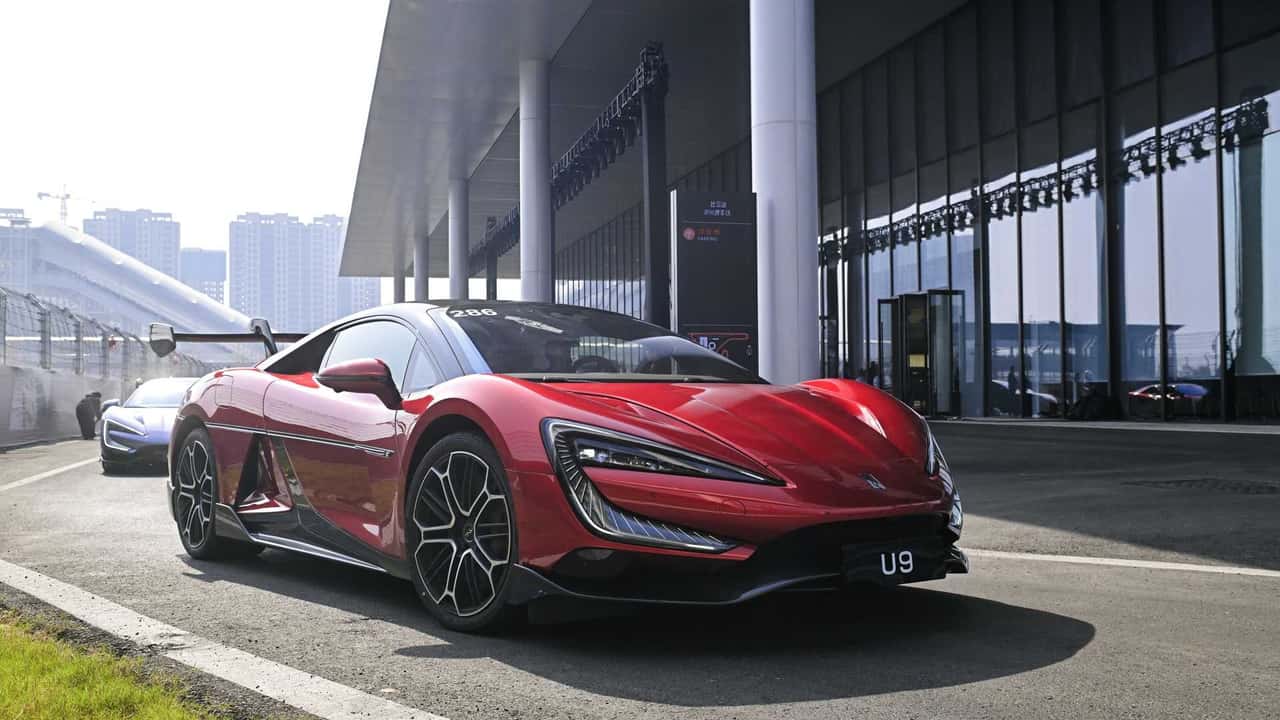
The Yangwang U9 Xtreme’s focus on the 300+ mph range differentiates it from the "stoplight racers" of the EV world. It challenges the notion that electric cars are only good for short bursts of speed. Furthermore, the U9 Xtreme serves as a direct challenge to the internal combustion engine’s final stronghold. If an EV can outpace the best that Bugatti has to offer, the argument for gasoline-powered hypercars becomes increasingly centered on emotion and sound rather than objective performance metrics.
Looking Ahead to November
The upcoming attempt in November will likely take place at a specialized high-speed testing facility, possibly in China or Europe, where long enough straights exist to allow for the miles of acceleration and braking required. The automotive world will be watching closely to see if the data-driven optimism of Stella Li and Marc Basseng translates into a new world record.
The logistical challenges of such a run are immense. Weather conditions, including wind speed and ambient temperature, must be perfect. The pavement must be inspected for even the smallest pebbles, which could become lethal projectiles at 310 mph. Despite these risks, BYD’s determination to beat its own record suggests a high level of confidence in the U9 Xtreme’s platform.
Regardless of the outcome in November, the Yangwang U9 Xtreme has already achieved its primary goal: it has forced the world to acknowledge that the future of extreme performance is electric, and that the new center of automotive innovation has shifted significantly toward the East. If the 500 km/h barrier falls, it will mark the beginning of a new chapter in automotive history, where the limits of speed are defined not by the explosion of fuel, but by the flow of electrons.