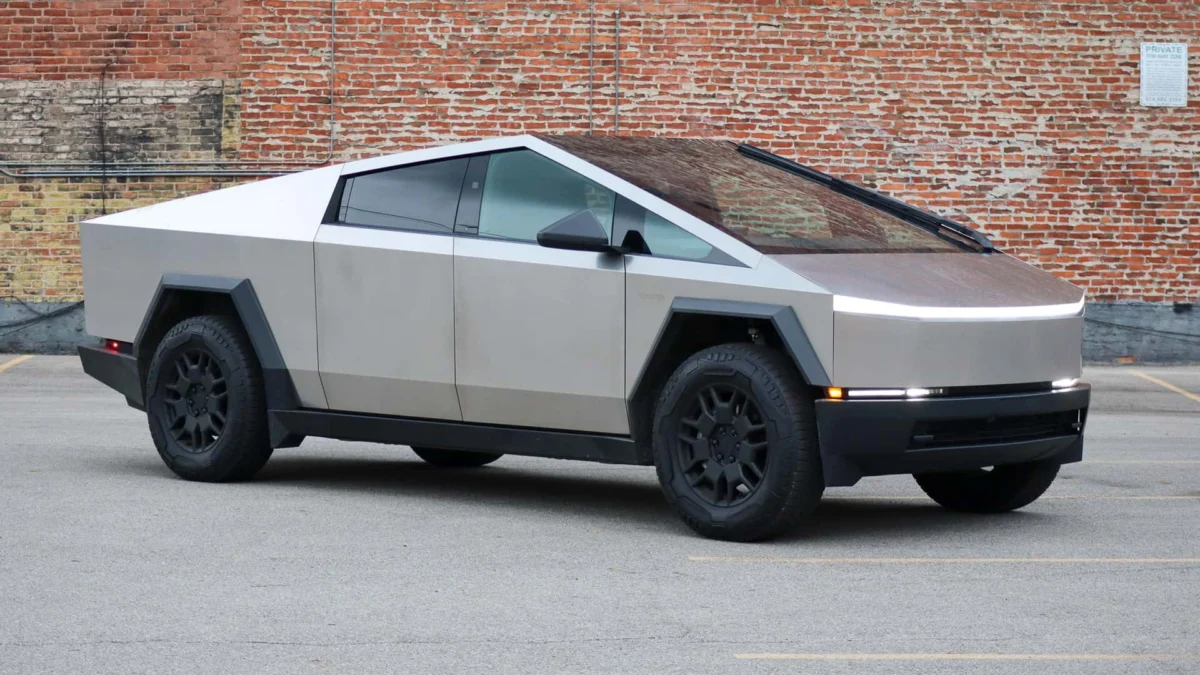
The automotive secondary market often defies conventional wisdom, and October’s sales data provided a striking example of this volatility. While industry stalwarts like the Toyota Tacoma and high-efficiency models such as the Ford Maverick Hybrid have long dominated the used truck segment due to their perceived reliability and value retention, a new study by iSeeCars reveals that the Tesla Cybertruck claimed the top spot as the fastest-selling used pickup truck in the United States.
The report, which analyzed 1.1 million used vehicle transactions, found that the Cybertruck reached its buyer in an average of 39.1 days. This performance stands in stark contrast to the broader used pickup market, where the average vehicle takes 65.5 days to move from listing to sale. This unexpected velocity in the secondary market suggests that, despite a tumultuous history of production delays, recall notices, and shifting pricing strategies, consumer demand for the polarizing electric truck remains significantly higher than that of its competitors.
A Comparative Analysis of Market Velocity
The iSeeCars study focused on vehicles aged one to five years, providing a clear snapshot of how recent models are faring as they enter the pre-owned ecosystem. The data highlights a tiered hierarchy in the electric and hybrid truck space. Following the Cybertruck’s 39.1-day average, the Ford Maverick Hybrid secured the second position with an average of 43.3 days. The Rivian R1T followed closely at 45.2 days, with the Ford F-150 Lightning recording a 47.4-day average.
Perhaps most telling is the performance of the traditional market leader, the Toyota Tacoma, which landed in fifth position. The Tacoma has historically been the gold standard for resale value, yet its slower turnover in this specific window suggests a shift in buyer interest toward newer, more technologically advanced electric platforms.
At the other end of the spectrum, the Chevrolet Silverado EV struggled to find traction, with an average time-to-sale of 107.5 days. This 68-day discrepancy between the Cybertruck and the Silverado EV illustrates the extreme disparity in market sentiment even within the nascent electric truck category. Across the board, EVs as a segment averaged 46 days to sell—significantly faster than the 55-day average for hybrids and the 61-day average for internal combustion engine vehicles.
A Chronology of the Cybertruck Resale Market
The current speed at which the Cybertruck is selling represents a dramatic reversal from the market conditions observed throughout 2024. In May 2024, the vehicle was in the midst of a volatile "flipping" phase. Early adopters and speculators who had secured initial deliveries were listing their trucks for as much as $200,000, banking on the scarcity of the vehicle to command a premium. However, the market soon corrected itself, with many sellers forced to slash their asking prices by up to $30,000 as supply began to stabilize.
By December 2024, the momentum had stalled entirely. Reports indicated that used Cybertrucks were beginning to languish on dealer lots, with average days on market rising to 75 days. This buildup was largely attributed to a combination of high interest rates, the initial novelty of the vehicle wearing off, and a better-informed buyer base that was no longer willing to pay exorbitant markups over the original MSRP.
Confidence in the resale value was further shaken by trade-in data. By May 2025, the reality of depreciation had set in for many owners. A notable example involved a dual-motor Foundation Series truck—originally purchased for $99,990—which received a trade-in offer of just $65,400 after only 6,211 miles of use. This represented a depreciation of approximately 35% in less than a year, a figure that caused significant alarm among investors and owners alike.
The Impact of Production Sunsetting
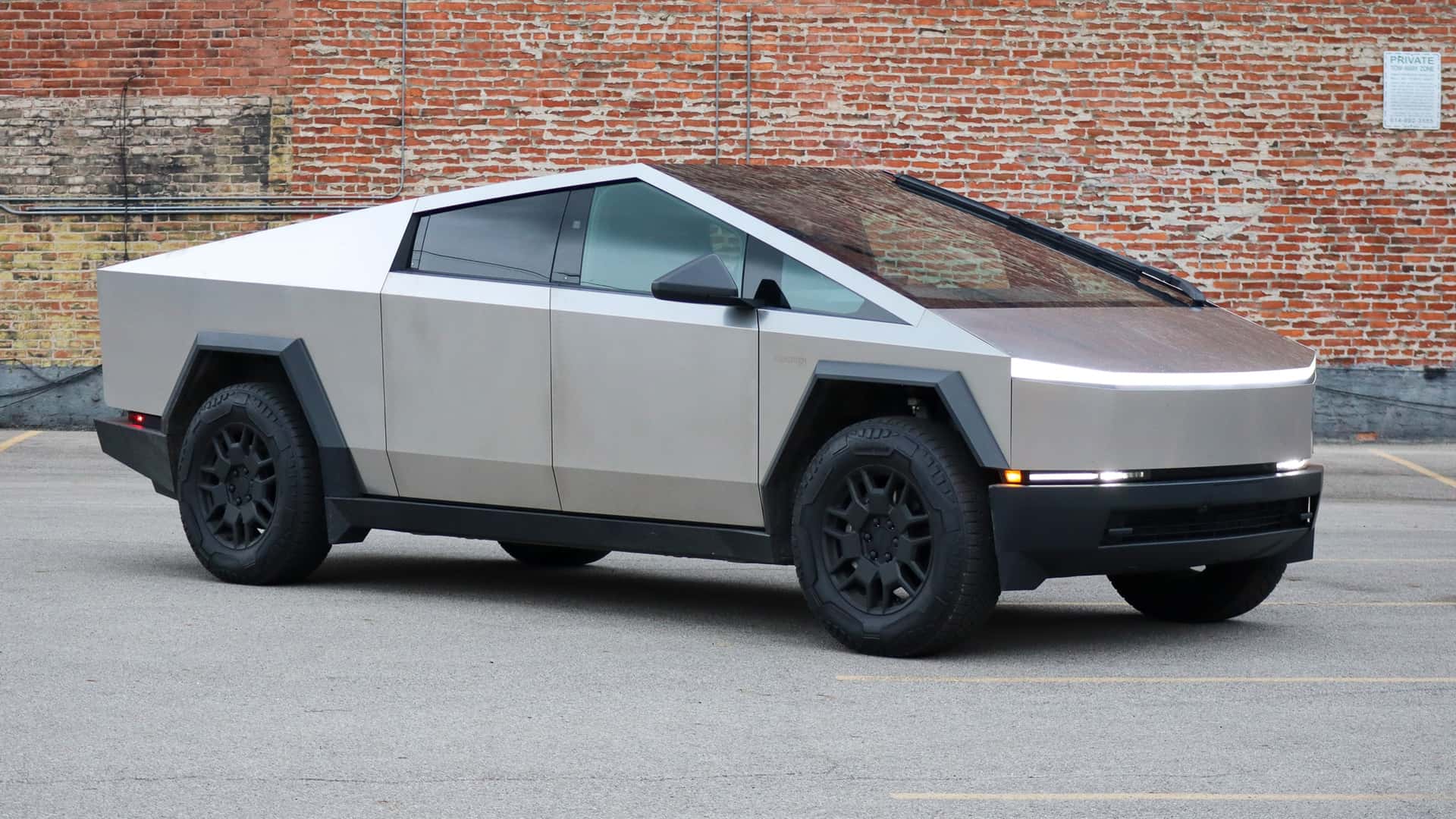
The most significant variable currently influencing the Cybertruck market is the official announcement that Tesla will discontinue production in the summer of 2027. While Elon Musk had initially signaled a mid-year exit, the extension of the production run indicates that Tesla is working to fulfill a backlog of orders while preparing to transition its manufacturing resources toward other projects, such as the dedicated Robotaxi platform.
This "end-of-life" announcement has already begun to reshape buyer psychology. Currently, consumers seeking a new Cybertruck are limited to the high-end, $110,000 tri-motor "Cyberbeast" configuration. For those desiring the more affordable dual-motor powertrain, the used market is the only remaining avenue.
Analysts suggest that as the production deadline approaches, the secondary market will likely bifurcate. Collectors and enthusiasts may begin to treat low-mileage "Foundation Series" examples as modern classics, potentially driving prices upward. Conversely, utility-focused buyers—those who require a truck for towing or construction—are expected to prioritize mechanical health, battery warranty status, and condition over the vehicle’s status as a limited-production collector’s item.
Market Implications and Future Outlook
The fact that the Cybertruck leads the market in turnover speed despite its high price point and well-documented depreciation issues suggests a "pent-up demand" phenomenon. Buyers who were previously priced out by the exorbitant markups of 2024 may now be entering the market as prices have normalized, viewing the current, lower price points as an opportunity to acquire a vehicle that was once considered unattainable.
However, the lack of transparency regarding actual transaction prices in the iSeeCars study leaves a crucial gap in the narrative. While the trucks are selling quickly, it remains unclear whether these sales are occurring at the seller’s original list price or if the "fast" sale is a result of aggressive price cutting by sellers eager to exit their positions.
Furthermore, the broader market for electric trucks remains in its infancy. As legacy automakers like Ford and Chevrolet refine their offerings and as the initial enthusiasm for the Cybertruck’s unique design language is replaced by a focus on long-term ownership costs, the "fastest-selling" title may be short-lived.
The Role of Utility and Battery Warranty
For the average consumer, the longevity of the battery system remains the primary concern for any used electric vehicle purchase. Unlike traditional internal combustion trucks, where high mileage is often seen as a testament to the engine’s durability, the value of a used electric pickup is intrinsically tied to the state of health (SoH) of its battery pack.
As more Cybertrucks enter the used market, Tesla’s warranty policies will likely become the most significant factor in maintaining secondary market value. If buyers perceive that a used Cybertruck carries a significant risk of expensive battery replacement, the "days-on-market" figure is likely to climb regardless of the vehicle’s rarity or design appeal.
Ultimately, the Cybertruck’s performance in October serves as a reminder that the electric vehicle market is not a monolith. While it shares the "truck" label with the Silverado EV and the F-150 Lightning, its consumer base is driven by a unique set of motivations that blend tech-savviness, brand loyalty, and, increasingly, the pragmatic desire to own a piece of automotive history before the production line goes dark in 2027. Whether this momentum can be sustained in the long term remains a question that only the shifting sands of the secondary market can answer.