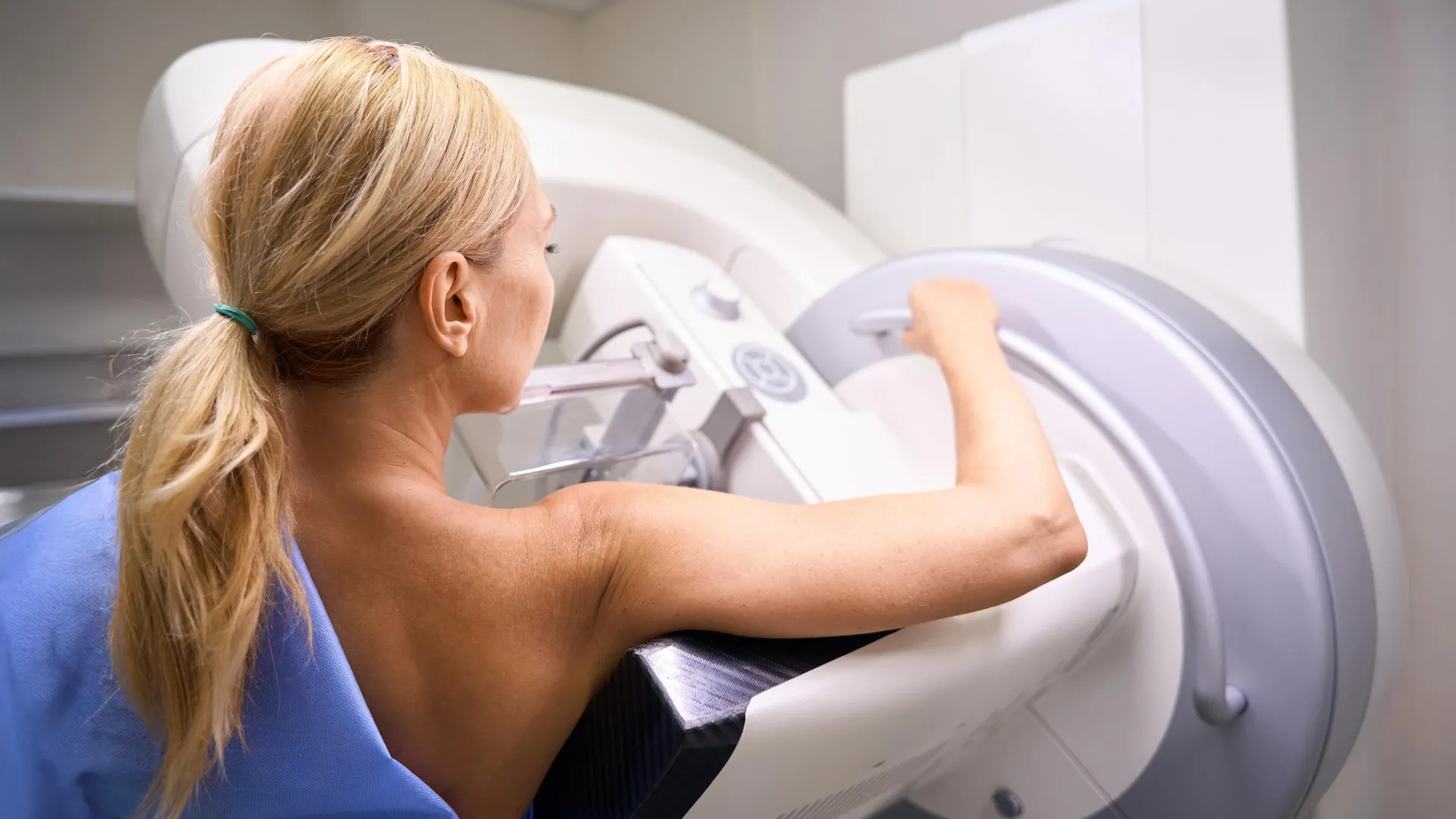
For decades, public health discussions surrounding breast cancer screening programs have wrestled with a complex and troubling paradox: the very technology designed to save lives can sometimes detect abnormalities that pose no actual threat to a patient’s health. This phenomenon, known as overdiagnosis, occurs when mammography identifies slow-growing or dormant cancers that would never have produced symptoms, metastasized, or shortened a woman’s life had they been left undiscovered. Because a diagnosis inevitably leads to treatment—often involving surgery, radiation, or pharmaceutical therapies—overdiagnosis has long been cited as a primary drawback of population-wide screening initiatives.
Now, a comprehensive new international study published by a team of leading epidemiologists and researchers is upending conventional wisdom on the subject. By reanalyzing historical randomized controlled trials and comparing them with robust, contemporary real-world data from Denmark, the research team has concluded that the true rate of overdiagnosis is dramatically lower than previously feared. While past estimates from randomized trials frequently ranged between 30% and 50%, the new analysis suggests that the actual rate of overdiagnosis is likely below 5%.
This striking reassessment promises to reshape international screening guidelines, influence how public health authorities communicate with patients, and alter the risk-benefit calculus for millions of women weighing whether to participate in mammography programs.
Reassessing Decades of Clinical Data
To arrive at these findings, the research team—led by prominent figures including Professor Sisse Helle Njor of the University of Southern Denmark and Lillebælt Hospital, Professor Emerita Elsebeth Lynge of the University of Copenhagen, and Senior Epidemiologist Matejka Rebolj of Queen Mary University of London—undertook a rigorous re-examination of the foundational data underpinning modern mammography.
The researchers pooled and reanalyzed results from all eight major randomized controlled trials ever conducted on mammography screening. This historic body of research includes the New York Health Insurance Plan trial, the Malmö trial, the Two-County trial in Sweden, the Edinburgh trial, the Canadian National Breast Screening Study, the Stockholm trial, the Gothenburg trial, and the UK Age trial. Together, these studies have formed the bedrock of international breast cancer screening policy since the late 20th century.
However, according to the new study, the high rates of overdiagnosis historically derived from these trials were largely artifacts of immature data and methodological oversight. When these historical trials were originally evaluated, researchers often failed to account for complex temporal dynamics—specifically, how the introduction of screening shifts the timing of cancer diagnoses.
"When screening is introduced, the number of breast cancer diagnoses initially rises because cancers are detected earlier than they would have been without screening," explained Elsebeth Lynge. "Over time, this should be followed by a drop, as some of these cancers would otherwise have been diagnosed later. This pattern can also be affected if women in either group continue to undergo screening after the trials had ended, which was common. If researchers do not take these factors into account, the initial increase can be mistaken for overdiagnosis."
By failing to wait for the expected decline in diagnoses to materialize as trial cohorts aged—or by allowing control groups to eventually access screening outside the parameters of the study—early analysts frequently misinterpreted the temporary surge in early detection as permanent overdiagnosis. When the research team adjusted for these critical temporal factors, the data told a radically different story.
The Danish Reference Model
To ground their theoretical reanalysis in real-world observations, the researchers utilized Denmark as an epidemiological benchmark. Denmark offered an ideal natural experiment because organized, population-based breast cancer screening was rolled out regionally at staggered intervals, with some areas initiating programs up to 17 years before others.
This staggered introduction provided a unique window into the longitudinal behavior of breast cancer incidence rates. By tracking how diagnoses evolved immediately following the introduction of screening and mapping their trajectory over subsequent decades, researchers could observe the natural lifecycle of screening implementation without the confounding variables that plagued 20th-century clinical trials.
When the team compared breast cancer incidence patterns from the historical randomized trials against matching points in time within Denmark’s modern, routine screening programs, the two datasets aligned remarkably well. The additional breast cancer cases detected in the controlled trials closely mirrored the patterns observed in Denmark, where the true rate of screening-associated overdiagnosis is empirically calculated to be under 5%.
"Taken together, we believe some previous high estimates of overdiagnosis, which influenced screening guidelines and communication, were based on evidence before trial data had fully matured," Matejka Rebolj noted. "When interpreted in their full temporal context, randomized trial data are consistent with overdiagnosis of less than five percent, rather than with estimates nearing 50%."
Defining the Scope and Nature of Overdiagnosis
To understand the weight of these findings, it is necessary to examine what overdiagnosis entails and why it has occupied such a prominent role in medical ethics and oncology.
Overdiagnosis primarily manifests in two ways. First, it involves histological abnormalities—such as ductal carcinoma in situ (DCIS) or small, low-grade invasive tumors—that possess biological characteristics rendering them entirely benign or indolent over the course of a patient’s natural lifespan. Without a mammogram, the patient would live out her life completely unaware of the lesion’s presence, dying of entirely unrelated causes.
Second, the definition can encompass cases where a patient is diagnosed with breast cancer shortly before passing away from an unrelated, life-limiting condition or advanced age. In such scenarios, the detection of a slow-growing cancer offers no clinical benefit, as the patient’s overall health precludes aggressive intervention or limits life expectancy to the point where treatment yields no net gain in quality or quantity of life.
Historically, fear of overdiagnosis led to considerable anxiety among public health advocates, who worried that widespread screening programs were subjecting healthy women to the physical, psychological, and financial tolls of unnecessary treatments like mastectomies, lumpectomies, radiation therapy, and endocrine treatments. These concerns frequently surfaced in health policy debates, sometimes creating public hesitancy and leading certain women to opt out of routine mammograms.
Broader Impact and Implications for Public Health
The publication of this study is expected to significantly influence the global medical community, providing a standardized framework for interpreting screening data and structuring patient communications.
For decades, clinicians counseling patients on the pros and cons of mammography have felt obligated to present high overdiagnosis estimates—sometimes warning women that as many as one in three detected cancers might be harmless. This messaging, while intended to ensure informed consent, frequently created confusion and undue apprehension.
With the new analysis demonstrating that true overdiagnosis sits comfortably below 5%, the risk-benefit equation shifts decisively in favor of early detection.
"Most women will not develop breast cancer, but with this study we can now be reassured that the benefits of detecting breast cancer early and preventing premature death will outweigh the small risk of unnecessary treatment," Sisse Helle Njor emphasized. "With this in mind, we hope this study will provide a framework for a more realistic interpretation of the evidence and help us better inform women when they are invited for screening."
Public health organizations and cancer charities are already reviewing the implications of the research. By clearing away decades of methodological distortion, the findings offer a clearer, more scientifically robust narrative that can be integrated into national screening invitation letters, clinical guidelines, and educational campaigns.
Acknowledgments and Financial Support
The rigorous reanalysis of these complex epidemiological datasets was made possible through dedicated research grants from prominent scientific foundations. Lead contributors to the work received targeted backing to ensure the thorough examination of historical trial archives and contemporary registries. Casper Urth Pedersen’s contributions were supported by the Novo Nordisk Foundation under reference number NNF22OC0076184, while Matejka Rebolj received support from Cancer Research UK under reference number C8162/A29083.
As healthcare systems worldwide continue to refine their approach to cancer prevention, this definitive study marks a major milestone in resolving a decades-old controversy, offering renewed confidence in the life-saving value of mammography screening.