The surging global demand for localized, high-quality intellectual property has reached a fever pitch, driven largely by the massive success of Spanish-language literary adaptations on platforms like Prime Video. Following the international triumph of Mercedes Ron’s Fault trilogy and her recently launched Drawn Together, the industry is pivoting toward a more systematic approach to talent scouting. This evolution has culminated in the "Literary Works Pitch for Audiovisual Adaptation," a specialized initiative held during the sixth edition of Iberseries & Platino Industria in Madrid, running from September 29 to October 2.
A New Conduit for Global IP
The initiative, spearheaded by Iberseries & Platino Industria in strategic partnership with the Federation of Publishers Guilds of Spain (FGEE), is designed to function as a high-level matchmaking hub. By connecting publishers and literary agencies directly with production companies, streamers, and network executives, the event addresses a chronic challenge in the entertainment sector: the difficulty of identifying high-potential stories within the vast, fragmented landscape of the Spanish-language book market.
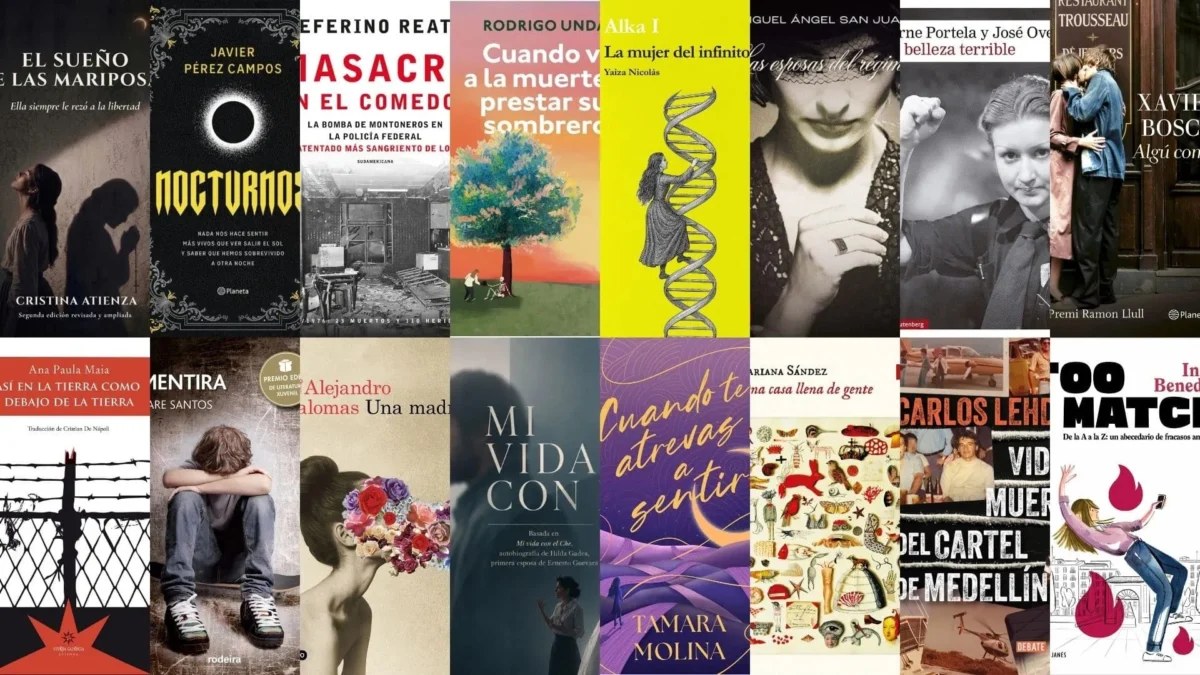
For streamers seeking to replicate the "local-to-global" success of projects like Money Heist or Elite, the initiative offers a curated pipeline. The organizers have selected 14 works from Spain and Mexico, along with representative entries from Germany and Argentina. These projects represent a broad spectrum of genres, ranging from historical biopics and true-crime investigations to speculative thrillers and intimate character dramas.
The Landscape of Selected Projects
The following selection represents the diversity of the 15 projects currently under review by industry professionals in Madrid:
- Contemporary Drama and Romance: Xavier Bosch’s Alguien como tú offers a sophisticated, cross-border narrative involving a clandestine affair between Barcelona and Paris. Similarly, Cuando te atrevas a sentir by Tamara Molina presents a character-driven study of two individuals struggling with the disconnect between professional success and personal fulfillment. For a more modern, urban sensibility, Inma Benedito’s Too Match provides a poignant, albeit less glamorous, look at the complexities of modern dating.
- Speculative Fiction and Thrillers: Yaiza Nicolás explores high-concept science fiction in Alka I. La mujer del infinito, a multi-generational saga centered on a substance that defies aging. Meanwhile, Ana Paula Maia’s Así en la tierra como debajo de la tierra takes a darker turn, presenting a harrowing vision of a remote Brazilian penal colony. Rodrigo Unda’s Cuando vi a la muerte prestar su sombrero adds a fantastical layer, focusing on the humanization of "The Fates."
- Historical and Biographical Narratives: The list includes several heavy-hitting historical works. Ceferino Reato’s Masacre en el comedor provides a chilling, investigative account of 1970s Argentine political violence. Miguel Ángel San Juan’s Las esposas del régimen examines the intersection of modern mystery and historical resistance to the Franco dictatorship. Notably, Mi vida con él by Hilda Gadea offers an intimate, memoir-based look at the life of Ernesto "Che" Guevara, a project that has already gained significant momentum with film development underway.
- Graphic and Experimental Literature: Laura Pérez’s Nocturnos represents the visual arts, leveraging the author’s Emmy-nominated expertise in title design to create a dreamlike exploration of the night.
Industry Context and Strategic Implications
The push for Spanish-language content is not merely a trend; it is a calculated response to shifting consumption patterns. According to recent data from industry analysts, non-English language content now accounts for nearly 40% of global streaming hours, a figure that has grown exponentially over the last five years.
"The objective is to shorten the distance between the printed page and the screen," noted an Iberseries representative during the opening sessions. "Publishers have historically struggled to navigate the complex rights acquisition processes of major streamers, and conversely, streamers have struggled to find reliable, pre-vetted intellectual property that resonates with diverse audiences."
By facilitating these meetings in Madrid, the FGEE is positioning the Spanish publishing industry as a primary supplier for the global audiovisual market. This has significant implications for creators. Authors who might have previously only enjoyed regional success now have a direct line to platforms with reach in over 190 countries.
A Chronology of the Streaming Boom
- 2017: The international success of Money Heist (La Casa de Papel) signals that Spanish-language content can dominate global charts, forcing a major reassessment of non-English IP by US-based streamers.
- 2020-2022: The "Local Content" era matures. Platforms like Netflix, Prime Video, and Disney+ establish dedicated production hubs in Madrid and Mexico City.
- 2023: The success of the Fault trilogy proves that Young Adult (YA) fiction specifically holds massive cross-border appeal, leading to a scramble for similar literary properties.
- 2024: The "Literary Works Pitch" initiative at Iberseries marks the transition from reactive buying to a proactive, industry-wide strategy to cultivate IP specifically for the screen.
Critical Analysis: Why Now?
The success of Mercedes Ron—whose books were adapted into high-performing films—serves as the blueprint for this event. Her work resonated because it combined universal themes (romance, identity, conflict) with a specific cultural texture that felt authentic rather than manufactured.
The projects selected for the 2024 Madrid event appear to follow this rubric. Una Madre by Alejandro Palomas, for example, offers a classic, contained family drama that is highly efficient for production budgets, while Vida y muerte del cartel de Medellín by Carlos Lehder targets the proven global appetite for high-stakes true crime, similar to the enduring success of the Narcos franchise.
Future Outlook
As the event progresses through its final days, the focus will shift from presentation to deal-making. For the authors and agencies involved, the challenge will be retaining creative integrity while navigating the demands of large-scale production.
The industry’s reliance on established literary works serves as a risk-mitigation strategy. In an era where production costs are rising and competition for viewer attention is at an all-time high, a book that already has a dedicated readership—or a compelling, well-structured narrative arc—is viewed as a safer investment than an original screenplay.
As the Iberseries & Platino Industria concludes, the long-term impact of this initiative will likely be measured by the number of production greenlights issued for these 15 projects in the coming 18 to 24 months. If even a fraction of these titles make it to the screen, it will further solidify the Spanish-speaking world’s status as an indispensable powerhouse in the global entertainment ecosystem, proving that the next great global series may already be waiting on a bookstore shelf.