The decision to shutter physical classrooms in the Saudi capital was communicated abruptly to parents via email, mandating a full week of remote learning. While local authorities did not explicitly state the catalyst for the sudden closure, the directive arrives amid a sharp spike in hostilities across the Gulf. This includes persistent, near-daily drone and missile attacks targeting Saudi infrastructure, orchestrated by Iran-backed Houthi fighters operating out of neighboring Yemen. The educational disruption serves as a stark domestic reflection of a geopolitical flashpoint that has increasingly destabilized commercial networks, maritime trade routes, and international financial markets.
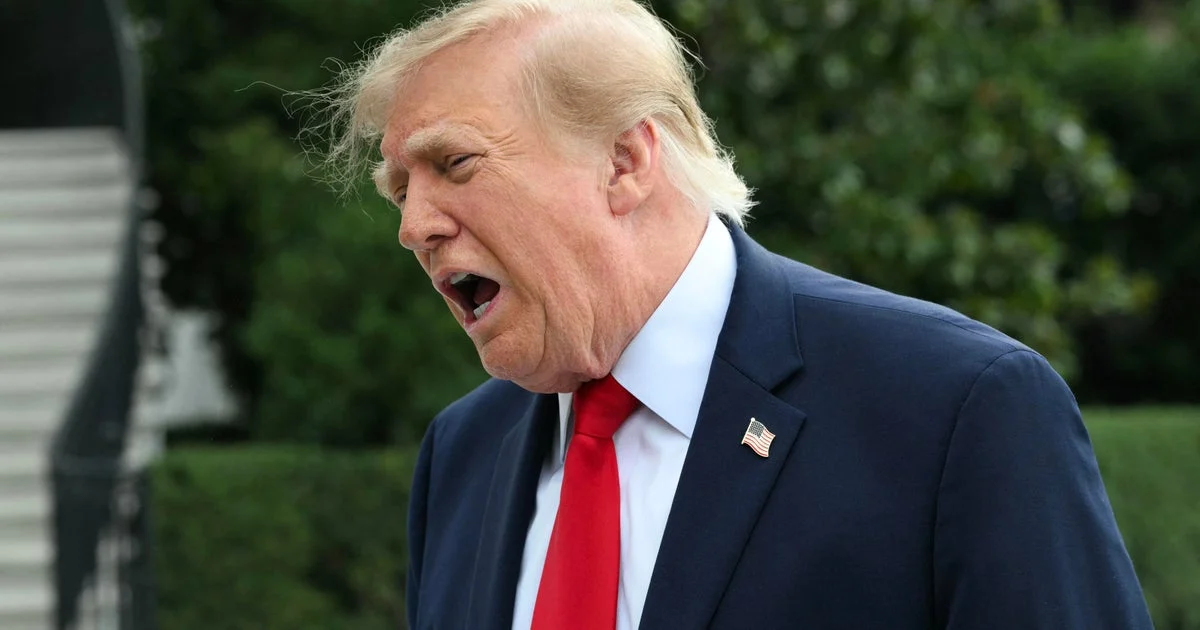
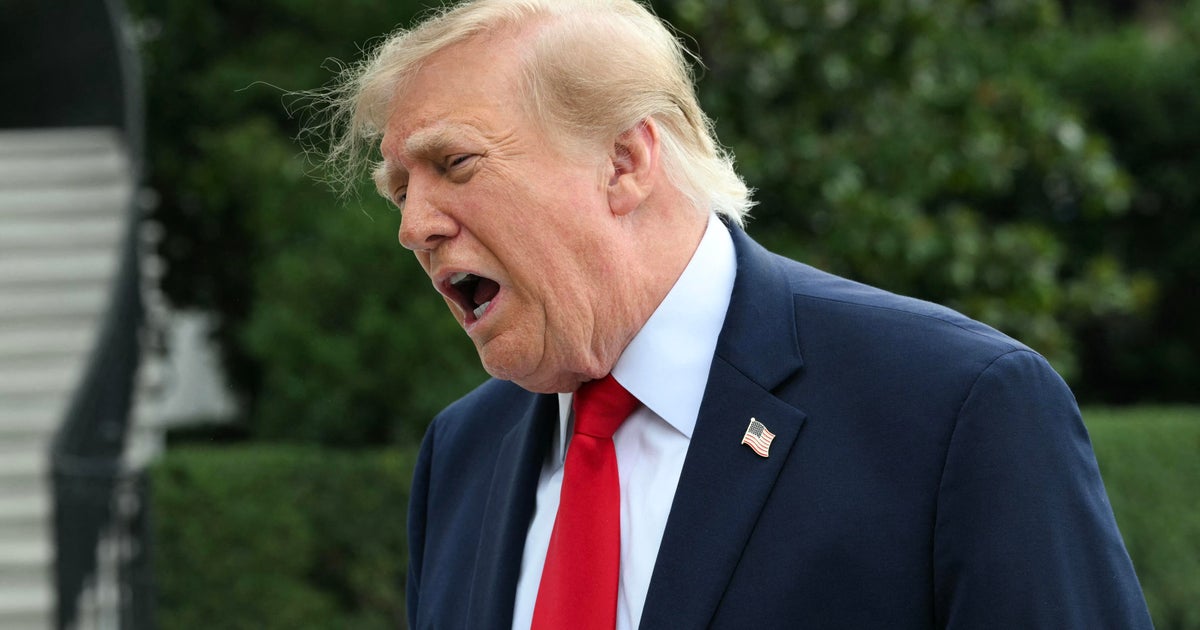
The regional volatility reached a fever pitch during the United Nations General Assembly in New York, where diplomatic efforts to resolve the protracted conflict collided with deeply entrenched geopolitical realities. Iran advanced a detailed proposal centered on reopening the vital Strait of Hormuz—a crucial artery for global petroleum transit—in exchange for a comprehensive seven-day ceasefire, the cessation of hostilities across multiple Middle East theaters including Lebanon, the lifting of U.S. naval blockades, and the unfreezing of Iranian economic assets. However, the initiative hit a wall when U.S. President Donald Trump publicly rejected the terms. Speaking to reporters ahead of a trip to Tennessee, Trump dismissed the proposal, claiming that Washington holds absolute leverage in the strategic waterway and noting that dozens of commercial vessels continue to safely exit the strait under active U.S. military escort.
The diplomatic standoff underscores the profound economic and military dimensions of the ongoing conflict, which officially reignited earlier this year. Treasury Secretary Scott Bessent announced aggressive measures under "Operation Economic Outcast," deploying global envoys to pressure international partners into strictly isolating Iran’s economy. These measures target the regime’s aviation and banking sectors. Major transit hubs, including the United Arab Emirates and Turkey, have moved to restrict or ban Iranian carriers, while countries like Iraq have faced severe domestic air traffic disruptions as they scramble to secure humanitarian exemptions from U.S. penalties that threaten violators with expulsion from the U.S. dollar financial system.
Simultaneously, the supply shock originating from the Persian Gulf has rippled outward, triggering widespread economic anxiety. Global crude benchmarks, such as Brent crude, have hovered near elevated thresholds, placing heavy strain on consumer purchasing power and stoking fears of stubborn inflation. In Europe, energy chiefs have formally warned of a cascading "price and supply crisis," urging member states to curtail energy consumption and safeguard dwindling reserves. Concurrently, major industrial consumers like China have faced direct diplomatic pressure from Washington, with U.S. officials maintaining that any indirect or direct assistance to Tehran remains utterly unacceptable.
The security architecture of the Arabian Peninsula has faced unprecedented strain not only from maritime disruptions in the Strait of Hormuz but also from the southern exit via the Bab el-Mandeb Strait. The Houthi militia’s maritime blockades and repeated missile strikes on Saudi territory have forced a severe military and diplomatic realignment. Last month, Saudi Arabia, Turkey, and Pakistan entered a landmark trilateral defense pact. Following recent Houthi strikes on Riyadh and southern airbases—attacks strongly condemned by the U.N. Security Council as threats to international peace and civilian safety—military chiefs from the allied nations convened to formulate coordinated countermeasures. Meanwhile, the humanitarian toll in Yemen has escalated dramatically, with tens of thousands displaced and local healthcare systems buckling under the weight of active combat along the Red Sea coast.
Amid the military posturing, international actors have attempted to carve pathways toward de-escalation. Qatari mediators have actively engaged Iranian leadership in New York to explore frameworks for renewing direct dialogue. Russia has also signaled its readiness to assist in stabilizing the wider Gulf architecture, even as Western intelligence reports point to persistent military-technological exchanges between Moscow and Tehran. Iranian President Masoud Pezeshkian maintained during high-level press briefings that Tehran remains genuinely open to sustained negotiations, offering concessions such as renewed access for international nuclear inspectors under a prospective peace agreement. However, with the U.S. administration maintaining a posture of uncompromising economic containment and military dominance, the immediate outlook remains precarious.
The convergence of remote learning mandates in Riyadh, intense diplomatic deadlock in New York, and sustained military engagements across the Gulf highlights the systemic fragility currently defining the region. As international markets prepare for critical inflation metrics driven by stifled energy supplies, and as regional populations shoulder the direct burdens of heightened security protocols and infrastructural threats, the trajectory of the Middle East crisis hinges on whether competitive military advantages can be successfully transitioned into durable political frameworks.