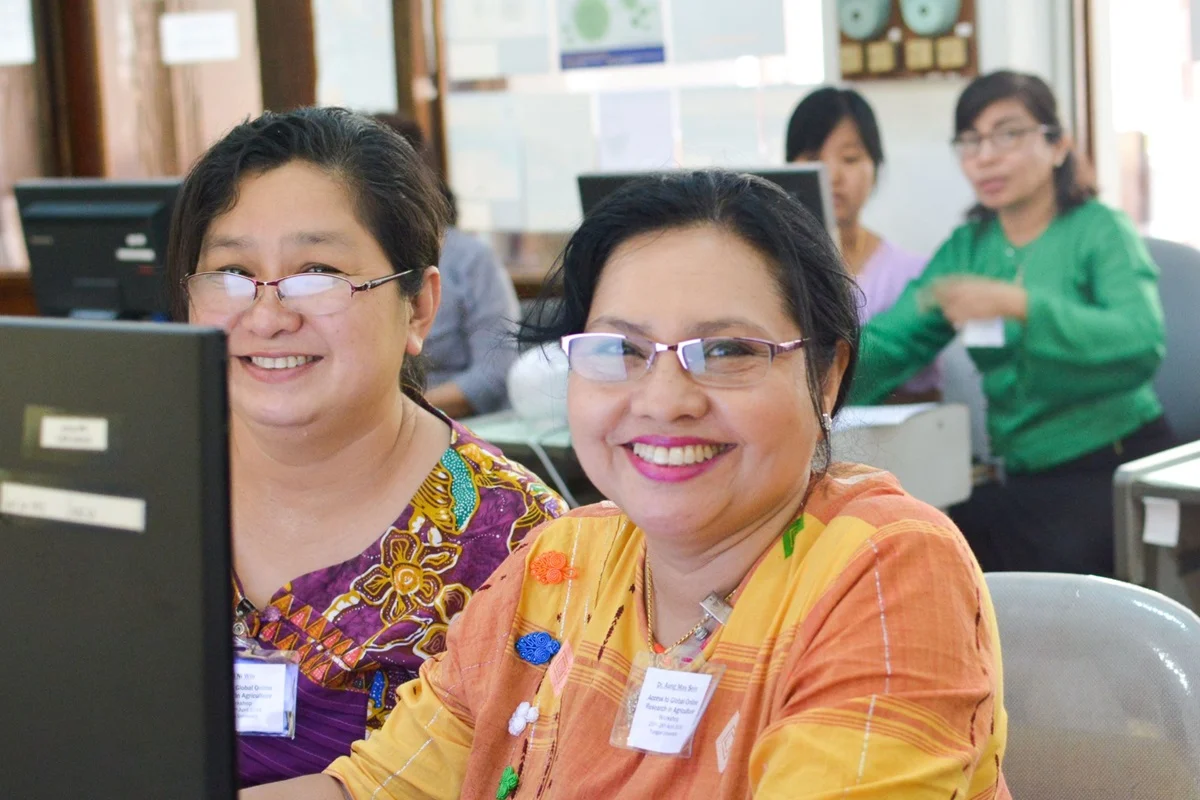
The World Health Organization (WHO) today celebrates a significant milestone: the 25th anniversary of Research4Life, a groundbreaking public-private partnership that has fundamentally reshaped access to vital scientific knowledge for researchers, educators, health professionals, and policymakers in low- and middle-income countries (LMICs). What began as a three-year pilot initiative in 2001, spearheaded by the WHO, has evolved into one of the world’s most extensive and enduring collaborations dedicated to ensuring equitable access to scientific research, impacting over 120 countries and transforming the landscape of global scientific inquiry.
A Quarter-Century of Empowering Global Research
For twenty-five years, Research4Life has been instrumental in dismantling barriers that have historically excluded a significant portion of the global scientific community from accessing the latest research findings, scholarly articles, and essential scientific literature. This initiative provides subsidized or free access to a vast repository of over 250,000 journals, books, and databases from leading international publishers and research organizations. This unparalleled access empowers institutions in LMICs to engage more fully in research, education, and evidence-based decision-making, thereby contributing to improved health outcomes and sustainable development worldwide.
The impact of Research4Life is quantifiable and profound. Independent studies have consistently highlighted the program’s success in democratizing knowledge. Research published has seen an increase of up to 75% in countries benefiting from the initiative. Furthermore, participation in international clinical trials has surged by more than 20%, indicating a greater integration of researchers from LMICs into the global scientific discourse. Notably, the program has also championed gender equity in research, with publication rates for women researchers increasing by as much as 30% in regions facing the most formidable obstacles to academic advancement.
Dr. Sylvie Briand, Chief Scientist at the World Health Organization, emphasized the transformative journey of Research4Life. "What began as an effort to close the knowledge gap in health has grown into a global movement for research equity," Dr. Briand stated. "For 25 years, Research4Life has helped ensure that researchers, educators, health professionals, and policymakers everywhere can access the evidence they need to improve lives and advance sustainable development." Her words underscore the initiative’s evolution from a targeted health-focused project to a broader movement advocating for universal research equity.
Genesis and Growth: A Collaborative Endeavor
The origins of Research4Life trace back to 2001, a period marked by a significant disparity in access to scientific information between developed and developing nations. Recognizing this critical gap, the WHO initiated a pilot program aimed at providing researchers in LMICs with access to crucial health research. The initial phase involved a modest six publishing partners, a stark contrast to the expansive network of collaborators today.
Over the ensuing decades, Research4Life has experienced remarkable growth, a testament to the collaborative spirit of its diverse partners. The initiative now boasts the participation of over 185 publishers and partner organizations, creating an unprecedented collective effort to disseminate scientific knowledge. This vast network provides access to an immense digital library, serving more than 12,000 institutions across the globe.
The expansion of Research4Life has not been limited to the sheer volume of accessible content. The program has also broadened its scope to foster active participation in the global research community. Through comprehensive training programs, dedicated publishing support, and the facilitation of collaborative initiatives, Research4Life equips researchers in LMICs with the essential skills, professional networks, and opportunities necessary to produce, publish, and disseminate high-quality scientific research. This holistic approach ensures that access to information translates into tangible research output and meaningful contributions to global scientific discourse.
Expanding Horizons: Beyond Access to Engagement
The success of Research4Life lies not only in its ability to provide access to an expansive library of scientific resources but also in its commitment to empowering researchers. The program understands that access alone is insufficient; it must be coupled with the capacity to effectively utilize, interpret, and contribute to the body of scientific knowledge.
Training and Capacity Building: A cornerstone of Research4Life’s strategy has been its robust training component. Recognizing that many researchers in LMICs may lack the experience or resources for advanced research methodologies, academic writing, or navigating the publication process, the initiative offers a suite of training modules. These modules cover a wide range of topics, from basic research skills and literature review techniques to advanced statistical analysis, ethical considerations in research, and effective manuscript preparation for peer-reviewed journals. These training programs are often delivered online, making them accessible to a broad audience and overcoming geographical limitations.
Publishing Support and Mentorship: The journey from research completion to publication can be arduous, especially for those unfamiliar with the intricacies of academic publishing. Research4Life provides crucial support in this area, offering guidance on selecting appropriate journals, understanding submission guidelines, and responding to reviewer feedback. In some cases, mentorship programs connect early-career researchers with experienced academics who can offer personalized advice and support throughout the publication process. This assistance is vital in increasing the visibility of research originating from LMICs and integrating it into the global scientific record.
Fostering Collaboration and Networks: Science is increasingly a collaborative endeavor, and Research4Life actively works to build bridges between researchers worldwide. By facilitating access to a common pool of knowledge and providing platforms for engagement, the initiative helps researchers in LMICs connect with peers, mentors, and potential collaborators in both their own regions and globally. These connections are invaluable for sharing ideas, undertaking joint research projects, and staying abreast of the latest developments in their respective fields.
Adapting to a Dynamic Research Landscape: The 2030 Strategy
As the global research landscape continues to evolve, Research4Life remains committed to adapting and innovating. The initiative’s 2030 Strategy outlines a forward-looking vision for continued impact and growth. While open science has undeniably improved access to research, new challenges have emerged. Article processing charges (APCs) and other associated costs continue to pose significant financial barriers for many researchers in LMICs, hindering their ability to disseminate their findings.
The 2030 Strategy aims to address these evolving challenges by advocating for policies that promote equitable dissemination of research and exploring sustainable funding models. The goal is to ensure that scientific knowledge remains a global public good, accessible and beneficial to all, and that researchers everywhere can both contribute to and benefit from it. This strategic foresight is crucial for maintaining Research4Life’s relevance and effectiveness in the years to come.
A Coalition of Champions: Partners and Supporters
The success of Research4Life is a direct result of the sustained commitment and collaboration of its numerous partners. The World Health Organization (WHO) serves as a foundational supporter, providing leadership and strategic direction. The World Intellectual Property Organization (WIPO) plays a crucial role in intellectual property aspects and facilitating access. Other key United Nations agencies, including the Food and Agriculture Organization of the United Nations (FAO), the International Labour Organization (ILO), and the United Nations Environment Programme (UNEP), contribute by ensuring access to research relevant to their respective mandates.
Academic institutions such as Cornell University and Yale University lend their expertise and resources, reinforcing the program’s educational and research capacity-building efforts. The International Association of Scientific, Technical, and Medical Publishers (STM) represents a significant bloc of publishing partners, demonstrating the industry’s commitment to research equity. Hundreds of individual publishing partners, whose collective contributions form the backbone of the accessible content library, are indispensable to the initiative’s operation.
The 25th-anniversary commemoration is being marked with a Research4Life Partners Meeting, hosted by WIPO. This gathering provides a critical platform for members to reflect on the partnership’s remarkable achievements over the past quarter-century and to collectively shape the priorities and strategies for the Research4Life 2030 agenda. This collaborative foresight ensures that the initiative remains responsive to the evolving needs of the global research community.
The WHO expressed its profound gratitude to all partners, past and present, whose unwavering commitment has transformed a visionary initiative into a lasting global movement. Their collective efforts continue to strengthen research capacity, advance research equity, and translate knowledge into tangible improvements in health and sustainable development across the world.
Broader Implications for Global Development
The impact of Research4Life extends far beyond academic circles; it has profound implications for global health, economic development, and societal well-being. By empowering researchers in LMICs, the initiative contributes directly to:
- Improved Public Health: Access to the latest medical research enables healthcare professionals and policymakers to implement evidence-based interventions, develop more effective treatment protocols, and respond more adeptly to public health emergencies. This can lead to reduced disease burden, lower mortality rates, and improved overall health outcomes.
- Economic Growth and Innovation: A robust research ecosystem fosters innovation and technological advancement, which are critical drivers of economic growth. Researchers in LMICs can leverage new knowledge to develop local solutions to pressing challenges, create new industries, and enhance competitiveness in the global marketplace.
- Informed Policy-Making: Evidence-based policymaking is essential for effective governance. Research4Life provides policymakers with access to the data and analysis needed to make informed decisions on a wide range of issues, from environmental protection and agricultural practices to social welfare and economic development strategies.
- Reduced Global Inequalities: By leveling the playing field in terms of access to scientific knowledge, Research4Life actively works to reduce global inequalities. It empowers individuals and institutions in LMICs to participate more fully in the global knowledge economy, fostering a more inclusive and equitable world.
- Addressing Global Challenges: The most pressing challenges facing humanity, such as climate change, pandemics, and poverty, require a collective, global response. Research4Life ensures that the brightest minds, regardless of their geographical location or economic status, have the tools they need to contribute to finding and implementing solutions.
As the world grapples with complex and interconnected issues, the role of accessible, high-quality scientific research has never been more critical. Research4Life stands as a beacon of hope and a powerful testament to what can be achieved when organizations and individuals unite with a shared vision of a world where knowledge knows no boundaries. The journey of the past 25 years has been transformative, and the road ahead, guided by the 2030 Strategy, promises even greater achievements in fostering research equity and advancing global progress.
About WHO
The World Health Organization (WHO) is dedicated to the well-being of all people and is guided by science. It leads and champions global efforts to give everyone, everywhere, an equal chance at a safe and healthy life. As the United Nations’ agency for health, WHO connects nations, partners, and people in more than 150 locations. It leads the world’s response to health emergencies, prevents disease, addresses the root causes of health issues, and expands access to medicines and healthcare. The organization’s mission is to support all countries in promoting, providing, and protecting health. The theme "Together for health. Stand with science," associated with World Health Day 2026, marks a year-long campaign to highlight science as the foundation for protecting health and well-being worldwide.