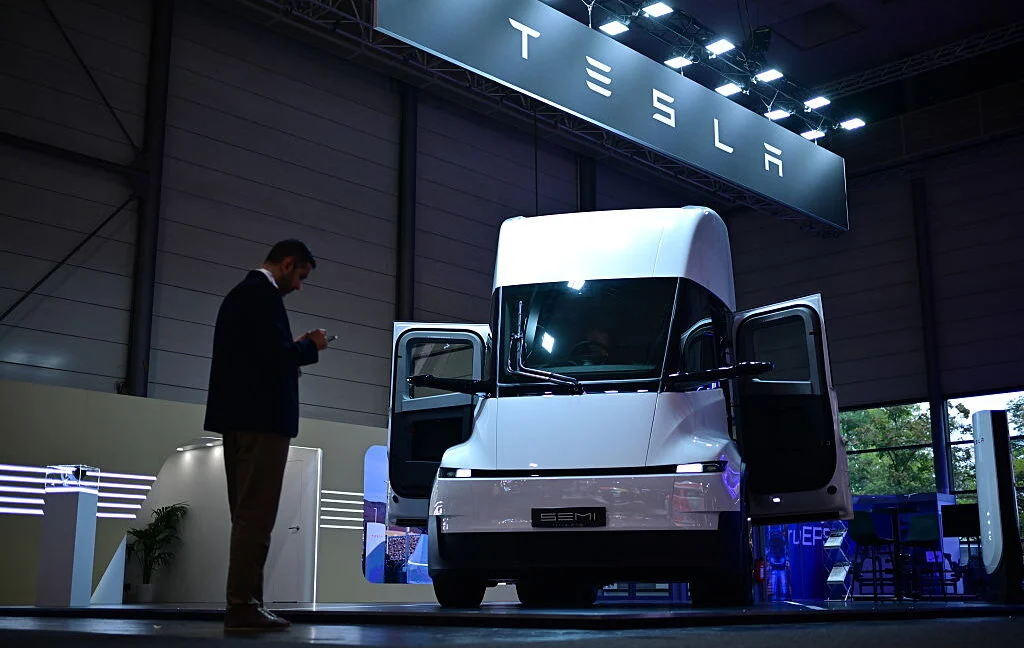
The transportation and logistics sector is currently navigating a period of profound transformation, characterized by the aggressive adoption of electric heavy-duty vehicles in the face of historically high fuel prices and a complex, often contradictory, regulatory environment. This week, a significant milestone was reached as a coalition of major corporate shippers—including industry titans Microsoft and PepsiCo—formalized a record-setting order for 2,500 Tesla Semis. This procurement initiative, slated for fulfillment over the next 18 months, represents a potential doubling of the current population of heavy-duty electric trucks (HDETs) operating on United States roadways.
This development occurs against a backdrop of geopolitical instability in the Middle East, where the ongoing Iran conflict has severely disrupted global oil production and maritime logistics. With diesel prices reaching unprecedented peaks, the economic imperative for fleet electrification has transcended environmental policy, shifting toward a fundamental necessity for operational cost mitigation. While the administration previously instrumental in securing Elon Musk’s political support has simultaneously moved to curtail federal subsidies for electric vehicles (EVs) and roll back stringent fuel economy standards for combustion-engine trucks, the market is demonstrating a distinct move toward electrification driven by bottom-line pressures.
The Economic Case for Electrification
The primary driver behind the surge in Tesla Semi orders is the widening price gap between fossil fuels and electricity. Diesel, which serves as the lifeblood of the global supply chain, has seen its price per gallon nearly double compared to the same period last year. For heavy-duty logistics, where fuel represents one of the largest operating expenses, this volatility has rendered the total cost of ownership (TCO) for electric trucks increasingly attractive.
In a pre-taped address regarding the new order, Elon Musk highlighted the pragmatic shift within the logistics industry. "The truck is going to make a ton of sense economically because the cost of electricity is much less than the cost of diesel, especially in these crazy times," Musk noted. This statement acknowledges the irony of the current situation: the very administration that has sought to distance itself from clean energy incentives has inadvertently created an environment where economic necessity is forcing a faster transition to EVs than legislative mandates might have achieved alone.
Regulatory Tensions and Industry Challenges
The U.S. regulatory landscape remains a significant point of friction. Last year, the Trump administration and its GOP allies oversaw the elimination of billions of dollars in federal support for electric vehicle infrastructure and manufacturing incentives. Furthermore, the administration has signaled its intent to lower fuel economy standards for heavy-duty truck engines. This policy shift is particularly significant given that heavy-duty trucks account for approximately 7 percent of total U.S. greenhouse gas emissions.
Climate advocates argue that rolling back these standards removes the necessary pressure on manufacturers to innovate. Conversely, proponents of the deregulation argue that it provides relief to manufacturers facing high compliance costs. Despite these policy shifts, the private sector’s commitment to the Tesla Semi suggests that corporate sustainability goals and long-term economic hedging against fuel volatility are overriding federal policy uncertainty.
Chronology of the Tesla Semi Development
The journey of the Tesla Semi has been marked by ambitious timelines and technological hurdles.
- November 2017: Tesla officially unveils the Semi, promising a 500-mile range and the integration of Enhanced Autopilot.
- 2018–2021: Production is repeatedly delayed due to battery supply chain constraints and the prioritization of passenger vehicle manufacturing.
- December 2022: Initial deliveries commence, with PepsiCo becoming the first major corporate partner to deploy the trucks for regional hauling.
- 2023: The administration pivots toward scaling back EV support, creating a challenging legislative climate for emerging technology.
- 2024: The current coalition of shippers, including Microsoft and PepsiCo, announces the record order of 2,500 units, signaling a transition from pilot programs to full-scale fleet integration.
The Role of Procurement Alliances
The recent order was facilitated by an alliance of carriers who pooled their demand to negotiate favorable pricing and supply chain guarantees. By aggregating their purchasing power, these companies were able to de-risk the investment for both themselves and the manufacturer. Meena Bibra, a spokesperson for the nonprofit Smart Freight Centre, emphasized that the decision-making process was rigorous.
"The group selected Tesla trucks over competitors after assessing price, performance, production capability, and service support," Bibra stated. However, she noted that the landscape is not a monopoly. The market remains competitive, with established manufacturers such as Kenworth, Volvo, and startup entities like Ride offering alternative electric solutions. Companies are tailoring their procurement to match their existing service infrastructure, suggesting that the future of heavy-duty transport will likely be a multi-vendor ecosystem rather than a singular platform.
Technological Prospects: The Autonomy Question
While the Semi is making strides in hardware, software integration remains a point of intense scrutiny. Tesla’s proprietary driver-assistance suite, Full Self-Driving (Supervised), is not currently available for the Semi. While Musk has indicated that this capability is expected in the "very near future," the industry remains cautious. The original 2017 launch promise included Enhanced Autopilot, but the technical challenges of managing 80,000-pound vehicles in autonomous modes are significantly more complex than those associated with passenger cars.
Safety advocates continue to monitor these developments closely. The implementation of high-level driver assistance in heavy-duty vehicles requires robust testing and regulatory oversight that has, to date, been primarily focused on light-duty vehicles.
Implications for the Energy Transition
The impact of this order extends beyond the balance sheets of the companies involved. If these 2,500 trucks reach the road as planned, they will significantly influence the development of regional charging infrastructure. The energy demands of a fleet of this size necessitate a massive expansion in megawatt-scale charging stations, which will likely stimulate further investment in the domestic energy grid.
Furthermore, the shift toward electric logistics offers a buffer against the geopolitical risks associated with petroleum imports. As the Iran War continues to disrupt Middle Eastern oil production, the move toward electrification is increasingly viewed through the lens of national security and energy independence. By decoupling heavy freight from the fluctuations of the global oil market, these companies are insulating their operations from the volatility that has plagued the logistics sector since the onset of current regional conflicts.
Analysis of Future Market Trends
As the industry moves forward, several factors will determine the success of this transition:
- Grid Capacity: The ability of regional power grids to handle the concentrated charging load of heavy-duty depots will be the primary limiting factor for fleet expansion.
- Battery Technology: Improvements in energy density will be required to extend the range of electric trucks, allowing them to compete with diesel on long-haul routes rather than just regional "middle-mile" operations.
- Policy Stability: While private companies are currently driving the transition, long-term certainty in tax credits and infrastructure grants would accelerate the retirement of older, less efficient diesel engines.
In conclusion, the record-setting order for Tesla Semis marks a turning point in the logistics industry. Despite a federal administration that has actively sought to dismantle the policy framework supporting electric vehicles, the private sector is forging ahead. Driven by the cold, hard math of diesel prices and the strategic necessity of energy independence, major corporations are betting that the future of heavy transport is electric. Whether this momentum can be sustained in the face of ongoing geopolitical uncertainty and technological hurdles remains to be seen, but the intent of the market is clear: the era of the electric heavy-duty truck has arrived.