The debate over clean energy infrastructure in rural America has reached a pivotal juncture in Bannock County, Idaho, where local officials are weighing whether to overturn a controversial 2024 ban on utility-scale wind and solar developments. What began as a defensive legislative maneuver against encroaching green energy projects has evolved into a complex local referendum on property rights, economic survival, agricultural sustainability, and the future of regional power generation. As local demand for electricity spikes and family farms struggle under the weight of climate-induced drought, the county commission is preparing to vote on a revised land-use ordinance that could not only bring back solar and wind developments but also open the door to advanced nuclear energy.
A Chronology of Conflict: From Moratorium to Total Ban
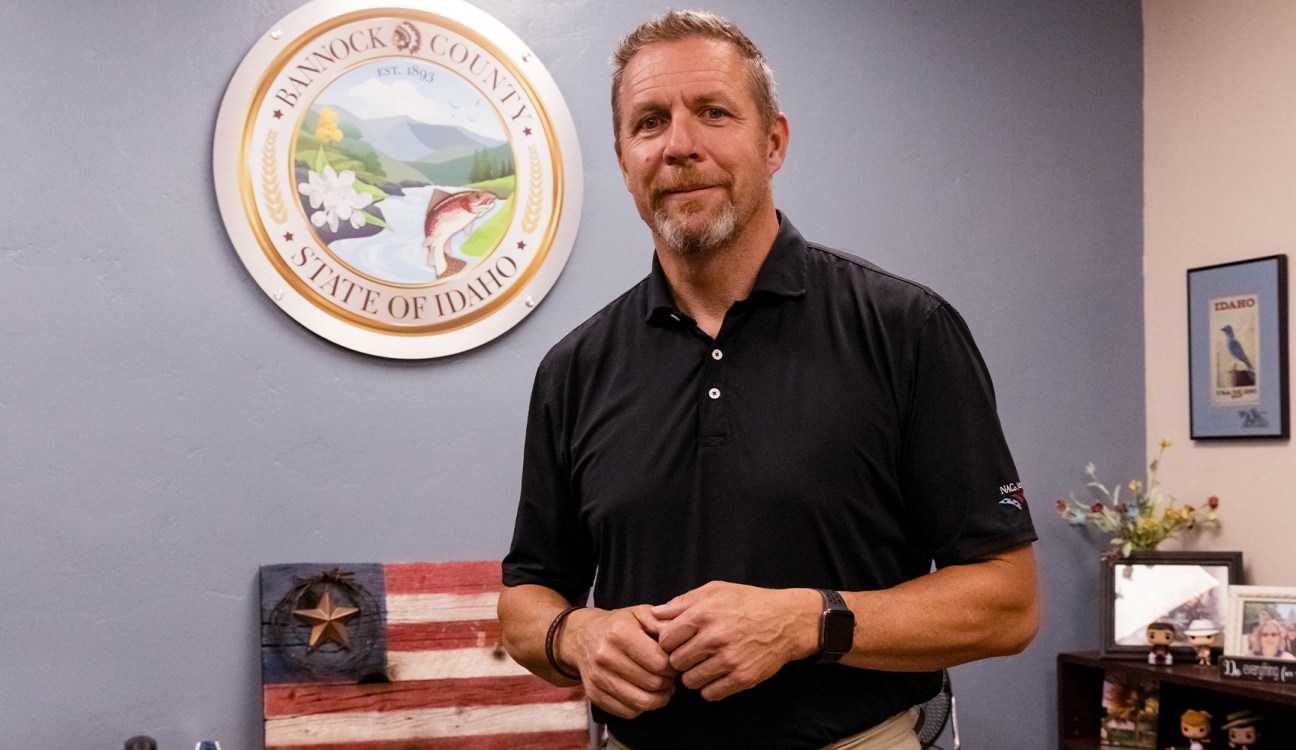
The friction in Bannock County dates back to the autumn of 2023. Fresh from attending an Idaho Association of Counties conference in Boise—where local leaders expressed widespread alarm over large-scale clean energy proposals like the massive 1-gigawatt Lava Ridge Wind Project on federal land—County Commissioner Jeff Hough recognized that his own rural jurisdiction lacked comprehensive regulatory frameworks for energy generation. Fearing that outside developers would dictate the terms of local land use, Hough spearheaded an effort to enact a temporary six-month moratorium on utility-scale energy projects on October 12, 2023.
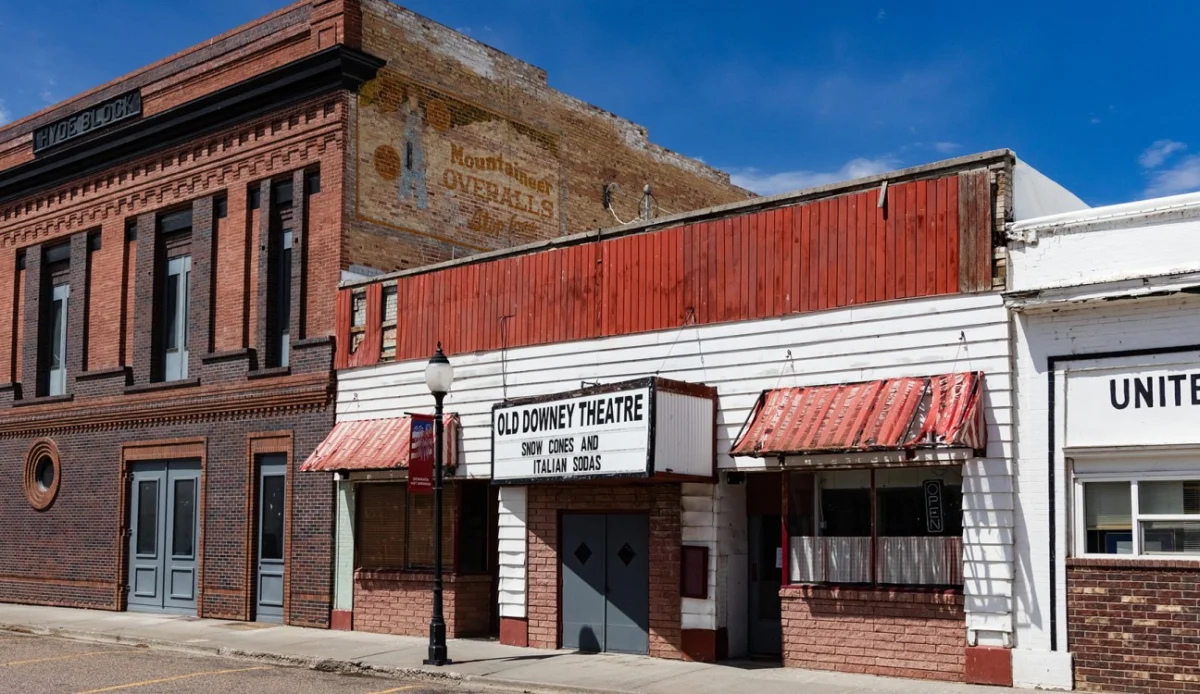
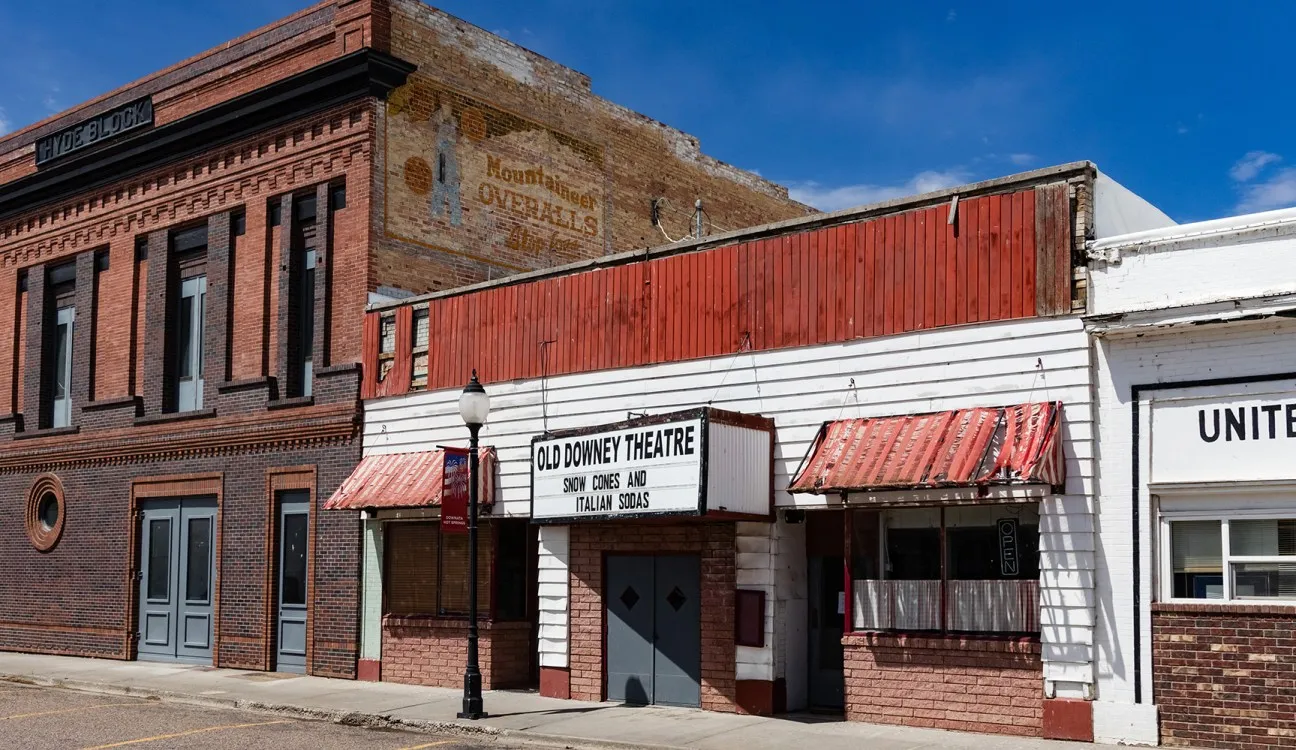
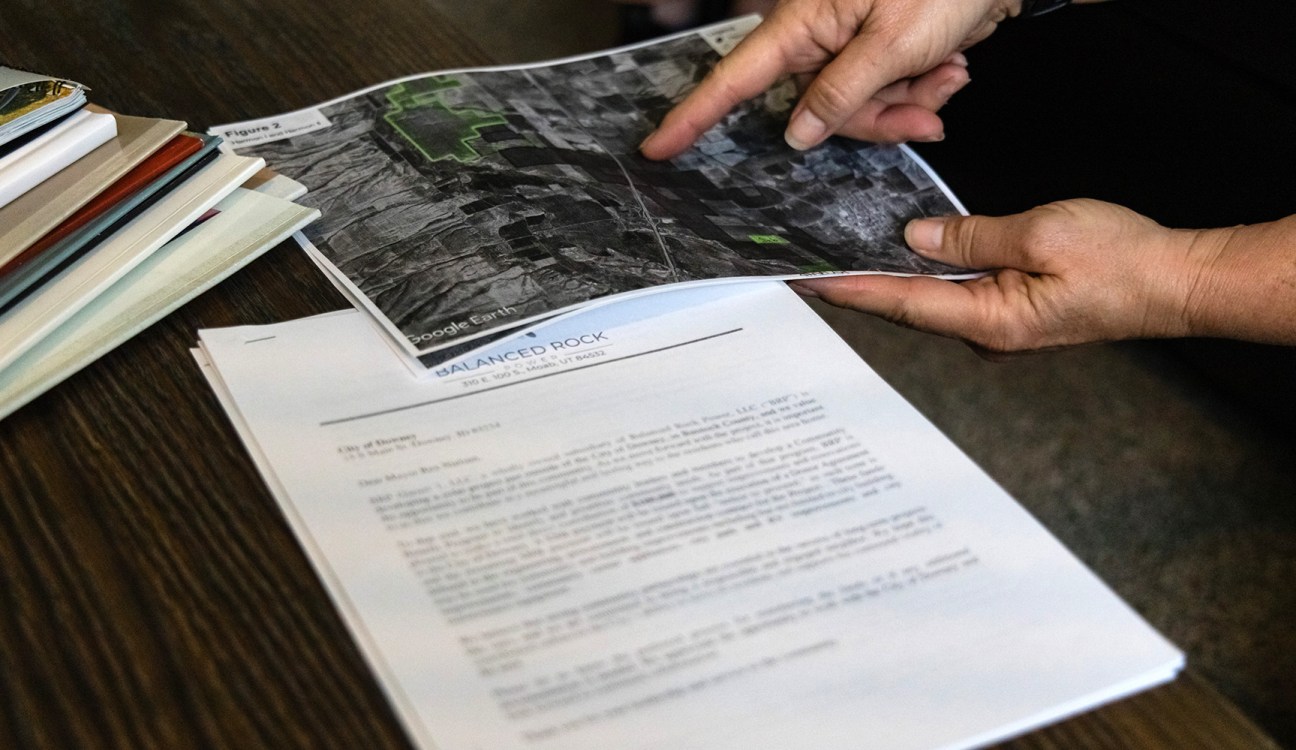
The initial intent was straightforward: buy time for the county to draft responsible zoning laws that balanced commercial opportunities with environmental preservation. However, the pause galvanized a vocal faction of local residents. Led by long-time Downey residents such as Rebecca Falcon and Dez Hauser, who had been approached by developers like Balanced Rock Power regarding the proposed 300-megawatt Harmon Solar Project, community opposition quickly organized. What started as a regulatory timeout transformed into a grassroots movement demanding a permanent prohibition to preserve agricultural heritage and rural aesthetics.
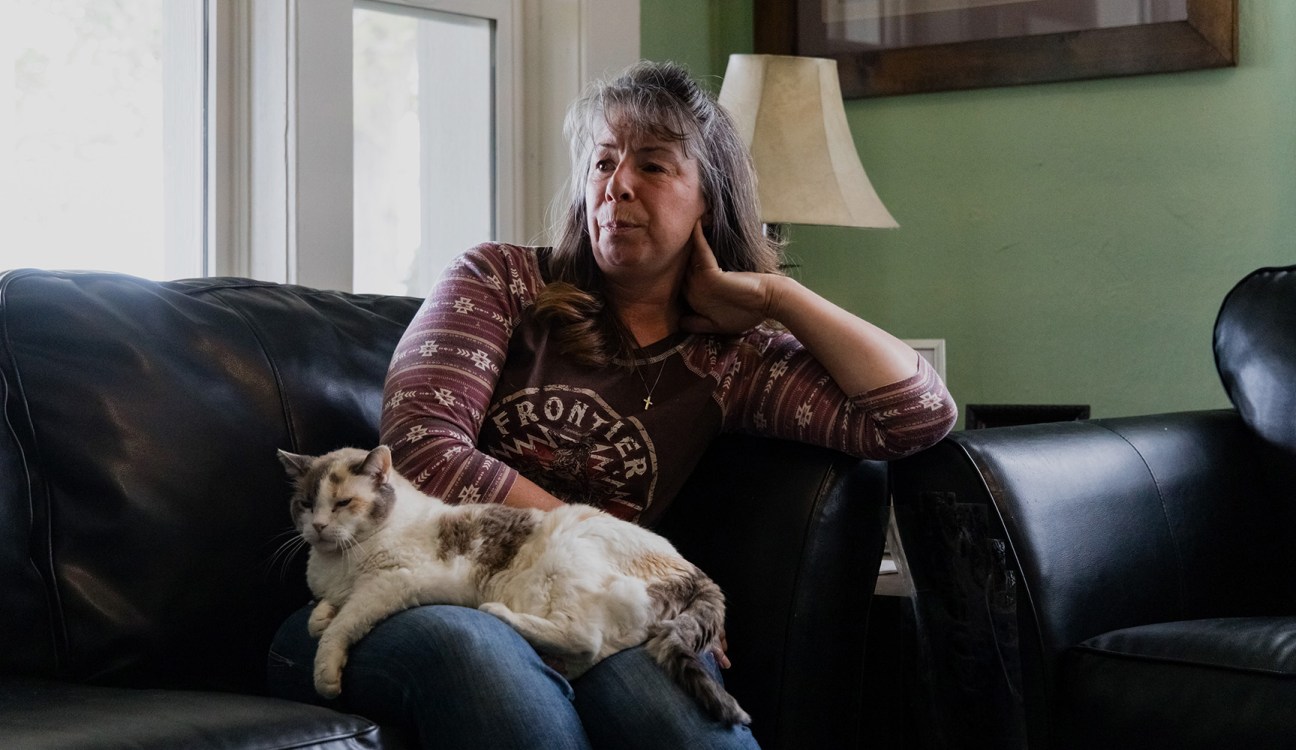
By February 2024, public sentiment had sharply polarized. A high school auditorium in south Bannock County packed with residents heard impassioned testimonies overwhelmingly opposed to solar installations. When the commission reconvened in March 2024 to decide the fate of the moratorium, the three-member board fractured. Hough voted to repeal the pause, arguing that a blanket ban trampled upon constitutional property rights and quoted the Declaration of Independence to make his case. Nevertheless, the remaining two commissioners voted 2–1 to extend the restrictions, effectively establishing an indefinite ban on utility-scale wind and solar developments. Consequently, major clean energy firms, including Chicago-based Hecate Energy, withdrew their projects and abandoned their contracts with local farmers.
The Broader National Context and Regional Power Pressures
Bannock County is hardly alone in its skepticism. According to a joint analysis by The Daily Yonder and Canary Media utilizing data from USA Today and Columbia University’s Sabin Center for Climate Change Law, nearly one in four U.S. counties implemented a ban, moratorium, or significant impediment to clean energy development by 2025—up from 15 percent in 2023. More than 60 percent of these restrictive counties are classified as rural, underscoring a nationwide cultural and economic disconnect between metropolitan energy demands and rural land preservation.
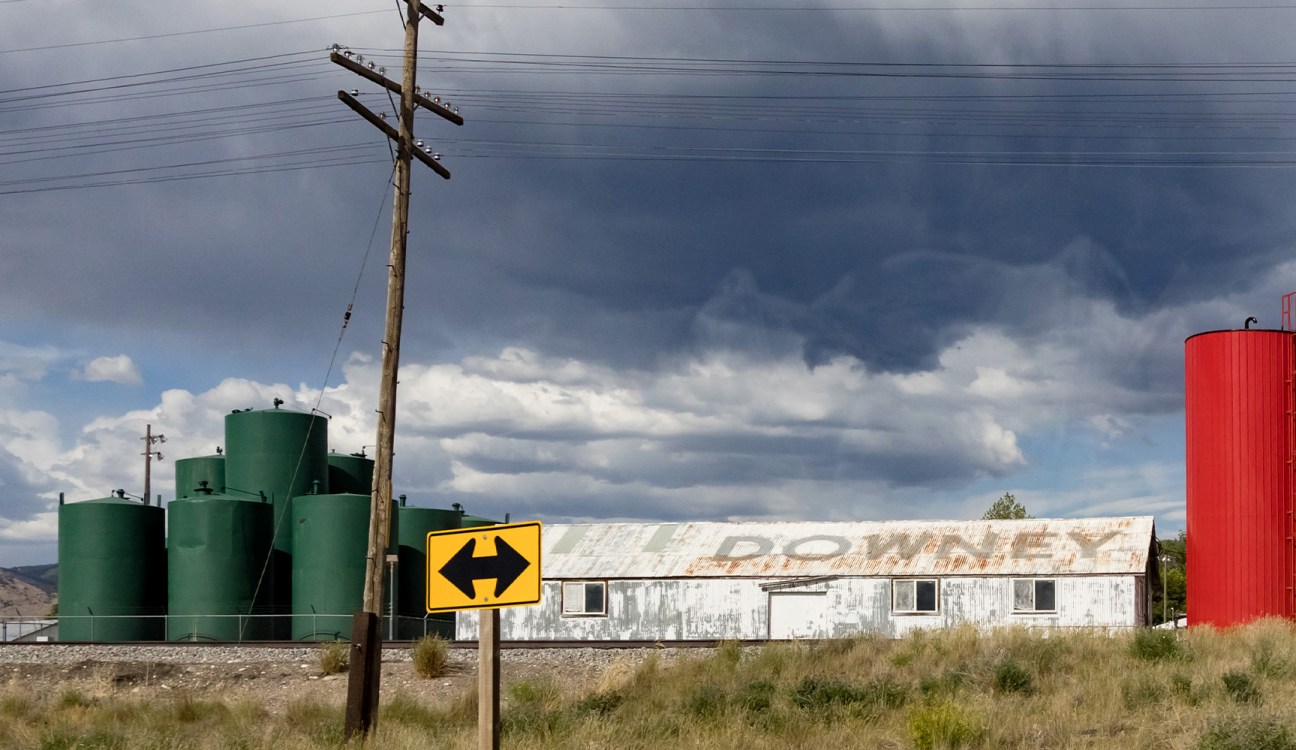
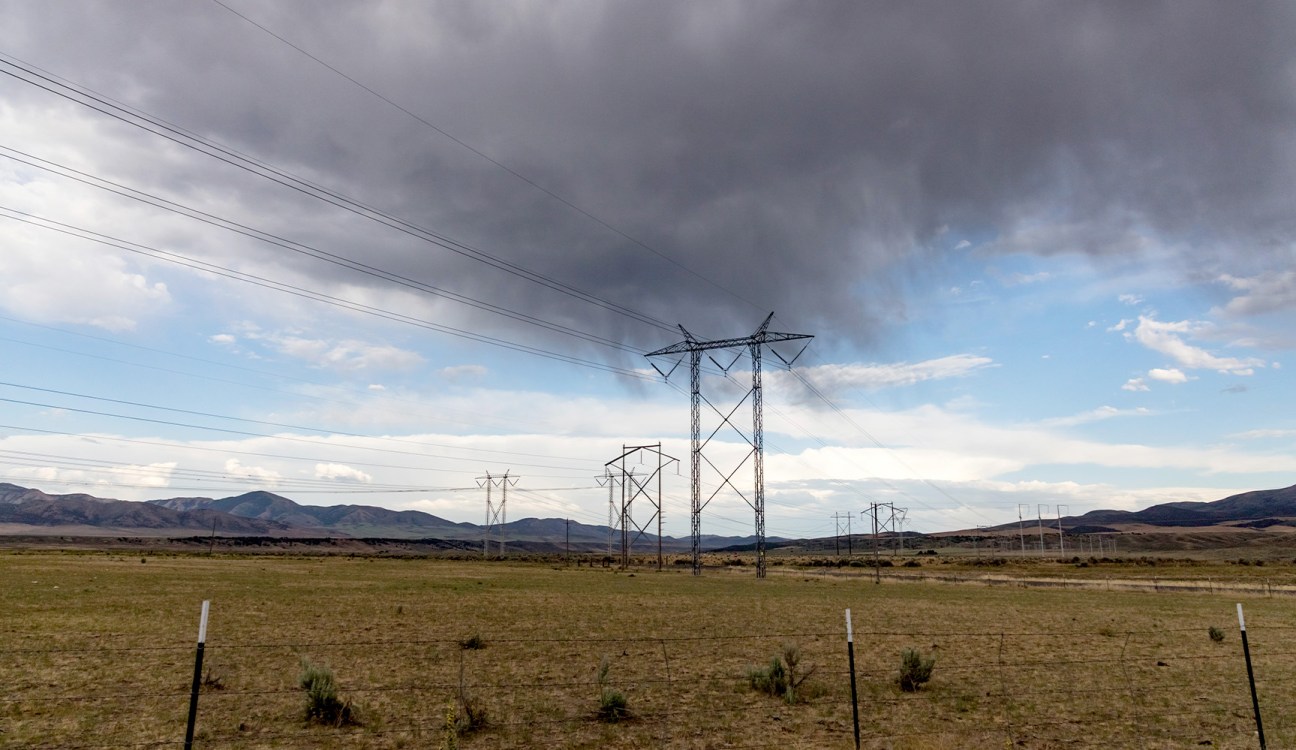
Yet, Bannock County’s policy stands in stark contrast to the region’s mounting electricity deficits. Idaho Power, the state’s largest utility, projects that local electricity demand will surge by 1 gigawatt—a 26 percent leap—by 2030. Industry experts emphasize that the region cannot afford to reject potential generation sources. Geographically, Bannock County sits in an enviable position for energy transmission. It hosts the vital Populus substation, a critical infrastructure node that feeds power into Idaho, Utah, Wyoming, and the broader Pacific Northwest. Locating power generation facilities near existing transmission hubs significantly lowers development costs, savings that can ultimately be passed down to utility customers. Neighboring jurisdictions such as Power and Bingham counties have already reaped substantial financial rewards from hosting similar infrastructure, generating hundreds of thousands of dollars in local tax revenues in 2024 alone.
Agricultural Pressures and Divided Landowner Perspectives
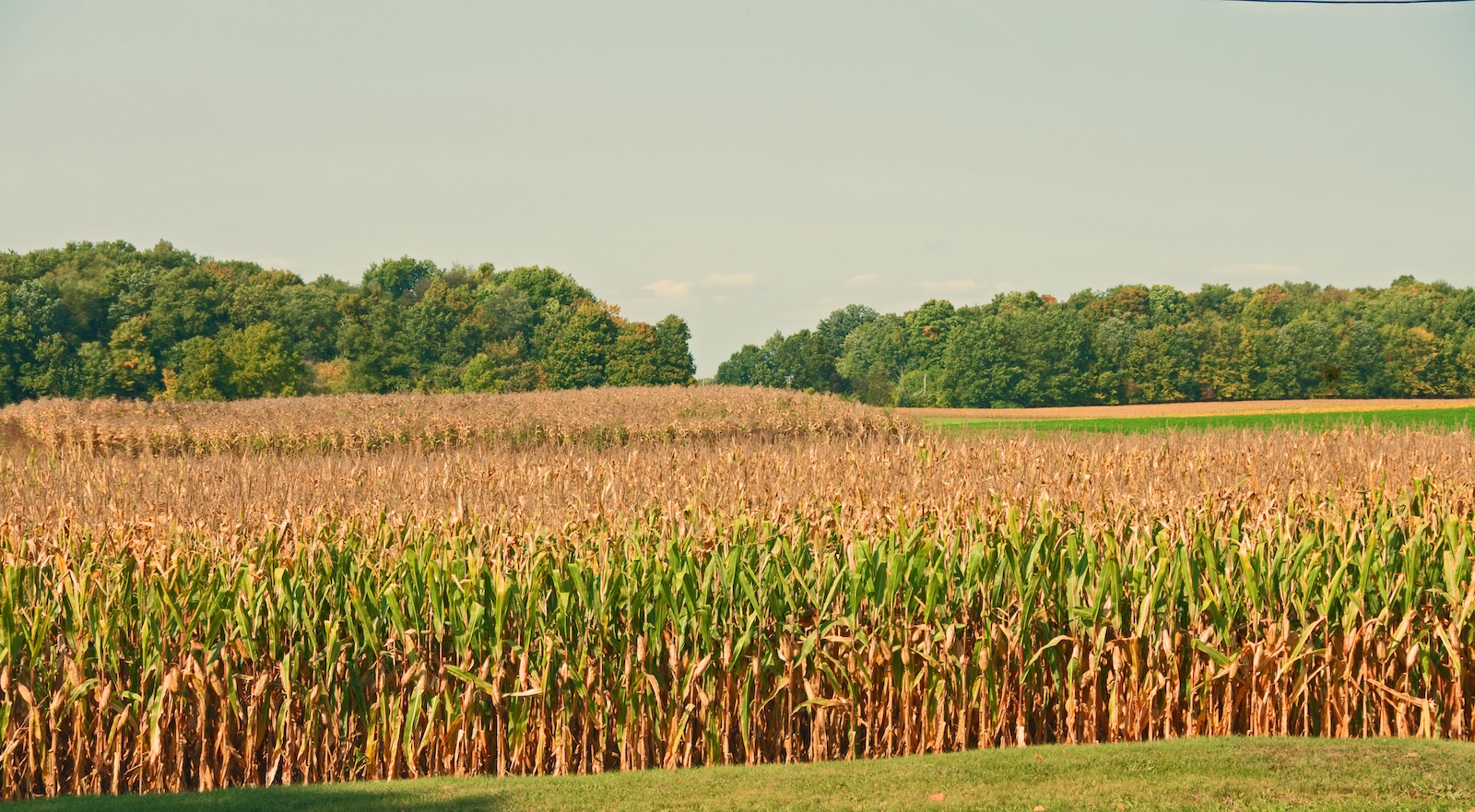
Beneath the political debate lies a deeper economic crisis rooted in the agricultural sector. Generations of family farming in south Bannock County are facing existential threats from persistent, climate-driven drought conditions. More than 87 percent of the county has recently experienced extreme drought following winters marked by record-low snowfall. Long-time grain farmers who rely on dryland farming report sharply declining crop yields, forcing many to purchase expensive feed for cattle or seek outside odd jobs just to keep their ancestral farms solvent.
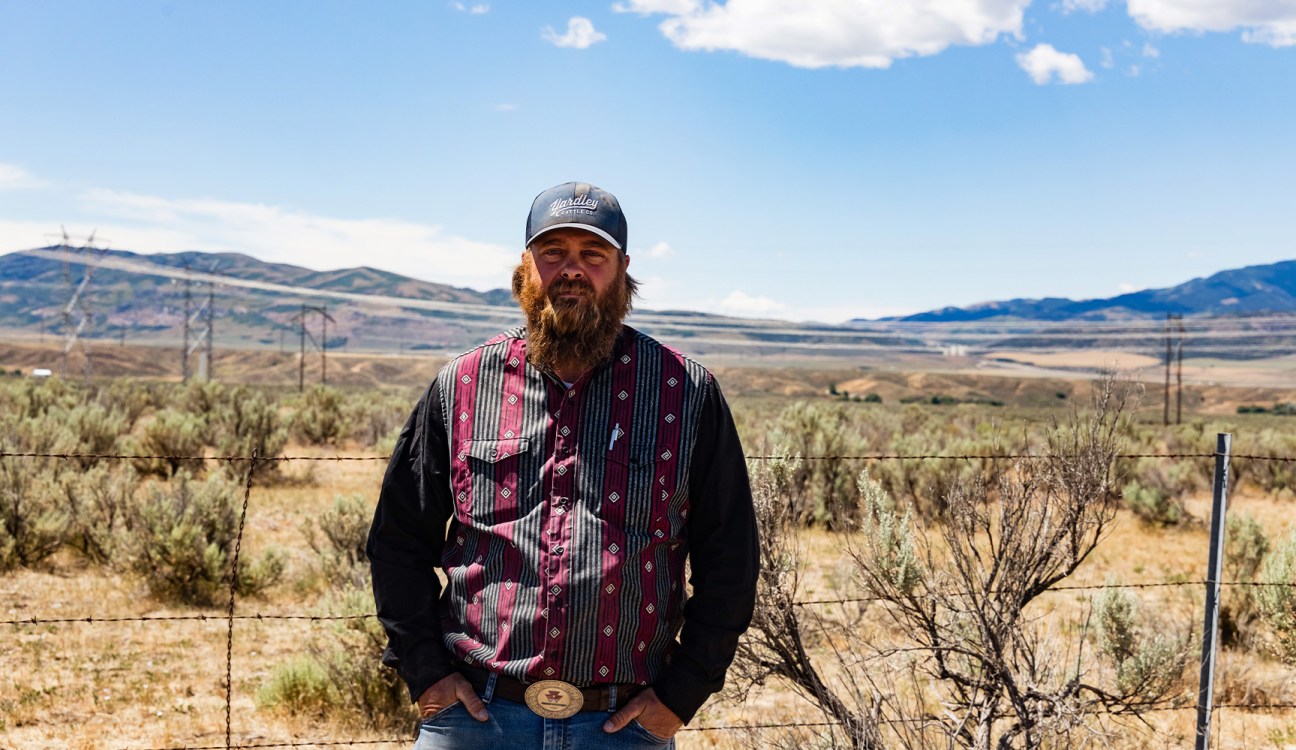
This economic desperation has fractured the farming community. On one side are preservationists like Falcon and Hauser, who view leasing agricultural land for solar arrays as a permanent betrayal of farming culture that will alter the valley’s scenic landscape for decades. They raise concerns regarding battery storage fire safety risks, decommissioning guarantees, and the permanent loss of prime topsoil.
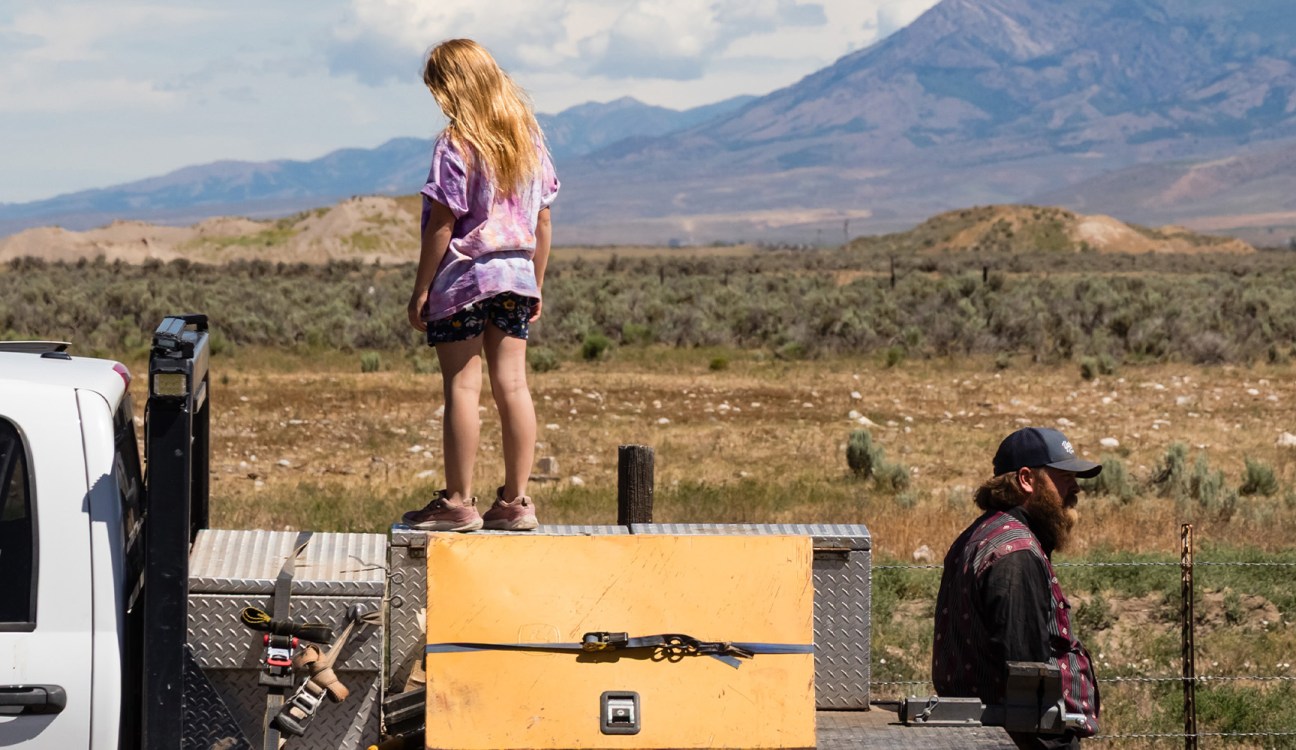
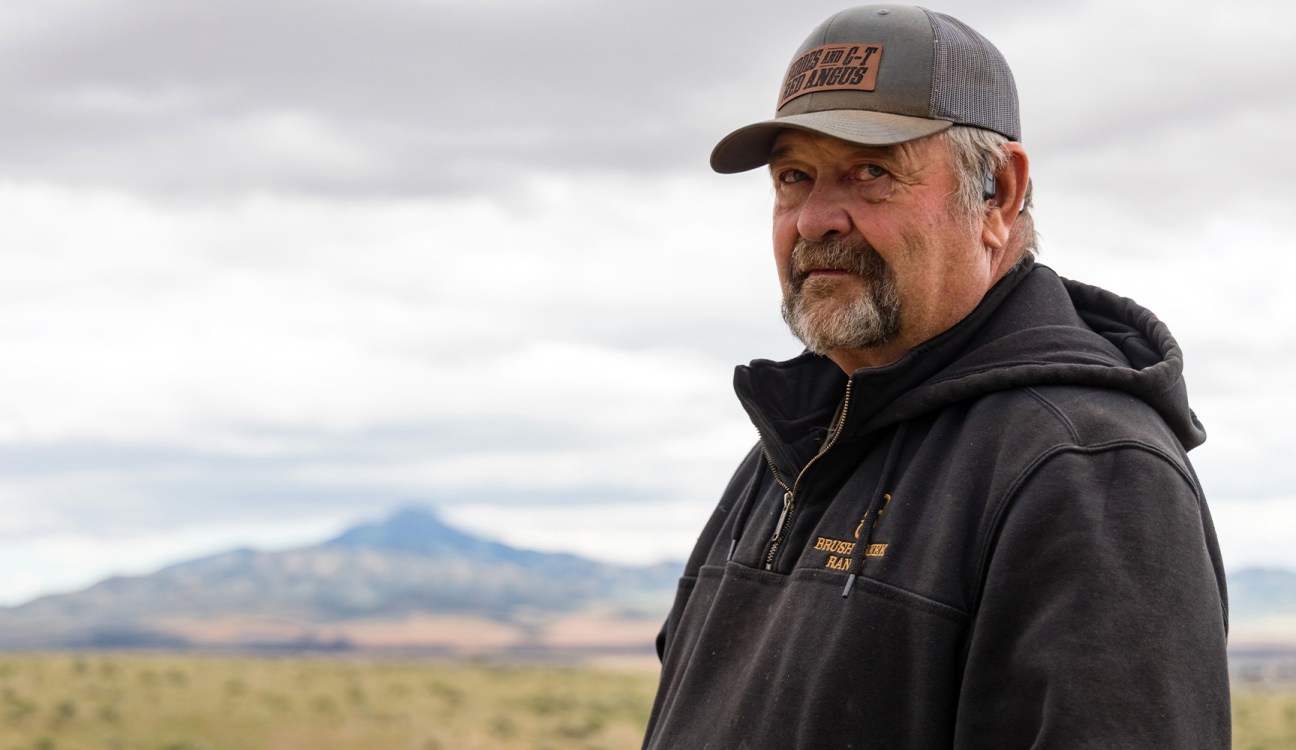
Conversely, landowners who signed or considered lease agreements with energy developers view the situation through the lens of economic pragmatism and personal autonomy. Dale Lish, a retired U.S. Department of Agriculture worker and grain farmer, argued that a flat ban strips private property owners of their fundamental rights to manage their land. Lish noted that projected per-acre incomes from solar leases were four to five times higher than traditional wheat farming alone—revenue that could secure the survival of family farms for future generations. Lytton Bastian, another local farmer who leased non-irrigated pastureland to Balanced Rock Power, echoed these sentiments, asserting that no prudent farmer would sacrifice prime, highly productive irrigated acreage, but utilizing marginal land for energy production represents a sensible strategy for generational continuity.
The Pivot Toward Nuclear and the Upcoming Policy Vote
As Hough ascended to the chairmanship of the county commission, he maintained a relentless campaign to educate the public on regional power needs while championing individual property rights. His persistence has begun to shift the political landscape. In recent months, public opinion surveys have revealed overwhelming local enthusiasm for advanced nuclear energy, buoyed by the proximity of the Idaho National Laboratory (INL) and high-profile projects like Bill Gates-backed TerraPower’s advanced nuclear reactor currently under construction in neighboring Wyoming. With over 90 percent of surveyed residents expressing favorable views toward nuclear technologies, county leaders hosted public forums to explore small modular reactors and microreactor manufacturing.
While nuclear advocates view advanced fission as the ultimate energy solution, pragmatic officials acknowledge that commercial nuclear deployment remains years away. This realization has catalyzed a broader reevaluation among local leadership. Ernie Moser, an incumbent commissioner who voted in favor of the 2024 ban, has noted that his initial anxieties regarding renewables have substantially diminished, though he stresses the necessity of implementing rigorous safety regulations regarding battery fire mitigation and comprehensive site decommissioning bonds.
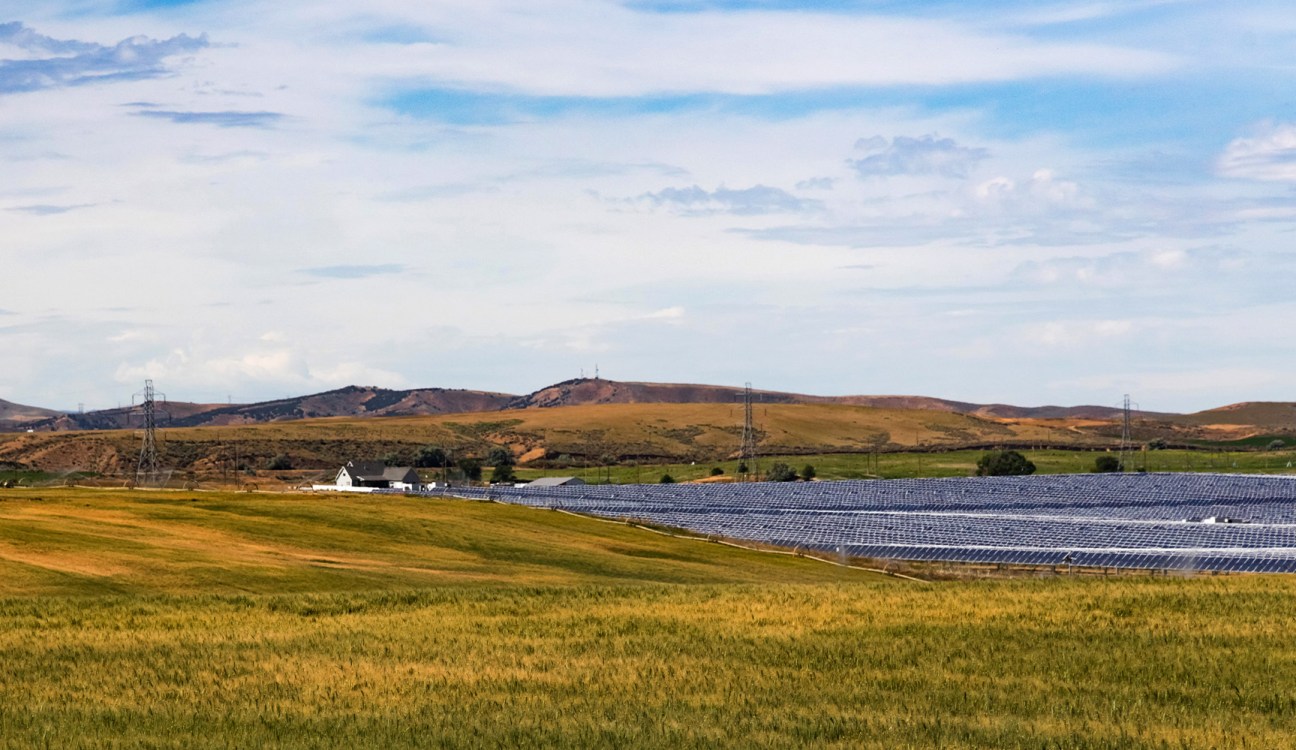
This autumn, the Bannock County Commission is scheduled to vote on a comprehensive land-use ordinance overhaul. The proposed regulatory language would formally lift the moratorium, re-opening the county to solar and wind developments while simultaneously establishing clear pathways for nuclear energy integration. Whether Bannock County successfully bridges the divide between rural preservation and modern energy development will serve as a bellwether for rural communities nationwide navigating the complex transition of the American power grid.