An independent review has delivered a scathing assessment of the Australian Broadcasting Corporation’s (ABC) premier investigative journalism program, Four Corners, citing a deeply entrenched "culture of secrecy" and a systemic breakdown in internal fact-checking protocols. The findings, released by ABC Ombudsman Fiona Cameron following a referral from network leadership, mark one of the most severe institutional crises to hit the national broadcaster in recent years. The controversy centers on investigative reports spearheaded by former journalist Mahmood Fazal, whose work has faced intense public and internal scrutiny over journalistic integrity, the fabrication of contributor identities, and the overarching governance of confidential sources.
The fallout from the investigation has forced the public broadcaster to confront uncomfortable questions regarding its editorial independence, standard operating procedures, and the mechanisms designed to protect public trust. As media watchdogs, political stakeholders, and the broader public dissect the implications of the ombudsman’s report, the ABC finds itself navigating a critical juncture in safeguarding its reputation for rigorous, uncompromised journalism.
The Catalyst: Disputed Episodes and Institutional Scrutiny
The controversy crystallized following an exhaustive internal review into two high-profile Four Corners episodes broadcast during the 2023 and 2024 television seasons: Cocaine Nation and Meth Highway. Both programs aimed to expose the deep-seated mechanics of Australian narcotics distribution networks, promising viewers unprecedented access to the underworld figures driving the illicit trade.
However, the credibility of the reporting began to unravel when independent media watchdogs, most notably the ABC’s own media critique program Media Watch, raised probing questions regarding the authenticity of anonymous sources featured prominently in the broadcasts. Central to both investigative pieces was a masked figure who was explicitly presented to the viewing public as a high-level operative actively dealing cocaine to Sydney’s elite social circles.

Subsequent investigative inquiries revealed that the masked individual was not a hardened narcotics trafficker, but rather Sydney-based rapper Charissa Habkouk. Reports indicated that Habkouk had assumed the role as a personal favor to journalist Mahmood Fazal, manufacturing a dramatic narrative under the guise of genuine criminal enterprise. The revelation sent shockwaves through the Australian media landscape, transforming what was billed as hard-hitting investigative journalism into a theatrical misrepresentation of reality.
In response to mounting public pressure and internal disquiet, ABC Chair Kim Williams formally escalated the allegations to Ombudsman Fiona Cameron. The resulting inquiry delivered an unequivocal rebuke of the broadcaster’s editorial oversight, concluding that Cocaine Nation and Meth Highway had breached core editorial standards governing accuracy, fair and honest dealing, and independence and integrity.
Ombudsman Cameron’s report stated unequivocally that the programs provided audiences with a "materially misleading" impression regarding the identity and nature of key contributors. The findings noted that by passing off an actor and acquaintance as an elite drug dealer, the program crossed the line from investigative reporting into fabricated dramatization, severely compromising the factual bedrock upon which the national broadcaster’s journalism must rest. Consequently, the ABC took the extraordinary step of removing both episodes from its digital and catch-up platforms, effectively purging the compromised content from public archives.
Chronology of Events and Fallout
The timeline of the Four Corners scandal traces a rapid descent from broadcast acclaim to institutional crisis:
- 2023–2024: Four Corners broadcasts the investigative reports Cocaine Nation and Meth Highway, led by reporter Mahmood Fazal, which feature masked anonymous sources detailing Sydney’s elite drug trade.
- Early 2025: Independent critiques, led by media analysis programs, begin questioning the provenance and verification of the anonymous sources used in Fazal’s reports.
- May 2025: Mahmood Fazal is terminated from his position at the ABC amidst escalating internal inquiries. Fazal consistently denies any wrongdoing or professional misconduct.
- Late 2025: ABC Chair Kim Williams refers the mounting allegations of editorial breaches to ABC Ombudsman Fiona Cameron for an independent investigation.
- September 2026: Ombudsman Fiona Cameron releases her findings, confirming multiple breaches of editorial standards for accuracy and fair dealing, leading to the permanent removal of the disputed episodes and recommendations for sweeping operational reforms.
The Defenses and Denials
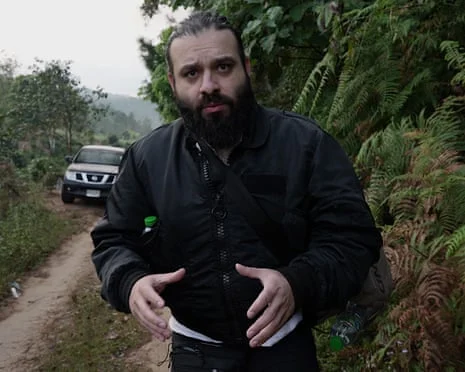
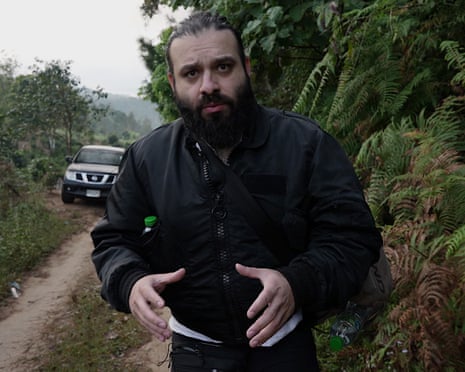
Mahmood Fazal, whose journalistic trajectory transitioned from involvement in outlaw motorcycle gangs to mainstream investigative reporting, has vigorously defended his work. Following his termination in May, Fazal maintained his innocence, asserting that his reporting reflected the realities of the criminal underworld he set out to expose. Supporters of Fazal have argued that investigative journalism into dangerous subcultures frequently requires unconventional methodologies, tactical anonymization, and deep immersion within closed social networks to secure stories that would otherwise remain hidden.
However, the ombudsman’s report drew a sharp distinction between legitimate investigative tradecraft and deceptive production practices. Cameron’s findings emphasized that while the use of confidential sources is a recognized and vital tool in investigative journalism, it must be governed by rigorous verification, stringent editorial sign-offs, and absolute transparency with the audience regarding the reliability and true nature of contributors.
The investigation criticized a pervasive "culture of secrecy" within the production unit, where editorial checks and balances were allegedly bypassed or treated as bureaucratic obstacles rather than essential safeguards. The report suggested that the desire to secure high-impact, sensational stories created an internal environment where critical questioning of source authenticity was discouraged or ignored.
Broader Implications for Public Broadcasting
The findings of the ABC Ombudsman extend far beyond the immediate personnel changes at Four Corners, touching upon foundational questions regarding accountability within taxpayer-funded media organizations. As a public broadcaster, the ABC is bound by strict statutory obligations to maintain impartiality, accuracy, and rigorous editorial standards that distinguish its output from commercial media competitors.
Media analysts and communication scholars have noted that the scandal highlights vulnerabilities in how legacy media institutions vet non-traditional journalists. As newsrooms increasingly recruit subject-matter experts, former insiders, and unconventional voices to capture niche or dangerous stories, traditional institutional firewalls can sometimes fail to adequately interrogate incoming material.
Furthermore, the fallout places renewed pressure on ABC leadership, particularly Chair Kim Williams, to restore institutional confidence. In the wake of the ombudsman’s report, Cameron has recommended a comprehensive, organization-wide review into the deployment of anonymous and confidential sources across all television, radio, and digital platforms. This audit is expected to overhaul the chain of custody for sensitive interviews, impose stricter evidentiary thresholds for unverified claims, and mandate enhanced training for senior producers and reporters.

Path Forward and Institutional Reform
The censure of Four Corners serves as a stark reminder of the fragile nature of journalistic credibility. For a program historically regarded as the gold standard of Australian investigative reporting—responsible for uncovering decades of political corruption, corporate malfeasance, and systemic abuse—the reputational damage is profound.
Rebuilding trust will require more than the administrative removal of compromised content and the tightening of rulebooks; it demands a cultural shift within investigative units to ensure transparency triumphs over insularity. As the ABC implements the ombudsman’s recommendations, the broader Australian media landscape will be watching closely to see whether the national broadcaster can successfully recalibrate its investigative rigor while preserving the bold, fearless reporting that its audiences demand.