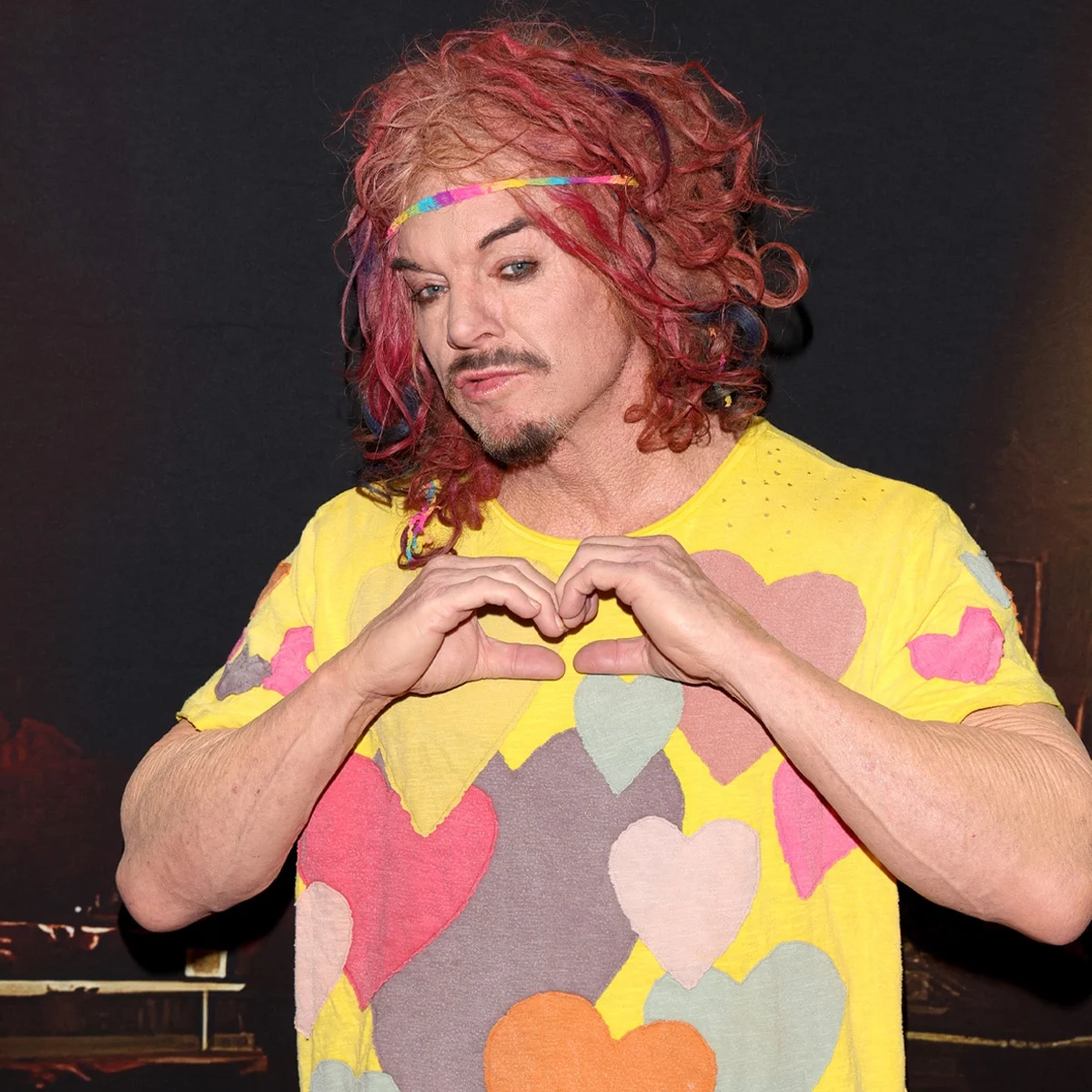
Comedian Scott Thompson, widely known to global audiences by his stage persona Carrot Top, has been discharged from a Las Vegas medical facility following a week-long hospitalization stemming from a suicide attempt. The announcement, confirmed by his representative to major news outlets on September 26, marks a critical turning point in a health crisis that prompted an outpouring of concern from the entertainment industry, long-time fans, and his residency home at the Luxor Hotel and Casino.
The incident has once again turned a spotlight onto the complex psychological toll of public life, the pressures of long-term entertainment residencies, and the mental health challenges frequently faced by performers who spend decades in the public eye. While the comedian’s team has requested privacy regarding precise medical details, subsequent updates paint a picture of a resilient entertainer steadily regaining his strength surrounded by family and close confidants.
Timeline of Hospitalization and Recovery
The crisis began on September 18, when Thompson was rushed to a Las Vegas hospital following a suicide attempt. The sudden medical emergency immediately disrupted his professional schedule, forcing the cancellation of multiple high-profile performances at his long-standing Las Vegas venue.
Two days into his treatment, on September 20, his representative issued an encouraging initial health update to media outlets, confirming that the 61-year-old comedian was fully awake, breathing unassisted, and demonstrating positive signs of recovery. According to his spokesperson, Thompson maintained his characteristic wit even from a hospital bed, reportedly exchanging lighthearted banter with the medical professionals tasked with his care.
Furthermore, the comedian reportedly found profound comfort during his recovery by reading supportive messages sent by fans from around the world. Many of these correspondences detailed personal anecdotes of how Thompson’s distinctive brand of prop comedy had provided emotional solace during difficult periods in their own lives.
By September 26, exactly one week after his initial admission, medical clearance was granted for his discharge, allowing Thompson to transition to outpatient care and continue his recuperation in a private setting.
Luxor Hotel and Casino and Industry Response
The Las Vegas entertainment community was quick to rally around one of its most recognizable fixtures. The Luxor Hotel and Casino, which has served as the permanent home for Carrot Top’s nightly comedy spectacular since 2005, released an official statement expressing deep relief and unwavering support for the veteran performer.
Describing Thompson as a beloved member of the Luxor and MGM Resorts family, representatives for the hotel emphasized their commitment to his health and well-being. In the immediate aftermath of his hospitalization, management promptly updated their ticketing platforms to cancel his scheduled performances for the week. According to the Luxor’s current calendar, Thompson’s return to the stage is tentatively scheduled for October 19, allowing him nearly a month of dedicated recovery time before resuming his rigorous live performance schedule.
The news also triggered an influx of well-wishes across social media platforms from fellow comedians, actors, and public figures who have worked alongside Thompson throughout his nearly four-decade career. These reactions underscored the profound respect the comedy community holds for his work ethic, innovation, and longevity in an industry notoriously difficult to navigate.
The Persona and Pressure of Carrot Top
To fully contextualize the recent events, observers often look back at the origins of Scott Thompson’s career and the deliberate choices that shaped his public identity. Born in Rockledge, Florida, in 1965, Thompson adopted the moniker "Carrot Top" in the late 1980s while performing in local comedy clubs. Recognizing that his given name lacked the distinctiveness required to stand out in a crowded entertainment market, he embraced the striking, vibrant red hair that would ultimately become his trademark.
His big break arrived in 1991 through performances on Comic Strip Live and the talent competition series Star Search. However, it was a 1992 appearance on The Tonight Show Starring Jay Leno that served as the definitive catalyst for his mainstream stardom. Utilizing an eclectic array of eccentric props, inventive sight gags, and fast-paced physical comedy, Carrot Top carved out a unique niche that defied traditional stand-up conventions.
Despite achieving massive commercial success—highlighted by a continuous 21-year residency in Las Vegas—Thompson has frequently spoken about the duality of fame. In past interviews with publications such as Esquire and appearances on various podcasts, the comedian admitted that the public perception of him has historically been polarized. He acknowledged that weathering decades of intense public scrutiny, critical commentary, and internet culture requires a thick skin and a dedicated focus on the art of performance itself.
In a 2023 interview on the Whiskey Ginger podcast, Thompson reflected on his enduring passion for writing and testing new material, emphasizing that creative growth often necessitates embracing failure on stage. "I hate when comics just do the same s–t forever and don’t try to be creative," he remarked at the time, highlighting a relentless internal drive to evolve as an artist rather than resting on the laurels of past achievements.
Broader Implications and Mental Health Awareness in Entertainment
The public disclosure surrounding Carrot Top’s hospitalization and subsequent recovery highlights a broader, ongoing conversation regarding mental health awareness within the entertainment industry. Performers who spend decades executing high-energy, demanding live shows often grapple with isolation, burnout, and the invisible pressures of maintaining a public persona that contrasts sharply with their private reality.
Mental health advocates frequently point out that public figures facing acute psychological crises often experience compounding stress due to the lack of privacy and the constant cycle of public commentary. However, the transparent communication from Thompson’s team—balancing the necessary gravity of a suicide attempt with updates on his resilience and gratitude—has been praised by industry analysts as a responsible approach to handling sensitive personal crises in the public eye.
Furthermore, the overwhelming outpouring of support from fans sharing stories of how his comedy healed their own emotional wounds illustrates the reciprocal relationship between entertainers and their audiences. As Thompson prepares for his eventual return to the Luxor stage, the focus remains firmly on his continued healing, underscoring that physical and psychological well-being must ultimately take precedence over the demands of the spotlight.
If you or someone you know is struggling or in crisis, help is available. In the United States, you can call or text 988 or chat at 988lifeline.org to reach the Suicide & Crisis Lifeline. If you are outside the U.S., please contact your local emergency services or a mental health support hotline in your area.