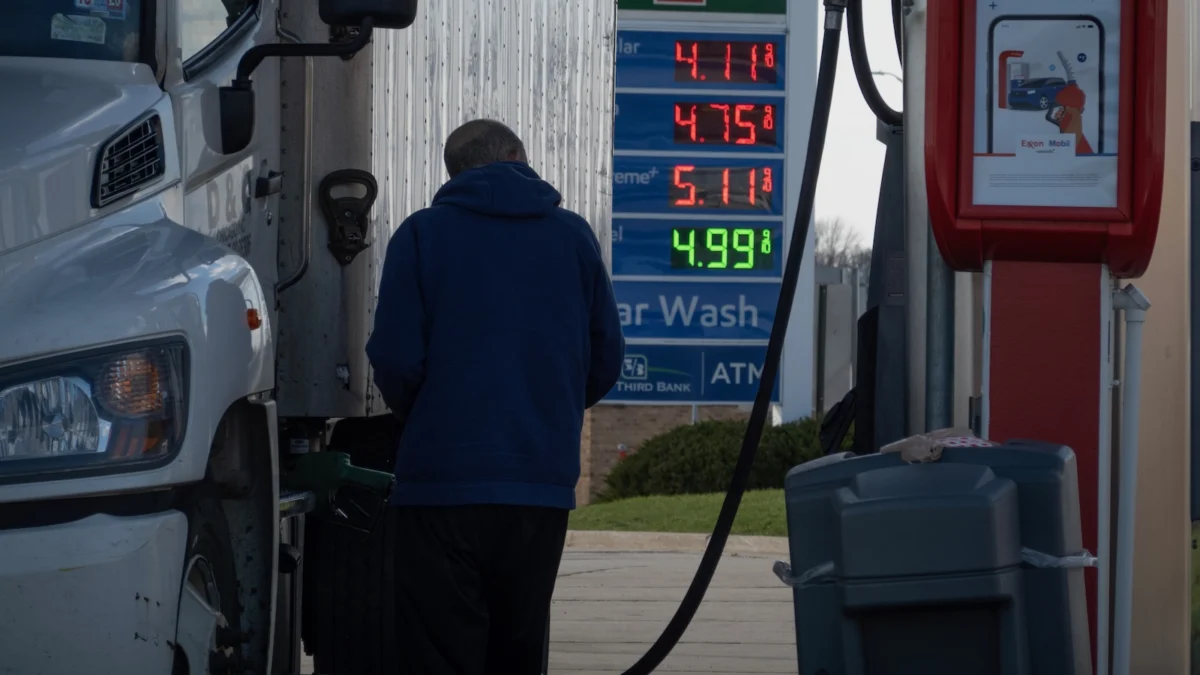
The United States is confronting an unprecedented economic and logistical crisis as diesel prices shatter records on an almost daily basis. According to data from the American Automobile Association (AAA), the national average for a gallon of diesel reached a staggering $6.52. This dramatic surge is reverberating throughout the entire economy, inflicting pain on consumers, agricultural producers, and logistics networks alike. The crisis has sparked an intense policy debate over potential government intervention, culminating in an endorsement by President Donald Trump for a ban on diesel exports to artificially increase domestic supply and drive down costs.
The debate exposes deep ideological divisions among lawmakers, energy analysts, and industry stakeholders over whether protectionist trade policies can successfully tame global energy markets or if they will ultimately backfire and worsen shortages. As households bear the brunt of billions of dollars in added expenses, policymakers are scrambling for viable solutions to arrest the spiraling costs of the fuel that serves as the lifeblood of American commerce.
Root Causes and Economic Fallout
While consumer vehicles running on diesel represent a distinct minority of passenger cars on American roads, the fuel is the fundamental backbone of the national economy. Commercial trucking fleets, cargo ships, freight rail networks, and heavy agricultural machinery are entirely dependent on diesel. Consequently, the relentless escalation in fuel costs affects the price of virtually every physical good transported across the country, from grocery store produce to industrial manufacturing materials.
The roots of the current crisis stretch back to the outbreak of military conflict involving the United States, Israel, and Iran earlier this year. The hostilities severely disrupted Middle Eastern oil production and shipping lanes, triggering a cascade effect across global petroleum markets. Since the onset of the conflict, U.S. diesel prices have skyrocketed by nearly 80 percent. The situation deteriorated further during the month of September alone, with prices surging by nearly $1 per gallon.
An online tracking dashboard developed by researchers at Brown University to monitor the economic toll of the conflict reveals that the ongoing fuel inflation has cost the average American household nearly $400. In total, the cumulative financial burden on consumers has surpassed $51 billion. With inflation tightening its grip on household budgets, political pressure has mounted on federal officials to take decisive action.
Political Alignments and the Push for an Export Ban
The proposal to restrict or outright ban the export of domestically refined diesel has found champions across the political spectrum, uniting certain populist Republicans with traditional agricultural-state lawmakers.
Senator Chuck Grassley, a senior lawmaker from Iowa, voiced strong support for the measure, drawing a parallel to existing federal trade restrictions. Writing on social media, Grassley argued that if the federal government possesses the authority to embargo advanced semiconductor chips to China, it should certainly be able to restrict diesel exports to provide critical relief to American farmers and truckers.
Similar sentiments were echoed by Representative Ashley Hinson, also of Iowa, who highlighted the severe strain placed on the agricultural sector during harvest season. Senate Majority Leader John Thune of South Dakota expressed a willingness to examine the policy, noting that if an export ban could successfully alleviate pricing pressures for domestic consumers, he would be open to exploring the legislative pathway.
President Trump formally added his weight to the proposal while speaking to reporters on the sidelines of the United Nations General Assembly in New York. Addressing the question of whether he favored halting foreign shipments of the fuel, Trump stated definitively that he had called for the cessation of diesel exports within his administration.
Historical Precedent and Economic Debate
The concept of leveraging export bans to protect domestic consumers during energy crises is not unprecedented in American history. In 1975, in the wake of the Organization of the Petroleum Exporting Countries (OPEC) oil embargo that crippled the U.S. economy, Congress passed the Energy Policy and Conservation Act. That landmark legislation instituted a ban on the export of domestically produced crude oil.
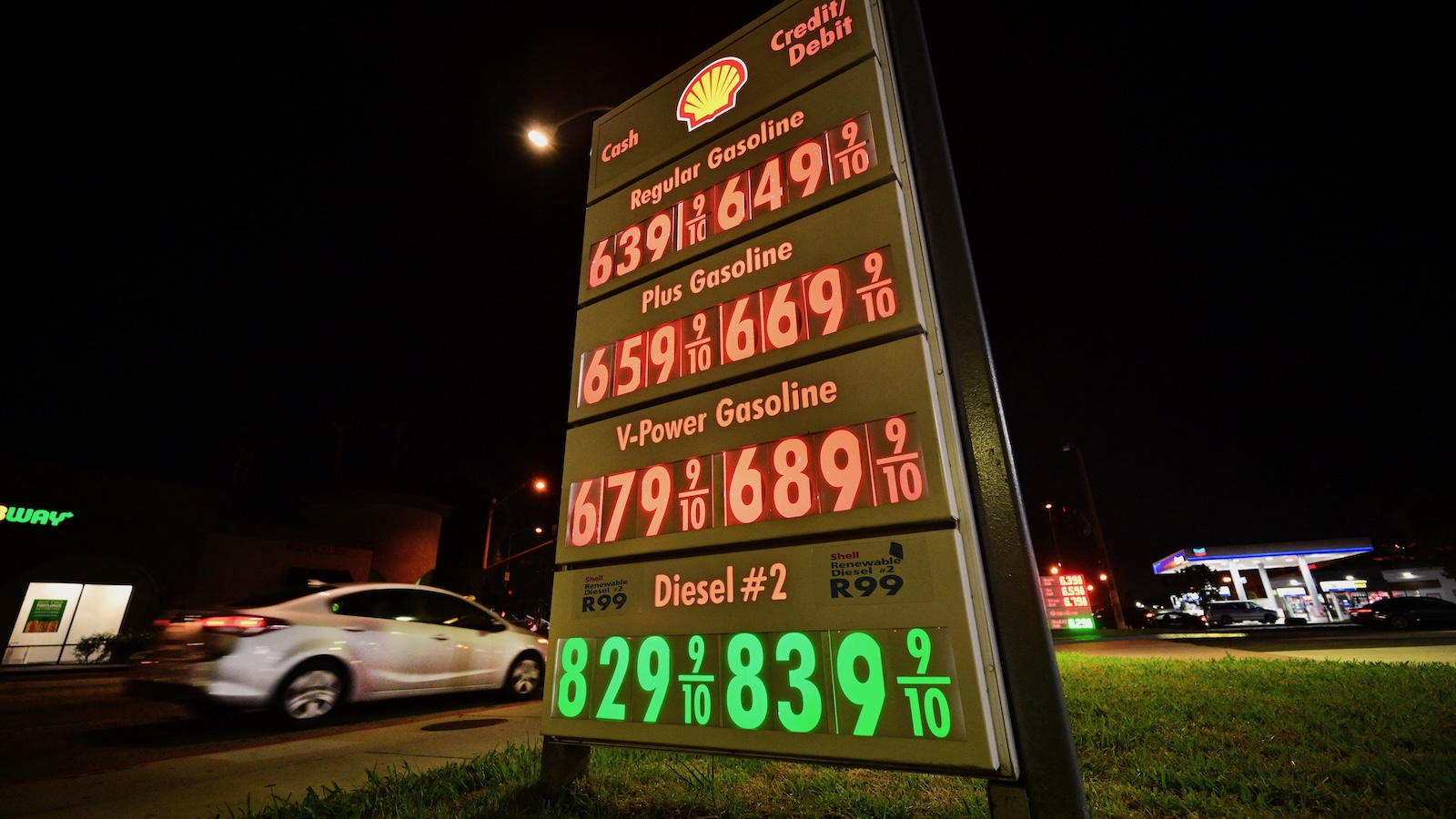
The 1975 export ban remained a fixture of American energy policy for four decades until it was formally lifted by President Barack Obama in late 2015. In the years following the repeal, domestic oil and gas companies reap billions of dollars annually from international sales, making the energy sector fiercely resistant to any renewed government interference in their global market access.
Economists and energy market analysts remain starkly divided on whether resurrecting export curbs would achieve the intended effect. Jeff Colgan, a political scientist at Brown University and co-creator of the Iran war cost-tracking dashboard, argues that keeping refined products within domestic borders would increase local supply, thereby exerting downward pressure on prices. Colgan suggested that such a policy could make a significant difference for struggling consumers and businesses.
Conversely, market experts warn that domestic interventions are powerless against global pricing mechanisms. Patrick De Haan, head of petroleum analysis for GasBuddy, argued on social media that U.S. diesel prices are inextricably linked to a global balance of supply and demand rather than purely domestic metrics. According to this perspective, withholding distillates from international markets would fail to alter the overarching global price structure.
Industry Opposition and Intragovernmental Divisions
The energy industry has mounted a vigorous defense against the prospect of export restrictions. The American Fuel & Petrochemical Manufacturers (AFPM) released a scathing critique of the proposal, warning that government intervention would prove counterproductive.
In an official statement, the organization asserted that export bans do not inherently create more fuel for American consumers. Instead, the AFPM argued that such restrictions would disincentivize domestic fuel production, create artificial bottlenecks, generate upward pricing pressure, undermine long-term national energy security, and ultimately surrender valuable market share to foreign competitors.
These concerns are shared by several prominent lawmakers and administration officials, particularly those representing major energy-producing states. Senator John Cornyn of Texas, representing the nation’s leading oil-producing state, dismissed the export ban proposal as a political gimmick. Similarly, Interior Secretary Doug Burgum cautioned in media appearances that restricting fuel trade could inadvertently inflict greater financial harm on American citizens rather than providing relief.
The legislative and executive branches also face strategic dilemmas regarding political accountability. While some Democrats have previously advocated for various fossil fuel export restrictions—such as during past pricing spikes under the Biden administration—many have remained cautious or critical regarding the current Republican-led debate.
Senator Peter Welch of Vermont criticized the administration’s rhetoric, characterizing the sudden push for an export ban as superficial. Welch maintained that if the administration is genuinely committed to lowering the costs of oil, gasoline, and home heating oil, the primary solution is to pursue a diplomatic or military resolution to the ongoing conflict with Iran rather than resorting to protectionist trade policies.
Path Forward and Alternative Solutions
Prior to President Trump’s public remarks endorsing the ban, White House officials indicated that an export embargo was not actively under consideration by the executive branch. It remains unclear whether the president’s statements will formally shift official policy or if Congress possesses the bipartisan momentum required to draft and pass binding legislation.
Amid the polarized binary of either total, unfettered export freedom or a complete halt to foreign shipments, some energy policy experts are calling for a more nuanced approach. Tyson Slocum, energy program director for the consumer advocacy organization Public Citizen, argued that the prevailing policy debate is overly simplistic.
Slocum noted that numerous intermediate policy levers exist between complete deregulation and total prohibition. For instance, the federal government could implement graduated quotas or targeted limitations on the volume of diesel shipped overseas during acute domestic shortages, rather than cutting off international supply chains entirely. According to Slocum, even partial and carefully calibrated measures could yield a noticeable and immediate drop in domestic diesel prices without triggering the systemic market disruptions predicted by industry opponents.
As the debate continues to unfold in Washington, millions of Americans—from logistics operators to agricultural producers—await concrete policy actions capable of stabilizing a fuel market that remains exceptionally vulnerable to geopolitical instability in the Middle East.