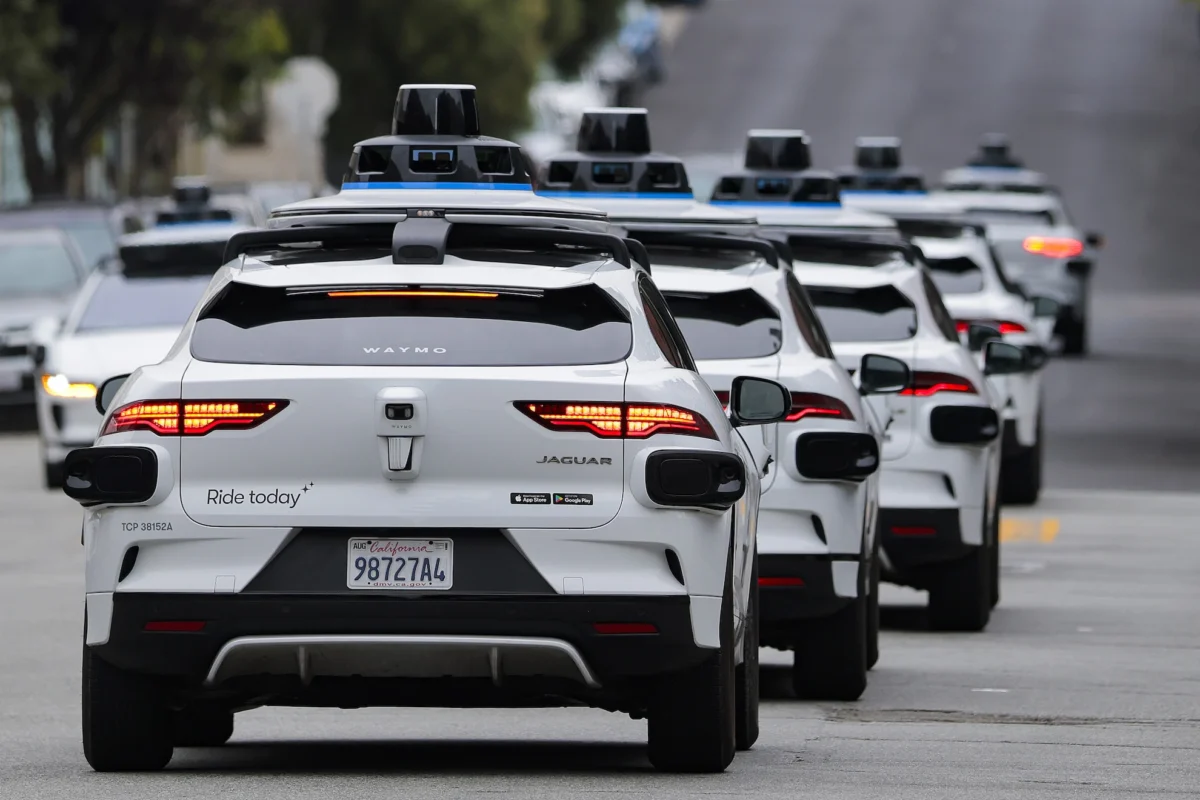
San Francisco’s burgeoning autonomous vehicle landscape experienced a momentary but significant disruption on Friday, July 18, 2026, when Waymo, the self-driving technology company owned by Alphabet, temporarily paused its robotaxi service across a substantial portion of the city. The cessation of operations, which lasted approximately one hour, was a direct consequence of a widespread power outage that impacted an estimated 7,000 Pacific Gas and Electric Company (PG&E) customers, casting a temporary shadow over the reliability of advanced urban mobility solutions during critical infrastructure failures. The incident reignited ongoing discussions among regulators, city officials, and the public regarding the operational protocols and resilience requirements for autonomous vehicles in complex metropolitan environments, particularly in the face of unexpected disruptions.
The July 18th Outage: A Brief Interruption
The power outage, which began in the early afternoon, plunged several San Francisco neighborhoods into darkness and silence, disrupting businesses, traffic signals, and residential life. While PG&E crews swiftly mobilized to identify the cause and restore power, the immediate impact on essential services, including transportation, was palpable. Waymo, a prominent provider of fully autonomous ride-hailing services in the city, quickly initiated what it described as "temporary adjustments" to its operations. This proactive measure, while intended to ensure safety and prevent potential complications, resulted in a temporary suspension of its robotaxi service. Customers attempting to hail a Waymo vehicle or already in transit received notifications indicating that service was "temporarily paused" and that "freeway routes are unavailable."
The affected areas, primarily concentrated in the northeastern and central districts of San Francisco, saw traffic signals rendered inoperable, leading to a scramble for manual traffic management by city police and transportation officials. The outage underscored the interconnectedness of modern urban infrastructure, where a single point of failure, such as the power grid, can cascade into disruptions across various sectors, including the rapidly evolving autonomous vehicle industry.
Waymo’s Response and Service Resumption
Upon the initial reports of the power outage, Waymo’s operational center, which continuously monitors its fleet and local conditions, made the decision to implement a precautionary halt. When contacted for comment during the disruption, a spokesperson for the Alphabet-owned company issued a statement acknowledging the situation: "We are making temporary adjustments to our service while we monitor local conditions. We know riders depend on us, and we will return to normal operations as soon as possible." This initial response highlighted the company’s commitment to rider safety and its adaptive operational strategy during unforeseen circumstances.
Following the initial publication of news regarding the pause, Waymo provided further clarification, stating that the company "decided to pause service for approx. one hour to assess the scale of the power outage affecting a large portion of San Francisco and coordinate with local officials." This additional detail emphasized the collaborative aspect of their response, indicating a coordination effort with city emergency services and utility providers to ascertain the scope and potential implications of the outage before resuming full service. Approximately one hour after the initial pause, and as power began to be restored to the affected areas, Waymo confirmed that its robotaxi service had fully resumed, with vehicles once again navigating the city’s streets and freeways. The swift resumption, while commendable from an operational standpoint, did little to quell the underlying concerns about the broader resilience of autonomous systems.
A Pattern of Disruption: Previous Incidents Highlight Vulnerabilities
This latest incident is not an isolated event but rather a recurring theme in the operational history of autonomous vehicles in San Francisco, particularly for Waymo. The city, a hotbed for AV development and deployment, has witnessed several instances where infrastructure failures or major public events have challenged the operational stability of self-driving fleets.
One notable precursor occurred in December of the previous year (2025), when a widespread blackout across various parts of San Francisco led to a significant number of Waymo vehicles stalling on city streets. During that incident, the abrupt loss of power, which disabled traffic signals and potentially interfered with GPS and communication networks, reportedly caused multiple Waymo robotaxis to enter a "safe state," ceasing movement and requiring manual intervention to be cleared from roadways. This incident caused considerable traffic congestion and drew sharp criticism from city officials and emergency services, who cited concerns about the ability of AVs to safely navigate unpredictable, large-scale disruptions.
Another similar, high-profile event transpired during the Fourth of July celebrations earlier in 2026. A massive fireworks display near the Golden Gate Bridge, while a planned public event, inadvertently created conditions that paralyzed traffic, including autonomous vehicles. Reports indicated that a combination of overwhelming human-driven traffic, potential sensor interference from the crowds and light displays, and communication network strain led to Waymo vehicles stalling or operating erratically in key areas, further exacerbating the gridlock. These incidents collectively paint a picture of an advanced technology still grappling with the unpredictable realities of urban environments, especially when core infrastructure is compromised or overwhelmed.
Mayor Lurie’s Call for Enhanced Regulation
The repeated disruptions have not gone unnoticed by San Francisco’s political leadership. Mayor Daniel Lurie has emerged as a vocal proponent for stricter oversight and more robust operational requirements for autonomous vehicle companies operating within city limits. Following the July 4th traffic fiasco and the December blackout, Mayor Lurie publicly called for tougher state regulations, advocating for policies that "adequately address how autonomous vehicles operate during major incidents, planned or not."
Mayor Lurie’s stance reflects a growing sentiment among municipal leaders who feel that current state-level regulations, primarily governed by the California Public Utilities Commission (CPUC) and the Department of Motor Vehicles (DMV), do not sufficiently empower local jurisdictions to manage the impacts of AV operations on city infrastructure and emergency response capabilities. His office has consistently highlighted the potential for AVs to impede emergency vehicles, disrupt public transit, and exacerbate traffic congestion during critical situations, arguing that the technology’s benefits must be weighed against its potential liabilities, particularly in densely populated urban centers. The latest Waymo pause, though brief and resolved, will undoubtedly add further weight to the Mayor’s ongoing advocacy for a more localized and stringent regulatory framework.

The Regulatory Landscape: California’s Approach to Autonomous Vehicles
California has historically been at the forefront of autonomous vehicle testing and deployment, with a regulatory framework that has evolved significantly over the past decade. The California Public Utilities Commission (CPUC) is responsible for regulating autonomous passenger services, including setting rules for permits, safety plans, and operational areas. The Department of Motor Vehicles (DMV), on the other hand, oversees the testing and deployment of AVs on public roads. This dual regulatory structure has often led to tension between state agencies and local municipalities.
While state regulators emphasize the need for a unified approach to foster innovation and ensure consistent safety standards across California, city officials like Mayor Lurie argue for greater local control. Their contention is that cities are uniquely positioned to understand and mitigate the specific challenges AVs pose to their distinct urban landscapes, traffic patterns, and emergency services. The debate often centers on data sharing, incident reporting protocols, and the ability of local authorities to issue directives or impose restrictions on AV operations during emergencies. The CPUC, for its part, has been incrementally tightening regulations, particularly after several high-profile incidents involving both Waymo and its competitor Cruise, leading to the temporary suspension of Cruise’s operating permit in San Francisco in late 2023. This ongoing regulatory dance underscores the complexity of integrating a revolutionary technology into existing, often fragile, urban ecosystems.
Technological Resilience in the Face of Infrastructure Failure
The incidents involving Waymo and power outages highlight a critical challenge for autonomous vehicle technology: its reliance on external infrastructure and its ability to operate effectively when those systems fail. Modern self-driving cars depend on a sophisticated array of sensors (Lidar, radar, cameras), high-precision GPS, detailed high-definition maps, and constant communication with cloud-based systems for real-time updates and decision-making.
A power outage can have multifaceted impacts:
- Traffic Signals: Non-functional traffic lights disrupt the primary visual cues for both human and autonomous drivers, requiring AVs to rely on complex object detection and predictive algorithms to navigate intersections, often reverting to four-way stop procedures.
- GPS Degradation: While AVs have redundant localization systems, prolonged or widespread power outages can impact GPS signal strength or accuracy, especially in urban canyons.
- Communication Networks: Cell towers and Wi-Fi hotspots, which AVs use for data upload, software updates, and remote assistance, can be affected by power disruptions, potentially limiting their ability to communicate with fleet operators or receive critical information.
- Mapping Updates: Real-time changes to road conditions (e.g., downed trees, emergency vehicles) might not be instantly communicated if network infrastructure is compromised.
Autonomous systems are designed with "fail-operational" or "fail-safe" mechanisms, meaning they should either continue operating safely or gracefully degrade to a safe stop in the event of a system failure. Waymo’s decision to pause service and for vehicles to enter a safe state demonstrates this principle. However, the practical implications of numerous vehicles simultaneously entering a safe state on busy city streets, potentially blocking traffic or emergency lanes, remain a significant concern for urban planners and first responders. Developing robust contingency plans and enhancing the "graceful degradation" capabilities of AVs to minimize disruption during widespread infrastructure failures is an ongoing area of research and development for the industry.
Impact on Public Trust and Urban Mobility
Each incident involving autonomous vehicles, whether it’s a minor traffic impediment or a temporary service pause, contributes to the evolving public perception of the technology. While proponents highlight the potential for increased safety, reduced congestion, and enhanced accessibility, skeptics often point to operational failures as evidence of inherent risks. The July 18th Waymo pause, though brief, adds to a narrative that questions the technology’s readiness for full-scale, unassisted urban integration.
Public trust is a critical factor for the widespread adoption of autonomous vehicles. Incidents that cause inconvenience or raise safety concerns can erode this trust, making it harder for companies to expand their services and for regulators to approve broader deployment. For San Francisco, a city that has embraced and, at times, grappled with, technological innovation, the ongoing dialogue around AVs is part of a larger conversation about the future of urban mobility. As the city continues to grow, and as its infrastructure ages, the ability of new technologies to seamlessly integrate and perform reliably, especially during emergencies, will be paramount.
Looking Ahead: Balancing Innovation with Safety
The temporary halt of Waymo’s robotaxi service due to a power outage in San Francisco serves as a potent reminder of the complex interplay between advanced technology and fundamental urban infrastructure. It underscores the necessity for autonomous vehicle companies to not only innovate in self-driving capabilities but also to develop robust strategies for operating in real-world conditions, where unexpected power failures, natural disasters, and human-induced disruptions are inevitable.
For regulators and city officials, the incident reinforces the urgency of establishing clear, comprehensive, and adaptable guidelines that ensure public safety and minimize disruption. This includes fostering better data sharing between AV operators and emergency services, developing integrated response plans for incidents involving autonomous fleets, and potentially empowering local jurisdictions with greater authority to manage AV operations during crises.
As autonomous vehicles continue their rollout into major cities globally, the narrative will increasingly shift from technological novelty to operational resilience. The ability of these systems to perform reliably, predictably, and safely under all circumstances – including when the lights go out – will ultimately determine their long-term success and acceptance as a transformative element of urban mobility. The July 18th event, while minor in its duration, offers another crucial data point in this ongoing, complex evolution.