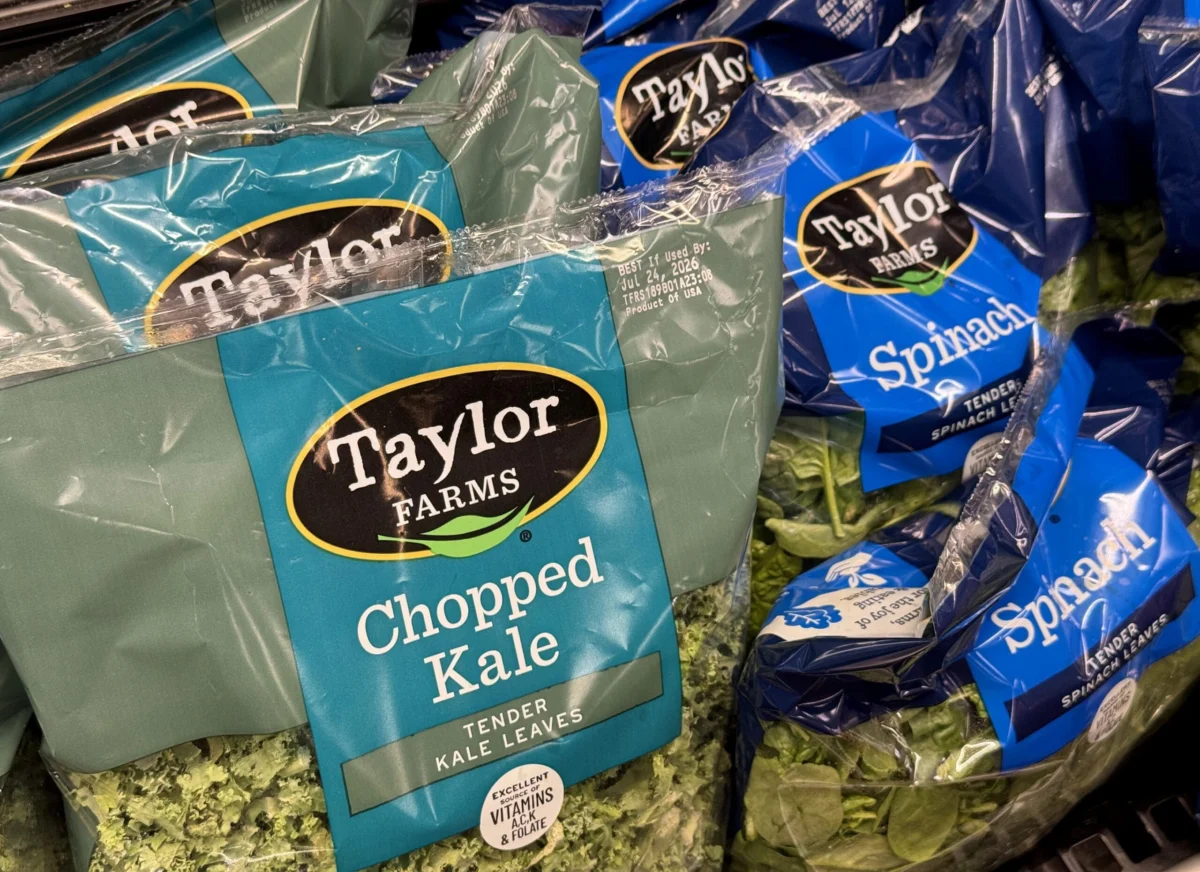
Walmart Inc. has announced the precautionary removal of four specific bagged iceberg lettuce salad products, sold under its private label Marketside brand, from select store locations. This proactive measure comes as recalls related to a widespread cyclosporiasis outbreak continue to expand across the United States. The retail giant confirmed on Saturday that, despite the removal, there have been no confirmed illnesses directly associated with the Marketside items sold in its stores. A Walmart spokeswoman emphasized that the decision to pull the products was a precautionary step taken after receiving notice from a supplier, Taylor Farms, and that there is currently no indication their specific products are definitively linked to the ongoing cyclospora investigations.
The move by Walmart underscores the escalating concern surrounding the cyclospora outbreak, which has already sickened thousands across multiple states. This latest development follows an earlier recall by Taylor Farms, the manufacturer of the implicated lettuce products, which initiated a product pull from a Mexican farm after some of its iceberg lettuce was found to be potentially contaminated. The broader industry has been grappling with dampened consumer demand for fresh produce, particularly berries and leafy greens, a critical sales segment during the summer months when outdoor gatherings and holiday celebrations typically boost consumption. Such product removals can significantly impact consumer confidence and market sales for an extended period, often lasting weeks to several months.
The Broadening Scope of Recalls and the Cyclospora Threat
The current food safety incident gained significant traction earlier this week when health officials identified a lettuce supplier to Taco Bell locations in the Midwest as the primary source for a substantial portion of the reported infections. This revelation quickly led to a broader investigation and subsequent recalls.
Taylor Farms, a prominent agricultural producer, initially announced on Friday that it was pulling products from a Mexican farm that had distributed iceberg lettuce to 27 states. The company clarified that, at that time, no other products beyond the implicated iceberg lettuce were affected, and its branded salad kits sold in supermarkets did not contain iceberg lettuce. However, the situation evolved rapidly. By Saturday, Taylor Farms expanded its recall to include all iceberg lettuce, citing the "potential to be contaminated with Cyclospora." The company affirmed its commitment to actively removing the implicated products, stating it had ceased receiving product from the affected lot, suspended distribution of iceberg lettuce originating from Central Mexico, notified all relevant customers, and was maintaining close collaboration with the U.S. Food and Drug Administration (FDA), the Centers for Disease Control and Prevention (CDC), and various state authorities. The shredded iceberg product at the center of the recall was distributed between June 29 and July 16, a critical window for potential exposure. The FDA has indicated that more states could be added to the recall notice as the investigation progresses.
Understanding Cyclosporiasis: A Persistent Public Health Challenge
Cyclosporiasis is a gastrointestinal illness caused by the microscopic parasite Cyclospora cayetanensis. This single-celled parasite is transmitted through the ingestion of food or water contaminated with human feces containing the oocysts (eggs) of the parasite. Unlike some other foodborne pathogens, Cyclospora oocysts are not immediately infectious when shed in feces; they require several days to weeks in the environment (outside the body) to sporulate and become infectious. This characteristic makes environmental contamination, particularly in agricultural settings where water quality or sanitation practices might be compromised, a significant risk factor.
Symptoms of cyclosporiasis typically appear up to two weeks after ingesting the contaminated parasite, making it particularly challenging for federal health authorities to trace the exact source of an outbreak. The incubation period, combined with the often non-specific nature of symptoms, can delay diagnosis and epidemiological investigation. Common symptoms include severe, watery diarrhea, often explosive, accompanied by nausea, stomach cramps, bloating, gas, fatigue, loss of appetite, and weight loss. Less common symptoms can include vomiting, body aches, and low-grade fever. If left untreated, the illness can persist for days, weeks, or even months, with symptoms sometimes recurring. Treatment typically involves specific antibiotics, most commonly trimethoprim-sulfamethoxazole (TMP-SMX), also known as Bactrim or Septra.
Cyclospora outbreaks linked to fresh produce are not uncommon, presenting a recurring challenge for public health and the food industry. Over the past few decades, numerous outbreaks have been associated with various imported fresh produce items, including raspberries, basil, cilantro, snow peas, and pre-washed salad mixes. These incidents highlight the vulnerabilities inherent in complex global food supply chains, where produce is often consumed raw, making thorough washing critical, yet not always sufficient to remove microscopic parasites. The extensive journey of produce from farm to fork, often crossing international borders, complicates traceback efforts and demands robust international cooperation in food safety surveillance and response.
The Unfolding Outbreak: A National Health Concern
The current cyclosporiasis outbreak has escalated into a significant national health concern, with the U.S. Centers for Disease Control and Prevention reporting infections in people across 34 states. While state counts often lag behind national figures, Michigan has emerged as a major hotspot, recording more than 5,000 illnesses as of July 17. This exceptionally high case count in a single state underscores the severity and widespread nature of the current outbreak, placing a considerable burden on public health resources and local healthcare systems.
The geographic spread of the initial Taylor Farms distribution to 27 states aligns with the broad reach of the outbreak, suggesting a wide dispersal of contaminated product before the issue was identified. The sheer volume of reported cases indicates a significant contamination event within the supply chain, affecting a large number of consumers who may have purchased or consumed the implicated produce.
The economic implications of such widespread foodborne illness outbreaks are substantial. Beyond the direct costs of healthcare and public health investigations, there is a profound impact on consumer behavior. Fears of contamination lead many shoppers to avoid buying fresh produce, particularly leafy greens and berries, for weeks or even months. This dip in consumer demand directly affects retailers, who experience reduced sales, and, more acutely, farmers and agricultural producers, whose livelihoods depend on consistent market access. For companies like Taylor Farms, a major supplier, and retailers like Walmart, who rely heavily on fresh produce sales, especially during peak summer seasons, these recalls represent significant financial losses and reputational damage. The ripple effect extends throughout the agricultural supply chain, affecting distributors, transporters, and ancillary businesses.
International Cooperation and the Quest for Origin
The investigation into the origin of the cyclospora outbreak has inevitably drawn in international partners, particularly Mexico, given the initial identification of the implicated lettuce originating from a Mexican farm. Mexico’s government has publicly pledged its commitment to investigate the origins of the parasite outbreak. However, it has also cautiously played down the idea that contamination necessarily occurred within its territory, emphasizing the complexities of traceability in a global food system.
In a statement released on Saturday, Mexico’s Health Ministry confirmed its active collaboration with the U.S. Food and Drug Administration in an "ongoing" investigation aimed at precisely determining "the source" of the outbreak in the U.S. This collaboration involves the participation of research institutions from both the Health and Agriculture ministries in Mexico, engaged in a "continuous exchange of technical information" with the FDA. The stated goal of this joint effort is to mitigate health risks and protect populations in both countries. Mexico’s government further clarified its stance, stating, "Identifying the product’s country of origin provides a traceability data point, but it does not in itself confirm that the contamination occurred within Mexican territory." This nuanced position highlights the intricate nature of foodborne illness investigations, where contamination can occur at various points along the supply chain, from the farm, during processing, packaging, or even transport. Factors such as irrigation water quality, worker hygiene, sanitation practices in packing facilities, and cross-contamination during transit can all contribute to the spread of pathogens.
The FDA, as the lead U.S. agency, is coordinating with state health departments and international partners to piece together the epidemiological puzzle. Their investigation involves collecting samples, conducting laboratory analyses, interviewing affected individuals, and meticulously tracing the supply chain of implicated products. The challenge is immense, given the parasite’s characteristics and the vast network of growers, distributors, and retailers involved in the fresh produce industry.
Corporate Responsibility and Future Implications
Walmart’s decision to pull the Marketside branded products, despite no confirmed illnesses, demonstrates a strong commitment to consumer safety and proactive risk management. For a retailer of Walmart’s scale, private label brands like Marketside represent a significant portion of their sales and brand identity. Protecting the integrity of these brands and, by extension, consumer trust, is paramount. This precautionary measure reflects a growing trend in the food industry to err on the side of caution when faced with potential public health threats, learning from past outbreaks where delays in action exacerbated the problem.
Taylor Farms, as the manufacturer, has outlined a series of decisive actions. Beyond the initial recall, their suspension of receiving product from the implicated lot and halting distribution of iceberg lettuce from Central Mexico are critical steps to prevent further contaminated products from reaching consumers. Their ongoing cooperation with regulatory bodies like the FDA and CDC is essential for a thorough investigation and to implement necessary corrective actions. The company’s clarification that other branded salad kits not containing iceberg lettuce were unaffected, even as they broadly recalled iceberg, aims to reassure consumers about the safety of their other product lines while still being comprehensive in their recall of the specific high-risk item.
Looking ahead, this cyclospora outbreak will likely prompt increased scrutiny on food safety protocols throughout the fresh produce industry, particularly concerning imports. There may be greater emphasis on supply chain transparency, enhanced pathogen testing, improved irrigation water quality management, and more rigorous sanitation practices at all stages of production and distribution. Growers and processors may face pressure to adopt advanced traceability technologies to enable quicker and more precise identification of contamination sources in future incidents. Furthermore, the incident underscores the importance of robust international agreements and collaborative frameworks for food safety, ensuring that produce crossing borders meets stringent health standards.
For consumers, the outbreak serves as a stark reminder of the inherent risks associated with consuming raw produce and the importance of proper food handling. While thorough washing of fruits and vegetables under running water is always recommended, it’s important to understand that Cyclospora can be resistant to common sanitizers and washing methods. Therefore, reliance on industry and regulatory bodies to ensure a safe supply chain remains critical. As the investigation continues, consumers are advised to stay informed through official channels like the FDA and CDC websites, and to seek medical attention if they experience symptoms consistent with cyclosporiasis, especially if they have consumed bagged iceberg lettuce or other fresh produce potentially linked to the outbreak. The full scope of this incident and its long-term implications will continue to unfold as health authorities and industry partners work to pinpoint the source and prevent future occurrences.