The automotive landscape is currently defined by a paradox of choice and a crisis of affordability. With the average price of a new vehicle in the United States hovering near the $50,000 mark for several consecutive quarters, the barrier to entry for the average consumer has never been higher. As manufacturers pivot toward electrification and prioritize high-margin SUVs and crossovers, many long-standing nameplates are being relegated to the history books. For the savvy consumer, however, the "orphan car"—a model that has been officially discontinued by its manufacturer—presents a unique strategic opportunity. While the prospect of buying a vehicle with no immediate successor may seem counterintuitive, the decision carries a complex set of financial and practical implications that require careful analysis of market trends, reliability data, and long-term depreciation.
The Economic Catalyst: Why Dealers Slash Prices on Discontinued Stock
The primary driver for purchasing a discontinued model is, almost invariably, the immediate financial relief. When a manufacturer announces the end of a production run, a countdown begins for dealerships. Every day a discontinued vehicle sits on a lot, it incurs "floorplan" interest costs for the dealer. Furthermore, as newer, more technologically advanced models arrive, the "old" stock becomes increasingly difficult to move to a consumer base that is conditioned to value the latest features.
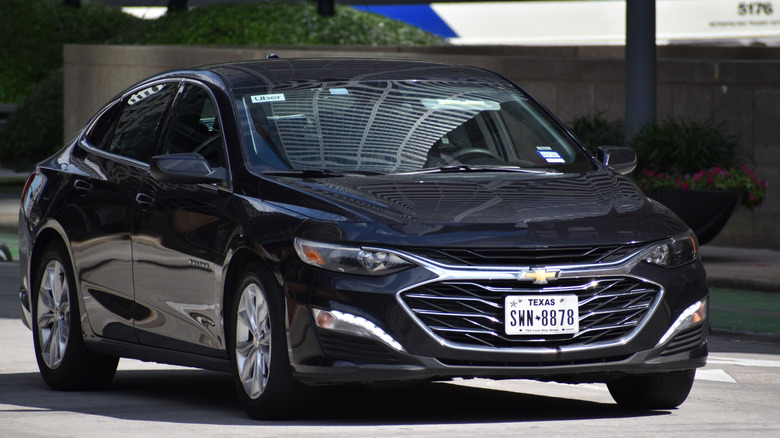
The Chevrolet Malibu serves as a contemporary case study in this phenomenon. As General Motors moves to retire the venerable sedan to make room for increased EV production, incentives have surged. Market data from GM Authority and other industry trackers indicates that manufacturers often offer "final-run" incentives that can include thousands of dollars in cash-back offers, 0% APR financing, or deferred payment plans for the first 90 days. In a market where the $20,000 new car has effectively vanished, a 10% to 20% discount on a discontinued sedan can bring the purchase price back into a range that is manageable for middle-income households.
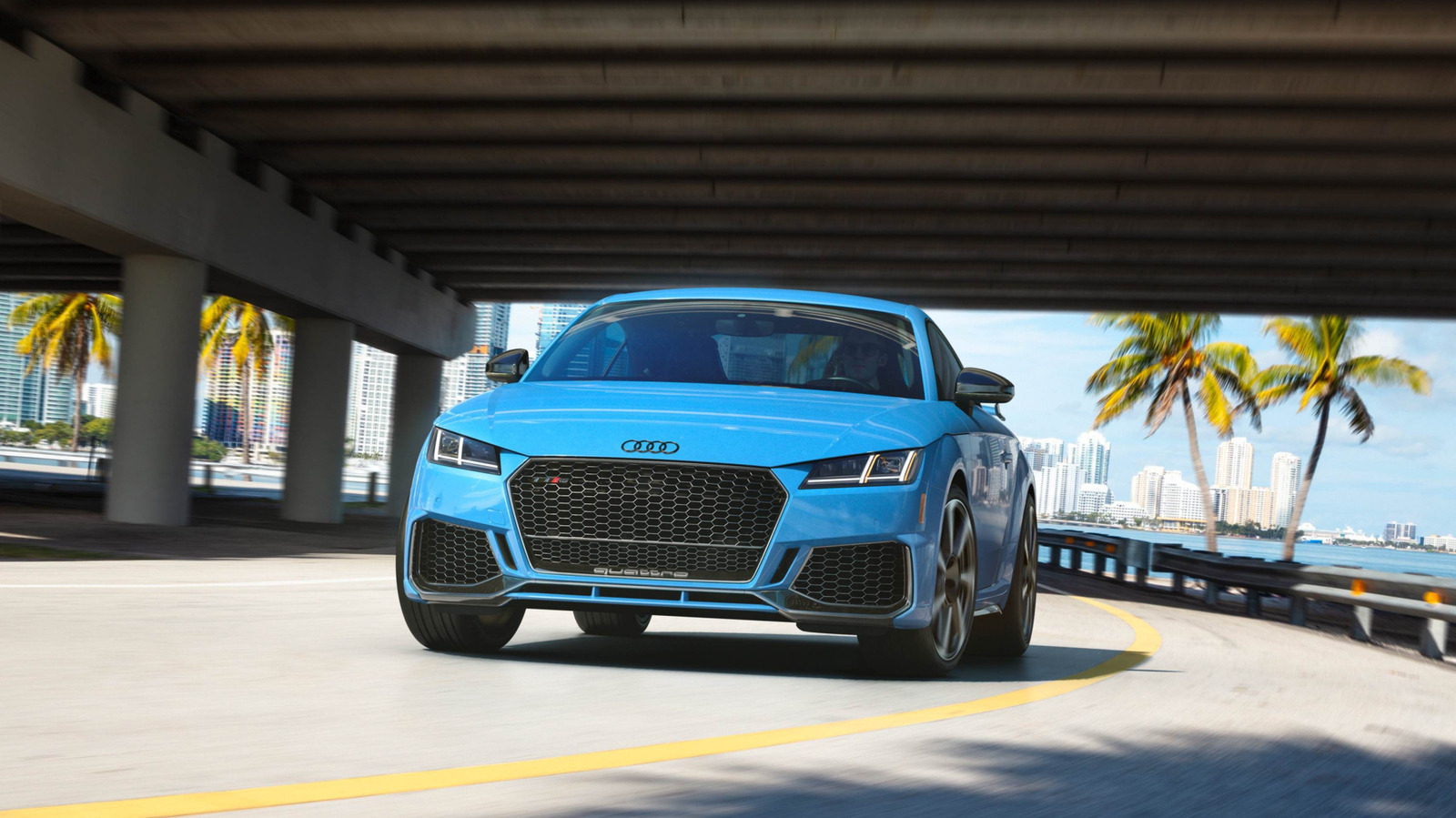
However, these savings are not merely a result of manufacturer altruism. They are a calculated move to clear inventory space for high-demand replacements. For the buyer, the "win" is the ability to secure a brand-new vehicle with a full factory warranty at a price point that rivals the used car market.
The Reliability Advantage: The "End-of-Cycle" Perfection
One of the most significant, yet frequently overlooked, benefits of buying a discontinued car is the maturity of its mechanical components. Automotive engineering follows a predictable cycle: the first year of a new generation (the "launch year") is often plagued by "teething" issues—software bugs, unforeseen mechanical stresses, or assembly line inconsistencies.
By the time a car reaches its final production year and faces discontinuation, the manufacturer has had years, sometimes a full decade, to refine the platform. Technical Service Bulletins (TSBs) have been addressed, and mid-cycle refreshes have typically replaced problematic components with more robust versions.
Historical data supports this "late-cycle reliability" theory. For instance, General Motors’ 2.2-liter EcoTec engines saw significant timing chain lubrication improvements after several years in production, making the final iterations of the cars they powered much more reliable than the early ones. Similarly, BMW’s N20 engine underwent a timing chain redesign in 2015; buyers who purchased the final years of models equipped with that engine avoided the catastrophic failures that plagued earlier adopters. A discontinued car is, in many ways, the "final draft" of an automaker’s vision, offering a level of proven durability that a brand-new, unproven model cannot guarantee.
The Parts Availability Myth vs. Reality
A common deterrent for potential buyers is the fear that a discontinued car will become unfixable once the manufacturer stops production. While this is a valid concern for rare or exotic low-volume vehicles, it is largely a myth for mass-market models.
Automakers are incentivized to continue producing spare parts long after a car leaves the showroom. The service and parts department is a major profit center for dealerships and manufacturers alike. Furthermore, the global automotive aftermarket—companies like Bosch, Denso, and various third-party suppliers—continues to produce essential components like filters, brakes, and suspension parts as long as there is a "parc" (the total number of vehicles on the road) large enough to justify it.
The Volkswagen Beetle, which ended its long run after the 2019 model year, illustrates the longevity of the parts ecosystem. Because the Beetle shared its "A5" platform and various engines with the Jetta and Golf, the mechanical parts remain abundant. Even for body-specific panels, the high volume of Beetles sold ensures that salvage yards will remain a viable source for decades. While there is no federal law in the United States mandating that automakers provide parts for a specific number of years, the market usually dictates a supply chain that lasts at least 10 to 15 years post-discontinuation.
The Technological Gap: What Buyers Sacrifice
The trade-off for reliability and cost-savings is almost always found in the cabin. The pace of automotive technological evolution currently mirrors that of the smartphone industry. A car designed in 2017 and discontinued in 2024 will lack the processing power, screen resolution, and connectivity features of a model designed in 2023.
Consider the transition from the Mazda CX-9 to the CX-90. While the outgoing CX-9 was a critically acclaimed, reliable three-row SUV, its replacement offers a quantum leap in interior technology. The CX-90 features larger digital clusters, superior 360-degree camera systems, and more efficient hybrid powertrains. A buyer opting for the discontinued CX-9 might save $5,000 to $7,000, but they lose out on wireless smartphone integration, advanced driver-assistance systems (ADAS) with better lane-centering, and superior fuel economy. For tech-focused consumers, the "savings" of a discontinued model are quickly eroded by the psychological cost of "buyer’s remorse" when they see the features of the newer generation.
The Depreciation Trap: Residual Value Realities
The most significant long-term risk of buying a discontinued model is the accelerated rate of depreciation. A vehicle’s "residual value"—what it is worth when you go to sell or trade it in—is heavily influenced by its perceived relevance.
When a model is discontinued, it often signals to the secondary market that the vehicle is "obsolete." Data from automotive valuation firms like CarEdge and Kelley Blue Book shows that discontinued sedans, such as the Ford Fusion or Chevrolet Cobalt, saw their resale values plummet faster than their surviving competitors like the Toyota Camry or Honda Civic.
However, there is a notable exception: performance and enthusiast cars. When a vehicle with a dedicated following is discontinued—especially one with an internal combustion engine (ICE) or a manual transmission—it can actually appreciate or hold its value remarkably well. The Chevrolet Camaro is a prime example. As the sun sets on the high-displacement V8 pony car, used prices for late-model LT1 and SS trims have remained remarkably close to their original MSRP. For the average commuter car, however, the buyer must be prepared to drive the vehicle "into the dirt," as the trade-off for the initial discount is a much lower check at the end of the ownership cycle.

Strategic Implications for the Modern Buyer
Buying a discontinued car is not a universal recommendation, but rather a strategic play for specific types of consumers.
For the "Value-Driven Long-Term Owner," the discontinued model is an ideal choice. If a buyer intends to keep a vehicle for 10 years or 200,000 miles, the rapid initial depreciation is irrelevant, as the vehicle’s value will be negligible by the time they sell it anyway. In this scenario, the initial $5,000 savings and the proven reliability of a late-cycle engine are pure profit.
Conversely, for the "Frequent Swapper" who trades in their vehicle every three years, a discontinued model is a financial liability. The "hit" taken on the trade-in value will likely exceed the initial savings found at the dealership.
As the industry continues its aggressive transition toward electric vehicles, the list of discontinued internal combustion models will only grow. Names like the Dodge Charger (in its Hemi V8 form), the Chrysler 300, and various small hatchbacks are disappearing. For the consumer, navigating this shift requires a move away from the "newest is best" mentality and a move toward a data-driven approach that balances immediate cash savings against the long-term realities of the automotive lifecycle. In the current economy, the "orphan" in the corner of the lot might just be the most sensible financial decision a driver can make.