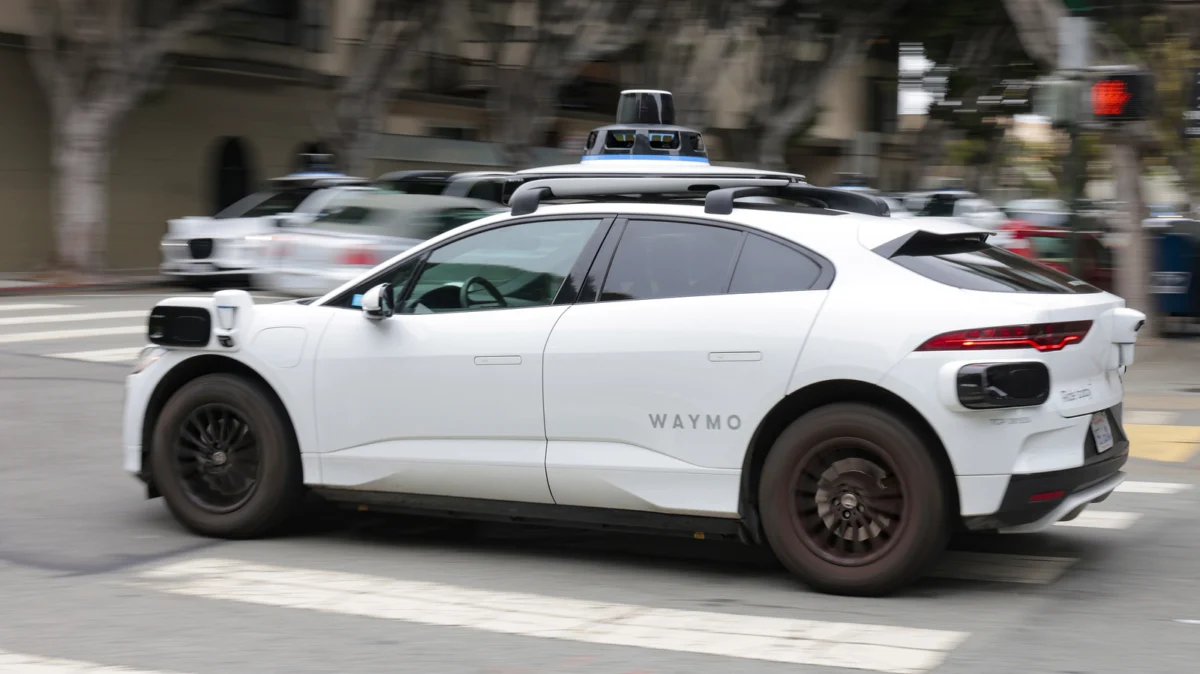
The landscape of urban transportation is undergoing a profound and contentious transformation as autonomous vehicle companies race to scale their operations across major metropolitan areas. While cities such as Los Angeles have gradually integrated driverless fleets into their daily traffic ecosystems despite initial friction, and others like Boston have firmly rejected their presence, Minneapolis is carving out an entirely unprecedented regulatory path. Local lawmakers in the Minnesota city have introduced a legislative measure that could fundamentally alter the economic and operational blueprint of the autonomous vehicle industry: a mandate requiring a licensed human driver to remain behind the wheel of every commercial robotaxi at all times.
The proposed legislation, officially titled "Workers Drive Minneapolis," aims to address intersecting concerns regarding public safety, labor displacement, and accountability. While Alphabet-owned Waymo is already conducting preliminary, manual-monitored testing on Minneapolis streets—a phase where vehicles transport no passengers and retain safety drivers to log data—the new ordinance looks ahead to the commercial passenger phase. If enacted, the rules would require any autonomous rideshare provider to secure a specific municipal operating license, guarantee that a human driver sits within immediate reach of the manual controls during all passenger trips, and ensure those workers are compensated at or above the local minimum wage.
Legislative Origins and Labor Advocacy
The genesis of the "Workers Drive Minneapolis" ordinance lies in a coalition between municipal lawmakers and labor organizations seeking to safeguard traditional driving jobs from the rapid encroachment of automation. City Council Member Robin Wonsley, a prominent champion of the proposal, has framed the initiative as an essential safeguard for vulnerable populations, particularly immigrant workers who heavily rely on rideshare and taxi driving for their livelihoods. According to supporters, the rapid deployment of autonomous fleets threatens to destabilize the local workforce without offering adequate mechanisms for accountability or community benefit.
Labor groups, including the Service Employees International Union (SEIU) Local 26 Rideshare Driver Organizing Committee, have heavily influenced the policy debate. Advocates point out that human drivers provide vital auxiliary services that machines are fundamentally incapable of replicating. From assisting elderly passengers with groceries and safely navigating intoxicated individuals to their homes to offering emotional support during difficult moments, human operators contribute a social value that algorithmic systems cannot match. By mandating human monitors, the ordinance attempts to preserve these community-oriented elements while mitigating the risk of mass structural unemployment among local drivers.
Industry Pushback and the Definition of Autonomy
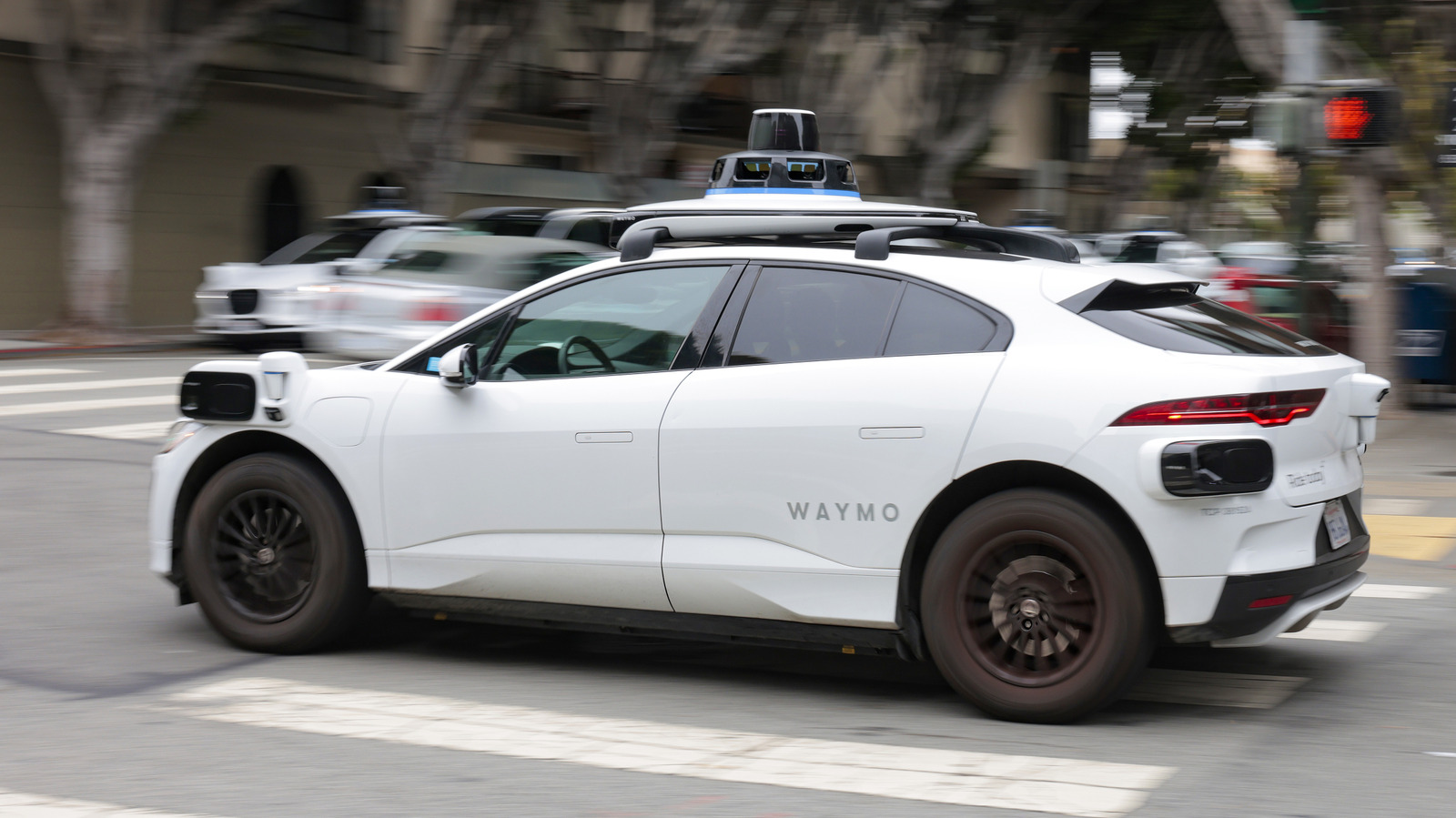
The reaction from the autonomous vehicle sector has been swift and critical. Representatives for Waymo and broader AV industry advocates have characterized the Minneapolis proposal not merely as a regulatory hurdle, but as a de facto prohibition on true autonomous technology. The core economic value proposition of autonomous ride-hailing relies entirely on the elimination of labor overhead—specifically, the cost of paying a human driver.
By legally obligating companies to employ a full-time, minimum-wage-earning operator behind the wheel of every vehicle, the ordinance effectively strips away the financial efficiency that underpins the robotaxi business model. Industry analysts note that complying with such a mandate would render commercial operations in Minneapolis economically unviable for Waymo, potentially forcing the company to abandon the market entirely rather than operate as a conventional, human-driven car service with high-tech sensors. Consequently, the debate has evolved into a high-stakes standoff over whether cities have the regulatory authority to mandate the preservation of human labor in an era of technological disruption.
Safety Records, Incidents, and Public Skepticism
Beyond labor concerns, the legislative push in Minneapolis is deeply anchored in growing public anxiety regarding the real-world safety and reliability of fully autonomous vehicles. While companies like Waymo heavily promote their technology as a statistical improvement over human drivers—citing independent research from organizations like the Insurance Institute for Highway Safety (IIHS) which suggests automated systems reduce certain types of collisions—municipal experiences paint a more complicated picture.
In various cities where Waymo fleets have launched, fully driverless vehicles have frequently encountered unexpected edge cases that disrupted traffic flow and created municipal headaches. Documented incidents include robotaxis inexplicably jamming up urban thoroughfares, blocking emergency response vehicles during critical calls, driving past legally stopped school buses, and even casually cruising through active police felony stops. These bizarre navigation failures have fueled skepticism among city planners and residents who question whether artificial intelligence is truly prepared to navigate the chaotic and unpredictable nature of dense urban environments without human oversight.
Comparative Approaches: Bans Versus Conditional Integration
Minneapolis’s strategy represents a unique middle ground in the national debate over autonomous vehicle deployment. Historically, municipalities have adopted one of two primary stances: welcoming autonomous testing and deployment with open arms to foster innovation, or enacting outright bans and blanket rejections to avoid disruption.
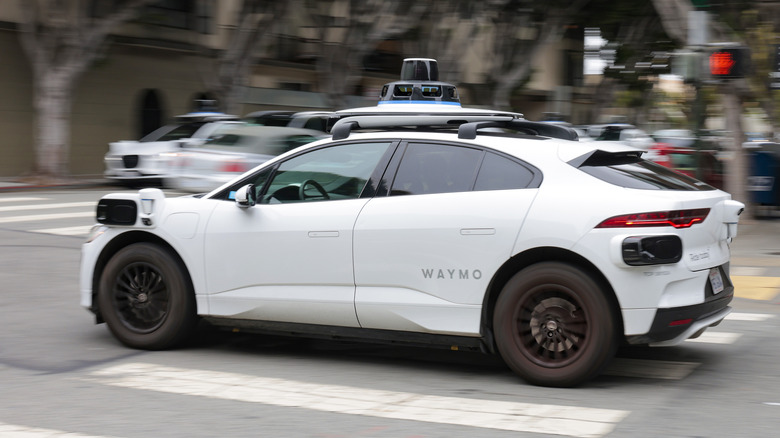
By contrast, the Minneapolis proposal neither issues a blanket prohibition nor grants unvetted operational freedom. Instead, it introduces a conditional framework that permits autonomous technology to exist only under terms that protect local labor markets and maintain direct human accountability. Public hearings scheduled for late September are expected to draw intense debate from tech lobbyists, labor representatives, and city residents alike.
Broader Economic and Municipal Implications
The outcome of the Minneapolis ordinance could set a critical precedent for cities nationwide that are grappling with the arrival of robotaxi fleets. As autonomous vehicle technology continues to mature, local governments are increasingly forced to balance the allure of futuristic, smart-city infrastructure against the immediate economic security of their constituents.
If Minneapolis successfully passes and defends the "Workers Drive Minneapolis" ordinance, it may embolden other labor-conscious cities to implement similar human-in-the-loop mandates, effectively reshaping how autonomous mobility companies scale across the United States. Conversely, if the measure is defeated or successfully blocked by industry litigation, it will underscore the overwhelming legal and economic leverage held by tech conglomerates over municipal policymaking. Ultimately, the debate in Minnesota transcends local traffic regulations, serving as a defining test case for the future of human labor in the automated economy.