
One Nation has unveiled a contentious new immigration platform centered on slashing 750,000 temporary visa holders from Australia over a three-year period, a policy proposal that has immediately drawn fierce condemnation from both the federal Labor government and the conservative Coalition. The radical policy targets international students, dependents of skilled migrants, and individuals who have exhausted legal avenues to remain in the country, effectively rolling back temporary migration figures to 2017 benchmarks.
According to party leader Pauline Hanson, the ambitious plan would plunge Australia’s net overseas migration (NOM) into "net-negative" territory for the first three consecutive years before stabilizing at an annual intake of 130,000. However, the proposal has already ignited intense scrutiny over its economic viability and internal comprehension. During recent policy rollouts, several One Nation parliamentarians struggled to accurately define net migration metrics, leaving economists and political opponents questioning whether categories such as seasonal agricultural workers under the Pacific Australia Labour Mobility (PALM) scheme or international backpackers are properly accounted for within the sweeping targets.

The debate over One Nation’s immigration strategy unfolds against a backdrop of wider parliamentary tensions, overlapping housing announcements, and bitter personal feuds involving Hanson and high-profile political figures.
Background and Economic Implications
Net overseas migration measures the net gain or loss of population through immigration to and emigration from Australia over a specified timeframe, generally tracking individuals residing in or out of the country for 12 months or more within a 16-month window, thereby excluding short-term tourists.
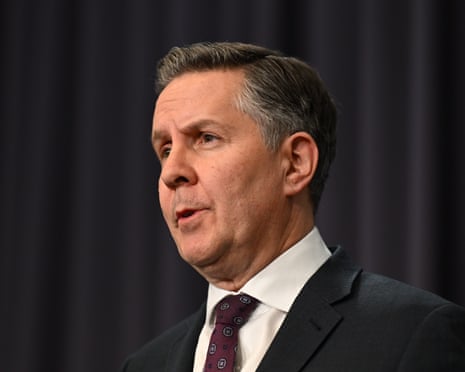
The economic fallout of an abrupt contraction in temporary arrivals has unified the major parties in staunch opposition. Health Minister Mark Butler warned that a 750,000 reduction in temporary visas would paralyze vital sectors of the Australian economy. Speaking to reporters in Canberra, Butler asserted that the policy would inflict severe damage on construction, aged care, healthcare, and disability support industries that heavily rely on overseas labor.
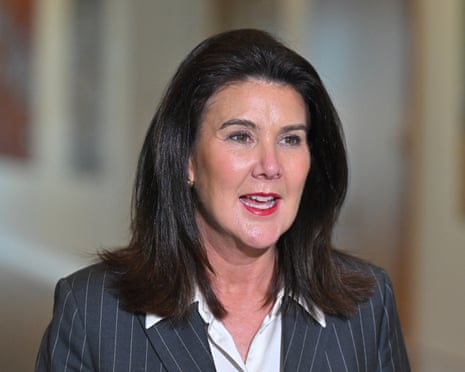
Echoing these concerns, Deputy Liberal Leader Jane Hume argued that a prolonged net-negative migration trajectory would risk pushing the national economy into a recession, ultimately making all Australians poorer. Hume criticized One Nation for introducing sweeping economic targets allegedly devoid of rigorous independent modeling or analytical backing.
Despite the shared rejection of One Nation’s specific proposal, the major political parties remain deeply divided over their own immigration frameworks. The Coalition has repeatedly pressed the federal government to tether permanent and temporary migration caps directly to national housing construction outputs, demanding that the housing minister report annual home completion figures to parliament to establish legal caps on arrivals. Meanwhile, the government’s long-anticipated migration overhaul—originally slated for release by Home Affairs Minister Tony Burke—has faced repeated delays, fueling criticism that Labor is struggling to balance economic demands with public anxiety over housing affordability.
Chronology of Recent Political Flashpoints
The immigration debate compounds an already volatile sitting week in federal parliament, dominated by heated exchanges over personal conduct, parliamentary ethics, and inflammatory rhetoric.
The controversy is intrinsically linked to a series of escalating verbal clashes involving Pauline Hanson, government ministers, and opposition figures:
- February: Hanson appeared on a political podcast where she publicly criticized the duration of time Prime Minister Anthony Albanese’s late mother spent residing in public housing, describing the historical housing commission tenancy as excessive.
- August: One Nation released an animated digital campaign video targeting opposition figures and former SAS captain turned Liberal MP Andrew Hastie, famously labeling him a "traitor" following his evidence in defamation proceedings. Hanson subsequently denied directly labeling Hastie a traitor, though the video remained pinned to her social media channels.
- September (Mid-Month): The prime minister blasted Hanson’s comments regarding his mother as acts of "nastiness and spitefulness," triggering a broader wave of bipartisan condemnation.
Bipartisan Pile-On Over Personal Attacks
The political fallout from Hanson’s remarks regarding Anthony Albanese’s late mother intensified on Monday morning, drawing sharp rebukes across the political spectrum. Environment Minister Murray Watt told ABC RN Breakfast that Hanson’s remarks were "despicable" and demanded an unconditional apology. Watt accused the One Nation leader of repeatedly "punching down" on vulnerable demographics, noting that the party’s rhetoric has targeted workers, migrants, childcare users, and victims of domestic violence.
In a rare alignment of political perspectives, senior members of the conservative opposition also condemned the commentary. Liberal Senator Jane Hume described the remarks as "gratuitous and unnecessary," arguing that disparaging individuals who grew up in public housing reflects a troubling pattern of provocative rhetoric. Hume also linked the controversy to Hanson’s ongoing feud with Andrew Hastie, characterizing the animated video attack on the veteran parliamentarian as a severe breach of political norms.
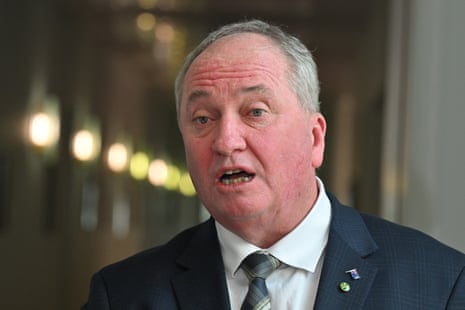
Liberal backbencher and former Nationals leader Barnaby Joyce offered a nuanced defense of public housing duration limits while maintaining that the prime minister’s reliance on his personal upbringing narrative "doesn’t wash" given his current property portfolio and upcoming relocation. However, Joyce’s qualified defense did little to stem the rising tide of parliamentary outrage aimed at isolating One Nation’s rhetorical style.
Housing Package and Broader Domestic Agenda
Amid the political crossfire over migration and rhetoric, the federal government sought to refocus public attention on its domestic agenda by announcing a $300 million injection of direct grants aimed at boosting crisis and transitional accommodation.
Housing Minister Clare O’Neil and Social Services Minister Tanya Plibersek confirmed that the funding package—repurposed from previously announced concessional loans following sector consultations—will deliver 500 new homes designed to support approximately 19,000 vulnerable Australians. The initiative is projected to assist upwards of 50,000 women and children escaping domestic and family violence, alongside at-risk youths facing homelessness. Providers ranging from state governments and community housing organizations to First Nations community groups are set to receive the direct capital injections.

Concurrently, property data released by Cotality revealed a tentative rebound in weekend auction clearance rates, hitting a 19-week high of 58.5% nationally. Despite the marginal uptick in clearance success, market analysts emphasize that overall auction volumes remain depressed—sitting roughly 30% lower than figures recorded at the same time in the previous year—underscoring the persistent structural supply constraints within Australia’s property market.
Policy Implications and Outlook
As federal parliament enters a critical sitting phase, the confluence of radical migration proposals, housing pressures, and ethics debates underscores the shifting dynamics of Australian politics. One Nation’s positioning on temporary visas highlights the potency of cost-of-living and housing supply anxieties as electoral wedges, even if the mechanics of their policy proposals invite expert skepticism.
With both the Labor government and the Coalition warning that drastic cuts to temporary migration risk severe economic contraction, the broader debate highlights the delicate balancing act facing policymakers: attempting to alleviate acute housing and infrastructure strains without inducing labor shortages in critical care, construction, and educational sectors.