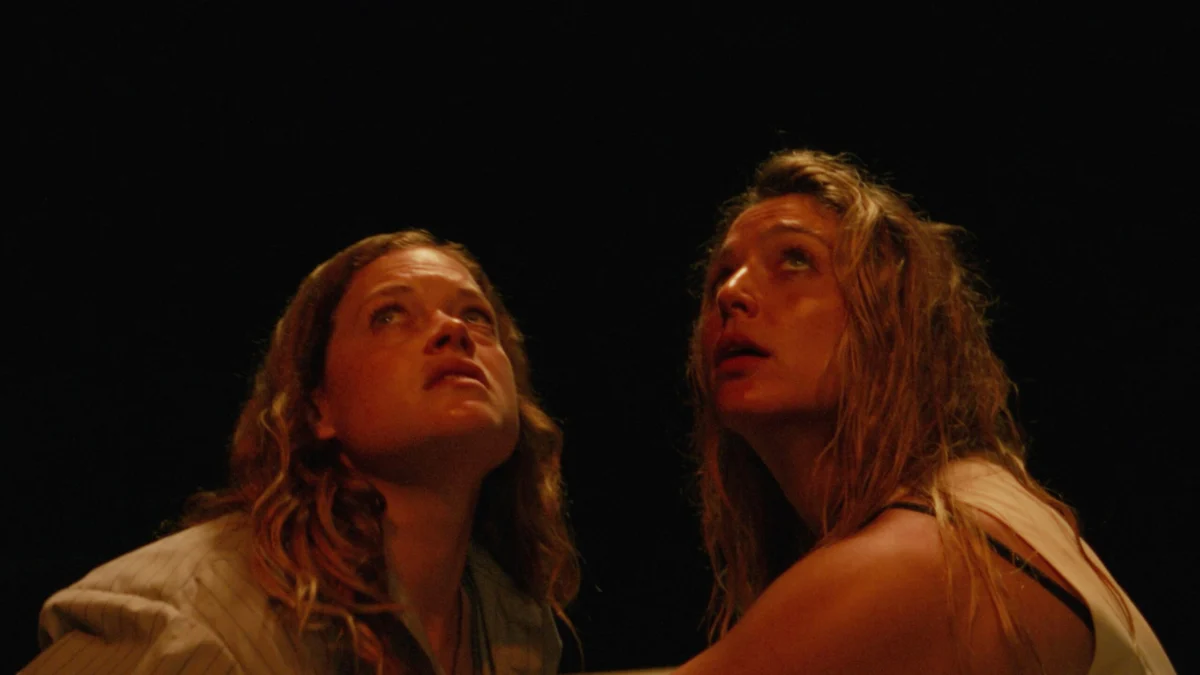
The 2026 Toronto International Film Festival has officially ignited its acquisition market following a sluggish opening week characterized by industry complaints over a subdued pace of business. Despite the recent implementation of an enhanced official market structure designed to accelerate deal-making, major studios and independent distributors had largely adopted a wait-and-see approach. That cautious atmosphere shattered in the early hours of Monday morning when Universal Pictures and Jason Blum’s newly consolidated Blumhouse Atomic Monster banner closed a high-stakes acquisition for Joshua Giuliano’s psychological horror thriller River.
The transaction, which values the feature film at more than $10 million, represents the first major splash of the festival. It successfully wrestled the hot commodity away from a competitive field of Hollywood heavyweights. River debuted to a rabid, fiercely enthusiastic response during its Midnight Madness screening at the festival, immediately establishing itself as the title every major genre player and studio wanted to claim.
The Chronology of a High-Stakes Acquisition Battle
The path to the record-breaking deal was marked by intense competition, rapidly shifting momentum, and a series of strategic dropouts that left industry observers transfixed. IFC Films originally entered the Toronto International Film Festival holding the rights to River, anticipating a steady platform release or a standard genre rollout. However, the sheer ferocity of the audience and critical reaction during the Midnight Madness premiere completely upended those initial projections.
By Saturday night, the landscape of interested parties had begun to crystallize. Several prominent distributors, including Focus Features, Paramount Pictures, A24, and Netflix, evaluated the picture but ultimately passed on making formal bids. As the weekend concluded, Sony Pictures emerged as a dominant frontrunner. By Monday morning, industry trackers believed Sony had locked down the picture with a competitive bid of $8 million, a figure that would have already positioned the film as one of the festival’s most lucrative sales.
However, the morning brought a dramatic turn of events. Sony’s bid faltered, opening a narrow window of opportunity. Jason Blum, acting alongside Universal Pictures under the banner of their newly minted Blumhouse Atomic Monster partnership, aggressively re-entered the fray. Outbidding all lingering competition, the Universal-backed horror powerhouse clinched the worldwide rights for a final price tag exceeding $10 million.
For IFC Films, parting ways with a premier feature commodity in a booming theatrical box office marketplace is historically counterintuitive. Distribution executives rarely surrender proven crowd-pleasers when audience demand for theatrical releases remains robust. Yet, the financial terms offered by the winning coalition proved simply too lucrative to resist, prompting IFC to relinquish its hold on the title in exchange for an immediate and substantial financial windfall.
Inside the Film: Cast, Plot, and Critical Reception
At the center of this bidding war is a tense, claustrophobic narrative crafted by director Joshua Giuliano. River follows three deeply embittered siblings who find themselves stranded together on a remote country boat. As old familial resentments bubble to the surface, their isolation is violently interrupted when they realize they are being systematically stalked by a relentless, faceless killer.
The harrowing feature stars Jane Levy, known for her acclaimed performances in prominent genre entries, alongside Jessica Rothe, whose pedigree in elevated horror and psychological thrillers has made her a reliable anchor for suspenseful cinema. The synergy between the script’s psychological family drama and the external physical threat has been singled out by critics as a masterclass in modern tension-building.
Critical consensus has mirrored the enthusiastic audience response at the festival. Early reviews tallied on Rotten Tomatoes reflect an impressive 83 percent approval rating across the initial dozen reviews, cementing River as both a commercial crowd-pleaser and a critically respected artistic achievement.
Strategic Roots and Institutional Ties
The acquisition of River by Blumhouse Atomic Monster is far from a random collision of capital and product; it represents the culmination of pre-existing professional relationships and calculated corporate strategy. Throughout the weekend, the team at Blumhouse Atomic Monster demonstrated an unyielding passion to secure the project, driven largely by institutional familiarity with the filmmaker.
Sam Zimmerman, who spearheads the independent film division at Blumhouse’s genre-focused studio, previously worked closely with Giuliano on River during Zimmerman’s tenure at Shudder, the premier streaming destination for horror, thriller, and supernatural content. This shared history allowed the studio to evaluate the commercial potential of the project with a high degree of precision long before it hit the festival circuit.
Furthermore, this acquisition reinforces an already rapidly expanding creative partnership between the filmmaker and the studio. Just last week, ahead of the festival’s official opening, Blumhouse Atomic Monster, alongside production entities Divide/Conquer and Spooky Pictures, officially inked a deal to finance and produce Giuliano’s next feature film, Occupant. By capturing River, Universal and Blumhouse have effectively solidified an exclusive, multi-picture alliance with one of the genre’s most promising emerging voices.
Precedents for Success and Box Office Implications
For Universal Pictures and Blumhouse, high-priced festival acquisitions of psychological horror have a proven history of yielding astronomical returns on investment. Industry analysts are already drawing direct parallels to the studio’s acquisition strategy at the Toronto International Film Festival last year.
During the 2025 festival circuit, Blumhouse, operating in tandem with Focus Features, acquired the psychological thriller Obsession for a reported $15 million. That calculated bet transformed into a historic global box office phenomenon, ultimately grossing more than $513 million worldwide. Beyond its staggering commercial dominance, that Curry Barker-directed project successfully transitioned into an awards-season contender, proving that high-concept genre cinema can bridge the gap between commercial profitability and critical prestige.
By securing River for upwards of $10 million, the Universal and Blumhouse Atomic Monster coalition is employing a nearly identical playbook. The strategy relies on identifying high-impact genre titles with passionate festival footprints, securing global distribution rights early, and deploying widespread theatrical marketing campaigns designed to capture both traditional horror enthusiasts and mainstream demographic segments.
Broader Market Impact on the 2026 Toronto International Film Festival
The closure of the River deal serves as a much-needed psychological and financial anchor for the 2026 Toronto International Film Festival market. In the days leading up to the transaction, industry executives and international buyers had voiced mounting frustrations over a sluggish pace of business. Despite leadership’s implementation of a formalized market structure meant to streamline acquisitions, sales had trickled in slowly, fostering an atmosphere of cautious hesitation among competing studios.
The aggressive, multi-studio bidding war that culminated in Universal and Blumhouse claiming River is expected to serve as a catalyst for the remainder of the festival. Market analysts suggest that the psychological barrier of hesitancy has now been broken, encouraging competing buyers who missed out on the Giuliano film to accelerate their own evaluations of remaining competition titles.
As the festival progresses into its final days, attention will undoubtedly shift toward whether other high-profile genre and prestige titles can replicate the bidding fervor generated by River. For now, Universal Pictures and Blumhouse Atomic Monster have established themselves as the apex predators of the 2026 acquisition market, securing a prized asset that promises to command both theatrical box office attention and cultural conversation upon its eventual wide release.