The contemporary cinematic landscape has long struggled to find an appropriate visual and narrative vocabulary for the existential dread of the climate crisis. While documentaries provide stark, unvarnished data, narrative fiction often falters when attempting to capture a catastrophe so vast, slow-moving, and systemic. Enter Alejandro G. Iñárritu, the celebrated Mexican auteur whose latest directorial effort, the polarizing climate allegory Digger, has ignited fierce debate among critics and audiences alike since its theatrical release.
Rejecting the prevailing consensus of negative reviews and disappointing box-office returns, a closer examination of the film reveals a complex, deliberately abrasive work of art. Rather than offering a comforting, traditional narrative about environmental stewardship, Iñárritu leans heavily into sensory overload, presenting a metatheatrical critique of how society processes, performs, and ultimately commodifies planetary collapse.
Main Facts of the Production and Reception
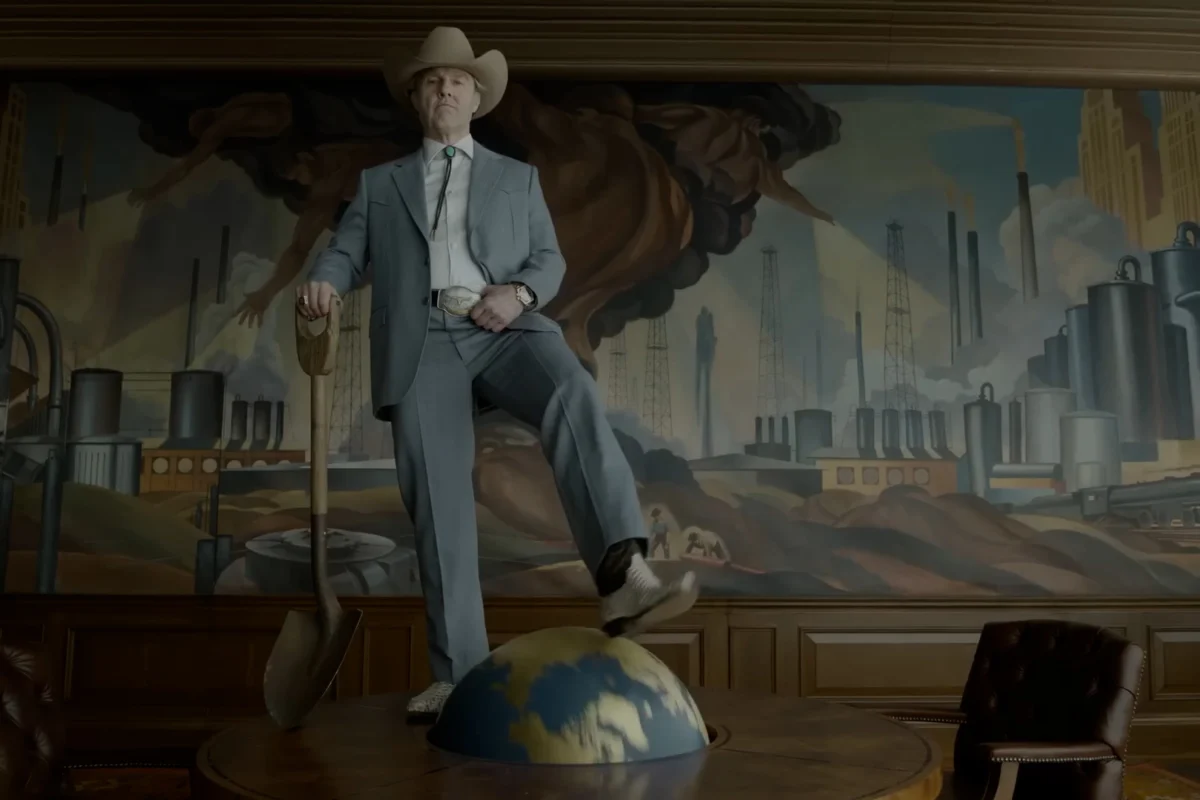
Digger stands as perhaps Alejandro G. Iñárritu’s most visually maximalist and sonically demanding project to date. Starring Tom Cruise in a deeply unconventional role alongside a robust ensemble featuring Riz Ahmed, John Goodman, and Sophie Wilde, the film initially presents itself as a broad, satirical takedown of corporate greed and governmental complicity in the fossil fuel industry.
The narrative ostensibly follows Digger Rockwell, an unrepentant oil tycoon played by Cruise, who flagrantly dismisses warnings from climate scientists regarding a catastrophic methane leak in the Arctic ice sheet. When these warnings materialize—resulting in an explosion at a Greenland drilling site that triggers a colossal ice shelf to drift toward Europe—Rockwell and a ghoulish U.S. President, played by John Goodman, descend into panicked absurdity.
However, approximately midway through its runtime, the film executes a jarring narrative pivot. It is revealed that Cruise’s character is not actually an oil tycoon, but rather an actor named Curtis Markson rehearsing for a stage play twenty-five years after a real-world European mega-disaster. This play-within-a-movie structure transforms Digger from a conventional eco-thriller into an introspective, deeply uncomfortable examination of art’s utility in the face of irreversible ecological ruin.
Chronology and Development of the Project
The genesis of Digger traces back to Iñárritu’s desire to push the boundaries of large-scale studio filmmaking while maintaining the auteur-driven perspective that earned him consecutive Academy Awards for Best Director for Birdman (2014) and The Revenant (2015). Development began quietly in the wake of the COVID-19 pandemic, a period that fundamentally shifted global anxieties toward systemic fragility.
Principal photography commenced under tight security, with early industry rumors suggesting a high-concept thriller blending corporate corruption with environmental disaster. The casting of Tom Cruise—an actor globally synonymous with death-defying practical stunts and heroic triumph—as a morally bankrupt, bumbling villain added an immediate layer of meta-commentary.
Following a grueling post-production phase marked by extensive sound design and visual effects work to render the Greenland catastrophe and subsequent sea-level anomalies, the film debuted on the international festival circuit. It was met with immediate polarization. While technical crafts, particularly the cinematography and performances, received praise, the cacophony of the soundscape and the convoluted metatheatrical twist drew sharp rebukes from mainstream critics who labeled the film bloated and incoherent.
Supporting Data and Context within Climate Cinema
Digger enters a crowded cinematic ecosystem of contemporary films attempting to visualize systemic collapse through heightened, often abrasive aesthetics. Over the past decade, Hollywood and independent sectors have increasingly gravitated toward what cultural critics term "maximalist anxiety cinema."
Films such as Boots Riley’s Sorry to Bother You, Josh and Benny Safdie’s Uncut Gems, and recent works like Eddington utilize sensory bombardment—high decibel levels, frantic editing, and relentless pacing—to mirror the psychological toll of modern information saturation. Data from cultural research firms indicate a rising consumer appetite for climate-themed narratives, yet box office analytics consistently show that didactic or overly moralistic environmental films underperform compared to genre-blending allegories.
Digger’s box office struggles align with historical trends for high-budget art-house hybrids. With an estimated production budget upwards of $150 million, the film’s refusal to provide traditional narrative catharsis alienated general audiences looking for standard blockbuster escapism. Yet, its reliance on stark imagery—such as decaying urban landscapes, surreal visual glitches, and relentless auditory noise—places it firmly within a lineage of prestige pictures that prioritize thematic provocation over commercial safety.
Official Responses and Industry Implications
The commercial and critical divergence surrounding Digger has prompted widespread discussions within the entertainment industry regarding the viability of high-risk auteur projects in an increasingly risk-averse studio climate. Major studios, heavily reliant on established intellectual property, have grown increasingly hesitant to greenlight original, multi-million-dollar philosophical essays disguised as genre films.
In recent press interviews, Iñárritu has defended the uncompromising nature of his vision. Acknowledging the film’s imperfections, the director emphasized a philosophy of creative risk-taking, stating that the imperative of modern art is not to provide comforting answers, but to interrogate the very mechanisms of storytelling.
Supporting cast members have similarly echoed these sentiments. Riz Ahmed, who portrays the noble yet marginalized climate scientist Ganesh (both within the film’s narrative universe and as an actor within the stage play), has noted in promotional panels that contemporary art must grapple with the limits of representation. The character of Hannah, the progressive theatre director played with fierce intensity by Sophie Wilde, serves as a direct proxy for these debates, vocally questioning whether artistic expression holds any tangible value when historical atrocities have already been locked into the geological record.
Broader Impact and Philosophical Implications
At its core, Digger forces a confrontation with the fundamental limits of artistic activism. The film’s second-act revelation—that the audience has been watching a theatrical rehearsal examining a past tragedy—subverts the traditional redemption arc found in environmental dramas. By shifting the focus from stopping a crisis to memorializing and profiting from a post-crisis reality, Iñárritu raises an uncomfortable question: What if art cannot save the world?
This pessimistic, or perhaps rigorously realistic, thesis places Digger at odds with traditional Hollywood messaging, which frequently champions individual heroism and narrative resolution. Instead, the film suggests that human beings are fundamentally ill-equipped to narrate their own downfall, reducing planetary catastrophes to theatrical spectacles, political farces, or vehicles for personal legacy.
Whether these themes will resonate with future generations of film historians or remain a fascinating misfire of a master filmmaker remains to be seen. However, by refusing to offer easy consolations or palatable moral lessons, Digger succeeds in doing what few modern blockbusters dare to attempt: it leaves its audience stranded in the disquieting space between real-world disaster and the stories we invent to justify it.