The modern landscape of urban mobility is currently dominated by a resurgence of interest in low-speed, compact electric vehicles. With the debut of the Citroen Ami in 2020 and the subsequent introduction of the Fiat Topolino, major automotive manufacturers are effectively revisiting a segment of the market that was already being explored during the mid-20th century. While these contemporary quadricycles are marketed as innovative solutions to urban congestion and carbon-neutral transit, a deep dive into automotive history reveals that the fundamental specifications of these vehicles have remained largely stagnant since the 1960s. A rare 1961 Electric Shopper, currently listed for sale on Craigslist, serves as a poignant reminder that the constraints and capabilities of lightweight electric transit were mastered decades before the current EV boom.
The Origins of the Electric Shopper
In the late 1950s and early 1960s, the American automotive industry was characterized by massive tailfins, excessive chrome, and high-displacement V8 engines. Amidst this era of gas-guzzling excess, the Electric Car Company, based in Long Beach, California, sought to provide a practical alternative for short-range, local travel. The resulting product, the Electric Shopper, was a curious departure from the norm.
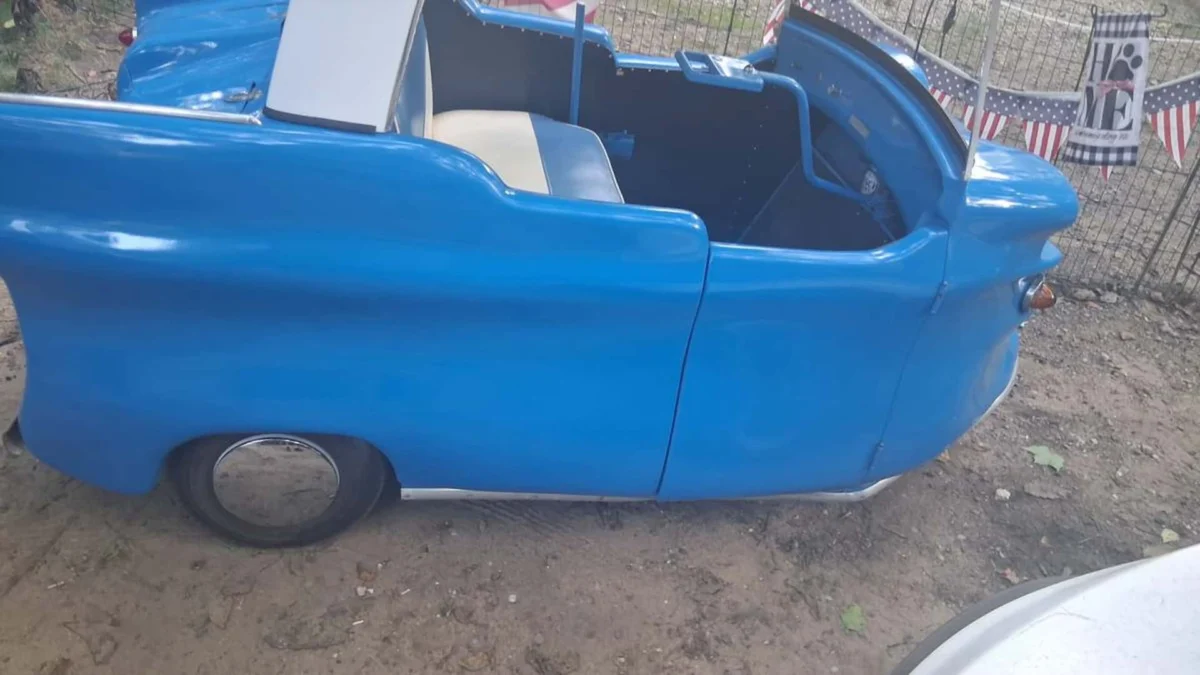
Designed as a purpose-built grocery getter, the vehicle featured an aesthetic that mirrored the design language of its time, albeit at a significantly reduced scale. With sculpted headlights, modest tailfins, and a two-tone roof, the Electric Shopper was a miniaturized reflection of 1950s American car culture. Despite its diminutive size—often compared to a large pair of sneakers or a glorified toy—the vehicle was engineered for functionality. It was intended to bridge the gap between walking and traditional driving, serving residents of suburban neighborhoods who required a convenient method for short errands.
A Chronology of Low-Speed Electrification
The history of micro-EVs is not a linear progression of rapid technological advancement, but rather a series of fits and starts. The timeline of the Electric Shopper and its modern successors provides a unique look at how industry priorities have shifted over six decades:
- 1960: The Electric Car Company launches the Electric Shopper in California, marking an early attempt at mass-producing a dedicated electric urban commuter.
- 1960s–2010s: The segment remains largely dormant as gasoline prices remain relatively stable and consumer preference leans toward larger, more versatile vehicles.
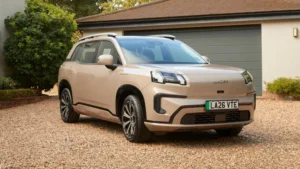
- 2020: Citroen introduces the Ami, a compact, two-seat electric quadricycle designed to address the "last mile" transit problem in European cities.
- 2023: Fiat unveils the Topolino, utilizing the architecture of the Ami but rebranding it with Italian design flair, effectively re-entering the micro-mobility segment.
- 2024: Renewed interest in vintage electric vehicles highlights the parity between the 1961 Electric Shopper and the 2024 Topolino in terms of speed, range, and intended use cases.
Comparative Technical Analysis
When comparing the technical specifications of the 1961 Electric Shopper with contemporary offerings like the Fiat Topolino, the lack of significant performance gains is striking. The Electric Shopper was powered by a modest 1.5-horsepower rear-mounted electric motor. While this output is insufficient for highway driving, it was perfectly adequate for the vehicle’s intended purpose.
In terms of energy storage, the Shopper utilized traditional lead-acid battery technology. Despite the age of this chemistry, it provided a range of approximately 30 miles on a single charge. For context, the standard Fiat Topolino, equipped with modern lithium-ion technology, offers a range of approximately 46 miles. When considering that the Shopper operated on technology developed over sixty years ago, the marginal increase in range offered by the Topolino is less than one might expect.
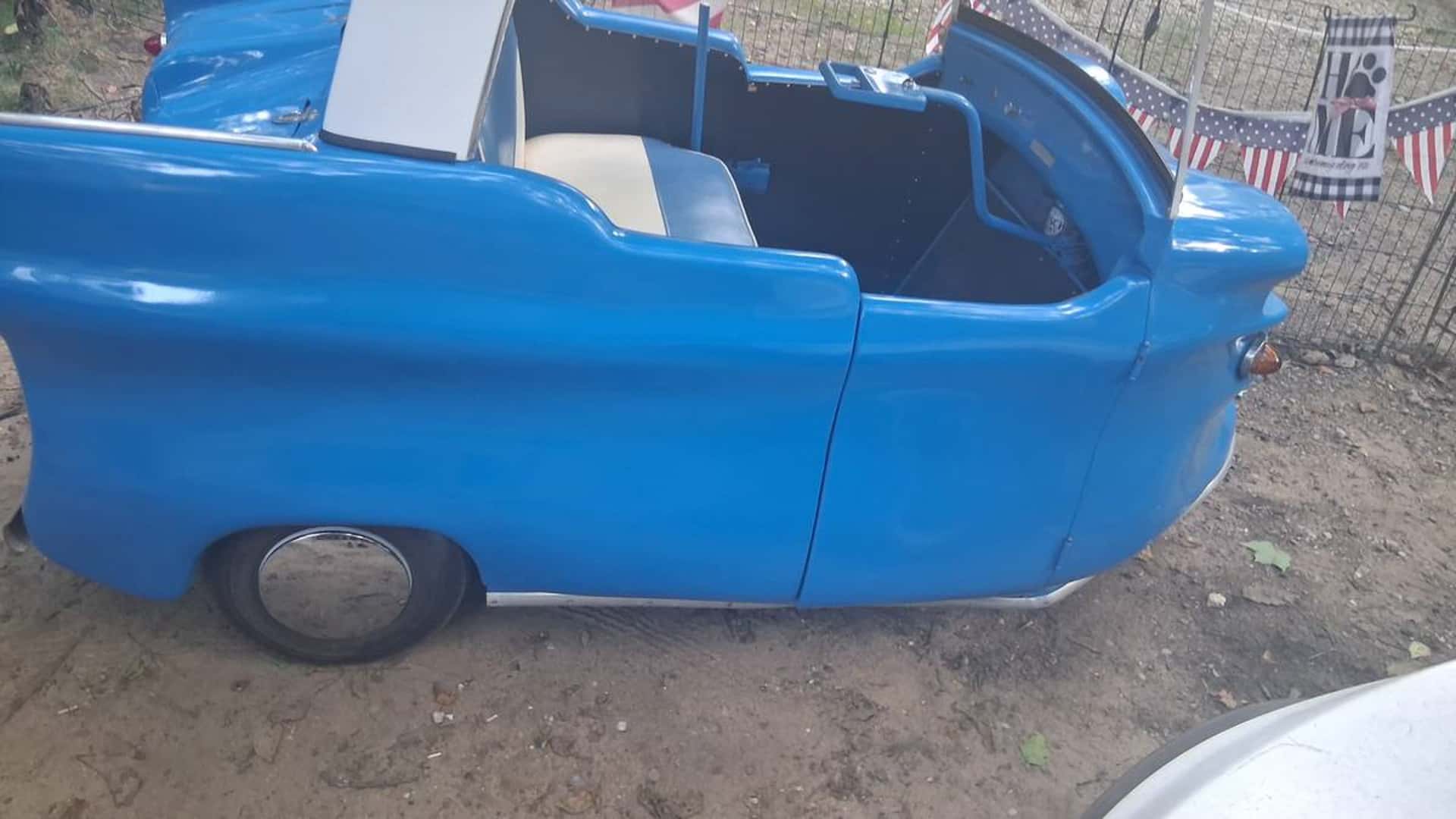
Furthermore, the top speed of the Shopper is rated at 18 mph. The current Fiat Topolino, in its standard U.S. configuration, features a top speed of 19 mph, with an upcoming software update intended to push that figure to 25 mph to meet residential road-legal requirements. This comparison suggests that for short-distance, low-speed urban transit, the constraints imposed by vehicle weight and safety regulations have kept the performance envelope nearly identical for over half a century.
Rarity and Historical Significance
The Electric Shopper currently available for purchase is documented as having 129,000 miles on the odometer, a testament to its durability and potential for regular use. According to the seller, only about 15 units are estimated to exist worldwide, with only seven currently documented. The rarity of the vehicle is underscored by its presence in institutional collections; the seller notes that two units are held in museum settings, including the Route 66 Electric Vehicle Museum and a previous exhibit at the Petersen Automotive Museum.
This level of scarcity places the vehicle in a different category than a standard modern quadricycle. While a Fiat Topolino can be purchased for roughly the same price—approximately $12,500—the value proposition for the Electric Shopper is rooted in historical rarity rather than utility. For a collector, the Shopper represents a pivotal, if overlooked, moment in the history of alternative propulsion. For a consumer seeking a practical daily driver, however, the modern options offer superior safety features, parts availability, and creature comforts.
Broader Implications for Urban Mobility
The continued relevance of the Electric Shopper’s specifications raises significant questions regarding the evolution of urban mobility. If the fundamental requirements for short-range transit—speed, range, and footprint—have remained static since the early 1960s, why has the mass adoption of such vehicles taken so long?
The answer lies in a combination of infrastructure, regulation, and market perception. In the 1960s, the Electric Shopper faced a market that was heavily subsidized by cheap fuel and an infrastructure designed exclusively for full-sized automobiles. There were few, if any, legal provisions for "quadricycles" or low-speed vehicles (LSVs) on public roads, and consumer demand for personal autonomy was inextricably linked to the performance of internal combustion engines.
Today, the regulatory environment is beginning to shift. Many European cities are implementing low-emission zones (LEZs) and reducing speed limits in urban centers, creating a favorable environment for vehicles like the Ami and Topolino. Yet, the existence of the Electric Shopper proves that the technology for this transition was available decades ago. The delay in adoption was not a failure of battery or motor technology, but a failure of urban planning and a lack of societal consensus on the necessity of downsizing private transport.
Conclusion
The 1961 Electric Shopper is more than just a quirky piece of automotive history; it is a benchmark against which modern progress is measured. While the automotive industry celebrates the release of compact EVs as a triumph of modern engineering, the specs of the Shopper suggest that we have, in many ways, merely circled back to where we started. The rarity of the Shopper ensures that it will likely remain a museum piece or a collector’s item, but its existence serves as a vital reminder that innovation is as much about the environment in which a vehicle operates as it is about the technology under the hood. As cities continue to densify and the pressure to reduce urban carbon footprints grows, the lessons of the early 1960s remain as pertinent as ever: effective urban mobility requires not just a change in propulsion, but a fundamental change in how we perceive the role of the personal vehicle in the city.