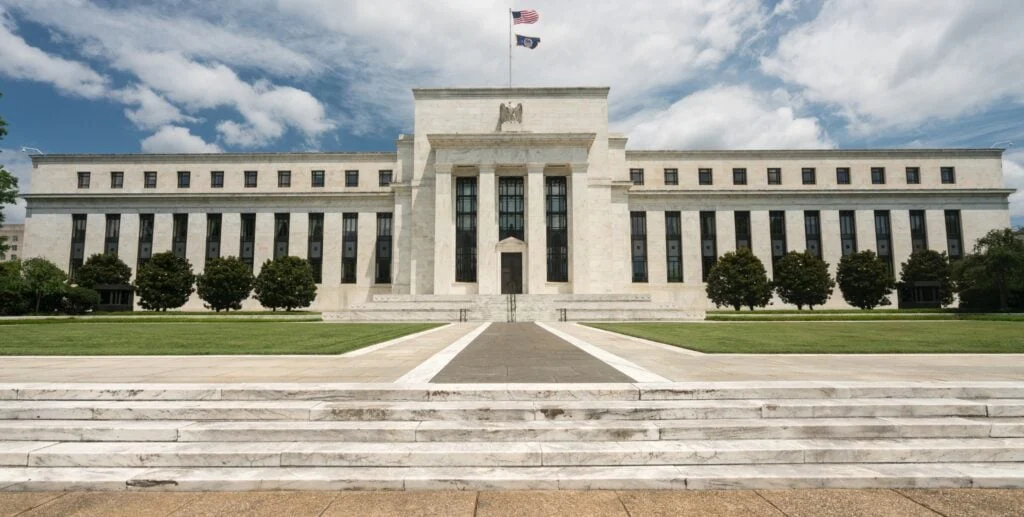
The Federal Reserve’s recent decision to implement a quarter-percentage-point interest rate hike has sent a clear signal to the real estate market: the era of "easy money" remains firmly in the rearview mirror. This latest adjustment, coming after a period of intense volatility and shifting geopolitical pressures—most notably the economic ripples from the conflict in Iran—has forced investors to recalibrate their expectations for the remainder of the year. While the move was not entirely unexpected, its arrival serves as a stark reminder that the Federal Reserve, now under the stewardship of leadership committed to a specific monetary policy, is prioritizing inflation control over the immediate comfort of the housing market.
A Chronology of Monetary Tightening
To understand the current predicament, one must look at the timeline of the Fed’s policy shifts. The journey began in earnest when inflation, fueled by supply chain disruptions and later exacerbated by global energy instability, reached levels not seen in four decades. Throughout 2022 and 2023, the Federal Reserve initiated a series of aggressive rate hikes designed to cool an overheated economy.
Following a brief period of stabilization, the recent decision to raise rates once again—marking the first hike in three years—indicates that the central bank remains concerned about the stickiness of inflationary pressure. For the real estate investor, this creates a compounding effect. Mortgage rates had already surged past the 7% threshold prior to this announcement, largely due to the bond market’s anticipation of Fed action. With this latest hike, the cost of borrowing has tightened further, creating a significant barrier to entry for leveraged investors and potential homebuyers alike.
The Mechanism of Mortgage Rates
A critical point of clarification for investors is the distinction between the federal funds rate and mortgage interest rates. The Federal Reserve does not set mortgage rates directly; rather, those rates are primarily dictated by long-term bond yields, specifically the 10-year Treasury note, as well as inflation expectations and the demand for mortgage-backed securities.
However, the Fed’s policy serves as the bedrock upon which these other factors rest. When the Fed raises the federal funds rate, it increases the cost of short-term borrowing for banks, which eventually filters through to the broader economy. For the investor, this means that even if the Fed only moves by a quarter-point, the ripple effect on mortgage pricing can be significant, as lenders incorporate risk premiums and liquidity concerns into their long-term loan offerings.
Market Divergence: A Regional Perspective
While the national narrative is one of tightening, the reality on the ground is highly segmented. Real estate is inherently local, and recent data from sources like Realtor.com illustrates a fragmented landscape. In the Midwest, for instance, pending sales have seen a decline of approximately 4.3% compared to the previous year, suggesting a cooling market where buyers have more leverage.
In contrast, the South and Northeast have shown resilience, with pending sales figures up by 1.8% and 1.1%, respectively. These regional variances are critical for investors to monitor. Price reductions are more prevalent in the West and South—where over 20% of listings have seen price cuts—compared to the Northeast, where only about 14% of listings have undergone similar adjustments. This suggests that while high rates are a universal headwind, the "pain" is distributed unevenly, creating pockets of opportunity for those who conduct granular market analysis.
The Shift Toward Cash-Heavy Investment Strategies
The current interest rate environment has significantly altered the profile of the successful investor. As Beau Keenan, broker-owner of Dickson Realty, noted in a recent market report, even minor adjustments in rates—such as a shift from 6.75% to 7%—can remove a substantial swath of retail buyers from the market. This creates a vacuum, particularly in the entry-level and move-up buyer segments.
Consequently, "Cash Rules Everything Around Me" has become more than a colloquialism; it is an economic reality. Investors who possess liquidity, either through accumulated equity or substantial cash reserves, are finding themselves in a position of strength. As Anna-Marie Ellison, vice president of sales at John R. Wood Properties Christie’s International Real Estate, points out, buyers with internal sources of capital are largely insulated from the volatility of borrowing costs. For these individuals, the current market malaise is less of a barrier and more of an invitation to acquire assets without the pressure of competing against a massive pool of mortgage-dependent bidders.
The Resilience of Rental Demand
Despite the hurdles facing acquisition, the demand for rental housing remains structurally firm. Data from the Federal Reserve Bank of New York indicates that consumer inflation expectations and rent growth are still trending upward. This is largely due to the "lock-in effect," where homeowners with low-interest-rate mortgages from previous years are choosing to remain in their homes rather than sell and purchase new properties at current, higher rates.
This lack of inventory, combined with a steady demand for housing, has kept rental prices buoyant. For investors already in the market, this is a double-edged sword: while it makes acquiring new, cash-flowing properties more difficult through traditional leverage, it ensures that existing units remain occupied and that rental income remains stable or even grows to match inflation.
Strategic Implications for Portfolio Management
In light of these conditions, the most prudent course of action for many investors may be a pivot toward optimization rather than aggressive expansion. For landlords holding long-term, low-rate debt, the temptation to engage in complex refinancing or creative, high-interest borrowing to fuel further growth may be outweighed by the risks.
Instead, professional analysis suggests that focusing on property stabilization and capital improvements is the most reliable path to long-term profitability. Upgrading existing assets to attract high-quality, long-term tenants can be a more effective way to preserve value than risking over-leverage in a high-interest-rate climate. For those whose portfolios are currently underperforming or causing undue stress, a strategic "pruning" of assets—selling off properties that fail to meet cash-flow targets—may be necessary to solidify a foundation for the future.
Looking Ahead
The path forward for the remainder of the year will likely be defined by a continued "wait-and-see" approach from both institutional and private investors. With the Federal Reserve signaling that it will continue to monitor inflation data before making future decisions, the volatility is unlikely to dissipate in the near term.
Investors should focus on the following pillars for the coming months:
- Liquidity Management: Prioritize cash reserves to take advantage of off-market deals where sellers may be under pressure to move quickly.
- Regional Due Diligence: Recognize that national averages can be misleading. Study local job growth, supply-demand imbalances, and rental vacancy rates in specific sub-markets.
- Operational Efficiency: Focus on reducing operating expenses in current portfolios to offset the loss of potential refinance opportunities.
- Long-Term Outlook: Avoid the urge to panic-sell or panic-buy. The real estate market operates in cycles, and the current tightening is a phase that, historically, is followed by stabilization.
As the market adjusts to the reality of higher interest rates, the winners will be those who resist the urge to speculate and instead focus on fundamental metrics: cash flow, debt service coverage, and the long-term viability of their tenant base. The current environment is challenging, but for the prepared investor, it offers a distinct opportunity to refine portfolios and prepare for the next phase of the real estate cycle. By focusing on sustainable growth rather than rapid expansion, investors can navigate the current climate and emerge with a more resilient, profitable enterprise.