Oil Prices Tick Up Amid Escalating US-Iran Tensions: A Deep Dive into Geopolitical Drivers and Market Repercussions
The delicate equilibrium of global energy markets is once again being tested, with crude oil prices exhibiting an upward trajectory directly correlated with the escalating geopolitical tensions between the United States and Iran. This recent surge is not merely a speculative blip; it represents a tangible manifestation of how regional instability, particularly in the Middle East, can rapidly translate into significant economic consequences on a global scale. The Strait of Hormuz, a vital chokepoint for roughly one-fifth of the world’s oil consumption, remains the focal point of these anxieties. Any disruption, or even the credible threat of disruption, to oil tanker traffic through this narrow waterway inevitably injects a premium into oil prices, reflecting the market’s preemptive pricing of potential supply constraints and increased shipping costs.
The current uptick in oil prices is intrinsically linked to a series of provocative actions and retaliatory rhetoric exchanged between Washington and Tehran. These events, ranging from drone incidents to naval standoffs, create an environment of heightened uncertainty. Investors and traders, ever sensitive to risk, begin to factor in the possibility of military escalation. This inherent uncertainty translates into increased demand for futures contracts, as entities seek to hedge against potential price spikes. Furthermore, the perceived risk of conflict can lead to reduced investment in oil exploration and production in the region by international companies, fearing for the safety of their assets and personnel, thereby contributing to longer-term supply concerns and supporting current price levels. The psychological impact of these geopolitical machinations cannot be overstated; fear of future scarcity is often as powerful a market driver as immediate physical supply shortages.
The historical precedent for oil price volatility directly tied to US-Iran relations is well-established. Previous periods of heightened tension have consistently resulted in significant price hikes. For instance, during the lead-up to and execution of the Iran nuclear deal, oil prices reacted dramatically to shifts in diplomatic progress and perceived threats. When sanctions were tightened or when military posturing intensified, crude benchmarks like Brent and West Texas Intermediate (WTI) would swiftly climb. Conversely, any de-escalation or prospect of renewed diplomacy would often lead to price corrections. This pattern underscores the deeply embedded understanding within the market that the Middle East, and specifically Iran’s role in global oil supply, is a critical and sensitive variable. The current surge is, therefore, a predictable, albeit unwelcome, consequence of renewed geopolitical friction.
The intricate web of factors influencing oil prices extends beyond immediate geopolitical events. The global supply and demand balance is a fundamental determinant. Currently, the global economy, while exhibiting some signs of moderation, still possesses a robust appetite for energy. Major consuming nations like China and India continue to drive demand growth. On the supply side, while OPEC+ has been actively managing production levels to support prices, disruptions in non-OPEC supply, or unexpected outages due to geopolitical factors, can exacerbate upward price pressures. The US-Iran tensions, by introducing a significant element of supply-side risk in a crucial producing region, push the already tight market balance further in favor of higher prices. The market is, in essence, pricing in a potential haircut to Iranian oil exports, even if actual disruptions are yet to materialize, and this anticipation is a powerful catalyst for price appreciation.
The impact of rising oil prices reverberates throughout the global economy, affecting a multitude of sectors. For consumers, higher fuel costs translate into increased transportation expenses, impacting everything from daily commutes to the cost of goods and services as shipping costs rise. This can lead to reduced discretionary spending, potentially dampening economic growth. Businesses, particularly those heavily reliant on energy, face increased operating costs, which can squeeze profit margins and, in some cases, be passed on to consumers in the form of higher prices. This inflationary pressure can complicate the policy decisions of central banks, potentially forcing them to consider interest rate adjustments to combat rising inflation, which in turn can further impact economic activity. The energy sector itself, while benefiting from higher prices, also faces challenges, as increased volatility can hinder long-term investment planning.
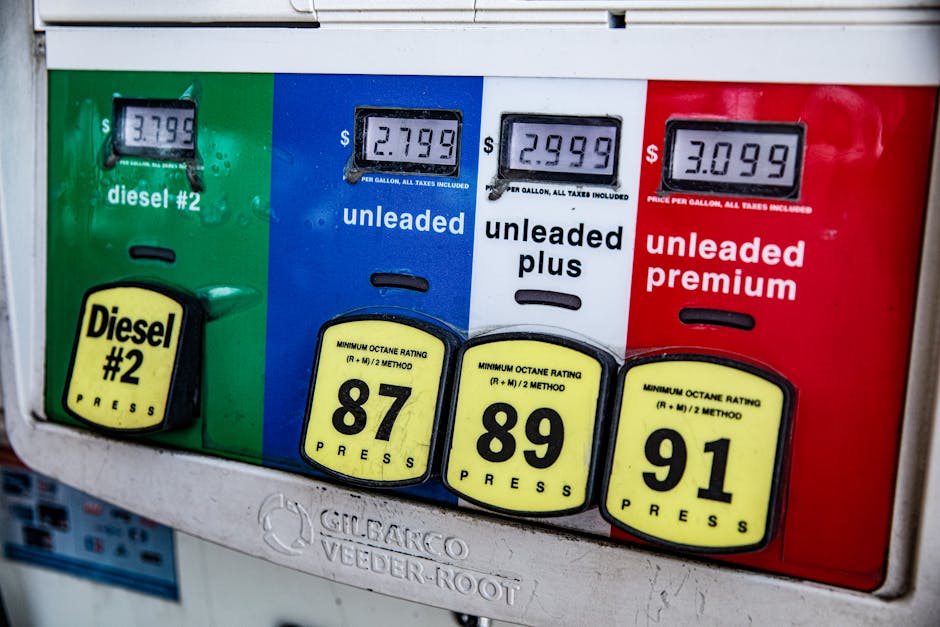
For the United States, the impact of rising oil prices is multifaceted. While the US is a major oil producer, it also remains a significant consumer. Higher gasoline prices at the pump are politically sensitive and can impact consumer confidence and spending. However, higher crude prices can also benefit domestic oil producers, potentially leading to increased exploration and production activity, although this is often tempered by concerns about price volatility and the long-term transition to cleaner energy sources. The administration’s policy responses, whether diplomatic efforts to de-escalate tensions or strategic releases from the Strategic Petroleum Reserve (SPR) to temper price spikes, become crucial in managing these domestic economic impacts.
The ripple effect on emerging economies is often more pronounced. Many developing nations are net oil importers, and significant price hikes can strain their foreign exchange reserves and lead to substantial increases in their import bills. This can exacerbate existing economic vulnerabilities, fuel inflation, and potentially lead to social unrest. The fiscal burden on governments in these nations can increase as they may be forced to subsidize fuel prices to cushion the impact on their populations, diverting resources from other critical development initiatives. The interconnectedness of the global financial system means that economic instability in one region can quickly spread, and oil price shocks are a potent transmission mechanism for such instability.
The role of speculation in oil markets cannot be ignored when analyzing price movements. While underlying supply and demand fundamentals are crucial, the trading of oil futures contracts by financial institutions, hedge funds, and other market participants can amplify price swings. In an environment of heightened geopolitical uncertainty, speculative buying can contribute significantly to price increases as traders position themselves for potential future price appreciation. This can create a feedback loop where rising prices encourage further speculative buying, further pushing prices upwards, independent of immediate physical market conditions. Understanding the dynamics of speculative trading is therefore essential for a complete picture of oil price formation.
The Iranian perspective is also critical in understanding the geopolitical drivers. Iran’s oil exports are a crucial source of revenue for its government. When faced with international sanctions, particularly those aimed at curtailing its oil sales, Iran has historically responded with assertive actions in the Persian Gulf region, often through its proxies. These actions are designed to demonstrate its ability to disrupt regional oil flows and, by extension, influence international policy towards it. The current escalation is likely a manifestation of Iran’s strategy to leverage its position in the Strait of Hormuz to exert pressure and seek relief from sanctions. The effectiveness of these tactics is directly reflected in the oil market’s reaction.
The international community watches these developments with bated breath. The potential for a wider conflict in the Middle East, which would undoubtedly have catastrophic humanitarian and economic consequences, is a primary concern. The impact on global energy security is paramount. The world’s reliance on oil, despite the ongoing energy transition, remains significant, and any major disruption to supply from a key producing region like the Middle East would have far-reaching and potentially destabilizing effects on economies worldwide. Diplomatic efforts by international bodies and key global powers are therefore crucial in seeking to de-escalate tensions and prevent the situation from spiraling out of control.
The strategic implications for major oil-consuming nations extend beyond immediate price concerns. Countries heavily reliant on oil imports will likely intensify efforts to diversify their energy sources and enhance energy efficiency. The ongoing global push towards renewable energy sources, while driven by climate change concerns, also gains an added layer of urgency from the perspective of energy security and price stability. Investments in alternative fuels and technologies may accelerate as nations seek to reduce their vulnerability to geopolitical shocks originating from oil-producing regions.
The geopolitical chess match between the US and Iran, played out on the stage of global energy markets, has demonstrated yet again the outsized influence that regional instability can wield over international economics. As tensions persist, the oil price will remain a sensitive barometer of this geopolitical friction. The ability of policymakers to navigate this complex landscape, balancing national interests with the imperative of global economic stability, will be a defining challenge. The narrative of rising oil prices as a direct consequence of escalating US-Iran tensions is not simply a headline; it is a complex interplay of geopolitical risk, market psychology, and fundamental supply and demand dynamics that continues to shape the global economic outlook. The threat to the Strait of Hormuz is a recurring theme in the oil market, and its prominence in recent weeks underscores the enduring power of these geopolitical fault lines to impact the global flow of energy and the stability of economies worldwide. The market’s pricing reflects a collective apprehension that the delicate dance of diplomacy may falter, leading to consequences felt far beyond the immediate region.
