The beauty industry has seen a dramatic resurgence in the popularity of lip stains, a category that balances the longevity of liquid lipstick with the sheer, effortless finish of a traditional tint. While liquid lipsticks often rely on heavy pigments that can crack or feel dehydrating over time, modern lip stains have evolved into sophisticated formulas that prioritize comfort, hydration, and natural aesthetics. This shift toward "clean-girl" aesthetics and long-wear makeup has propelled brands to innovate, moving beyond basic dyes to create complex, multi-functional products that cater to a wide demographic of consumers seeking a low-maintenance, high-impact beauty routine.

The Evolution of Lip Staining Technology
Historically, lip stains were often associated with alcohol-based formulas that provided pigment but stripped the lips of essential moisture. The contemporary market, however, has pivoted toward infusion-based technology. By incorporating ingredients such as mango seed oil, coconut oil, vitamin E, and hyaluronic acid, manufacturers have managed to create stains that do not compromise the skin barrier.
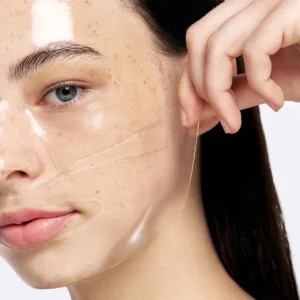
The current landscape of lip stains can be categorized into three primary types: water-based tints, which offer a watercolor-like flush; oil-infused stains, which provide a glossy finish with long-lasting color payoff; and peel-off stains, a TikTok-driven innovation that offers extreme durability by temporarily depositing pigment deep into the skin cells of the lips.

Key Players and Industry Leaders
The current market is dominated by a mix of legacy beauty brands and viral social media favorites. Benefit Cosmetics’ Benetint remains the gold standard in the category. Originally developed in the 1970s, the product has transcended its vintage status to become a staple in modern beauty kits. Its sheer, buildable formula provides a subtle flush that mimics the natural color of the lips, appealing to consumers who prioritize a "no-makeup" look.
In contrast, newer entrants like Kulfi and Summer Fridays have leveraged consumer demand for "lip-care-first" formulations. Kulfi’s Lassi Lips Staining Lip Oil, for example, bridges the gap between a conditioning treatment and a long-wear stain. This hybrid approach reflects a broader industry trend where makeup is expected to perform the functions of skincare. By using a blend of conditioning agents, these products ensure that the wearer does not need to layer additional balms or glosses, streamlining the daily beauty routine.

The Viral Influence of Social Media
Social media platforms, particularly TikTok, have played a critical role in the growth of the lip stain market. The "peel-off" lip stain trend, popularized by brands like Sacheu and Wonderskin, represents a departure from traditional application methods. These products require the user to apply a thick, often metallic or dark-colored gel, allow it to set for 20 minutes, and then peel it away to reveal a highly pigmented, transfer-proof tint.
Market data suggests that these viral products often experience massive spikes in sales following "restock" cycles or influencer endorsements. The success of these items is largely attributed to the "proof of concept" videos where creators eat, drink, and wipe their lips to demonstrate that the color does not budge. This focus on performance—specifically the "transfer-proof" metric—has become a key selling point for consumers with active lifestyles.

Expert Insights on Application and Maintenance
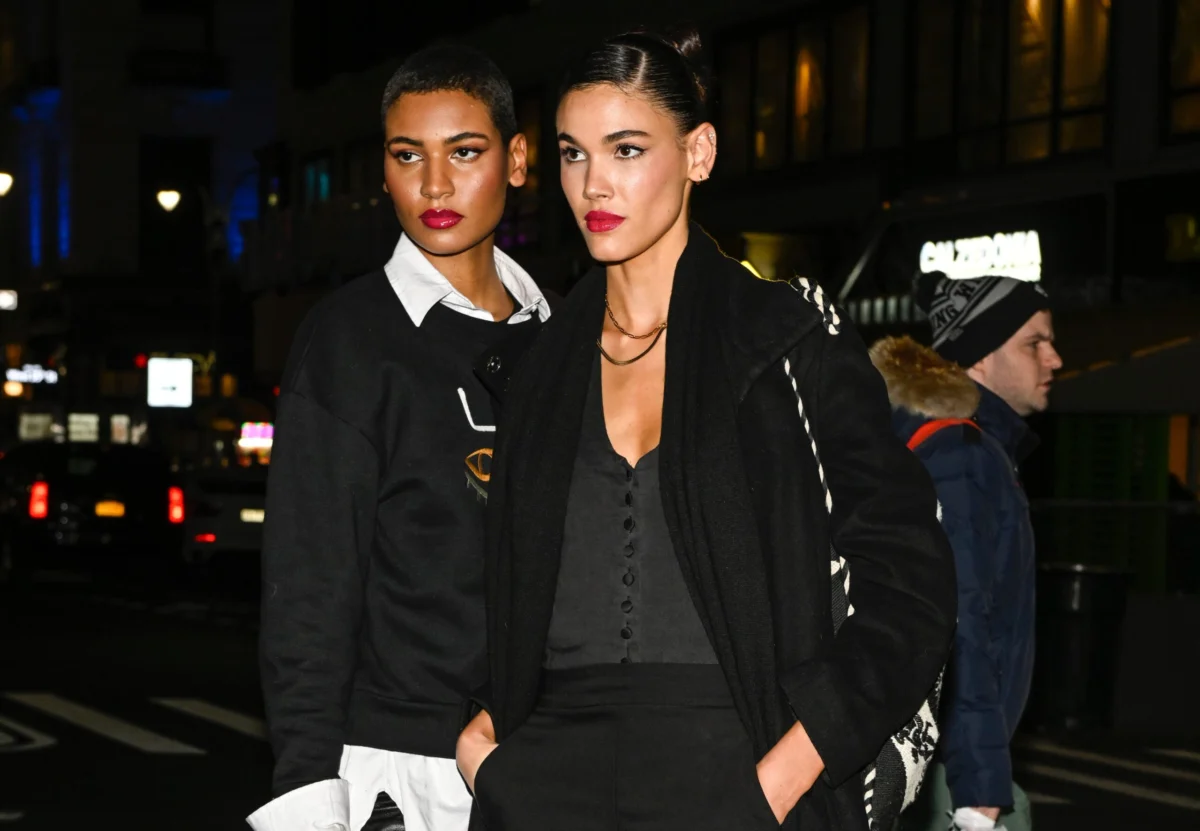
Priscilla Ono, a globally recognized celebrity makeup artist and spokesperson for Fenty Beauty, emphasizes that the efficacy of a lip stain often comes down to the application technique. "True to its name, a lip stain is typically longer-lasting than a gloss and more lightweight than a liquid lipstick," says Ono. She notes that the versatility of the product is its greatest asset, as users can manipulate the intensity through layering.
Ono recommends a precise approach to application to avoid unevenness. "I tend to apply to the outline of the lips first, and then fill in afterward, followed by one full swipe of color to add some more punch," she explains. For those desiring a more muted or "bitten" look, she suggests blotting the lips with a tissue immediately after application, which lifts excess pigment and creates a softer gradient.
Comparative Analysis of Product Categories
| Product Type | Primary Benefit | Typical Ingredients |
|---|---|---|
| Water-Based Tint | Natural, sheer finish | Water, glycerin, plant extracts |
| Oil-Infused Stain | Hydration and gloss | Vitamin E, fruit oils, squalane |
| Peel-Off Stain | Maximum longevity | Hyaluronic acid, polymers |
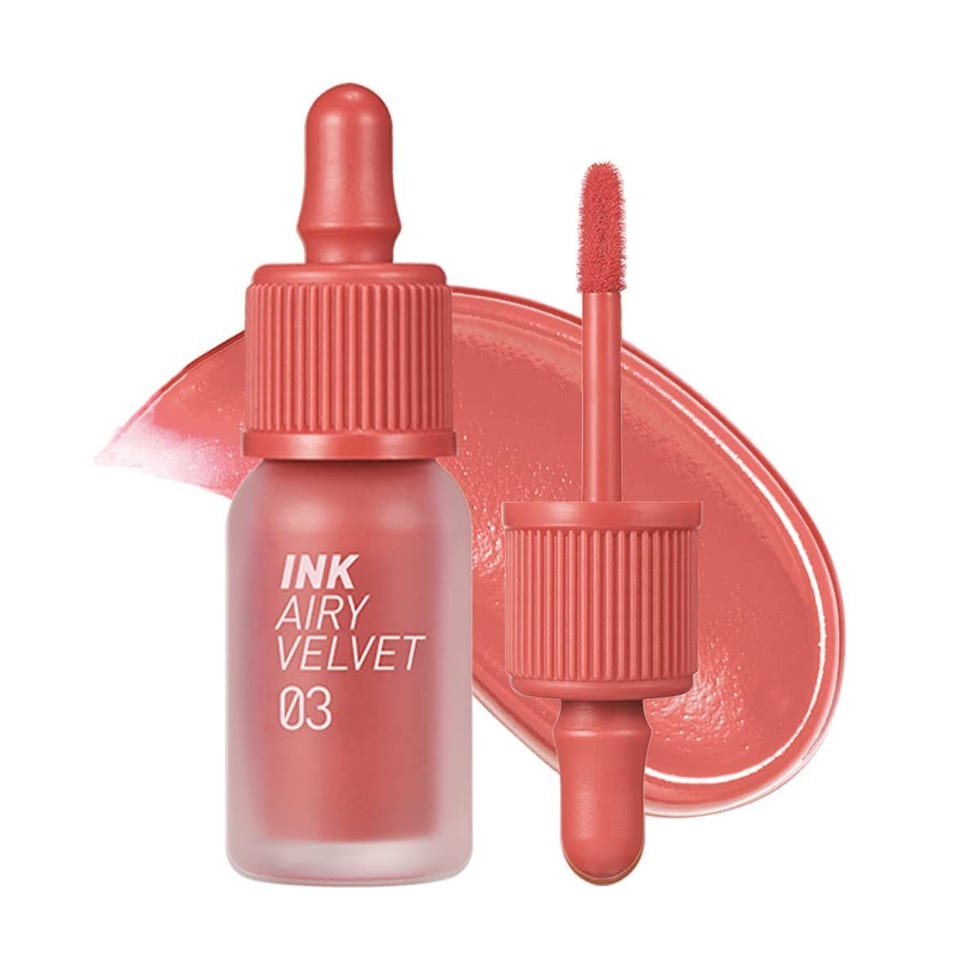
As consumer demand shifts, the industry has responded with expanded shade ranges. Peripera, a leader in the K-beauty space, offers a staggering 35 shades in their Ink Airy Velvet line, allowing for unprecedented inclusivity. This vast selection acknowledges that "nude" or "natural" tones are subjective and highly dependent on individual skin undertones.
The Future of Lip Stains
The broader implication of the lip stain trend is a long-term shift away from heavy, matte-finish cosmetics. Consumers are increasingly valuing multi-purpose products. The success of Milk Makeup’s Jelly Tint, which is marketed for use on both the lips and cheeks, underscores this desire for efficiency. As the industry moves forward, we can expect to see further integration of long-wear pigment technology into other areas of the face, such as blush and bronzer.

Moreover, the sustainability of these products is under scrutiny. As brands look to improve their footprint, the industry is seeing a move toward refillable packaging and cleaner, more transparent ingredient lists. The durability of these products also contributes to a more sustainable consumption cycle; a single product that lasts 12 hours requires fewer applications throughout the day, effectively reducing product waste.
Editorial Conclusion and Best Practices
For those navigating the crowded market of lip stains, the consensus among beauty editors and experts remains consistent: the best product is one that balances personal color preference with the desired level of hydration. While high-pigment stains like those from Huda Beauty or Bobbi Brown offer bold, long-lasting color suitable for high-intensity scenarios, water-based tints offer a more relaxed experience for everyday wear.

When testing new products, users should account for their natural lip pH, as many stains react with the skin’s chemistry to produce a custom shade. Proper preparation—such as light exfoliation—can also ensure that the stain applies evenly and lasts throughout the day. As the beauty market continues to evolve, the lip stain category stands as a testament to the fact that innovation is often found in the refinement of timeless, classic concepts. Whether one seeks the precision of a ballpoint applicator or the ease of a jelly tint, the modern options available ensure that a reliable, long-lasting pout is accessible to every consumer.