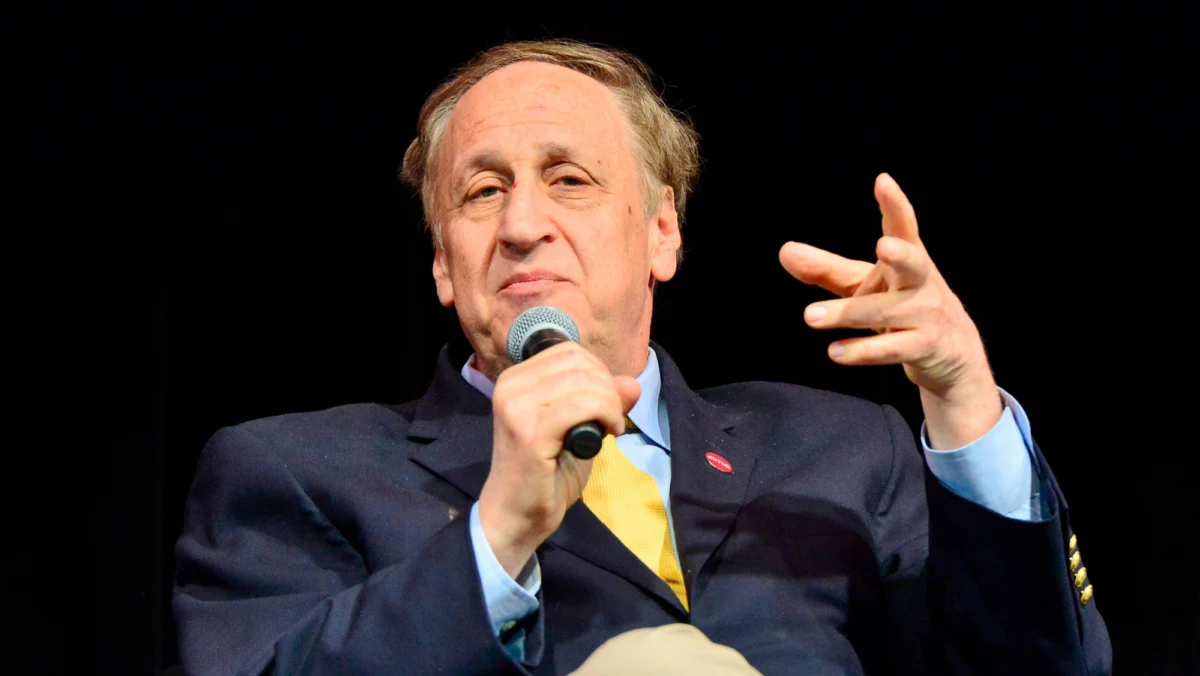
Adam Aron, the chief executive of AMC Theatres, the world’s largest cinema chain, experienced a significant increase in his annual compensation, rising by nearly 30 percent year-over-year. This pay adjustment comes as the company navigates a dynamic and often unpredictable box office landscape. In 2025, Aron’s total compensation reached $14.97 million, a notable jump from the $11.3 million he received in 2024. While this represents a substantial increase, it remains below the peak compensation levels of $23.7 million and $25.4 million seen in 2022 and 2023, respectively, a period following the "memestock" phenomenon that brought unprecedented attention and financial fluctuations to AMC.
The 71-year-old executive, who is now in his tenth year leading AMC, oversees a global network of 860 theater locations. His 2025 compensation package was structured with a base salary of $1.55 million. The bulk of his earnings, however, stemmed from equity-based incentives, with $7.38 million attributed to stock awards and an additional $6 million from the company’s non-equity incentive plan. This compensation structure reflects a strategic approach to aligning executive rewards with the company’s performance, particularly its ability to generate value through stock appreciation and achievement of financial targets.
The backdrop against which Aron’s compensation is being evaluated is one of a fluctuating domestic box office. In 2025, the domestic box office experienced only a modest uptick, reaching approximately $8.87 billion. This figure was influenced by a diverse slate of films, including notable releases like Disney’s "Lilo & Stitch" and Legendary/Warner Bros.’ "A Minecraft Movie." Concurrently, AMC’s stock price faced significant headwinds, declining by approximately 58 percent throughout 2025. This performance underscores the inherent volatility of the exhibition industry, which is heavily reliant on the success of theatrical releases and investor sentiment.
Navigating Skepticism with Defiant Optimism
Adam Aron has consistently adopted a defiant and often colorful communication style when addressing critics and outlining his strategy for AMC. He has frequently characterized prognosticators of doom as individuals who "have continued to vastly underestimate the will and the skill of AMC," a sentiment he expressed during a July 20 earnings call. This rhetoric highlights his determination to steer the debt-laden exhibitor through challenging economic conditions and evolving consumer habits. His leadership has been marked by a series of strategic initiatives aimed at bolstering the company’s financial position and adapting to a post-pandemic entertainment landscape.
A Resurgent Box Office and Shifting Strategies
Recent trends indicate a promising resurgence in the domestic box office. Year-to-date figures for the current year show grosses running more than 10 percent ahead of the same period in 2025. This improvement has been fueled by a series of unexpected box office successes, such as A24’s "Backrooms" and Focus Features’ "Obsession." The momentum has been further amplified by Christopher Nolan’s critically acclaimed blockbuster "The Odyssey," which has added significant draw to theaters, although the precise distribution of its financial success between AMC and premium large format providers like IMAX remains a subject of ongoing analysis.
This positive shift in box office performance has had a tangible impact on AMC’s stock. Year-to-date, AMC stock has seen a remarkable increase of 40 percent, even as it continues to trade at a relatively low valuation of $2.28 per share. This disparity between stock price and performance gains suggests that while investor confidence may be slowly returning, the market still harbors some caution regarding the company’s long-term financial stability.
The improved box office environment has also allowed AMC to reassess its strategic priorities. The company has recently sidelined plans to incorporate live concerts into its programming. This decision appears to be a direct response to the unexpected strength of the film slate and the ensuing rebound in ticket sales. The focus has evidently shifted back to maximizing revenue from traditional theatrical releases, capitalizing on the current wave of audience engagement.
Executive Commentary on Performance and Audience Engagement
During the chain’s second-quarter earnings call, Aron shared an optimistic outlook, stating, "More than 71 million guests visited our theaters worldwide in the second quarter, 13.5 percent more than last year, drawn by one of the most powerful and diverse film slates that we’ve seen in years." He further elaborated on the company’s market performance, noting, "We also increased AMC’s market share as our domestic ticket revenues were up by even more, up by some 11.4 percent." These figures underscore a successful period of audience recovery and an ability to capture a larger share of the domestic box office revenue.
Compensation Trends Across the C-Suite
The increase in Adam Aron’s compensation is not an isolated event within AMC’s executive leadership. Other key members of the C-suite have also seen their pay packages adjusted upwards. Sean Goodman, the Chief Financial Officer, received a compensation of $4.9 million. David Ellis, the Chief Operations and Marketing Officer, saw his compensation rise to $2.47 million. These adjustments across the senior leadership team suggest a broader strategy to reward executives for their contributions during a period of significant strategic maneuverings and financial recovery for the company.
Historical Context: The Memestock Era and Beyond
To fully appreciate the current compensation figures, it is crucial to recall the unprecedented events of the "memestock" era, which began in early 2021. AMC, along with several other companies, became the target of a massive retail investor movement, driving its stock price to astronomical heights. During this period, Aron’s compensation reached its zenith, reflecting the extraordinary market conditions and the company’s efforts to capitalize on the surge in interest. The subsequent normalization of market behavior and the inherent challenges of the cinema industry led to a recalibration of executive pay. The current compensation levels, while substantial, represent a return to more conventional, albeit still high, executive remuneration, tied to the ongoing performance and strategic direction of the company.
The Broader Impact on the Exhibition Industry
The performance of AMC, as the largest player in the global cinema market, has significant implications for the broader exhibition industry. A rebound in box office receipts, driven by compelling film slates and increased audience attendance, can create a more stable and optimistic environment for all cinema operators. This can lead to increased investment in theater upgrades, technological advancements, and diversified entertainment offerings. Furthermore, a revitalized AMC can influence negotiations with film studios regarding distribution windows and revenue-sharing models, potentially benefiting the entire ecosystem.
The ability of executives like Adam Aron to secure substantial compensation packages, even amidst ongoing financial challenges, also raises questions about corporate governance and executive pay within the entertainment sector. Shareholders and industry observers will continue to scrutinize these compensation decisions, balancing the need to attract and retain top talent with the imperative of delivering sustainable financial performance and shareholder value.
Future Outlook and Challenges Ahead
While the current trajectory of the box office and AMC’s stock performance offers a positive outlook, the exhibition industry remains susceptible to various external factors. The ongoing evolution of streaming services, the potential for future economic downturns, and the unpredictable nature of film production and audience preferences all present ongoing challenges. AMC’s strategy under Adam Aron will continue to be tested as it seeks to solidify its recovery and adapt to the ever-changing entertainment landscape. The compensation awarded to its leadership will undoubtedly remain a closely watched indicator of the company’s financial health and strategic priorities. The coming years will be critical in determining whether the current resurgence is a sustainable trend or a temporary upswing in a long-term evolutionary journey for the cinema industry.