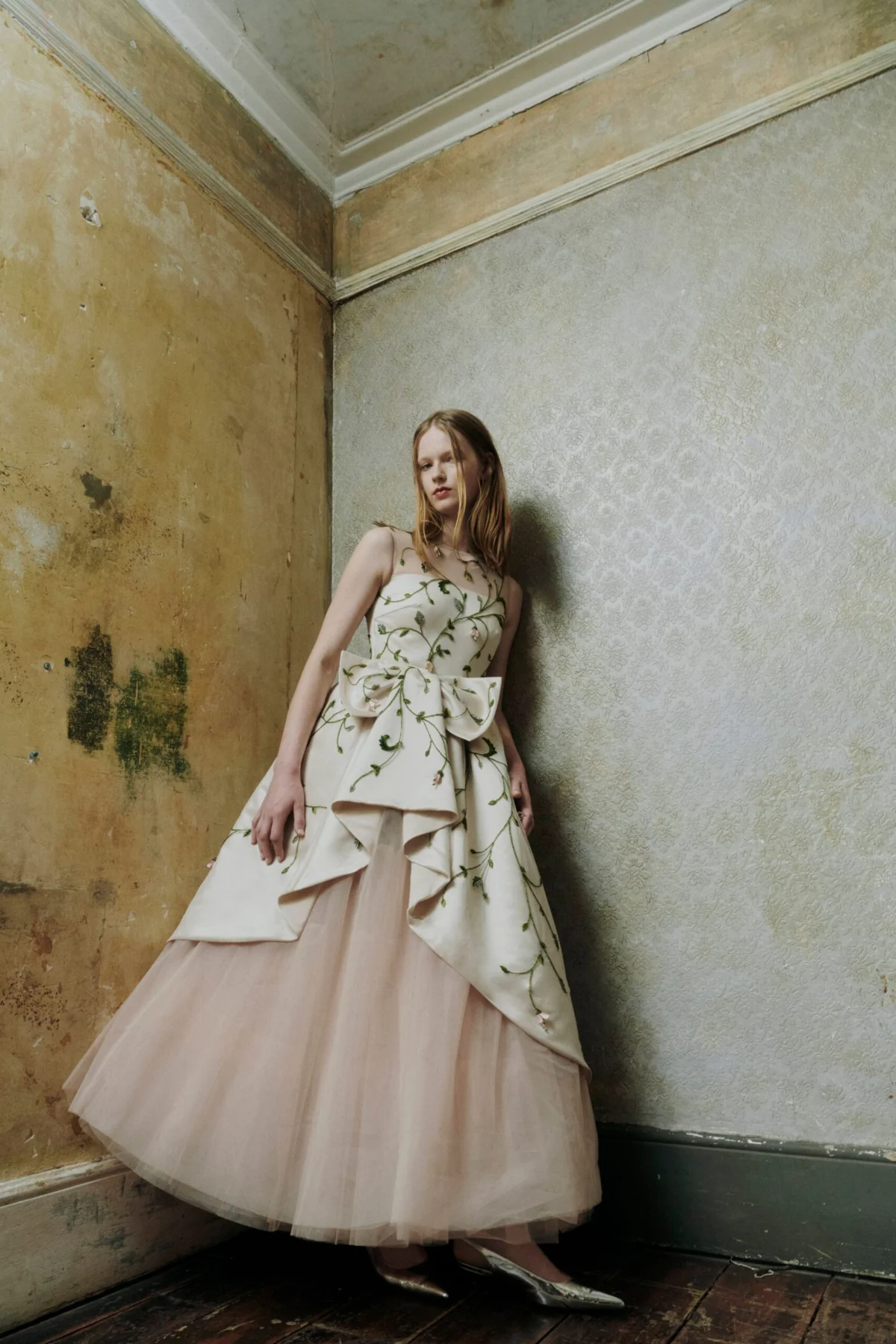
The intersection of traditional craftsmanship and modern fabric engineering took center stage as designer Huishan Zhang unveiled his latest collection, titled The Art of What is Left Unsaid. Known for his romantic yet structurally rigorous approach to womenswear, Zhang used the preview event to showcase a deep commitment to material evolution, drawing inspiration from the lives and works of celebrated cultural figures such as writer Eileen Chang and photographer Deborah Turbeville.
The presentation, held ahead of the busy seasonal fashion calendar, offered an intimate look at a designer continually obsessed with the tactile nature of clothing. Surrounded by a coterie of loyal clientele and visual references to his muses, Zhang emphasized that his creative wellspring remains inexhaustible. His designs continue to pay homage to women across the globe, balancing an appreciation for heritage aesthetics with the demands of contemporary utility.
The Evolution of Daywear and Technical Mastery
While Zhang has long been celebrated for his intricate, occasion-ready evening wear—marked by hand-embroidered sequined florals, gossamer tulle, and precision-tailored suits—his recent collections have placed a deliberate emphasis on refining daywear. For the upcoming spring season, this meant tackling some of the most persistent hurdles in lightweight textile manufacturing.
A primary focus for the designer was engineering a lightweight linen that maintained its crisp silhouette while resisting the natural, heavy-creasing tendencies of the fiber. Through meticulous trial and error, Zhang introduced a precise percentage of elastic into the weave. This adjustment ensures the garment retains enough structural integrity to avoid excessive wrinkling without sacrificing the airy, breathable tactile experience traditionally associated with pure linen.
Further demonstrating his technical ambition, Zhang experimented with brushed-cotton jackets, minidresses, and fitted skirts designed to mimic the rich texture of suede. By treating the cotton, the resulting garments delivered the visual depth and softness of traditional suede while being significantly lighter in weight—a crucial adaptation for warmer spring and summer temperatures.
Cardigans, which have quietly evolved into a core staple of the Huishan Zhang brand identity, also received a seasonal overhaul. Moving away from the heavier Mongolian cashmere historically favored by the house, Zhang collaborated with mills to develop a 100 percent silk weave. This innovative fabric successfully mimics the comforting weight and drape of wool while remaining cool to the touch against the skin.
Global Supply Chains and Heritage Collaborations
To bring these material innovations to life, Zhang leaned heavily on an expansive, carefully curated global network of suppliers and artisans. The label has long championed its "Made in China" production capabilities, viewing the country’s centuries-old embroidery and manufacturing expertise as a fundamental signature of the brand’s luxury positioning.
However, the latest collection also marks a notable cross-cultural partnership. Zhang teamed up with a historic British silk-weaving company to develop a bespoke shimmering floral jacquard designed to catch and reflect light dynamically. This fabric was utilized in several standout pieces, including an updated version of the cheongsam dress—a garment that has served as a cornerstone of Zhang’s design vocabulary for years.
Additionally, the British-woven jacquard was incorporated into a hybrid silhouette: a cheongsam-come-skirt-suit. This garment was directly inspired by an exhibition Zhang visited in Shanghai, tying back into the cerebral and artistic themes that permeate the entire collection. By bridging British textile heritage with traditional Chinese silhouettes, Zhang continues to position his label at the crossroads of global fashion discourse.
Background Context and Creative Influences
The conceptual framework of The Art of What is Left Unsaid stems from a deeply reflective period for the designer. Zhang’s creative process is rarely linear; instead, it relies on a constant dialogue between historical references and modern sensibilities. By invoking Eileen Chang, a towering figure in 20th-century Chinese literature known for her poignant explorations of urban life, romance, and melancholy, Zhang grounds his opulent designs in a rich narrative tradition.
Simultaneously, the mood boards featured the haunting, atmospheric photography of Deborah Turbeville. Turbeville’s distinct visual style—characterized by grainy textures, muted tones, and intimate, psychological portraits of women—informed the collection’s nuanced color palette and emotional resonance. This blend of literary depth and visual melancholy allows Zhang to transcend mere seasonal trends, offering garments that feel both timeless and intellectually charged.
Industry analysts note that Zhang’s ability to maintain a distinct, highly recognizable aesthetic while relentlessly iterating on fabric technology is a key driver of the brand’s steady commercial growth. In a crowded contemporary luxury market where consumer loyalty can easily wane, Zhang’s dedication to craft provides a tangible point of differentiation.
Broader Market Implications and Future Outlook
The introduction of technical daywear and summer-appropriate silks arrives at a pivotal time for the luxury apparel sector. As global consumer habits shift toward versatile, high-utility wardrobes that can easily transition from professional settings to social environments, designers are under increasing pressure to deliver garments that combine comfort with aesthetic prestige.
Zhang’s successful mitigation of linen’s tendency to wrinkle, alongside his creation of weightless faux-suede and cooling silk-wools, demonstrates a proactive response to these shifting consumer demands. By addressing the practical pain points of luxury fabrics without compromising on artistry, the brand strengthens its value proposition.
Furthermore, the emphasis on cross-border collaboration—melding Chinese manufacturing prowess with British textile heritage—highlights a modern, globally integrated approach to luxury production. As supply chain transparency and craftsmanship become increasingly critical to high-end consumers, Huishan Zhang’s transparent celebration of his artisans serves as both a marketing strength and a testament to the collaborative nature of contemporary fashion.
Ultimately, The Art of What is Left Unsaid solidifies Huishan Zhang’s reputation as a designer who refuses to rest on his laurels. By balancing intellectual inspiration with rigorous technical execution, the collection charts a confident course forward for the brand, proving that true luxury lies as much in how a garment feels and performs as it does in how it looks on the runway.