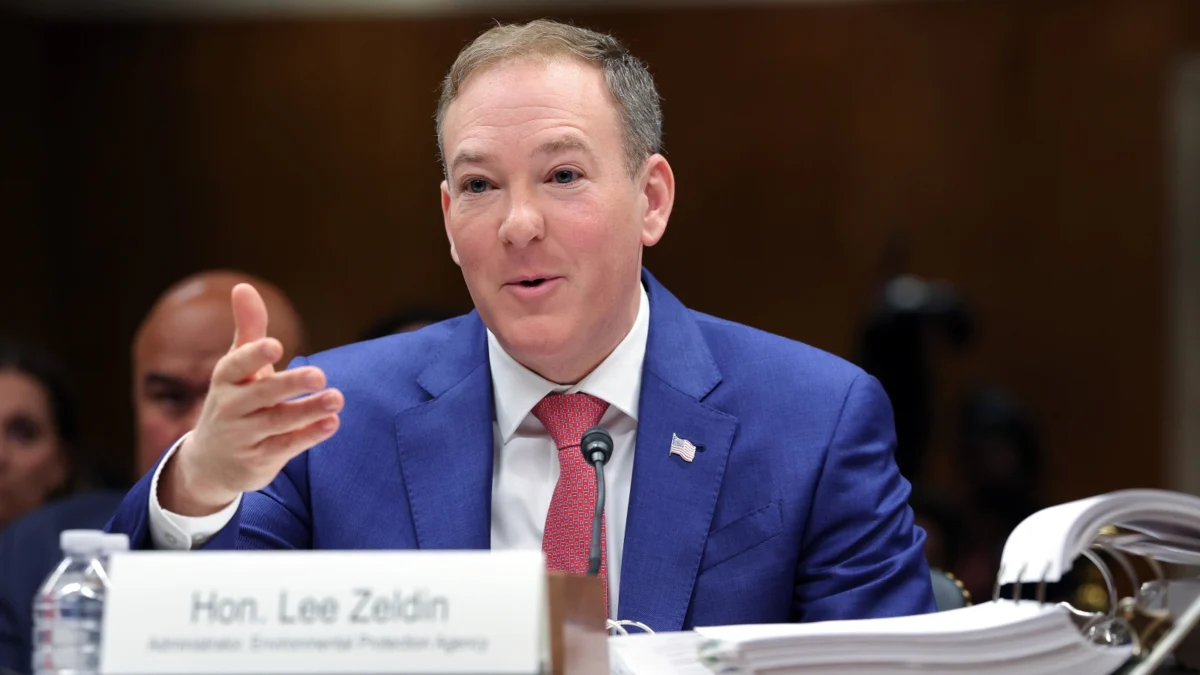
Environmental and public health advocacy organizations have formally initiated legal action against the Trump administration’s sweeping proposal to dismantle federal greenhouse gas emission standards for the nation’s power plants. The regulatory rollback, championed by the Environmental Protection Agency (EPA), is projected by independent experts and clean energy advocates to significantly accelerate carbon pollution, particularly in states like Georgia, where fossil fuel infrastructure is seeing a resurgence driven by surging regional electricity demand.
The lawsuit, filed by a coalition that includes the Natural Resources Defense Council (NRDC) and the American Public Health Association (APHA), argues that the EPA’s rollback is arbitrary, capricious, and a direct threat to both environmental stability and human health. The legal challenge sets the stage for a prolonged courtroom battle over the future of American climate policy, testing the boundaries of executive authority and the legal durability of federal environmental protections.
At the core of the controversy is a fundamental clash between federal climate obligations and the localized economic pressures of electricity generation, resource planning, and corporate compliance strategies.
Understanding the Regulatory Landscape: Biden-Era Rules vs. Trump-Era Rollbacks
To fully grasp the magnitude of the ongoing legal challenge, it is necessary to examine the regulatory trajectory that preceded it. Under the administration of President Joe Biden, the EPA implemented a stringent set of carbon pollution standards targeting fossil-fuel-fired power plants. Designed primarily to accelerate the phase-out of aging and carbon-intensive coal plants, the rule presented utilities with a strict ultimatum: coal-fired facilities would either need to install expensive, unproven carbon capture and storage (CCS) technology by 2032 or commit to a firm retirement timeline.
For newly constructed natural gas-fired power plants, the Biden-era rule similarly required utilities to either adopt carbon capture systems or restrict the operational capacity of the turbines, ensuring they ran infrequently to limit cumulative emissions.
However, the political landscape shifted dramatically with the return of the Trump administration. Anticipating a rapid reversal of federal climate policy, energy companies and state utility regulators began altering their long-term infrastructure and generation strategies long before the formal repeal proposal was published. The administration’s stated objective to prioritize deregulation and ease restrictions on fossil fuels signaled to utilities that expensive compliance mechanisms, such as carbon capture retrofitting, would no longer be legally mandated.
The Georgia Case Study: Shifting Calculations at Georgia Power
The real-world impacts of this regulatory pivot are starkly visible in Georgia, where the state’s dominant investor-owned utility, Georgia Power, has adjusted its operational roadmap in response to changing political and regulatory winds.
In its 2022 Integrated Resource Plan (IRP)—the comprehensive, long-term blueprint utilities must submit periodically to state regulators—Georgia Power initially projected that complying with the Biden-era EPA standards would render its remaining coal-fired units economically unviable. At the time, the utility concluded that the capital expenditures required to install carbon capture technology far outweighed the benefits of keeping the plants online, leading the company to schedule their eventual retirement.
However, as political expectations shifted toward a second Trump administration, the utility’s calculus evolved. Over a year ago, Georgia Power sought and received approval from the Georgia Public Service Commission (GPSC) to delay the scheduled retirements of several major coal-fired units. Specifically, the utility extended the operational life of one unit at Plant Scherer near Macon, Georgia, and three units at Plant Gaston across the state line in Alabama.
The emissions footprint of these facilities is substantial. According to the most recent data published by the U.S. Energy Information Administration (EIA) for the year 2024, Plant Scherer emitted more than 8 million metric tons of carbon dioxide, while Plant Gaston accounted for over 2 million metric tons. By keeping these massive industrial sources online without the requirement to install carbon capture infrastructure, the grid’s total greenhouse gas output will remain artificially elevated compared to what the Biden-era timeline anticipated.
The Planning Paradox: Navigating Regulatory Uncertainty
During resource planning hearings held in 2025—proceedings that ultimately codified the delay of the coal plant retirements—Georgia Power officials defended their strategic pivot by pointing to the volatile regulatory environment. Company representatives testified that in order to account for the uncertainty surrounding federal environmental rules, planners ran a total of nine distinct modeling scenarios. Three of these scenarios assumed full compliance with the Biden-era EPA standards, while the remaining six modeled a deregulatory environment where the rules were either weakened or repealed.
"These scenarios provide a flexible framework for the company to evaluate its options among differing plausible future scenarios, positioning it to make informed resource planning decisions," explained Jeff Grubb, Georgia Power’s director of resource policy and planning, during the proceedings.
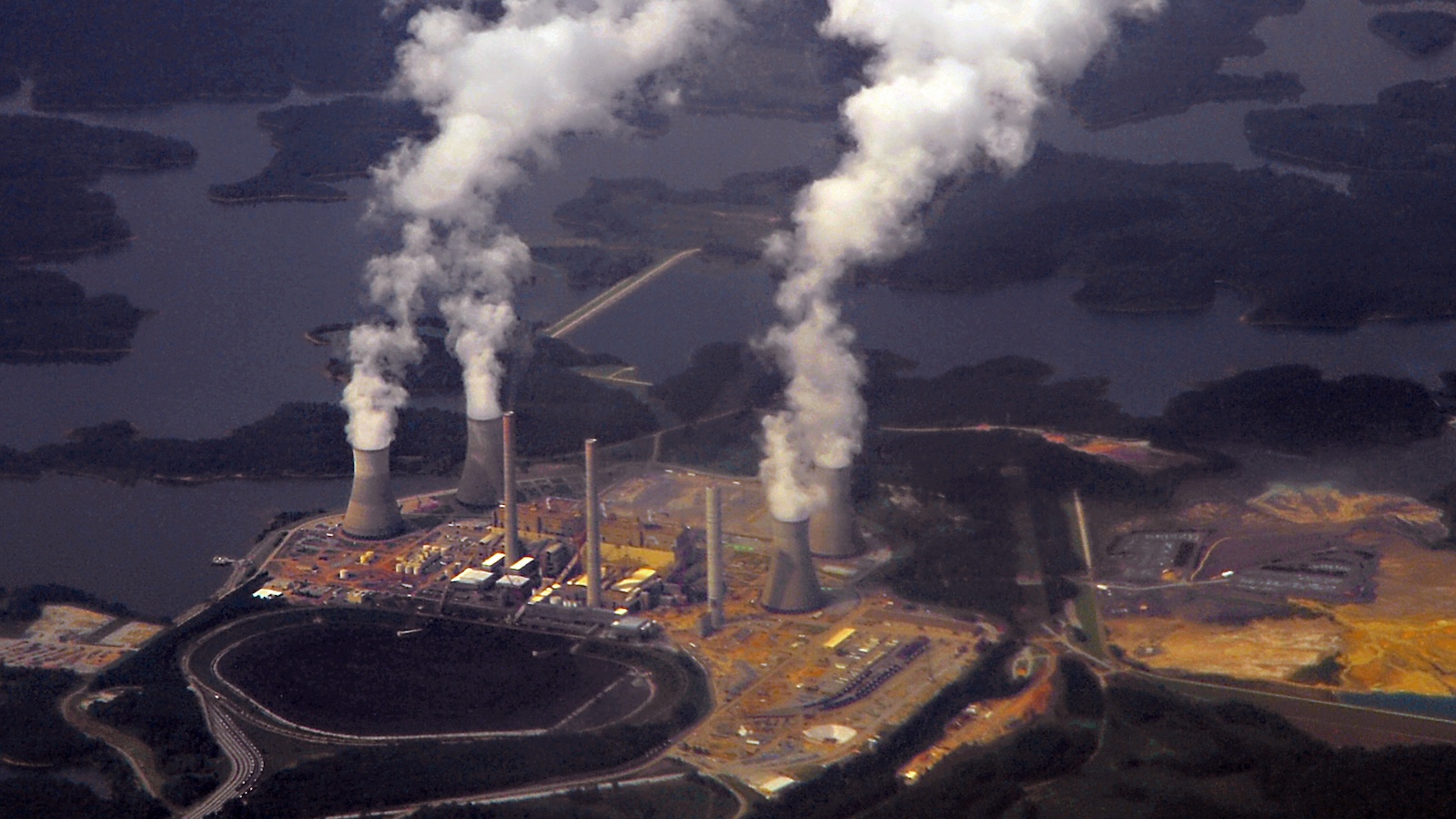
Despite running these multiple models, the ultimate planning agreement approved by state regulators in 2025 required Georgia Power to formally pursue compliance with the EPA rules only for specific facilities, such as Plant Bowen and Plant Scherer, while mandating periodic updates to the GPSC regarding the "company’s assessment of the current legal status" of the regulations. This conditional framework effectively allowed the utility to hedge its bets, preparing for a post-compliance reality while maintaining nominal compliance on paper until the federal framework was formally dismantled.
The Double Threat: Coal Extensions and Methane Gas Expansion
Beyond the continued operation of aging coal infrastructure, clean energy advocates point to another pressing concern: the rapid expansion of new methane gas (natural gas) generation. Driven by an unprecedented surge in electricity demand from power-hungry data centers clustered across Georgia and the broader Southeast, utilities are scrambling to build new generation capacity.
Without the regulatory constraints imposed by the EPA’s carbon standards, the emissions trajectory for these new gas turbines could be catastrophic, according to Maggie Shober, research director at the Southern Alliance for Clean Energy.
Under the Biden-era framework, utilities would have been legally restricted from running new natural gas turbines beyond roughly 40 percent of the year, keeping annual carbon dioxide emissions from these new sources to an estimated 4 million tons. However, with the EPA’s proposed repeal allowing these facilities to operate at up to 85 percent capacity, Shober estimates that emissions from the new turbines alone could soar to approximately 8.5 million tons annually. Combined with the delayed retirements of the coal fleet, the cumulative greenhouse gas emissions in Georgia are projected to rise significantly over the next decade.
Public Health Impacts and Legal Arguments
The coalition challenging the EPA’s repeal argues that these rising emissions carry an unacceptable human toll. In public statements accompanying the lawsuit, medical and public health professionals emphasized the direct link between fossil fuel combustion, air quality degradation, and chronic health conditions.
"Clean air is a basic human right," said Dr. Georges C. Benjamin, executive director of the American Public Health Association. "Power plant pollution threatens the health of millions of Americans and fuels climate change, worsening extreme heat, poor air quality, and other serious health risks."
Public health advocates note that increased emissions of sulfur dioxide, nitrogen oxides, and carbon dioxide contribute to higher rates of asthma, cardiovascular disease, and premature mortality, disproportionately affecting vulnerable populations living near legacy fossil fuel infrastructure. The legal filing contends that the EPA failed to adequately weigh these public health harms when drafting its repeal proposal, violating the statutory mandates of the Clean Air Act.
Corporate Responses and Broader Industry Reactions
As the legal and administrative battles unfold, the corporate entities guiding the nation’s utility grid are navigating a complex web of shareholder expectations, state-level mandates, and federal policy shifts.
Southern Company, the parent organization of Georgia Power, declined requests for interviews and did not respond to detailed inquiries regarding its long-term emissions trajectory. Instead, a corporate spokesperson issued a brief written statement emphasizing the utility’s overarching philosophy: "We support regulatory certainty with a durable framework that leads to reliable and affordable electricity for our customers."
Notably, the statement made no explicit reference to Southern Company’s previously stated corporate climate goal of achieving net-zero greenhouse gas emissions by 2050—a target that energy analysts argue becomes increasingly difficult to reconcile with the aggressive expansion of unabated natural gas generation and the extended operation of coal-fired power plants.
Implications for the Future of U.S. Climate Policy
The EPA’s proposed repeal is not yet finalized. The agency is legally required to move through a formal public comment period, during which state officials, industry stakeholders, environmental organizations, and the general public can submit testimony and technical critiques. Furthermore, the multi-state coalitions and advocacy groups driving the current litigation are expected to seek preliminary injunctions to stall the implementation of the repeal while the courts consider the merits of the lawsuit.
Nevertheless, the unfolding situation in Georgia offers a cautionary preview of the broader implications of federal regulatory rollbacks. Even before a rule is officially wiped from the federal register, the mere anticipation of deregulation can fundamentally alter the planning horizons of powerful utility monopolies. As capital investments are redirected toward fossil fuel life-extensions and new gas infrastructure, locking in decades of high-carbon generation, the structural momentum toward a cleaner energy grid faces profound headwinds—forcing environmental advocates and public health defenders to wage their most critical battles within the judicial system.