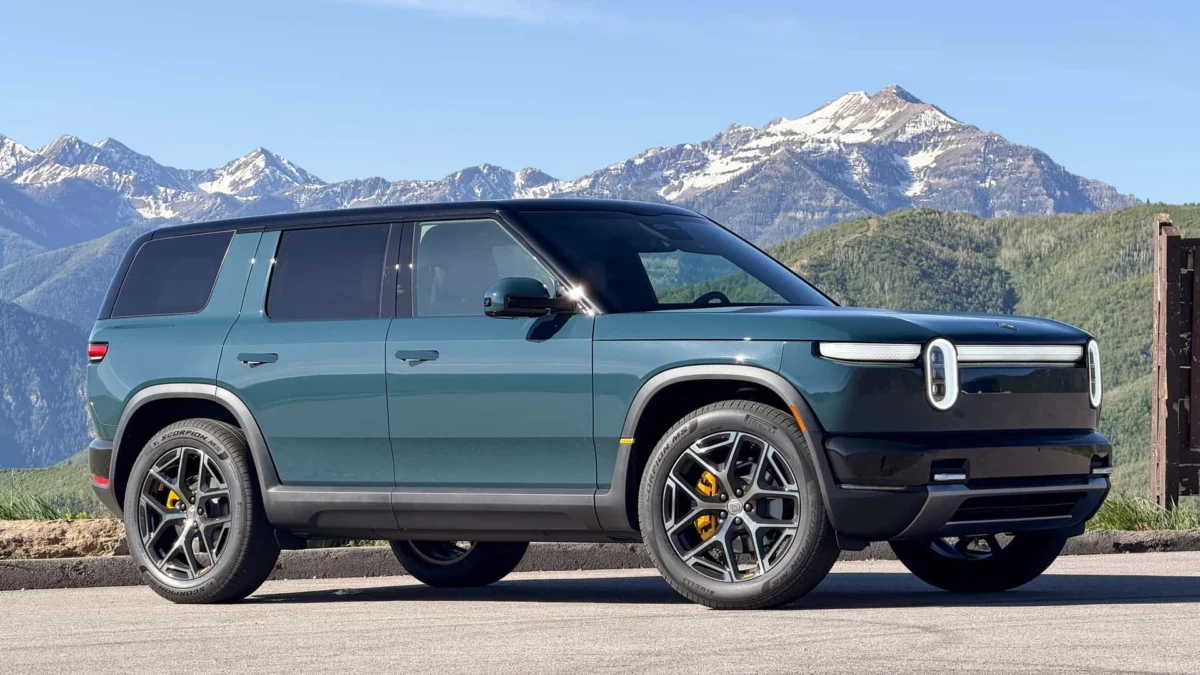
In the competitive landscape of electric vehicle manufacturing, automotive companies frequently emphasize commitments to sustainability, citing goals for carbon neutrality and the integration of recycled materials. However, Rivian has moved beyond corporate rhetoric by quantifying these efforts in its newly released 2025 Impact Report and the comprehensive R2 Circularity, Energy, & Carbon Footprint Report. These documents reveal that the upcoming Rivian R2 platform is engineered to achieve a lifecycle carbon footprint approximately 50 percent lower than that of the flagship R1 series. This data-driven approach highlights a paradigm shift in how electric vehicle manufacturers are approaching the environmental cost of production, distribution, and long-term vehicle operation.
The Evolution of Sustainable Manufacturing at Rivian
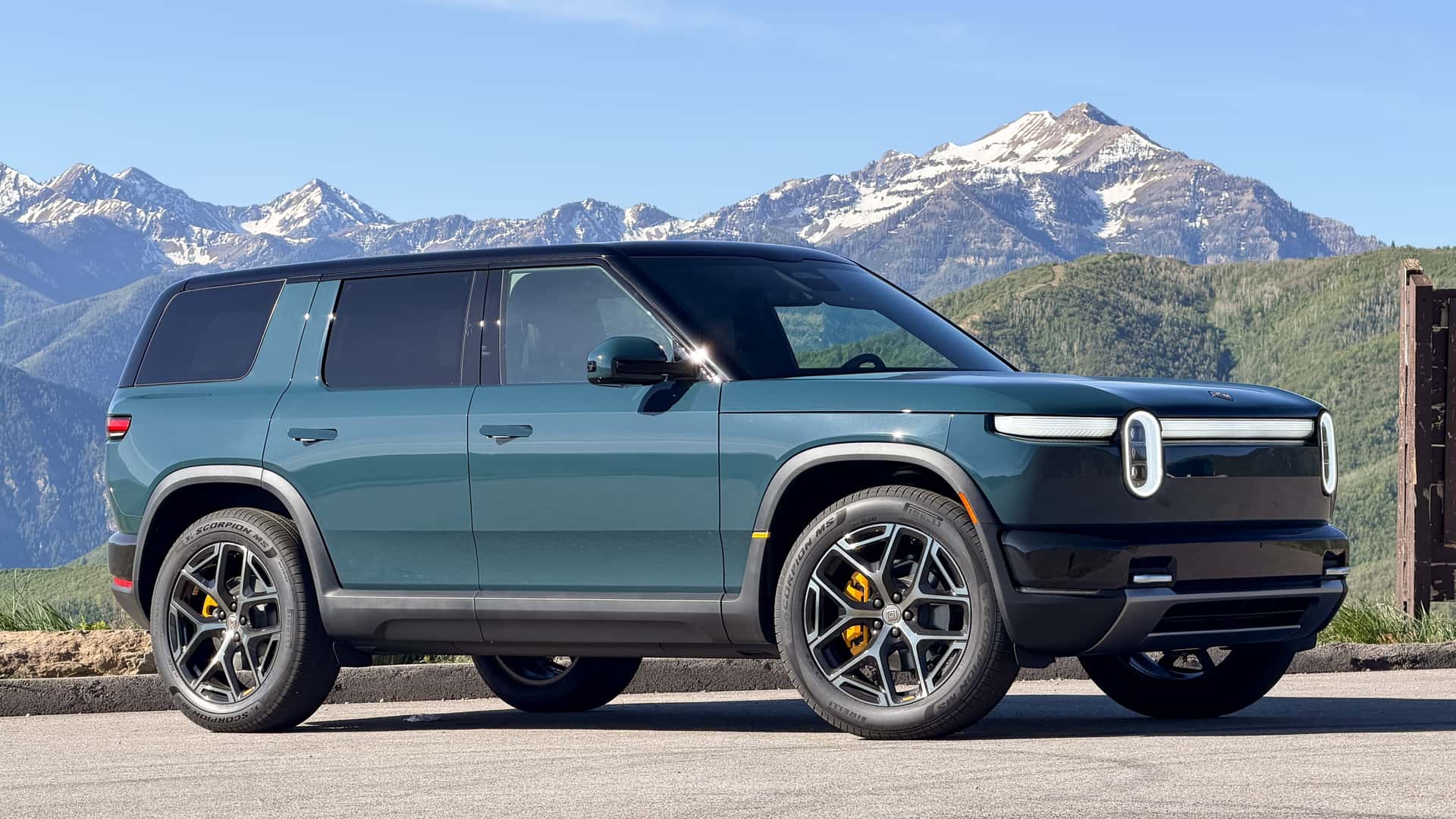
The transition from the R1 platform to the R2 represents a strategic pivot for the Irvine-based automaker. While the R1 established the company’s technical prowess in the premium EV sector, the R2 is designed with a specific focus on manufacturing efficiency and material lifecycle management. According to the report, the R2’s reduced carbon footprint is the result of a multifaceted strategy that includes weight optimization, aerodynamic enhancements, and a fundamental rethink of the materials supply chain.
The vehicle’s architecture has been streamlined to improve efficiency during the usage phase. By reducing the overall mass of the vehicle and optimizing its drag coefficient, Rivian has lowered the energy requirements per mile driven. This efficiency gain is compounded by the integration of smart charging software, which allows the R2 to interface with grid demand patterns. By prioritizing charging during off-peak hours—when the electrical grid is typically supported by higher proportions of renewable energy—the vehicle effectively lowers its indirect emissions profile throughout its operational lifespan.
Material Composition and Circularity Metrics
A central pillar of the R2’s environmental performance is its reliance on circular materials. The manufacturing report details an aggressive integration of recycled content, setting a benchmark for the automotive industry. Specifically, the R2 is constructed with 25 percent recycled materials by mass. This figure is not merely an aggregate, but a deliberate selection of sustainable inputs:
- Interior Textiles: These are manufactured from reclaimed Nordic paper waste, significantly reducing the carbon intensity associated with traditional synthetic fabric production.
- Structural and Trim Components: The vehicle’s front trunk (frunk) and various interior trim elements utilize 85 percent post-consumer waste plastics.
- Floor Coverings: The interior mats are composed of 99 percent ocean-bound plastic waste, diverting materials from marine environments and repurposing them for automotive use.
- Energy Storage Systems: Perhaps most notably, the resin battery cell trays are manufactured using 100 percent recycled resin, a significant technical achievement in maintaining structural integrity while utilizing secondary raw materials.
These design choices are intended to facilitate end-of-life vehicle processing. By utilizing modular and recyclable materials, Rivian aims to ensure that the R2 can be dismantled and its components recovered with higher efficiency than the R1, effectively closing the loop on the vehicle’s manufacturing cycle.
Chronology of Sustainability Initiatives
Rivian’s journey toward these milestones has been marked by a series of corporate decisions aimed at tightening environmental oversight across its entire value chain. The timeline of these developments provides context to the current announcements:
- 2021: Rivian begins its IPO process, emphasizing its "Forever" mission statement, which committed the company to long-term environmental stewardship.
- 2022-2023: The company establishes formal human rights and environmental screening processes for all Tier 1 direct suppliers. This initiative was designed to ensure that the environmental benefits of the finished vehicle were not negated by unsustainable practices in the upstream supply chain.
- 2024: Rivian accelerates its educational outreach, expanding its partnerships to 45 colleges and trade schools. These programs focus on teaching the next generation of engineers and technicians about energy-efficient manufacturing and circular economy principles.
- Early 2025: The publication of the R2 Circularity, Energy, & Carbon Footprint Report confirms the quantitative results of these long-term investments, providing a comparative analysis against the R1 platform.
Supplier Accountability and Global Standards
Rivian’s commitment extends beyond its own factory walls. By mandating that all potential Tier 1 suppliers undergo rigorous human rights and environmental screenings, the company is attempting to standardize sustainability across the automotive supply chain. This policy addresses the "scope 3" emissions—those generated by the supply chain—which often constitute the largest portion of an automaker’s total carbon footprint. By vetting partners on their environmental performance, Rivian is creating a ripple effect that pressures smaller component manufacturers to adopt cleaner energy practices and more transparent reporting standards.
The educational initiatives, which target 45 institutions, are similarly strategic. By fostering a workforce trained in sustainable manufacturing techniques, Rivian is ensuring a pipeline of talent that understands the technical challenges of reducing carbon intensity in heavy industry. This is a vital component of the company’s broader strategy to scale production while maintaining its environmental performance goals.
Analysis of Implications for the Automotive Industry
The data provided by Rivian serves as a potential model for the broader automotive industry. As global regulators—including the European Union with its Battery Passport initiative and the United States with its various emissions standards—tighten requirements for carbon transparency, the ability to quantify the lifecycle impact of a vehicle will become a significant competitive advantage.
Rivian’s approach demonstrates that environmental responsibility does not necessarily necessitate a sacrifice in vehicle capability. The R2 remains a high-performance, versatile electric SUV, yet it is significantly less resource-intensive to produce. This "decoupling" of vehicle performance from carbon intensity is the primary objective of modern automotive engineering.
However, challenges remain. Scaling these processes to match mass-market demand is an expensive and logistically complex endeavor. The availability of high-quality recycled materials, the integration of smart-grid charging infrastructure, and the maintenance of a transparent supply chain require consistent investment and collaboration with government entities and energy providers.
Conclusion: The Path Forward
The Rivian R2 stands as a testament to the fact that sustainability can be embedded into the core engineering of a vehicle from the earliest stages of design. By achieving a 50 percent reduction in lifecycle carbon emissions compared to its predecessor, Rivian has demonstrated that it is possible to innovate within the automotive sector while adhering to strict environmental benchmarks.
As the company prepares to ramp up production, the focus will likely shift to maintaining these metrics at scale. The success of the R2 in the real-world environment, particularly regarding its energy efficiency and the actual recycling rates of its components at the end of their lifecycle, will be a closely watched metric by investors, environmental agencies, and consumers alike. For now, the report serves as a critical milestone for Rivian, marking a transition from setting broad corporate goals to delivering measurable, tangible progress in the effort to decarbonize personal transportation. Whether the R2 represents a new industry standard remains to be seen, but it provides a clear, documented pathway for other manufacturers seeking to align their production capabilities with global climate targets.