Poland Scrambles Aircraft as Russia Launches Strikes on Ukraine
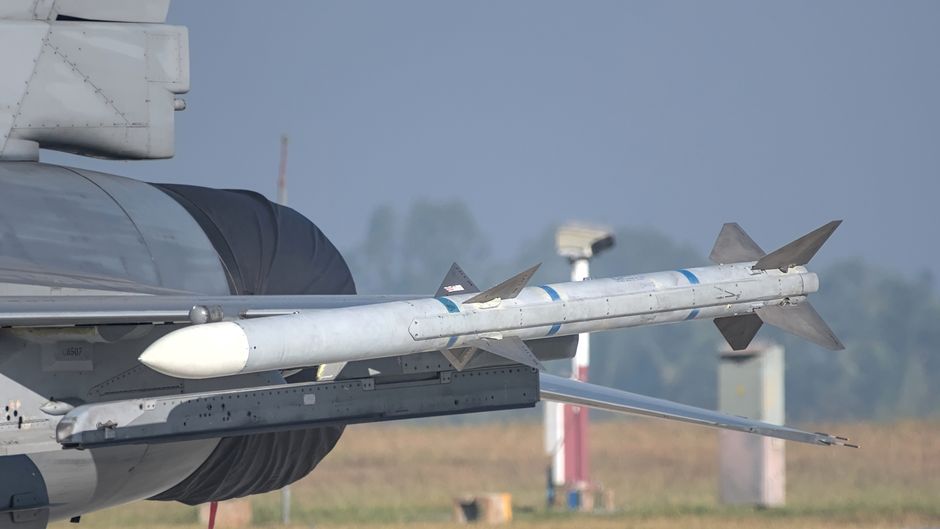
The escalating conflict in Ukraine has once again drawn the attention of neighboring NATO member Poland, prompting the scrambling of its fighter jets following reports of Russian missile strikes reaching deep into Ukrainian territory. This incident, occurring on [Insert Date of Incident, e.g., April 15, 2023, or a relevant recent date if specific information is available], highlights the volatile geopolitical landscape and the ever-present risk of spillover effects from the ongoing war. Polish authorities confirmed the deployment of its F-16 fighter aircraft in response to the perceived threat, a standard operating procedure designed to monitor airspace and deter potential incursions. The decision to scramble jets underscores the heightened state of alert within Poland and across the Eastern flank of the North Atlantic Treaty Organization. This action is not merely symbolic; it represents a tangible demonstration of Poland’s commitment to its own defense and its solidarity with Ukraine, even as it navigates the complex diplomatic and military challenges posed by its proximity to the conflict zone.
The Russian missile strikes, which prompted Poland’s aerial response, targeted various Ukrainian cities and infrastructure. While the precise objectives and effectiveness of these strikes are subject to ongoing assessment and propaganda narratives from both sides, their impact is undeniable. Reports from Ukrainian officials indicated widespread damage to energy facilities, residential buildings, and civilian areas. The scale and intensity of these attacks suggested a renewed effort by Russia to degrade Ukraine’s military capacity and cripple its economy, while also seeking to demoralize the Ukrainian population. The psychological impact of such attacks, even when not directly impacting Polish soil, is a significant concern for Warsaw. The sound of explosions, the displacement of refugees, and the constant threat of escalation all contribute to a pervasive sense of insecurity that permeates the region. Poland, as a frontline state, bears a disproportionate burden in managing the consequences of this aggression, from hosting millions of Ukrainian refugees to bolstering its own defense capabilities.
Poland’s decision to scramble fighter jets is rooted in a pragmatic assessment of regional security. The Polish Air Force, equipped with modern F-16 Fighting Falcons, possesses the capability to monitor its airspace and respond to potential threats with speed and precision. The decision to launch these aircraft is not taken lightly. It involves a complex decision-making process that considers intelligence reports, the trajectory of airborne threats, and the potential for any deviation that could bring them closer to Polish territory. The primary objective in such scenarios is to gather real-time information, establish visual confirmation of any unidentified or hostile aircraft, and, if necessary, intercept them. This proactive approach aims to prevent any inadvertent or deliberate violations of Polish airspace, which could have dire geopolitical consequences. The presence of NATO AWACS (Airborne Warning and Control System) aircraft or other allied surveillance assets may also have contributed to the intelligence picture that led to the scramble.
The strategic implications of Russian missile strikes reaching Polish airspace, even if unintentionally, are profound. Such an event could trigger Article 4 of the North Atlantic Treaty, which allows any member state to request consultations if it believes its territorial integrity, political independence, or security is threatened. This would involve NATO allies convening to discuss the situation and determine a collective response, which could range from diplomatic condemnation to enhanced military deployments. The Warsaw government is acutely aware of this potential and its existing defense posture is designed to minimize such risks. The prompt deployment of fighter jets serves as a visible deterrent and a clear signal to Moscow that Poland and NATO are vigilant and prepared to defend their borders. The speed at which Polish aircraft were dispatched also speaks to the advanced operational readiness of the Polish Air Force.
This incident also serves as a stark reminder of the ongoing modernization and expansion of the Polish Armed Forces. In recent years, Poland has significantly increased its defense spending, acquiring advanced military hardware and enhancing its training programs. This investment is driven by a perceived threat from Russia and a commitment to fulfilling its NATO obligations. The F-16s, while a crucial component of Poland’s air defense, are increasingly being supplemented by newer platforms, such as the F-35 Lightning II multirole fighter jets, which are currently on order. This ongoing acquisition underscores Poland’s determination to maintain a qualitative edge in air combat capabilities and to deter any potential aggressor. The ability to conduct rapid air patrols and potential interceptions is a testament to the effectiveness of these modernization efforts and the dedication of Polish military personnel.
The geographical proximity of Poland to Ukraine makes it a natural recipient of spillover effects from the conflict. The war has led to a significant influx of refugees into Poland, placing a strain on social services and housing. Furthermore, the constant threat of aerial attacks, even those directed at Ukraine, creates a palpable sense of anxiety among the Polish population. The sound of distant explosions, while not directly audible, can be perceived through news reports and the general heightened tension in the region. This psychological burden, coupled with the logistical challenges of supporting Ukraine and managing the refugee crisis, places significant demands on Poland’s resources and its government. The decision to scramble fighter jets, therefore, is also a measure to reassure the Polish public and demonstrate that their government is actively working to ensure their safety.
The broader context of NATO’s response to the conflict is also relevant. While Poland is a frontline state, the entire alliance has been recalibrating its defense posture in response to Russian aggression. This has included increased troop presence in Eastern European member states, enhanced joint military exercises, and the strengthening of air policing missions. The scrambling of Polish aircraft aligns with these broader NATO efforts to maintain a credible deterrent and to project a united front against any potential aggression. It is part of a layered defense strategy that relies on intelligence, surveillance, reconnaissance, and the rapid deployment of air assets to respond to emerging threats. The cooperation between Polish forces and other NATO air forces, including potential joint patrols or data sharing, is a critical element of this collective security framework.
The specific details of the Russian missile launches are important, though often difficult to verify definitively due to the fog of war and competing information narratives. Ukrainian authorities typically report on the targets and impact of these strikes, often categorizing them by type of weapon (e.g., cruise missiles, ballistic missiles, drones) and the affected regions. These reports are then disseminated through official channels, media outlets, and international organizations. Independent verification can be challenging, but satellite imagery, open-source intelligence, and reports from international observers can contribute to a more comprehensive understanding of the situation. The effectiveness of Russian strikes in achieving their stated objectives is also a subject of ongoing debate, with both sides presenting their own assessments and interpretations of the battlefield.
For Poland, the intelligence gathering that precedes the scrambling of its aircraft is paramount. This intelligence could originate from a variety of sources, including NATO surveillance assets, Polish reconnaissance drones, ground-based radar systems, and signals intelligence. The analysis of this intelligence allows Polish air defense command to assess the threat level, identify potential targets, and determine the appropriate response. The speed at which this information is processed and acted upon is crucial in modern air defense. The goal is to achieve situational awareness in near real-time, allowing for decisive action before a threat can materialize or escalate. The investment in sophisticated air defense systems, including advanced radar and command and control capabilities, is directly linked to this need for rapid and accurate threat assessment.
The long-term implications of this incident extend beyond immediate air defense. It reinforces the understanding within Poland and across NATO that the conflict in Ukraine is not a contained event. The potential for miscalculation, accidental escalation, or deliberate provocation remains a constant concern. Consequently, Poland is likely to continue its trajectory of military modernization and its commitment to strengthening its defenses. This includes not only acquiring new aircraft and weaponry but also investing in cyber defenses, electronic warfare capabilities, and robust infrastructure to support military operations. The ongoing war serves as a continuous stress test for defense planning and a catalyst for adaptation and improvement.
The psychological impact on the Polish population cannot be overstated. While Poland has a history of resilience and a strong sense of national identity, the persistent threat posed by its eastern neighbor creates a climate of unease. The government’s proactive measures, such as scrambling fighter jets, are partly aimed at demonstrating resolve and reassuring the public that their security is a top priority. Public opinion in Poland has largely been supportive of Ukraine and critical of Russian aggression, and the government’s actions reflect this sentiment. However, the long-term sustainability of such a high level of security readiness and the economic implications of increased defense spending are also subjects of ongoing discussion within Polish society.
The international response to such an incident is also a critical factor. The prompt reporting of the incident by Polish authorities to NATO allies and international bodies is essential for maintaining transparency and coordinating a collective response if necessary. The United States, as the leading power within NATO, plays a crucial role in this regard, providing both diplomatic and military support to its allies. The ongoing cooperation and communication between Warsaw and Washington, as well as with other European allies, are vital for managing the complex security challenges arising from the conflict in Ukraine. This cooperation encompasses intelligence sharing, joint military exercises, and coordinated diplomatic efforts.
In conclusion, the scrambling of Polish fighter jets in response to Russian missile strikes on Ukraine is a significant event that underscores the precarious security situation in Eastern Europe. It highlights Poland’s commitment to its own defense and its solidarity with Ukraine, while also reflecting the broader geopolitical challenges posed by Russia’s actions. The incident serves as a reminder of the ongoing modernization of the Polish Armed Forces, the importance of robust air defense capabilities, and the need for continued vigilance and cooperation within the NATO alliance. The long-term implications of such events will undoubtedly shape defense policy and strategic planning for years to come, as Poland and its allies navigate the complexities of a transformed security landscape. The continuous cycle of Russian missile attacks and Polish defensive responses creates a dynamic and challenging environment that requires constant adaptation and a unwavering commitment to collective security.
