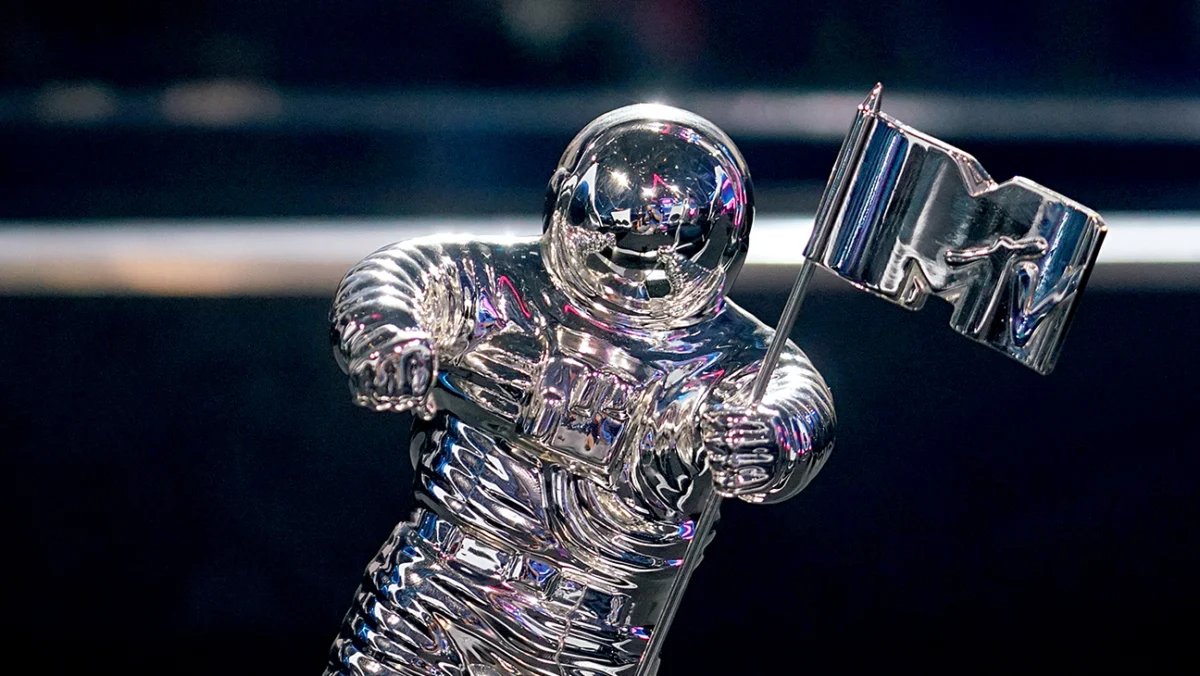
The atmosphere at the Peacock Theater in Los Angeles is electric as the music industry gathers for the 2026 MTV Video Music Awards, a night poised to be a defining moment in contemporary pop culture. With hip-hop icon Snoop Dogg taking the reins as host, the ceremony promises a blend of legacy performances and a celebration of the artists who have dominated the charts throughout the year. As the red carpet unfurls, the anticipation is palpable, not only for the distribution of the iconic "Moon Person" trophies but for a production that industry veterans describe as a high-octane, fast-paced showcase of musical excellence.
A Night of Record-Breaking Nominations
The landscape of this year’s competition is defined by a fierce battle between industry titans and rising stars. Madonna leads the pack with an impressive 13 nominations, a testament to her enduring influence on the visual medium of music. Close behind is Taylor Swift, who continues her record-breaking trajectory with 11 nods, followed by Sabrina Carpenter with nine, Ariana Grande with eight, and Bruno Mars with seven.
This distribution of nominations highlights a diverse range of artistic styles, from the experimental pop of recent years to the polished, high-budget aesthetic that has long been the hallmark of the MTV era. The sheer volume of recognition for veteran acts like Madonna and contemporary powerhouses like Swift underscores a shift in how legacy artists interact with the modern streaming-first ecosystem.
The Evolution of the MTV VMAs
Since its inception in 1984, the MTV Video Music Awards have served as a barometer for cultural trends. The transition from the era of traditional music videos to the social-media-driven content of 2026 has required the awards show to reinvent itself. The choice of the Peacock Theater as the primary venue offers a more intimate, yet technically advanced, stage that allows for the complex, multi-layered performances expected in this digital age.
Historical context is vital to understanding the weight of this evening. When the VMAs first launched, the focus was primarily on the novelty of music as a visual medium. Today, the "Moon Person" is a symbol of a digital footprint—a metric of how an artist commands attention in a fragmented media landscape. The inclusion of the inaugural MTV VMA Artist Director Honors, to be presented to Taylor Swift, marks a pivot toward recognizing the holistic creative vision required of modern superstars, who are no longer just performers but architects of their own cinematic brands.
Performance Lineup and Tribute Segments
The performance roster reflects a deliberate effort by producers to bridge generational divides. Madonna’s return to the VMA stage—marking her first performance at the event in over two decades—is arguably the night’s most anticipated moment. This performance serves as a thematic anchor for the evening, linking the roots of the music video era to the present day.
The schedule also features a global array of talent, including Lisa, Shaboozey, Raye, Sienna Spiro, Kacey Musgraves, Teddy Swims, SOMBR, GENER8ION, Gunna, and Yung Lean. The diversity in this lineup suggests an intent to capture global market appeal, particularly with the inclusion of international artists who have successfully crossed over into the North American mainstream.
Beyond the performances, the ceremony will honor legends through dedicated tributes. Dolly Parton and George Michael are set to be the subjects of special segments. These tributes serve as a reminder of the foundational influence these artists had on the pop and country genres, providing a grounding influence amidst the frenetic energy of the newer nominees. Furthermore, the presentation of the Video Vanguard Award to Nirvana serves as a nod to the alt-rock legacy that significantly shaped MTV’s programming identity during the 1990s.
Behind the Scenes: The Producer’s Vision
Van Toffler, the veteran producer tasked with shaping the 2026 broadcast, has been vocal about the logistical and creative challenges of the night. In discussions with The Hollywood Reporter, Toffler emphasized that the goal is to maintain momentum throughout the two-hour broadcast. "It’s a kick-ass, fast-paced show," Toffler noted.
The decision to install Snoop Dogg as the host is central to this vision. Toffler highlighted Snoop’s unique ability to navigate various social circles within the entertainment industry. "There’s no cooler human on the planet," Toffler observed. "He’s so facile with movie stars and music stars and celebrities and athletes. Everyone’s comfortable with him. I think that interplay with the performers will be a big part of the show." This strategic hosting choice is designed to minimize the friction that often occurs in high-pressure, live-television environments, creating an atmosphere of camaraderie rather than rigid competition.
Chronology and Broadcast Logistics
The event began with the red-carpet arrival at approximately 4:30 p.m. PT. The main ceremony is scheduled to run from 7:30 p.m. to 9:30 p.m. ET. The distribution model for the 2026 VMAs reflects current viewing habits: a simulcast on CBS and MTV, coupled with a digital-first strategy on Paramount+. This dual-approach ensures that the show reaches both traditional linear television audiences and the younger, streaming-native demographics that define MTV’s core target audience. Global availability via Paramount+ the following day ensures that the conversation surrounding the event remains active well beyond the initial live broadcast.
Analytical Implications for the Industry
The 2026 VMAs arrive at a critical juncture for the music industry. With physical media largely obsolete, the competition for "Video of the Year" and other creative accolades is more intense than ever. The metrics for success now include virality on platforms like TikTok, the depth of creative world-building, and the ability to maintain engagement across multiple digital touchpoints.
The recognition of the "Artist Director" role in this year’s awards is perhaps the most significant structural change. By acknowledging that artists like Taylor Swift are increasingly acting as their own creative directors, MTV is signaling an acceptance of the "auteur" model in pop music. This shift likely heralds a future where awards shows will prioritize the artist’s total creative output over the traditional concept of a standalone music video.
Furthermore, the focus on legacy acts alongside emerging ones suggests that the industry is placing a higher premium on longevity. In a market where content is consumed and discarded at record speeds, artists who can bridge the gap between their foundational work and contemporary trends—as evidenced by Madonna’s nomination count and the George Michael tribute—are the ones who command the most significant cultural capital.
Conclusion: The Future of the Moon Person
As the red carpet winds down and the lights dim inside the Peacock Theater, the industry awaits the outcome of the evening. Will the night be remembered for the historical performances, or for the new guard asserting its dominance? Regardless of the winners, the 2026 MTV Video Music Awards serves as a snapshot of a business in flux, attempting to balance the traditions of the past with the rapid, often chaotic evolution of the digital future. With the eyes of the world turned toward Los Angeles, the event remains a vital, albeit challenging, institution in the global entertainment calendar. The night’s success will ultimately be measured by its ability to engage an audience that is increasingly difficult to capture, proving that even after four decades, the VMAs remain a stage that no major artist can afford to ignore.