The Spring/Summer 2027 collection for Bottega Veneta served as a definitive statement on the enduring power of the house’s artisanal heritage, as Creative Director Louise Trotter masterfully recontextualized the iconic intrecciato weave. Held during the height of Milan Fashion Week, the presentation moved beyond the traditional boundaries of leatherwork, signaling a transition toward a more nuanced, tactile, and structurally complex era for the Italian luxury house. By deconstructing the house’s most recognizable signature and reimagining it through the lens of seasonal lightness, Trotter has set a new benchmark for how legacy brands can innovate without sacrificing their foundational identity.

The Evolution of the Intrecciato Motif
For decades, the intrecciato weave—a basket-weave technique developed by Bottega Veneta in the late 1960s—has functioned as the brand’s "stealth wealth" monogram. While the house has historically utilized this weave primarily for accessories and high-end handbags, Louise Trotter’s Spring/Summer 2027 collection pushed the motif into the realm of ready-to-wear with unprecedented technical ambition.
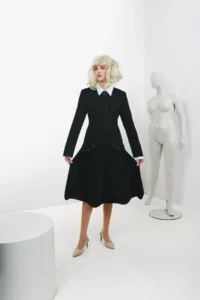
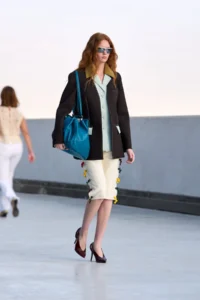
Trotter’s interpretation was both literal and abstract. In one standout look, a longline coat was strategically knotted at the side, revealing a delicate, light cotton dress beneath, creating a visual dialogue between rigid structure and fluidity. Furthermore, the collection introduced a T-shirt constructed entirely from a sturdy, basket-weave textile, challenging the conventional perception of jersey and cotton. This experimentation suggests a strategic pivot: the brand is moving toward an "all-encompassing" weave philosophy, where the texture of the brand becomes synonymous with the silhouette of the garment itself.

A Chronology of the Presentation
The show, which took place in a minimalist, industrial space in Milan, followed a carefully curated narrative arc. The early segments of the runway focused on monochromatic palettes, largely grounded in earth tones and soft neutrals, which served to highlight the architectural integrity of the garments. As the show progressed, the color palette began to expand. Mid-runway, attendees were treated to injections of vibrant color, including a standout butter-yellow trouser set and a lilac blouse worn by model Mariacarla Boscono.
The climax of the show focused on movement. The appearance of two fringe skirts—one in a soft lavender and the other in an earthy, multi-tonal blend—demonstrated a sophisticated grasp of physics. As the models moved, the hems lifted into precise elliptical shapes, showcasing the weight and balance of the materials. The show concluded with a series of looks that pushed the boundaries of trompe l’oeil, specifically a dress where fringe was utilized to form an intricate, floral-inspired pattern, blurring the line between craftsmanship and optical art.

Materiality and the "Lightness" Paradox
One of the most notable aspects of the collection was the achievement of a "summer-ready" aesthetic without the reliance on sheer fabrics or lace—a trope that has dominated much of the current Milanese fashion cycle. While many of its peers leaned into transparency, Bottega Veneta maintained its commitment to substance.
Trotter achieved this lightness through rigorous attention to texture. The collection’s accessories, particularly the oversized intrecciato totes, were crafted to emulate the aesthetic of raffia—a material typically associated with summer beachwear—yet maintained the structural integrity of high-grade leather. The use of crochet overshirts added an openwork, airy quality, while a macramé-esque tank paired with a gauzy, lightly pleated maxi skirt provided a masterclass in layering. By using techniques like crochet and macramé, the brand successfully mimicked the breathability of summer fabrics while remaining firmly rooted in the tradition of Italian leathercraft.

Industry Context and Front-Row Dynamics
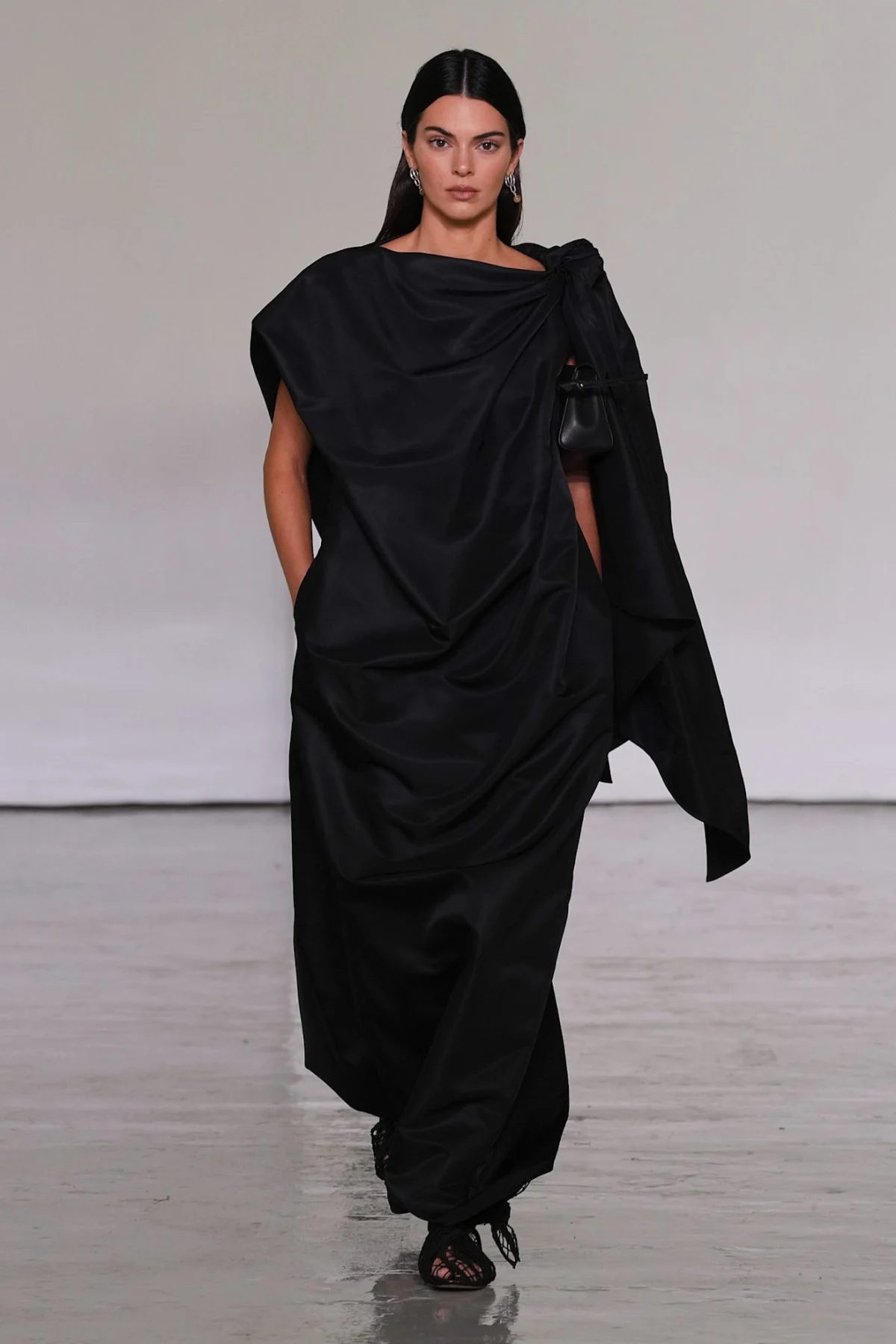
Milan Fashion Week remains a vital indicator of the health of the global luxury market, and the attendance at the Bottega Veneta show underscored the brand’s continued cultural relevance. The front row was a testament to the brand’s broad appeal, featuring high-profile figures such as Julianne Moore, Tyler, the Creator, and Jacob Elordi. The presence of Elordi, who attended to support partner Kendall Jenner as she closed the show, generated significant social media engagement, a metric that remains essential for luxury houses looking to capture the attention of younger demographics.
The seating arrangement itself was an extension of the collection’s theme. Attendees were seated on lacquered cardboard stools designed by Berlin-based artist Ilya Goldman Gubin. The stools, which appeared to be "crumpled" or molded by the artist’s hand, served as a meta-commentary on the entire collection: the idea that craft is a dialogue between the maker and the material. It served as a poignant reminder that at Bottega Veneta, the commitment to craft is not limited to the garments themselves, but extends to the environment in which they are presented.

Analytical Implications: Where is Bottega Headed?
The economic implications of this collection are significant. By diversifying the intrecciato technique across various product categories—from footwear to oversized outerwear—Bottega Veneta is effectively strengthening its brand moat. In an era where many luxury brands are struggling with "logo fatigue," Bottega’s reliance on a tactile signature rather than a printed brand name allows it to maintain a sense of exclusivity.
Furthermore, the focus on technical, high-labor-intensity construction serves as a defense against the rise of mass-market luxury alternatives. The complex weaving required for a full-body garment is difficult to replicate at scale, thereby justifying the premium price points associated with the brand. Market analysts have long pointed to the "craft-led" strategy as the most sustainable model for heritage brands, and the success of this collection indicates that under Trotter, the brand remains committed to this path.

Broader Impact on the Luxury Sector
The move away from sheer, ultra-light fabrics and toward textured, artisanal pieces reflects a broader shift in consumer behavior. Data from recent retail reports indicates a growing interest in "investment pieces"—garments that possess both aesthetic longevity and structural durability. By favoring sturdy, well-constructed pieces that lean on technical skill rather than fast-fashion trends, Bottega Veneta is aligning itself with the "quiet luxury" movement that prioritizes long-term utility.
The use of color, while sparing, was also calculated. The inclusion of tangerine-orange and butter-yellow served to modernize the collection, preventing it from feeling overly conservative or trapped in its own history. This balance of innovation and tradition is likely to maintain the brand’s momentum throughout the 2027 fiscal year.

Conclusion
Louise Trotter’s Spring/Summer 2027 collection for Bottega Veneta was more than just a seasonal offering; it was a coherent, intellectually rigorous exploration of the brand’s DNA. By refusing to follow the industry-wide trend of sheer layering and instead choosing to invent new ways to treat, weave, and manipulate traditional materials, the collection established a new narrative for the brand.
As the industry looks toward the upcoming seasons, the focus on "tactile luxury"—the idea that the value of a garment is felt as much as it is seen—is likely to become a defining theme. Through the careful, deliberate application of the intrecciato weave and a masterful command of silhouette, Bottega Veneta has once again positioned itself at the vanguard of modern design, proving that the most effective way to lead is to lean into one’s own legacy with radical, uncompromising confidence. The collection stands as a testament to the fact that when craftsmanship is prioritized, the result is not just a seasonal wardrobe, but a lasting piece of sartorial history.