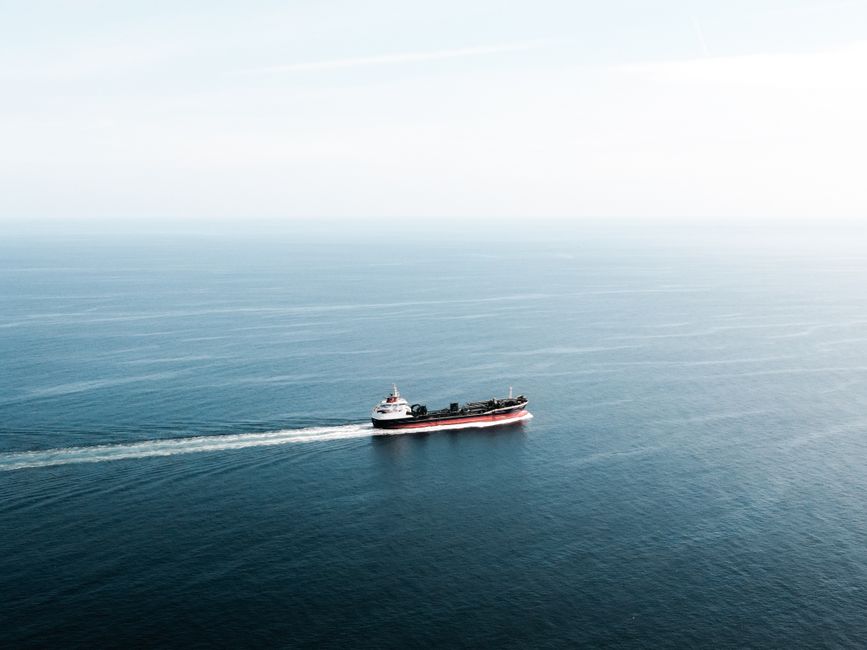
The Shipping Industry’s Still Sea: Navigating Net Zero
The global maritime shipping industry, the lifeblood of international trade, faces a monumental challenge: achieving net-zero greenhouse gas emissions by 2050. This ambitious target, set by the International Maritime Organization (IMO), represents a profound transformation for a sector historically reliant on heavy fuel oil (HFO). The sheer scale of the undertaking cannot be overstated, involving a complete overhaul of propulsion systems, fuel supply chains, and operational practices across a fleet of over 50,000 vessels. The transition is not merely a regulatory imperative; it is driven by increasing environmental consciousness, investor pressure, and the looming threat of climate change. Failure to decarbonize effectively risks significant reputational damage, market exclusion, and ultimately, a failure to contribute to global climate goals. The "still sea" metaphor aptly describes the industry’s current state: vast, seemingly unchanging on the surface, yet internally wrestling with immense currents of change and uncertainty as it charts a course towards a sustainable future. This article will delve into the multifaceted challenges, emerging solutions, and the complex interplay of stakeholders involved in this critical decarbonization journey.
The fundamental obstacle lies in the energy-intensive nature of maritime transport. Ships, particularly large cargo vessels like container ships, bulk carriers, and tankers, require enormous amounts of energy to move vast quantities of goods across oceans. Historically, this energy has been provided by HFO, a cheap and readily available bunker fuel derived from crude oil. HFO, however, is a major contributor to CO2 emissions, as well as other harmful pollutants like sulfur oxides (SOx) and nitrogen oxides (NOx). The challenge of replacing HFO with low or zero-carbon alternatives is multifaceted, encompassing technological feasibility, economic viability, and the development of entirely new global infrastructure. Unlike the automotive sector, where battery electric vehicles (BEVs) are gaining traction, the energy density requirements for long-haul shipping make battery-only solutions impractical for the vast majority of the global fleet. Ships require power that can sustain operations for weeks or months at a time, demanding fuels with significantly higher energy content per unit mass or volume.
The search for alternative fuels is at the forefront of the decarbonization effort. Several promising candidates are under intense development and scrutiny, each with its own set of advantages and disadvantages. Methanol, particularly green methanol produced from renewable sources like biomass or captured CO2 and green hydrogen, is emerging as a leading contender. It can be stored and handled similarly to current liquid fuels and is compatible with modified internal combustion engines. However, the production of sufficient green methanol to power the global fleet presents a significant scaling challenge. Ammonia, another strong candidate, is a carbon-free fuel when produced renewably (green ammonia). It has a high hydrogen content, making it an efficient energy carrier. However, ammonia is toxic and corrosive, requiring specialized materials and safety protocols for handling and storage. Furthermore, its combustion can produce nitrous oxide (N2O), a potent greenhouse gas, necessitating advanced combustion technologies or exhaust after-treatment.
Hydrogen, in its pure form, is a zero-emission fuel. However, storing and transporting hydrogen on board ships is a significant hurdle due to its low volumetric energy density. This often requires cryogenic temperatures (liquefied hydrogen) or high pressures, both of which add complexity and cost. The production of green hydrogen, derived from electrolysis powered by renewable electricity, is also a nascent industry with substantial infrastructure needs. Other alternative fuels being explored include biofuels, which offer a potential drop-in solution for existing engines but face limitations in terms of feedstock availability, sustainability, and scalability. Synthetic fuels, often referred to as e-fuels, are produced by combining green hydrogen with captured CO2. They offer a flexible pathway but are currently expensive to produce and require significant energy inputs. The decision of which fuel or combination of fuels will ultimately dominate the shipping industry remains uncertain, leading to a degree of "fuel paralysis" as shipowners grapple with long-term investment decisions for new builds and retrofits.
The transition to alternative fuels necessitates substantial investment in new technologies and infrastructure. This includes the development of dual-fuel engines capable of running on both conventional and alternative fuels, as well as entirely new engine designs optimized for specific low-carbon fuels like ammonia or methanol. Furthermore, a global network of bunkering facilities for these new fuels must be established. This is a monumental undertaking, requiring collaboration between fuel producers, port authorities, and shipping companies. The current infrastructure is heavily geared towards HFO, and building out the necessary supply chains for green fuels will take years, if not decades, and billions of dollars. The cost of these new fuels is also a critical factor. Initially, green fuels are expected to be significantly more expensive than HFO, creating a competitive disadvantage for companies that adopt them early. Policy mechanisms, such as carbon pricing and subsidies, will likely be crucial in leveling the playing field and incentivizing the uptake of cleaner alternatives.
Beyond fuel switching, operational efficiencies and technological innovations play a vital role in reducing the industry’s emissions. Hull coatings designed to reduce drag, propeller optimization, and the use of wind-assisted propulsion systems like rotor sails or kites can significantly decrease fuel consumption. Digitalization and data analytics offer opportunities to optimize voyage planning, vessel performance, and cargo loading, leading to further emission reductions. The adoption of slow steaming, where vessels reduce their speed to save fuel, has been a common practice, but it comes at the cost of longer transit times, which can impact supply chain efficiency. The IMO’s Energy Efficiency Existing Ship Index (EEXI) and Carbon Intensity Indicator (CII) are regulatory tools designed to drive these improvements by setting technical and operational standards for emissions reduction. While these measures are important steps, their effectiveness in achieving net-zero targets remains a subject of ongoing debate and requires continuous refinement.
The regulatory landscape is a powerful driver of change, but its complexity and evolving nature can also create uncertainty. The IMO’s greenhouse gas strategy has been progressively strengthened, with the latest ambition aiming for net-zero emissions by or around 2050. However, the specific pathways and timelines for achieving this remain a subject of intense negotiation and compromise among member states. Regional regulations, such as the European Union’s Emissions Trading System (ETS) which now includes maritime emissions, and stricter national policies, add further layers of complexity for global shipping operators. The potential for a fragmented regulatory environment, where different regions impose different requirements, poses a significant challenge to the industry’s ability to plan and invest effectively. Harmonization of regulations and a clear, long-term policy roadmap are essential for driving the necessary transformation.
Stakeholder engagement is paramount to navigating the decarbonization journey. Shipowners and operators are the primary implementers of change, facing significant investment decisions and operational adjustments. Charterers, who hire vessels for cargo transport, are increasingly demanding greener shipping options, creating market pull for sustainable solutions. Financiers and investors are scrutinizing the environmental, social, and governance (ESG) performance of shipping companies, influencing access to capital and the cost of financing. Port authorities play a crucial role in developing the necessary bunkering infrastructure and facilitating the transition. Fuel producers are investing in the development and scaling of green fuel production. Technology providers are innovating to deliver the required solutions. Ultimately, a collaborative approach, involving all these stakeholders, is essential to overcoming the challenges and accelerating the transition to a net-zero maritime sector. The "still sea" of the industry is indeed in motion, propelled by a complex interplay of technological innovation, economic realities, regulatory pressures, and a growing global commitment to a sustainable future. The journey to net-zero is arduous, filled with uncertainties, but the imperative to reach that destination is undeniable.
