The modern American climate movement is undergoing a profound ideological fracture, exposing a deep-seated philosophical rift that has quietly brewed for decades. At the heart of this division is a fundamental question of strategy: Is it more effective to block fossil fuels and protect local ecosystems from immediate harm, or to aggressively fast-track the construction of renewable energy infrastructure and interstate transmission lines, even if it requires compromising on bedrock environmental laws?
This simmering tension erupted into a full-scale civil war following the introduction of the Bipartisan American Affordability and Jobs Act (BAAJA). The sprawling, 400-page Senate legislative package aims to unlock the bottleneck currently strangling the United States’ clean energy transition. However, by weakening foundational environmental statutes and offering concessions to the fossil fuel industry, the bill has forced climate activists, renewable energy executives, Indigenous nations, and lawmakers to choose sides in a high-stakes legislative battle that could permanently reshape the nation’s environmental landscape.
Anatomy of the Legislation and the Four Corners Compromise
The genesis of BAAJA lies in months of intense behind-the-scenes negotiations among a quartet of senators known colloquially as the "four corners"—members hailing from key energy and environmental committees. The bipartisan negotiating team included Democratic Senators Sheldon Whitehouse of Rhode Island and Martin Heinrich of New Mexico, both recognized climate hawks and staunch clean energy proponents, alongside Republican Senators Mike Lee of Utah and Shelley Moore Capito of West Virginia, traditional defenders of fossil fuels and frequent critics of federal environmental regulations.
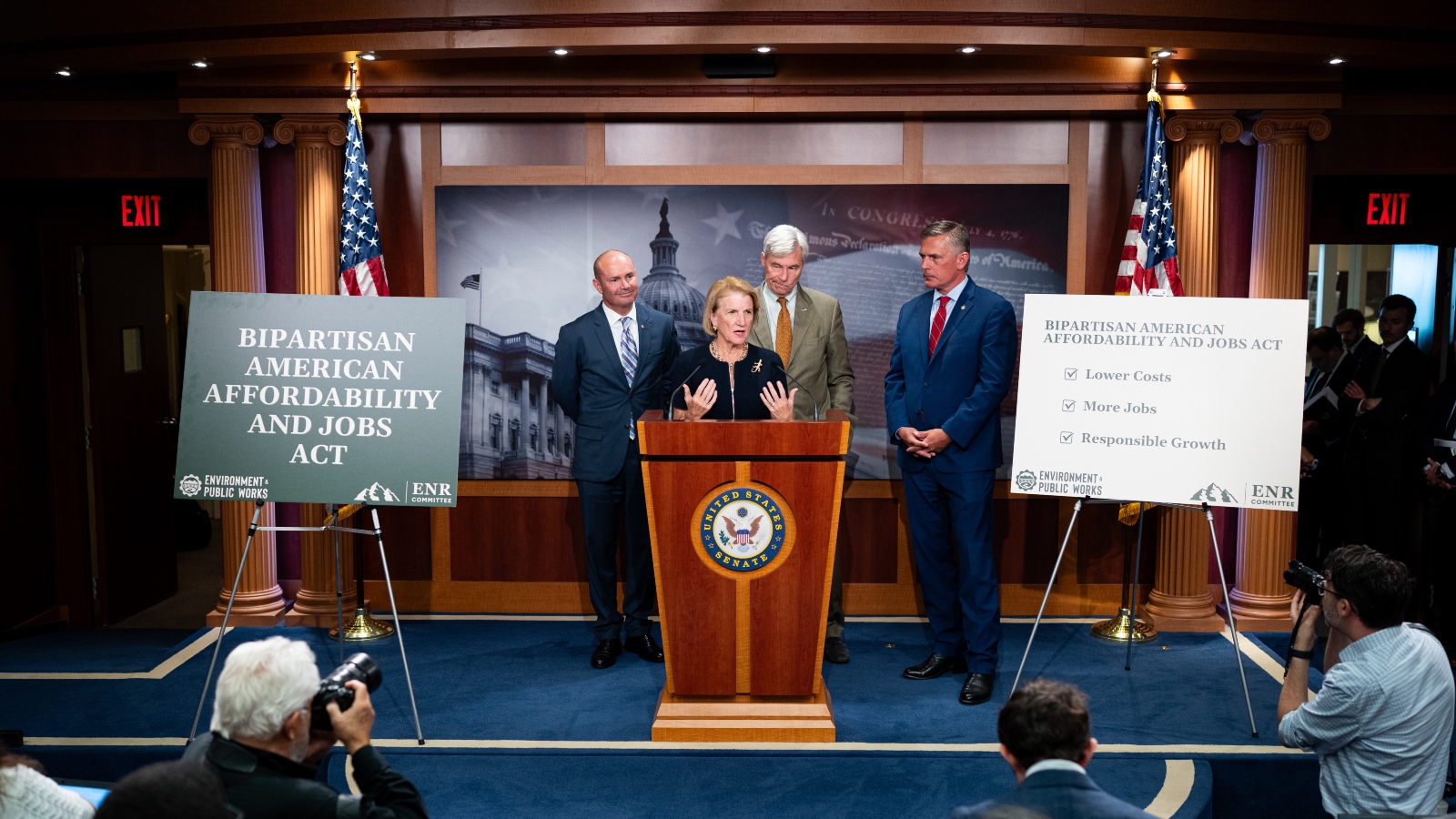
Despite their vast ideological differences, the four senators forged a compromise designed to address a shared, albeit contradictory, frustration: the glacial pace of American infrastructure development. The bill attempts to untangle the bureaucratic web delaying thousands of gigawatts of energy projects by overhauling the National Environmental Policy Act (NEPA). Under the proposed legislation, the window of time for plaintiffs to file NEPA-related lawsuits would shrink dramatically from six years to just 150 days following the conclusion of a project’s environmental review. Furthermore, litigants would be barred from challenging a project unless they had raised specific concerns during the public comment period.
Crucially, the bill restricts the remedial powers of federal courts. Rather than allowing judges to halt a project entirely while an agency redoes a flawed environmental impact statement, courts would generally be limited to ordering agencies to correct their analyses while construction continues. Permits could only be revoked under narrow exceptions, such as proven violations of law or immediate, substantial risks to national security, human life, or property.
Background Context and Chronological Pressures
The urgency driving the creation of BAAJA stems from a convergence of regulatory bottlenecks, shifting political winds, and economic realities. Over the past decade, solar and wind power generation costs have plummeted, making renewables cheaper than coal and natural gas in many parts of the country. Yet, thousands of clean energy projects remain trapped in interconnection queues managed by regional grid operators.
According to data compiled by research groups like Berkeley Earth and the Repeat Project, the United States has failed to build the high-voltage interregional transmission lines necessary to transport electricity from resource-rich regions—such as wind-swept plains in the Dakotas and sunny expanses in Nevada—to densely populated urban centers. A comprehensive 2025 study highlighted the scale of the roadblock, revealing that 64 percent of solar projects, 38 percent of wind projects, and 31 percent of transmission initiatives face costly NEPA-related litigation.
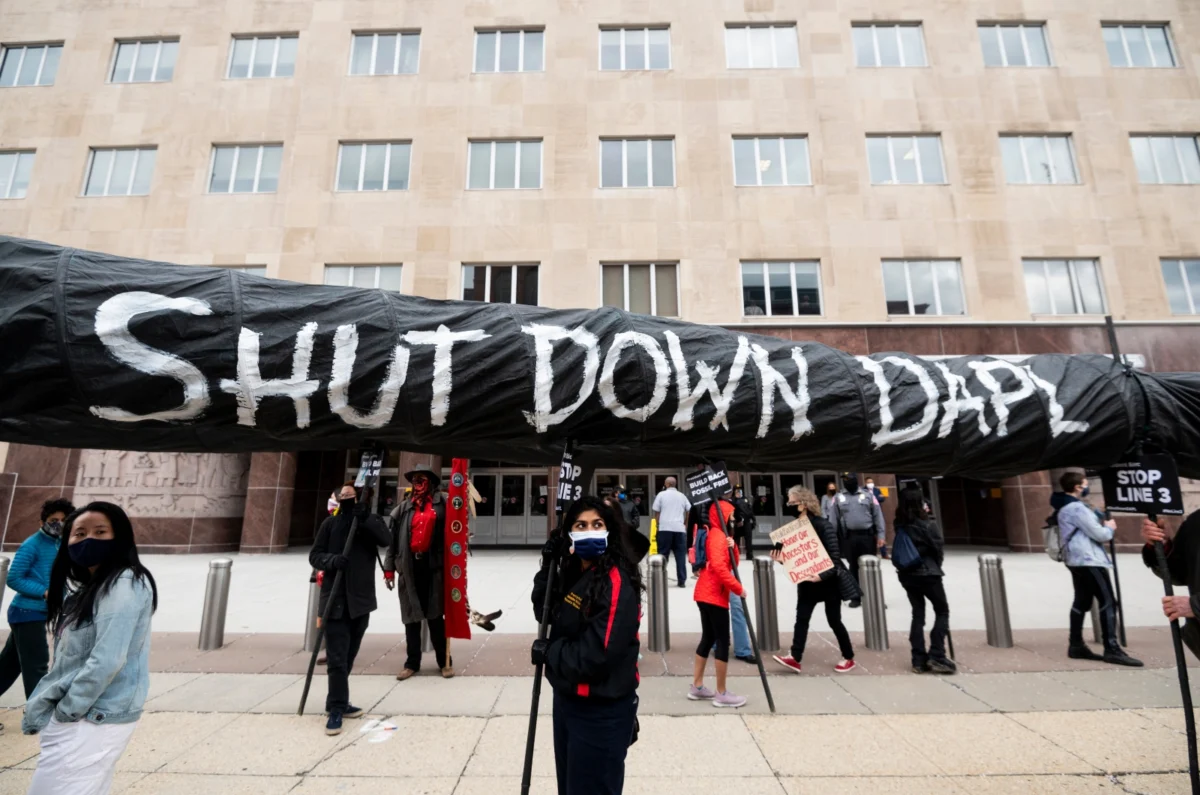
Simultaneously, the political environment has grown increasingly volatile. During the Biden administration, progressive climate activists celebrated actions like the cancellation of the Keystone XL pipeline and a temporary pause on new liquefied natural gas (LNG) export terminals. However, subsequent judicial setbacks and the return of a hostile executive branch under President Donald Trump—who has systematically sought to repeal federal climate rules and restrict clean energy development on public lands—have rattled the renewable sector. Many clean energy developers and pragmatic policy wonks have concluded that holding out for a progressive political monopoly is a losing gamble. Instead, they argue that locking in statutory frameworks that guarantee permitting certainty and mandate interregional transmission planning is worth the bitter pill of regulatory rollbacks.
The Case for BAAJA: Building the Clean Energy Economy
Proponents of the legislation argue that accelerating the green transition requires a pragmatic willingness to accept imperfect compromises. Without a massive surge in generation and transmission capacity, proponents warn that electricity prices will skyrocket and decarbonization targets will be hopelessly missed.
Ray Long, president of the American Council on Renewable Energy (ACORE), emphasized the urgency of the moment. "We need to really put this in reality. We need to build a ton of stuff over the next four years, or else we’re gonna have higher electricity prices," Long said.
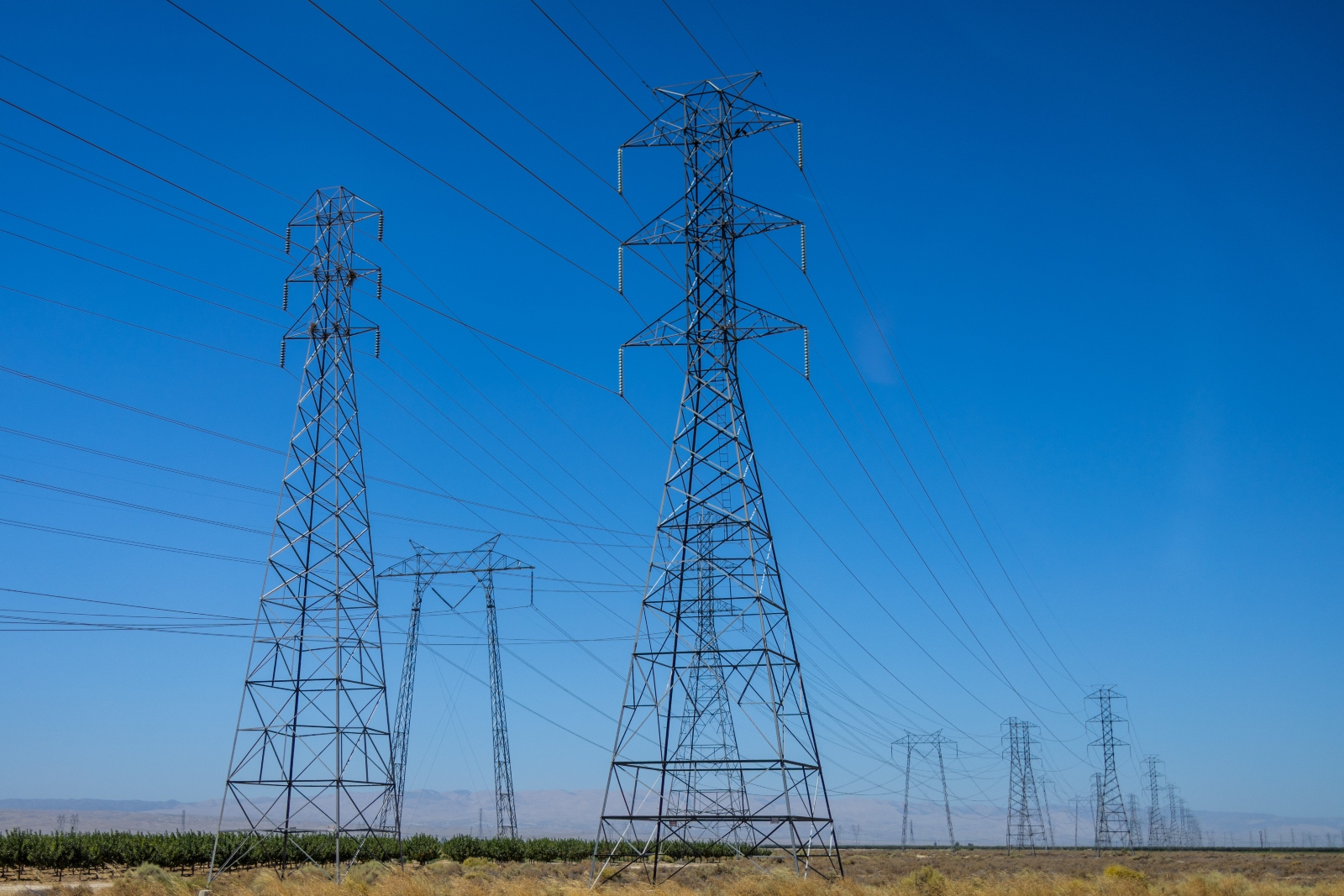
From an economic and technical standpoint, the bill’s provisions regarding interregional transmission are viewed by supporters as a historic sea change. Chirag Lala, vice president of research and chief economist at the Center for Public Enterprise, noted that while traditional power plants were historically built near population centers, clean energy resources are location-specific. "If you’re going to rely on those resources, you have to ship the power over long distances," Lala explained. BAAJA attempts to solve this by forcing utilities and regional grid operators to plan for interregional lines and empowering private developers to step in if utilities fail to act.
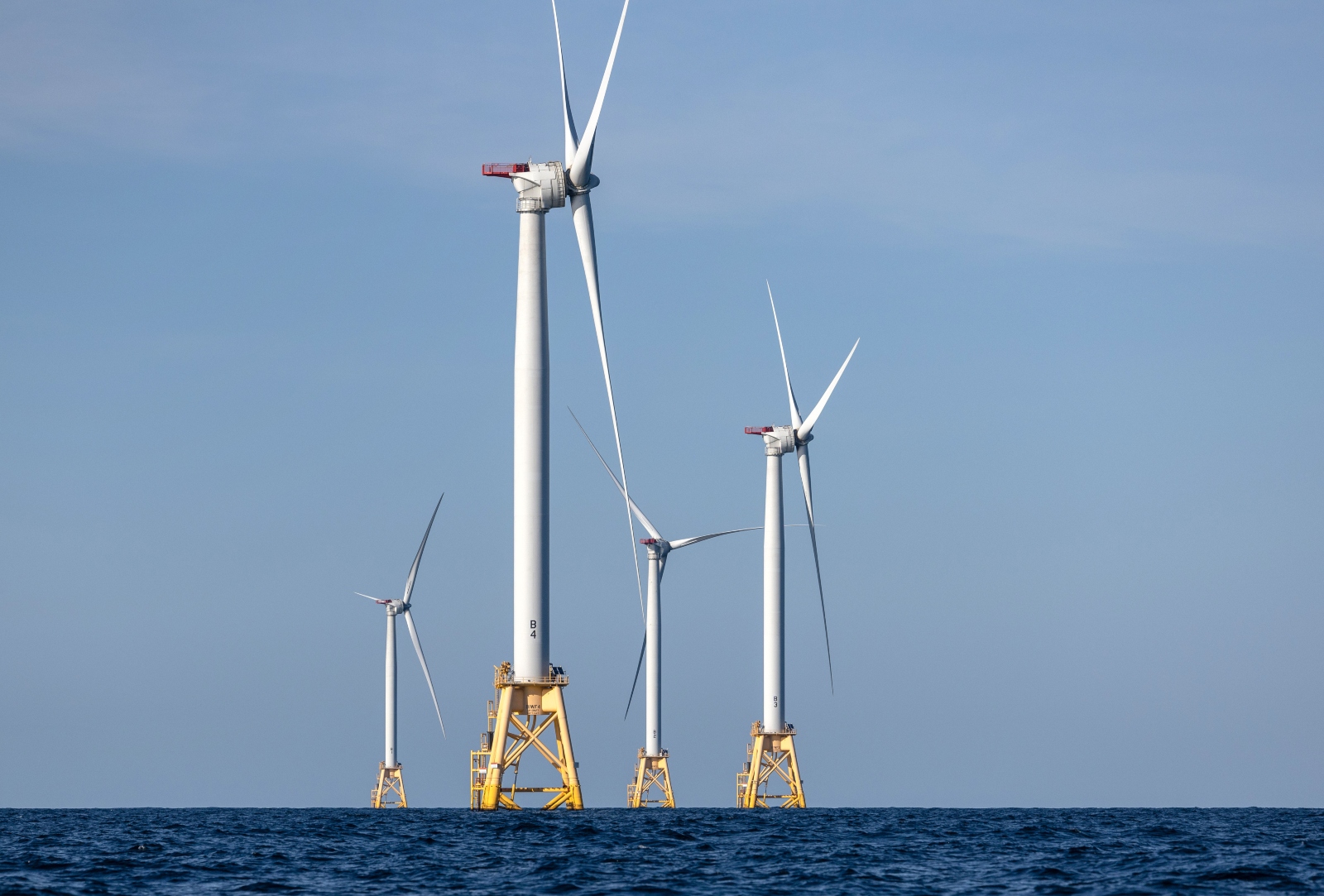
Furthermore, supporters argue that the bill provides essential "permitting certainty" that protects renewable energy developers from politically motivated interference. Provisions in the bill prohibit the executive branch from discriminating against specific energy sources through delayed or canceled permits. While this provision also shields fossil fuels—preventing future executive-branch pauses on LNG terminals, for instance—proponents argue it provides a vital two-way shield against hostile future administrations looking to sabotage offshore wind or solar farms.
The Case Against BAAJA: Environmental Injustice and the Faustian Bargain
Conversely, a coalition of grassroots environmental justice organizations, Indigenous nations, and conservation groups has condemned BAAJA as a dangerous, industry-friendly giveaway that sacrifices vulnerable populations for the sake of nationwide supply metrics.
Opponents argue that the legislation’s streamlining measures will disproportionately harm frontline communities, particularly in the Gulf South and Appalachia, by clearing the path for industrial expansion without adequate legal recourse. Liz Zepeda, federal policy director at the Southern Environmental Law Center, warned that the erosion of long-standing environmental protections spells disaster for local populations. "That battle between fossil fuels and renewables is not going to necessarily go well for the people of our region, especially if you take those regular protections that we’ve relied on for years away," Zepeda said.
Indigenous communities have raised severe alarms regarding the narrowing of historic preservation laws, arguing that compressed timelines and restricted notification requirements will all but guarantee that infrastructure projects encroach upon sacred tribal sites without meaningful consultation. Valerie Grussing, executive director of the National Association of Tribal Historic Preservation Officers, noted that the changes will "reduce opportunities for Tribal Nations to learn that an infrastructure project is occurring or to participate before decisions are made."
Critics also point out structural concessions granted to the fossil fuel industry, including broad environmental exemptions for natural gas pipelines and weakened state oversight under the Clean Water Act. Brett Hartl, government affairs director at the Center for Biological Diversity, argued that the bill institutionalizes fossil fuel hegemony. "If you have a dominant industry right now, which is the fossil fuel industry, you are creating a structure that makes it possible for them to lock in their dominance forever," Hartl stated.
Political Implications and the Fracture Within the Green Movement
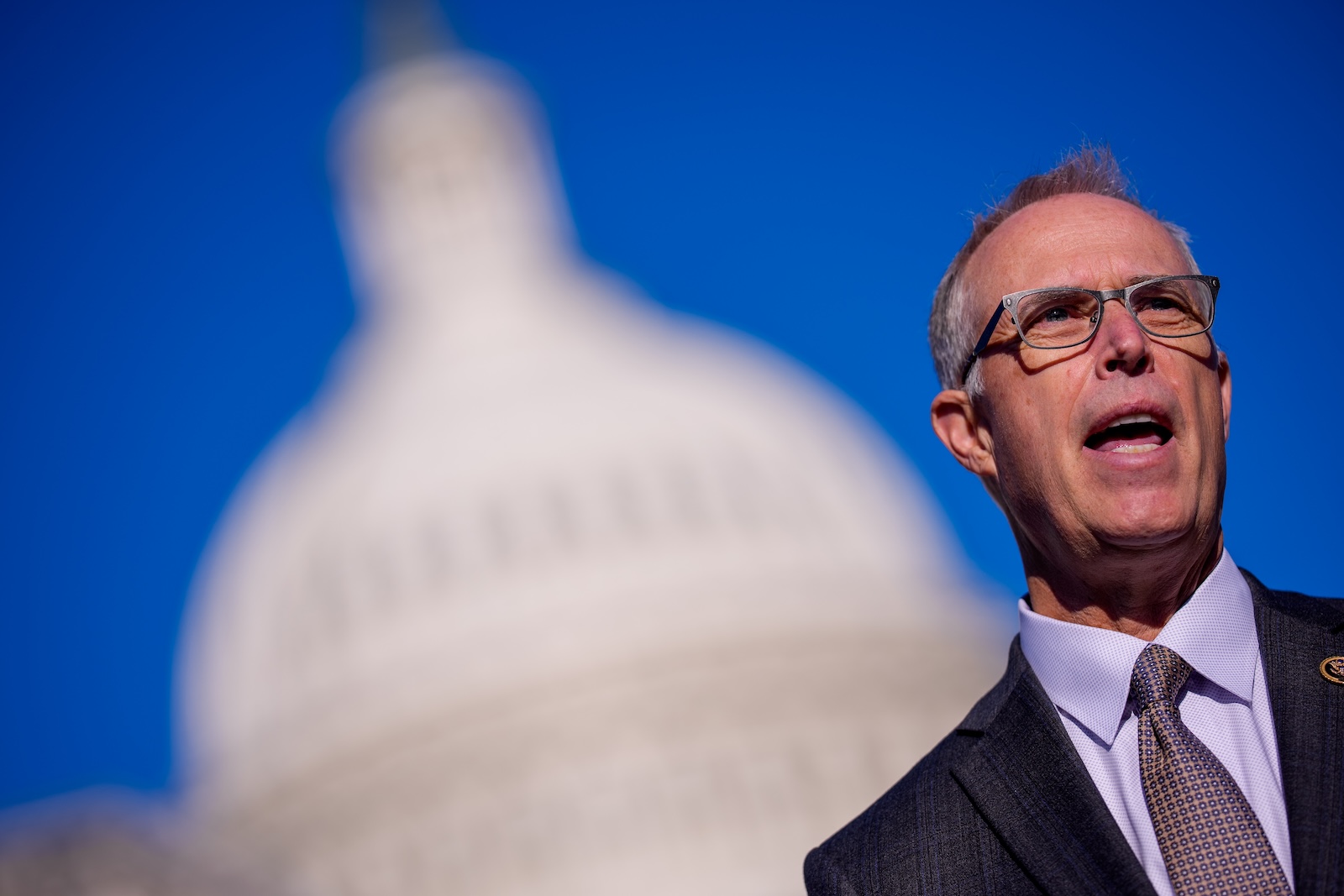
As Congress enters its fall recess ahead of midterm elections, the political fate of BAAJA remains deeply uncertain. The legislation must clear committee hurdles and survive a fractious floor fight in both the Senate and the House of Representatives, where members from both parties have voiced skepticism. Representative Jared Huffman, a California Democrat, dismissed the narrative that the bill represents a once-in-a-lifetime opportunity that must be accepted without scrutiny, labeling the package a "Trojan horse" laden with fossil fuel handouts.
The debate has exposed deep fissures within the broader climate coalition. While hundreds of localized environmental and conservation groups have mobilized in opposition—signing open letters and urging lawmakers to vote down the bill—many of the nation’s most influential mainstream environmental organizations have adopted a more nuanced, cautious silence or offered qualified support. Major groups such as the Sierra Club, the Environmental Defense Fund, and the Natural Resources Defense Council have avoided joining the fiercest resistance efforts, reflecting a sobering internal calculation among veteran advocates.
This strategic divide encapsulates the modern dilemma of climate politics in the United States. As decades of judicial roadblocks and legislative stagnation have frustrated efforts to simply block fossil fuel extraction, a growing faction within the movement has embraced a utilitarian mantra: if you cannot successfully beat the entrenched fossil fuel apparatus in court, you must build a clean energy system robust enough to render it obsolete. Whether that calculated gamble represents pragmatic genius or a dangerous Faustian bargain remains the defining question for the future of American environmental policy.