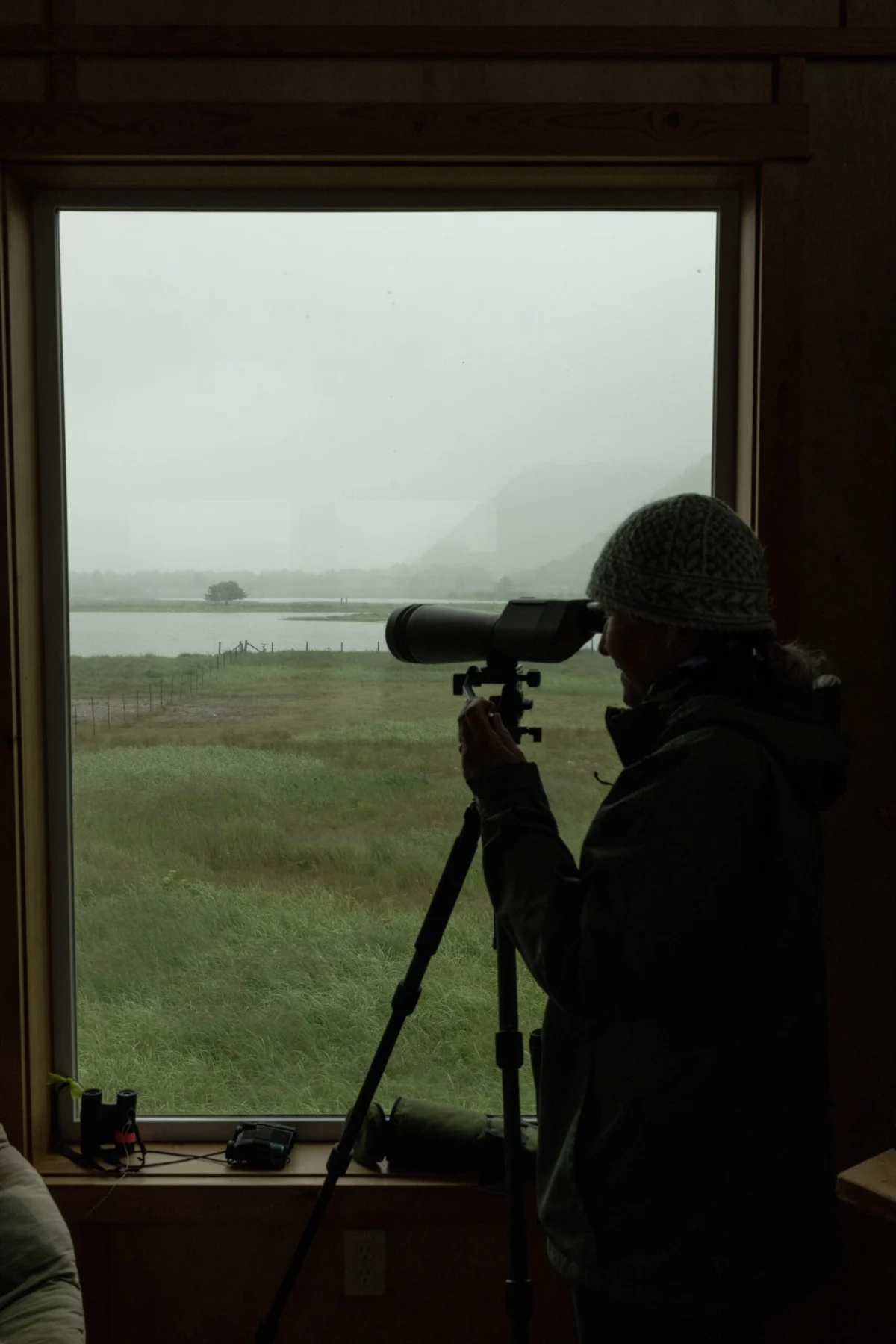
Last August, Christine Burton received an abrupt phone call from her sister, an employee at the state-owned Pacific Spaceport Complex on Kodiak Island, Alaska. The facility was preparing for an unannounced test launch—widely suspected to involve a hypersonic missile—and authorities were closing the sole road connecting the facility to the center of town. For Burton and her husband, Buck, who own and operate a 140-acre bison ranch directly abutting the Spaceport, disruptions were nothing new. Over the previous years, they had contended with road closures, game-hunting schedule shifts, and the fallout of at least five previous rocket malfunctions or explosions that had showered the surrounding environment with debris and toxic materials. Because their home sits on the facility’s only access road, closures left them and their six children effectively stranded.
Usually, the family received a buffer of a few days to make logistical arrangements. This time, however, there was no warning. Her sister called simply to advise that the road would be cut off that very evening. Burton left work early to rush home, only to find an unmarked security vehicle blocking her driveway thirty minutes later. With a six-year-old child suffering from an illness, the restriction felt absolute and invasive: she was told she could neither drive into town nor leave her own property.
Though the launch was ultimately delayed to the following night, the event marked a pivotal turning point. On August 21, 2025, at approximately 10 p.m., a massive rocket streaked across the Alaskan sky before disintegrating over the Pacific Ocean. Social media channels flooded with footage of the fiery trajectory, prompting panic and confusion among residents who questioned whether a foreign power had launched a nuclear strike.
The incident laid bare a growing friction between local life on Kodiak Island and the accelerating national security priorities of the United States. As geopolitical tensions mount in the rapidly warming Arctic, quiet, working-class communities are finding themselves drafted onto the front lines of a new era of military competition.
The Evolution of the Pacific Spaceport Complex
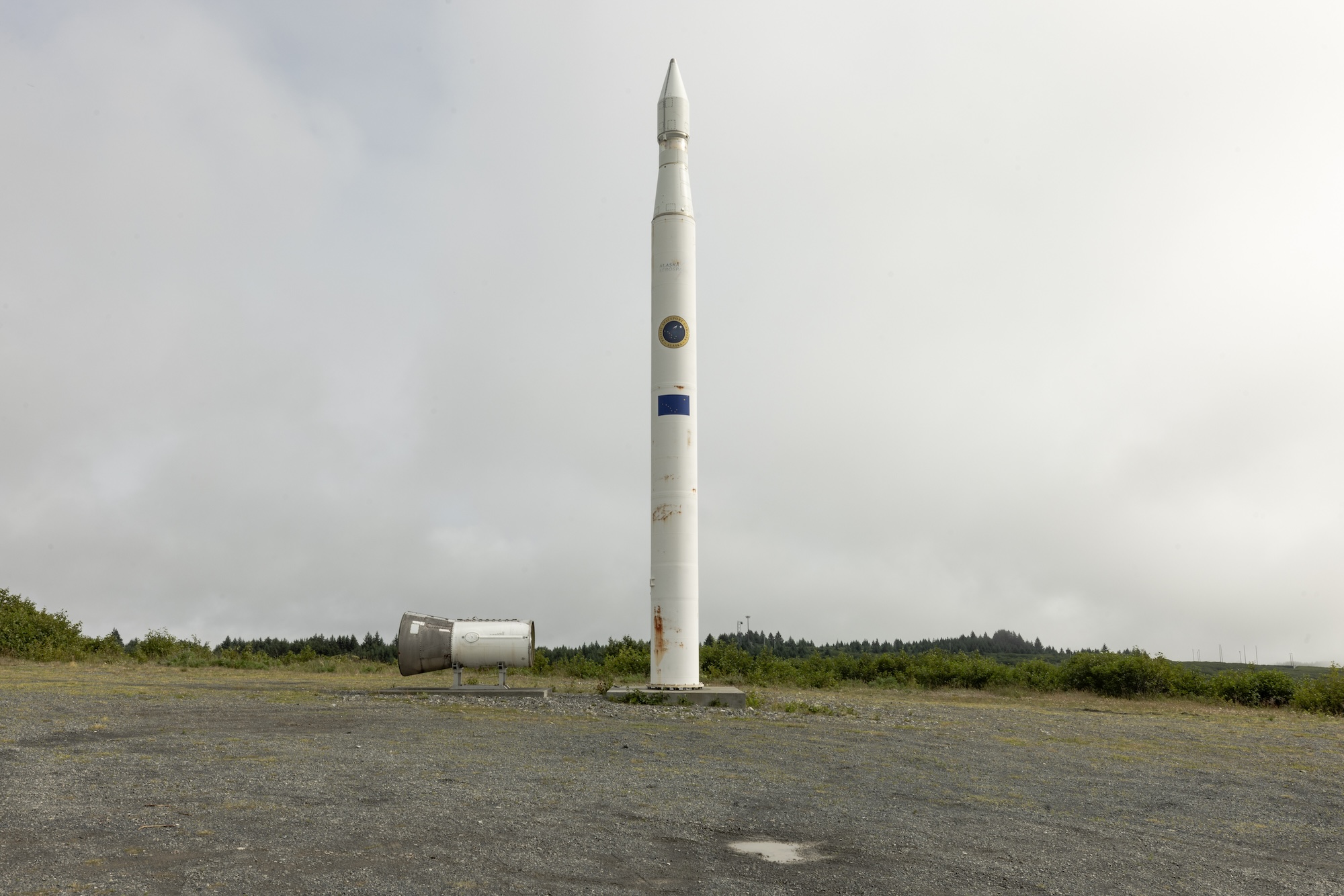
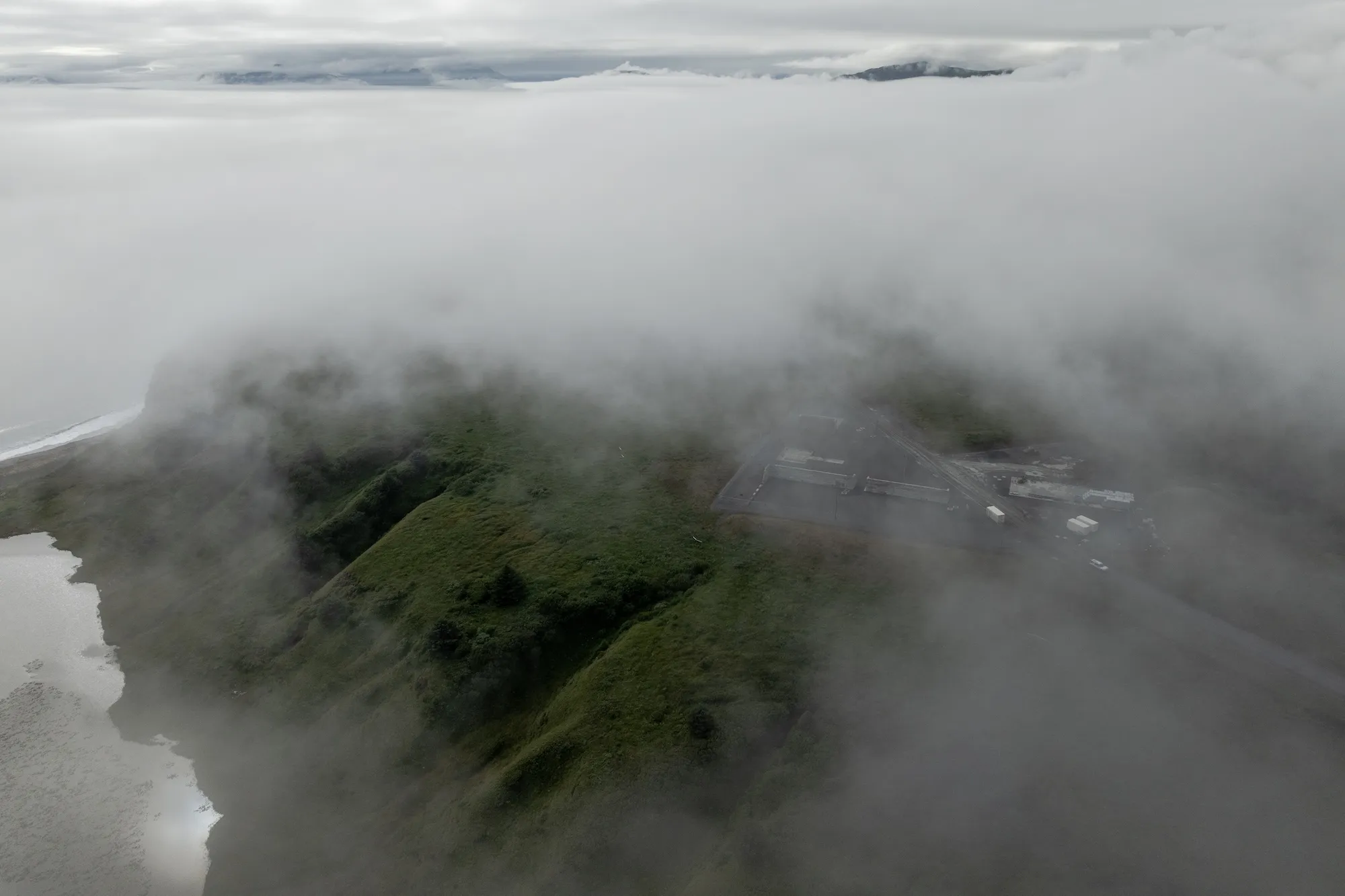
Established by the state of Alaska in 1991, the Alaska Aerospace Corporation was originally chartered as a public corporation dedicated to fostering space-related economic growth, educational initiatives, and research in coordination with the University of Alaska. Unlike its bustling federal counterparts in Florida and California—Cape Canaveral Space Force Base and Vandenberg Space Force Base—the Kodiak facility was uniquely billed as the nation’s premier commercial spaceport operating independently of a permanent federal military installation.
For decades, local stakeholders and environmental advocates were led to believe that the spaceport would primarily serve commercial clients, scientific research, and academic enterprises. Longtime Kodiak resident and former Audubon chapter chair Stacy Studebaker noted that officials initially championed the site’s economic potential for the local community, emphasizing its civilian utility.
However, that tone has shifted dramatically in recent years. Fueled by escalating strategic competition with Russia and China, as well as the opening of maritime shipping lanes and resource exploration routes across a melting Arctic, military planners have cast a covetous eye on Alaska’s Cold War-era infrastructure. The pursuit of "Arctic dominance" has transformed facilities like the Pacific Spaceport Complex into strategic assets for missile defense testing and orbital security operations.
The Impetus of the Golden Dome and Federal Deregulation
The national push for Arctic security received a massive infusion of capital and urgency under the Trump administration, which has prioritized layered defense architectures such as the "Golden Dome" missile defense shield. Envisioned as a multi-layered defense system incorporating space-based sensors and interceptors to protect the U.S. mainland from incoming threats, the program is projected by the Congressional Budget Office to exceed $1 trillion in costs.
To achieve the rapid deployment of these defense systems, the federal administration has heavily fast-tracked commercial and military space operations. Through executive orders and regulatory overhauls—including a recent Federal Aviation Administration (FAA) rule allowing private space companies to bypass more than a dozen foundational environmental laws like the National Environmental Policy Act, the Endangered Species Act, and the Clean Water Act—the government aims to scale nationwide rocket launches from roughly 200 per year to 1,000 annually by the end of the decade, with projections reaching up to 10,000 launches a year by 2035.
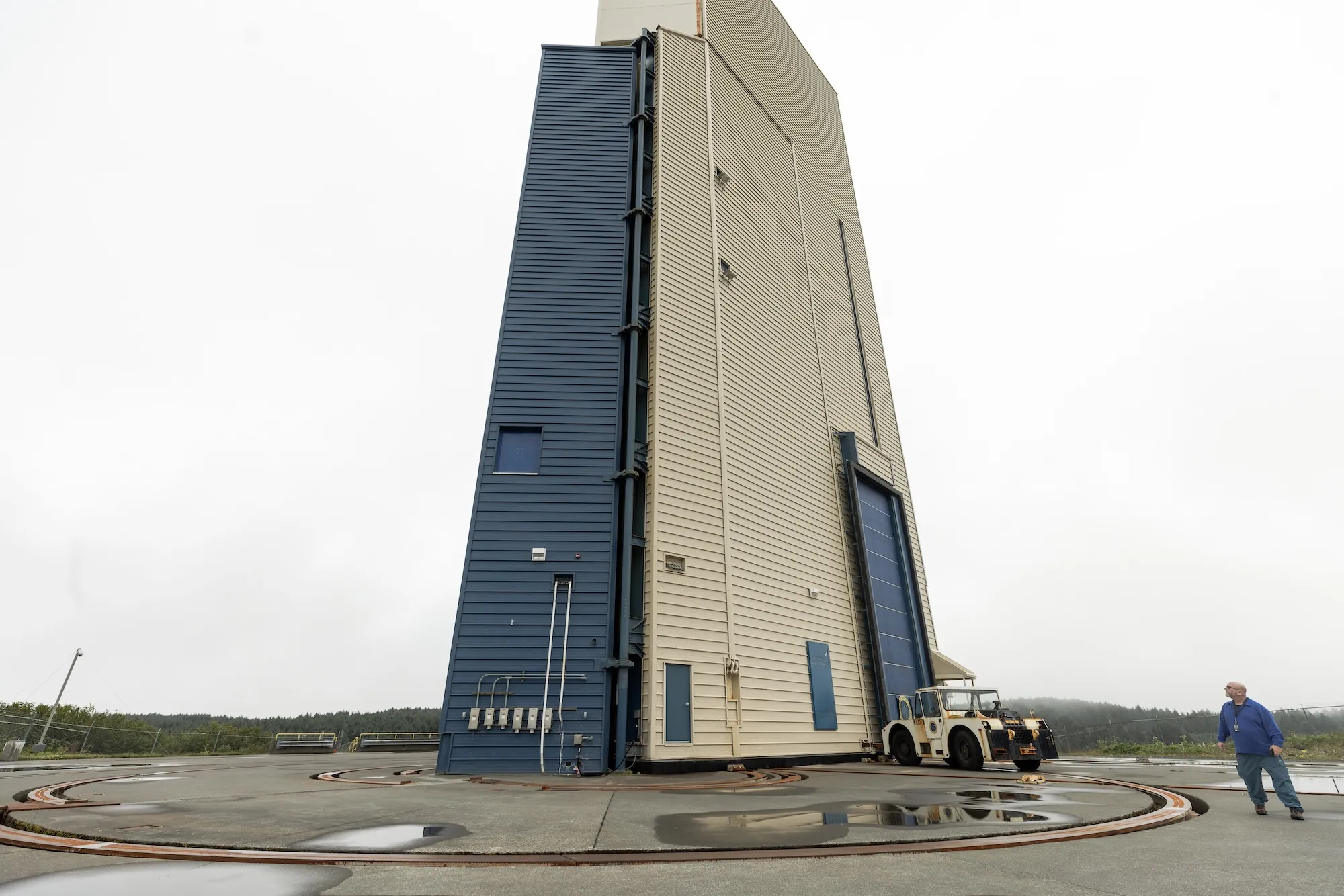
This deregulatory wave is already translating directly to the ground in Kodiak. In July, commercial aerospace provider Rocket Lab announced a $266 million contract with the U.S. Air Force to conduct up to 18 suborbital missile defense tests at the Kodiak facility over a two-year span. Concurrently, the Spaceport has secured up to $45.5 million in federal allocations to modernize launch pads, construct a 10,000-foot airstrip, and build expanded lodging infrastructure for visiting federal personnel and defense contractors.
According to Alaska Aerospace’s 2025 annual report, the facility is actively planning to ramp up its launch cadence from its historical average of one to three launches per year to an unprecedented frequency of one to three launches per month—potentially surpassing its entire 30-year operational history of 35 launches in a single year.
Local Impacts, Infrastructure Strains, and Environmental Concerns
This sudden acceleration has triggered profound anxiety among Kodiak residents, local municipal leaders, and conservationists. The island, home to roughly 12,000 residents, relies on a delicate infrastructure network. Dan Menth, CEO of the Kodiak Electric Association, noted that utility cooperatives have been blindsided by inquiries from federal agencies regarding grid capacity. Because Kodiak operates as an isolated island grid utilizing a mix of hydro, wind, and diesel backup generators, its electrical supply is already operating near full capacity during peak fish-processing seasons. Absorbing the energy demands of expanded military and aerospace operations poses a significant logistical hurdle.
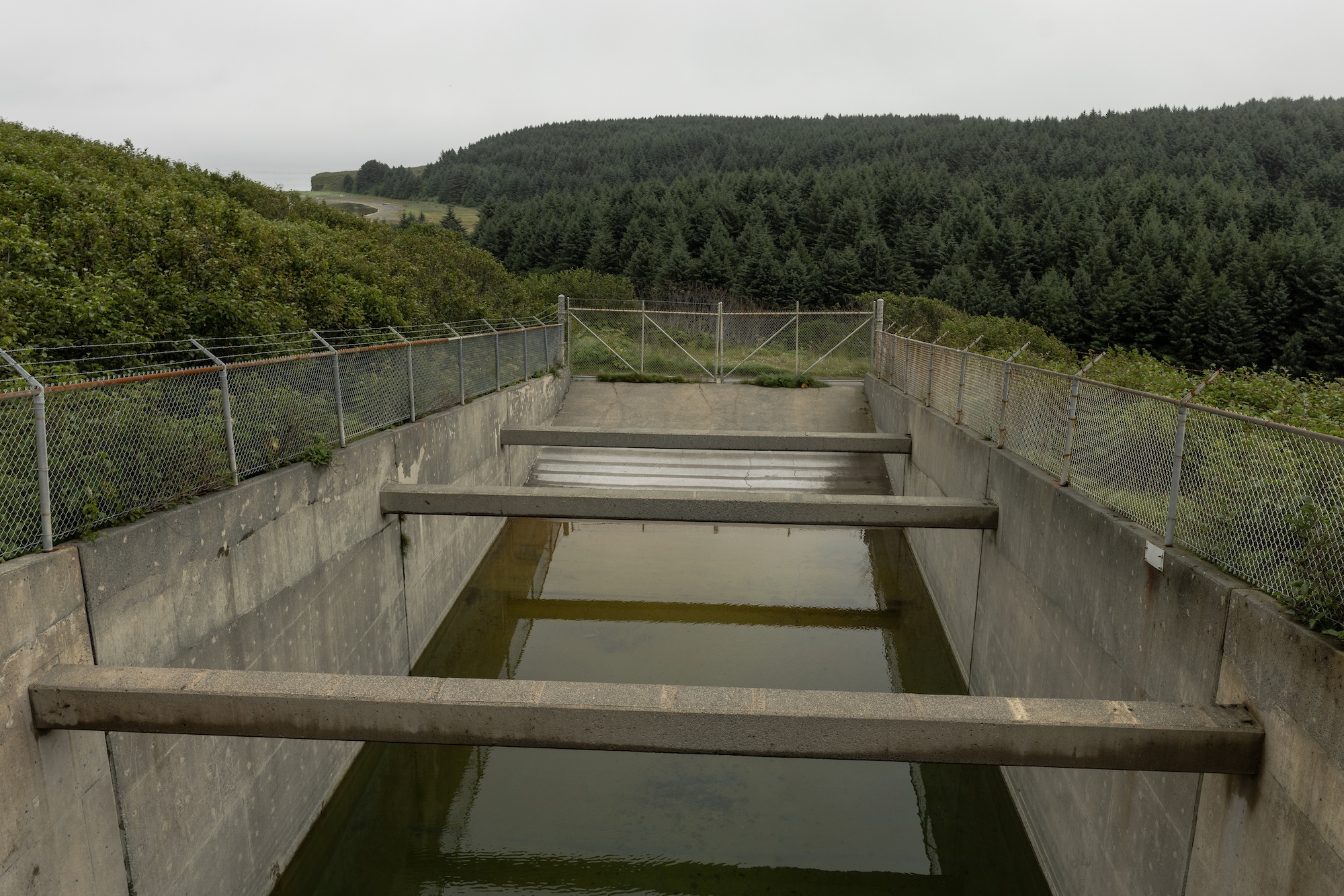
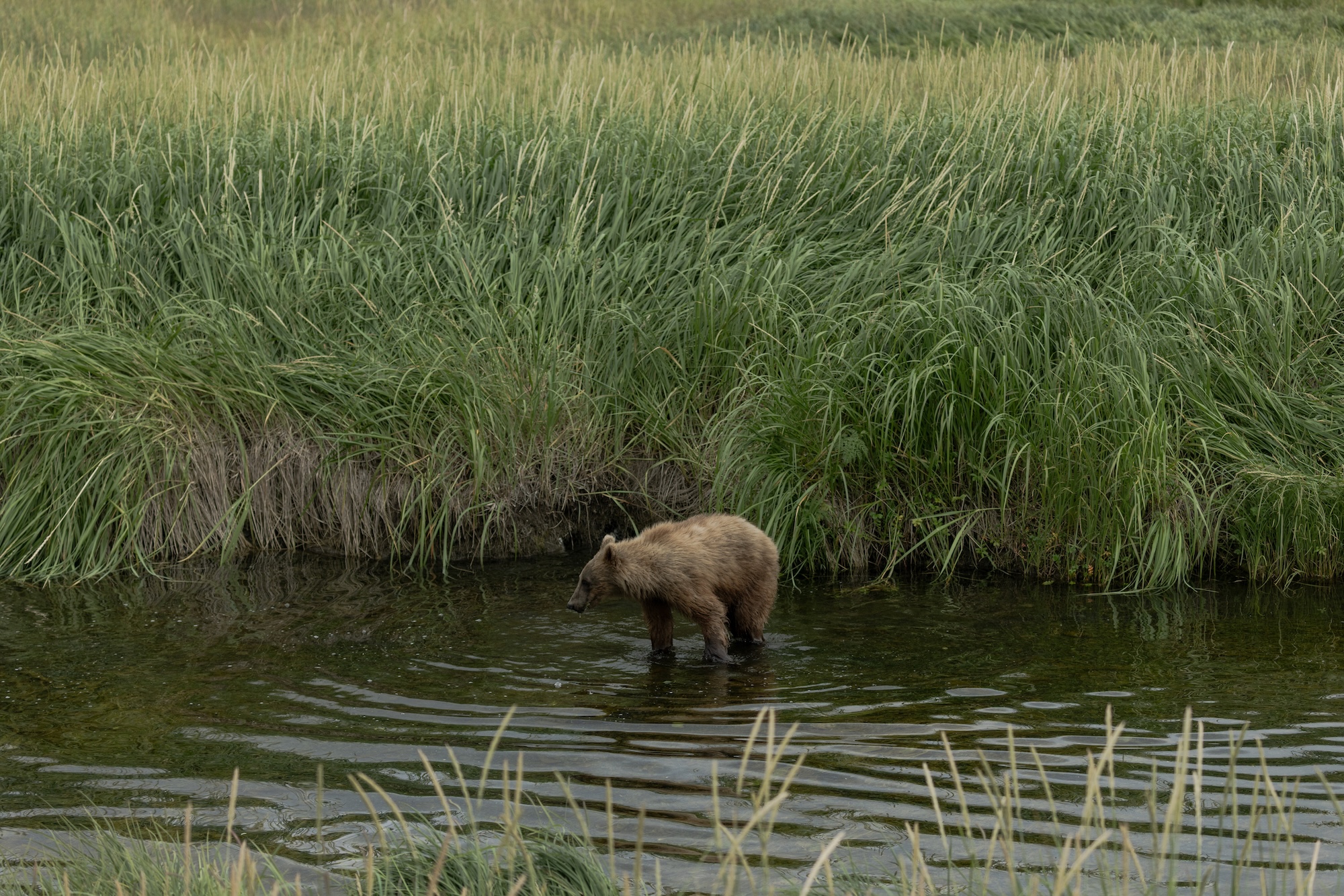
Furthermore, the environmental and ecological stakes are remarkably high. Narrow Cape, the eastern section of the island housing the launch pads, is a vital ecological corridor. It supports migrating gray whales, critical salmon streams, and more than 150 bird species—including dozens of species designated as conservation concerns. Environmental groups, such as Earthjustice, warn that the exponential rise in launch frequency poses unstudied risks to air quality, clean water, and regional wildlife.
Scientific studies, including a 2002 paper published by researchers at University College London, indicate that unchecked growth in rocket emissions releases black soot and toxic chemicals that threaten the ongoing recovery of the stratospheric ozone layer and accelerate regional warming. Emissions trackers suggest that global CO2 releases from commercial and military rocket launches have surged by more than 300 percent over the past five years alone.
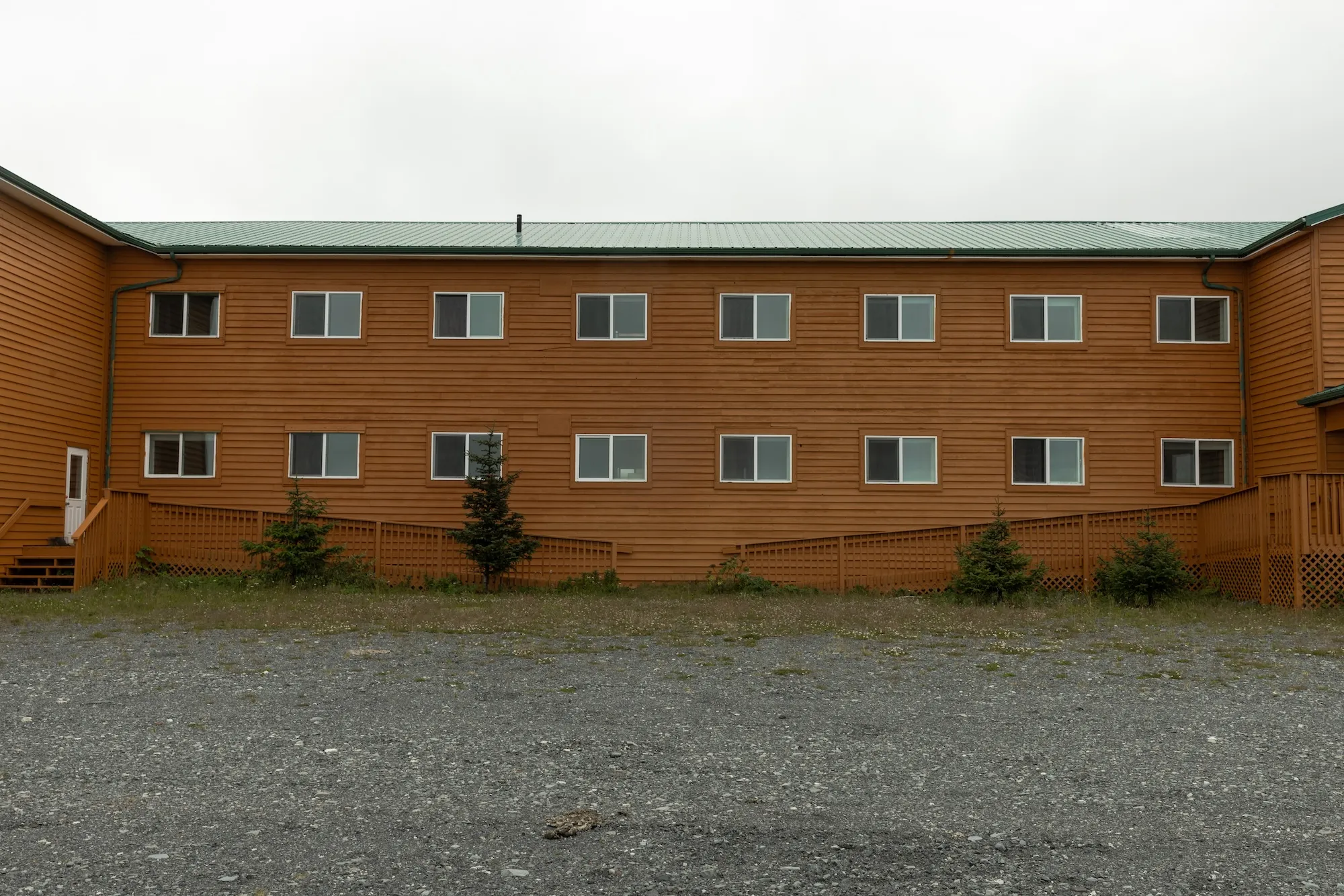
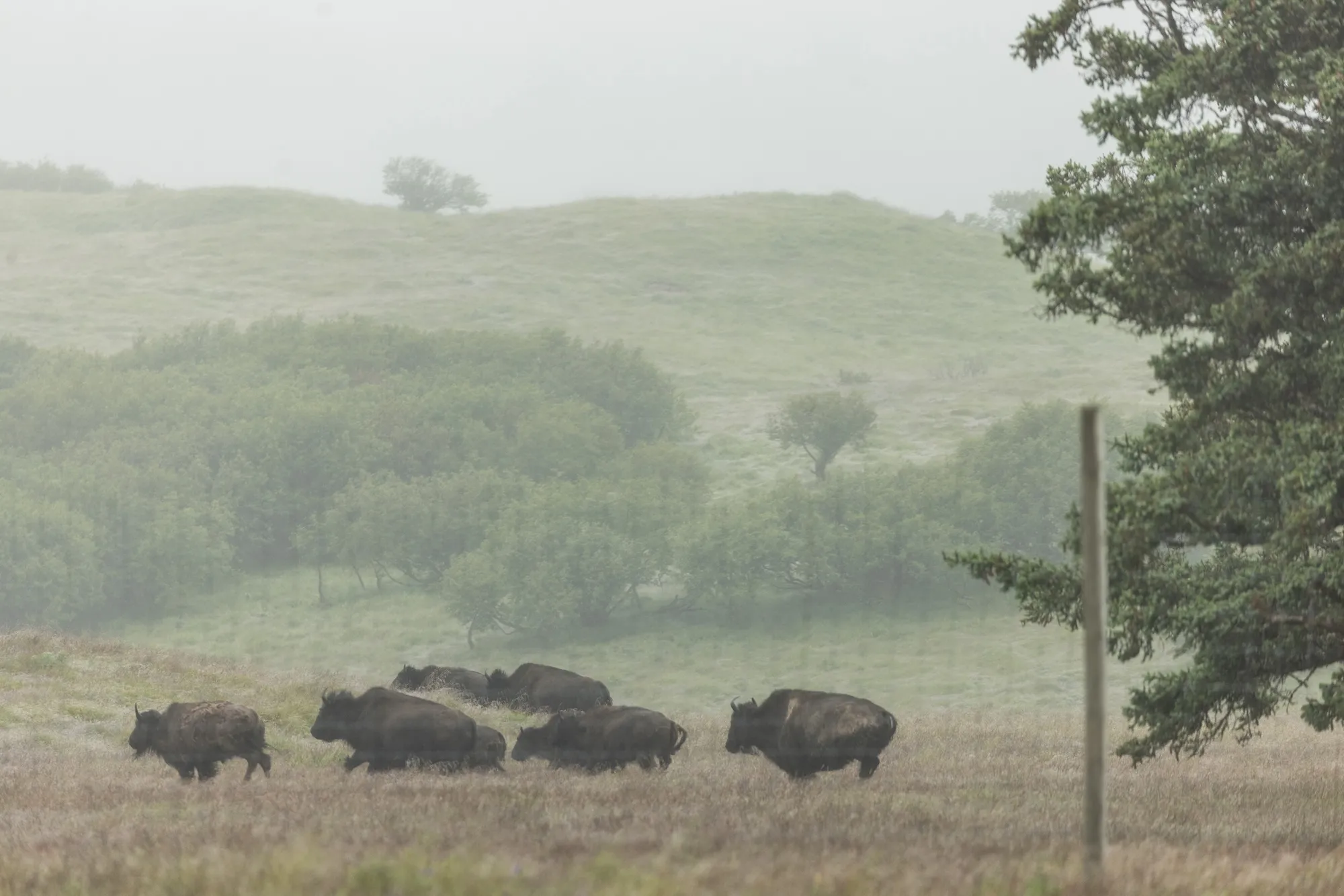
For individual landowners, the pressure has become untenable. In February, Christine and Buck Burton made the difficult decision to sell 119.5 acres of their family ranch—held since the 1960s—to Alaska Aerospace for $2.4 million, retaining only their home and 20 acres. Christine Burton explained that operating a game ranch under the shadow of a rapidly militarized spaceport was no longer feasible, particularly given the implicit threat of government land seizure through eminent domain. "We saw the writing on the wall," she remarked.
A Transforming Geopolitical Landscape
The militarization of Kodiak is part of a broader, statewide buildup that spans the Aleutian Islands and the Arctic coastline. Proposals to reactivate historical World War II naval staging grounds on the island of Adak, alongside expansions at the U.S. Coast Guard base in Kodiak and secretive construction at local naval special warfare facilities, signal a historic transformation for the region.
Proponents of the buildup, including Alaska Senator Dan Sullivan and Kodiak Borough Mayor Jared Griffin, argue that the influx of federal investments and personnel will inject vital economic dynamism into an area that has experienced population stagnation over the past decade. Mayor Griffin acknowledged that while the rapid changes risk altering the character of a community long defined as a sleepy, working-class fishing hub, the strategic necessity of defending national interests in the Arctic cannot be ignored.
Nevertheless, the pervasive veil of military secrecy surrounding projects like the Golden Dome continues to foster distrust. When high-level defense officials and aerospace executives emphasize national security imperatives, transparency often takes a backseat, leaving local residents, utility providers, and municipal planners to navigate the fallout in the dark.
As Alaska Aerospace CEO John Oberst noted regarding the stringent information blackouts demanded by military partners, the overarching demands of national defense now supersede civilian oversight and routine local communication. For the residents of Kodiak Island, the dawn of the "golden age of space transportation" signifies an irreversible departure from their quiet past, thrusting a fragile marine and terrestrial ecosystem into the center of a global superpower competition.