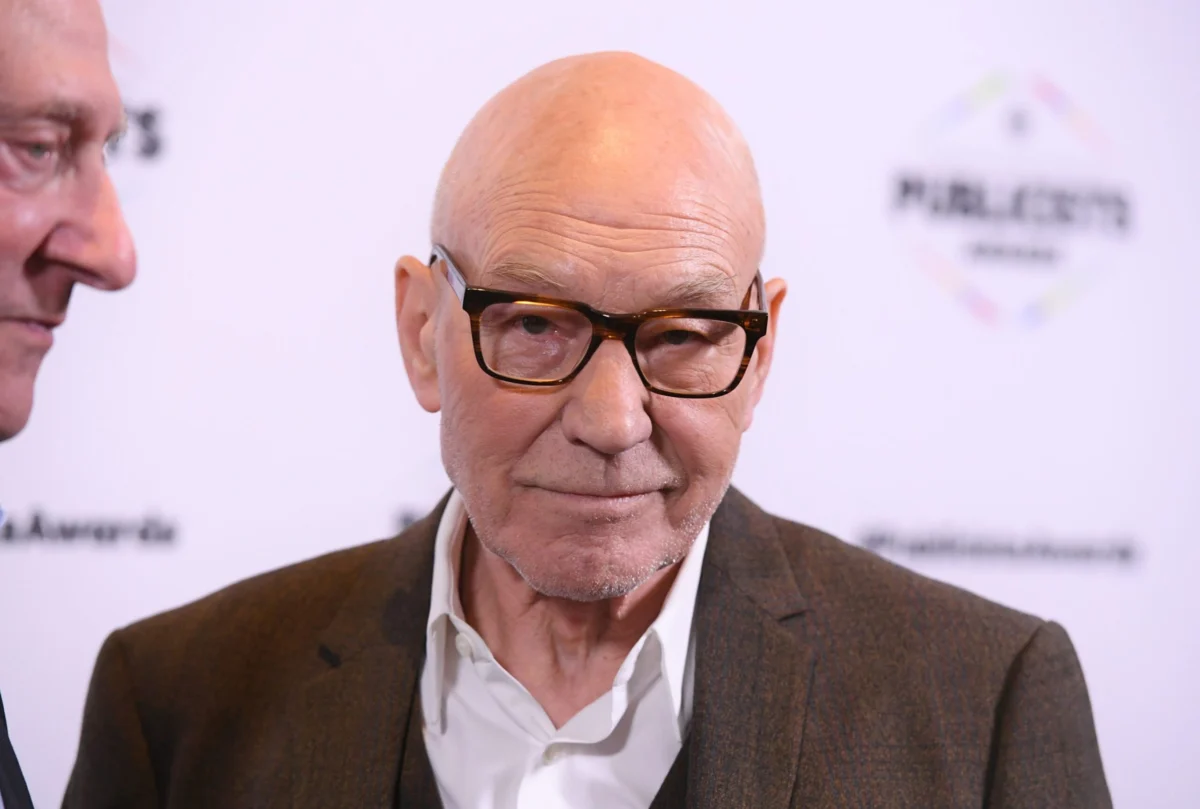
The passing of the classically trained titan was confirmed on Wednesday in Los Angeles by his longtime spokesperson, Kelly Bush Novak. The cause of death followed what Novak described as a “brief and poignant journey” with Alzheimer’s disease and Lewy Body Dementia. These complex neurological conditions had not been disclosed to the public previously, marking a quiet end for a man whose life was defined by the public glare of stage and screen.
A Life of Theatrical Mastery
While global audiences recognize him as the quintessential starship commander Jean-Luc Picard or the telepathic mentor Professor Charles Xavier, Stewart’s heart remained anchored to the stage. His career was a testament to the versatility of the British acting tradition, spanning over six decades of intense performance.
Born in the working-class town of Mirfield, Yorkshire, in 1940, Stewart’s upbringing was characterized by both hardship and resilience. Growing up in a household without basic indoor plumbing, he found an early escape in the works of William Shakespeare. By the age of 12, he was already participating in local drama groups, committing soliloquies to memory—a habit that would serve him well throughout his life. After securing a scholarship to the Bristol Old Vic Theatre School, he began a trajectory that would lead him to the Royal Shakespeare Company, where he spent 14 years honing his craft in roles ranging from Mark Antony to Shylock.
Chronology of a Storied Career
- 1940: Born in Mirfield, Yorkshire, England.
- 1966: Joins the Royal Shakespeare Company, embarking on a 14-year tenure that established his reputation as a formidable stage actor.
- 1987: Cast as Captain Jean-Luc Picard in Star Trek: The Next Generation, a role that defied his own expectations of failure to become a cultural phenomenon.
- 1996: Awarded a Grammy for Best Spoken Word Album for Peter and the Wolf.
- 2000: Debuts as Professor Charles Xavier in the first installment of the X-Men film franchise.
- 2008: Receives his sole Tony Award nomination for a critically acclaimed portrayal of Macbeth.
- 2010: Knighted by Queen Elizabeth II at Buckingham Palace for his services to drama.
- 2013: Marries songwriter and singer Sunny Ozell, with long-time friend Sir Ian McKellen officiating the ceremony.
- 2023: Publishes his memoir, Making It So, detailing his journey from a violent, impoverished childhood to the heights of Hollywood stardom.
The Picard Phenomenon and Shakespearean Influence
When Stewart was offered the role of Jean-Luc Picard in 1987, he was a seasoned stage veteran who had only recently appeared in the cult fantasy film Excalibur. His entry into the world of syndicated science fiction was initially viewed by the actor as a temporary detour. However, his performance brought a gravitas to the role that had been largely absent in the genre.
Stewart famously treated the script of Star Trek as he would a text by the Bard. He noted in his memoir, Making It So, that he approached the character of Picard with the same rigor he applied to Henry IV. This commitment to "noble bearing" and "formalized speech" helped elevate the franchise, which eventually spanned 178 episodes and four feature films. Even while navigating the complexities of space exploration, Stewart insisted on maintaining a connection to the classical arts, establishing the Paramount Shakespeare Company to facilitate workshops for fellow cast and crew members.
Personal Advocacy and Philanthropy
Beyond the screen, Stewart was a vocal advocate for victims of domestic abuse. This commitment was deeply personal, rooted in his childhood experience witnessing his father’s violence toward his mother. He served for years as a patron for Refuge, an organization providing support for women and children escaping domestic violence. His public testimony regarding these early traumas served to humanize his stature as an icon, transforming his legacy from that of a mere actor to a figure of profound moral courage.
Industry Reactions and Tributes
The outpouring of grief from the entertainment industry underscores the depth of the void left by his departure. Hugh Jackman, who starred alongside Stewart in the X-Men franchise, shared a heartfelt tribute on social media. "We lost one of the greats of stage and screen today," Jackman wrote. "And, in my book, a tremendous friend and man. I learned so much from him. I will miss you, Patrick Stewart, all of my days."
William Shatner, the original Captain Kirk, also paid homage to his colleague. "Sir Patrick Stewart was a friend, a colleague, and a magnificent actor. From the stage to the bridge of the Enterprise, he brought intelligence, grace, and a deep sense of humanity to everything he did."
A Legacy of Versatility
Stewart’s career was defined by an ability to navigate vastly different registers of performance. While he was a master of the classical canon, he possessed a self-deprecating humor that made him a favorite in the digital age. Whether he was voicing characters in The Simpsons and Futurama or engaging with fans on social media through whimsical memes and photos, he consistently subverted the "stiff-upper-lip" expectations associated with his knighted status.
His final years were marked by a resurgence of his most iconic roles, including a return to the character of Jean-Luc Picard in the eponymous series Star Trek: Picard. His professional life remained active until the very end, with his final credited role in the 2026 project The Sheep Detectives highlighting his enduring commitment to the medium of film.
Broader Impact and Analysis
The death of Sir Patrick Stewart marks the end of a specific era of acting—one rooted in the rigorous demands of the British repertory system but perfectly adapted for the global, digitized landscape of modern cinema. His ability to bridge the gap between Shakespearean high art and the populist appeal of superhero and science fiction franchises set a blueprint for modern actors.
His influence extends beyond his filmography. By navigating the challenges of alopecia from age 19 and the public scrutiny of his personal life, he became a relatable figure for millions. His transition from a boy in a house without a toilet to a household name globally serves as a definitive story of professional perseverance.
The implications of his passing are significant for the franchises he anchored. As one of the last remaining pillars of the original X-Men film universe and a central figure in the Star Trek canon, his absence will be felt by studios and fans alike. However, the sheer volume of his body of work—from his stage-bound Waiting for Godot to his genre-defining portrayal of Professor Xavier—ensures that his intellectual and artistic footprint will remain intact for future generations.
He is survived by his wife, Sunny Ozell, and his two children, Sophia and Daniel. As per his wishes and the quiet nature of his final months, the family has requested privacy as they mourn a man who was, in the words of his peers, a giant among men.