The intersection of soaring operational expenses, geopolitical conflict, escalating trade tariffs, and persistent legislative gridlock has created an economic emergency across rural America, taking center stage in an unexpectedly competitive U.S. Senate race in Kansas. Incumbent Republican Senator Roger Marshall finds himself locked in a contentious battle with Democratic challenger Adam Hamilton, a pastor whose campaign has struck a chord with a traditionally loyal conservative constituency experiencing profound financial distress.
The political and economic pressures straining the Kansas agricultural sector reflect broader nationwide trends. Across the Midwest, agricultural bankruptcies climbed significantly through 2025, while the U.S. Department of Agriculture projects that total national farm debt will reach a historic high of $624.7 billion. For generational farming families in Kansas, these macroeconomic figures translate into immediate threats to survival, forcing difficult political choices and threatening the foundational structure of the state’s rural economy.
Anatomy of a Financial Crisis: Rising Costs and Shinking Revenues
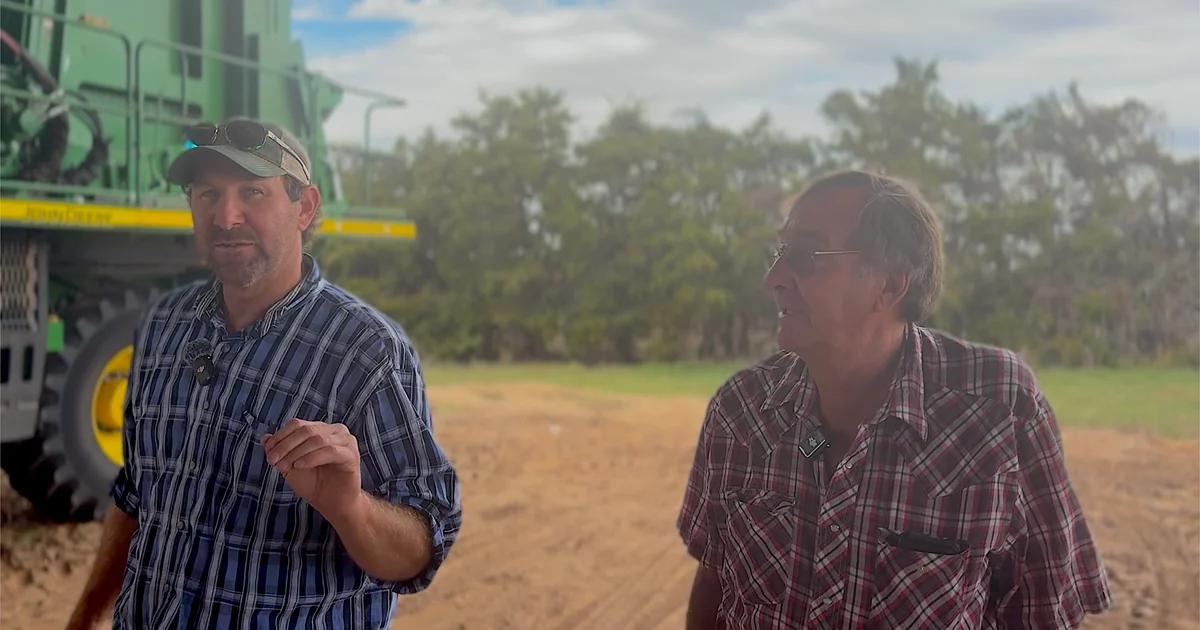
For the Preisser family, who operate a 6,500-acre corn, cotton, soybean, and wheat farm in Sylvia, Kansas, the math of modern agriculture has become unsustainable. Ledger sheets provided to journalists reveal that operating expenses for their enterprise jumped by $737,375 in 2026 compared to the previous year.
This staggering increase is driven primarily by international conflicts and trade policies. Fertilizer costs alone surged by $514,625, while diesel expenses escalated by $187,000, spikes heavily influenced by disruptions linked to the ongoing war involving Iran. Additionally, machinery and equipment parts increased by $10,000, a cost directly attributed to steel and aluminum tariffs.
Simultaneously, revenue streams have collapsed. Severe regional droughts have diminished crop yields by 20 percent. Compounded by depressed global commodity prices and agricultural export reductions stemming from broader trade disputes, the Preisser operation brought in $325,000 less in revenue over the same comparative period. Jeff Preisser noted that the family has exhausted its financial safety nets, stating that the farm’s accumulated equity has been completely maxed out through emergency refinancing, leaving them vulnerable to total liquidation.
The Legislative Gridlock: The Expired Farm Bill
At the heart of the political frustration among Kansas farmers is the failure of the federal legislature to pass a comprehensive, updated Farm Bill. The massive legislative package, which dictates federal policy concerning crop insurance, price supports, agricultural research, and rural community development, has languished in Congress since the passage of the last major bill in 2018. Following years of legislative stalemates, the previous authorization officially expired, leaving producers without modernized federal safety nets.
Agricultural leaders and producers express deep disillusionment with congressional leadership, including Senator Marshall, for failing to deliver the promised legislation. Industry advocates argue that the absence of a renewed Farm Bill leaves producers defenseless against volatile weather patterns and erratic global markets. In January, a coalition of 56 national agricultural trade groups formally warned Congress that mounting losses across the sector threatened the nation’s food security and constituted a full-scale economic crisis in rural communities.
Political Realignment and Deep Division in the Heartland
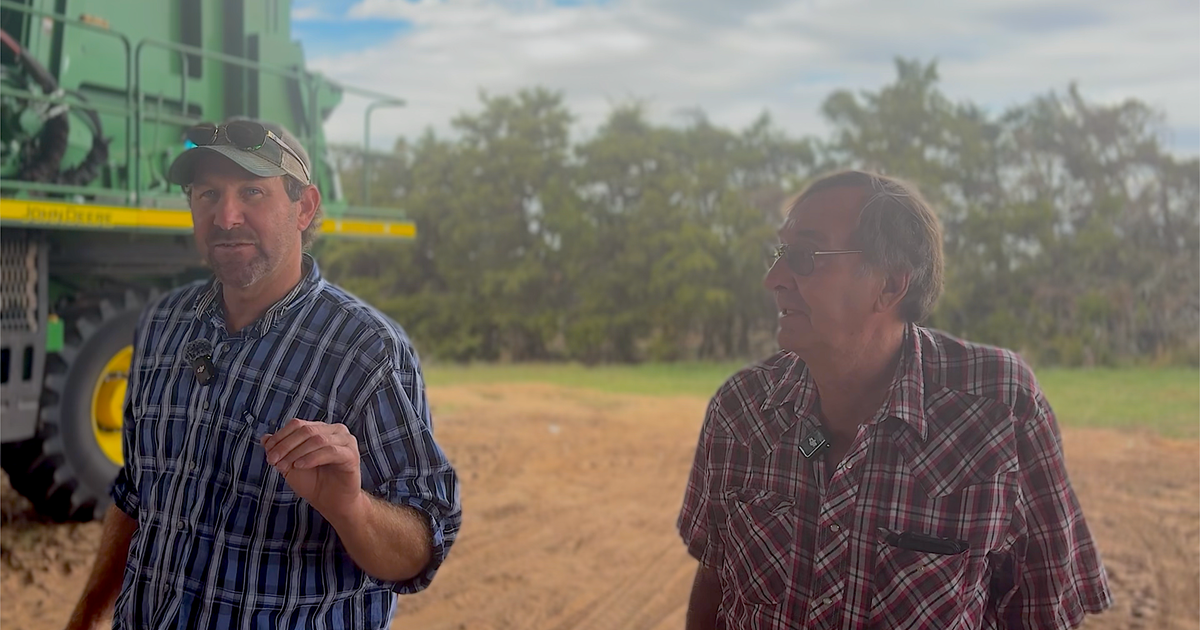
The mounting financial pressures have fractured the political unity that has historically defined rural Kansas. For the first time in generations, legacy farming figures like Larry Preisser, who founded the family farm over a century ago, are turning away from the Republican Party. Larry Preisser plans to vote for Adam Hamilton, who is attempting to become the first Democrat to represent Kansas in the United States Senate since the 1930s.
Hamilton’s campaign has capitalized on voter fatigue with partisan gridlock. Presenting himself as a moderate figure with a background as a pastor and a former Republican, Hamilton has focused his message on bipartisan cooperation and fiscal relief for working producers. Proponents of Hamilton argue that his approach offers a necessary departure from entrenched partisan fighting, which they claim has left rural interests unrepresented in Washington.
Conversely, many agricultural producers remain loyal to Senator Marshall, maintaining that he understands the unique realities of farm country. Soybean farmer Mick Roush, operating roughly an hour away from the Preissers, acknowledged the severe economic headwinds but stated he intends to support Marshall, viewing Hamilton as excessively liberal. Furthermore, many Marshall supporters view the economic strain of the regional conflicts as temporary and justifiable national security measures, while others express concern that losing Republican control of the Senate would place the agricultural industry in an even more precarious position under a Democratic congressional majority.
National Policy Interventions and Producer Skepticism
In response to the mounting pressure on the agricultural sector, the federal administration has attempted to deploy targeted relief measures. The Department of Energy and other federal agencies announced initiatives utilizing the Defense Production Act to restart domestic refineries and curb spiking fuel prices. Additionally, an $8 billion program was introduced to provide temporary fuel and harvest relief aid to American farmers.
However, these federal interventions have faced sharp criticism from financially strapped producers, who characterize the programs as insufficient short-term fixes for a structurally broken system. Representatives of the Preisser family dismissed the relief funds as a temporary Band-Aid that fails to address the root causes of depressed crop prices, exorbitant fertilizer costs, and unpredictable global trade dynamics. Industry analysts note that while emergency infusions provide temporary liquidity, they do little to solve the long-term debt burden facing modern producers.
Implications for the Future of American Agriculture
The crisis unfolding in Kansas illustrates a critical vulnerability in the American agricultural model, characterized by an aging producer population and soaring capitalization costs. According to the Census of Agriculture, the average age of U.S. farm producers stands at 58.1 years, with nearly 40 percent of all farmers over the age of 65. The severe financial downturn risks accelerating retirements and foreclosures without a corresponding generation of new producers entering the market, as skyrocketing land values and prohibitive equipment costs deter younger generations.
For families like the Preissers, who were forced to sell land that had remained in their family for 140 years just to service accumulated debts, the stakes extend far beyond an election cycle. As farm bankruptcies continue to climb nationwide, the outcome of the Kansas Senate race serves as a bellwether for the political patience of rural America, highlighting a populace demanding substantive structural reform over partisan rhetoric as they fight to preserve a vanishing way of life.