The landscape of American infrastructure development stands at a historic crossroads as Congress debates sweeping legislative changes designed to overhaul how energy projects and transmission lines are authorized across the United States. At the heart of this national debate is the Bipartisan American Affordability and Jobs Act (BAAJA), a comprehensive permitting reform package poised to reshape the regulatory environment for renewable energy, fossil fuels, and transmission grids alike.
While proponents argue that modernization is desperately needed to unlock cheap renewable energy and ensure grid reliability, critics warn that the bill risks compromising environmental protections, weakening tribal sovereignty, and fast-tracking polluting fossil fuel projects. As the legislation navigates the final hurdles of the legislative process, the outcome will dictate the trajectory of American energy policy for decades to come.
Chronology of a Crisis: Decades of Delay and the SunZia Precedent
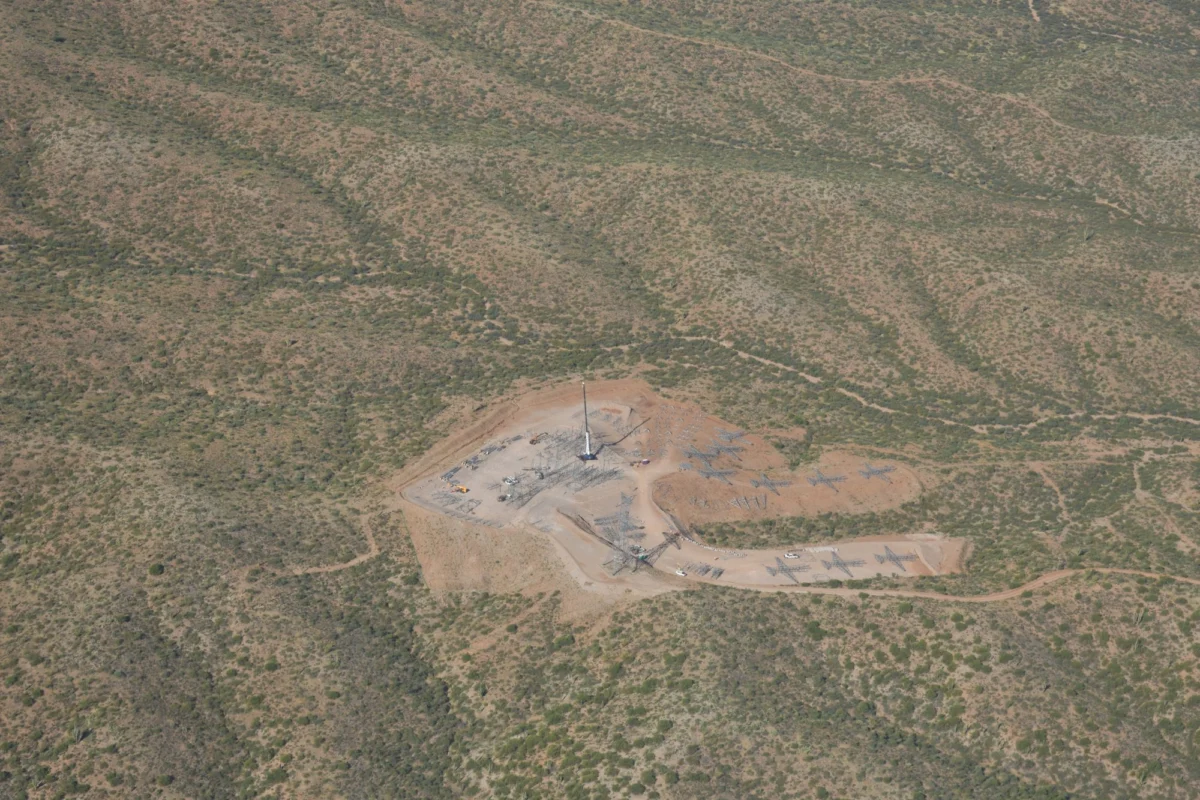
The urgency behind federal permitting reform is underscored by the arduous history of America’s energy infrastructure projects. Consider the SunZia wind farm and transmission line in New Mexico, widely recognized as the largest renewable energy project ever constructed in the United States. Conceived two decades ago, SunZia’s massive transmission infrastructure—designed to transport vital wind energy to burgeoning population centers in Arizona and California—faced relentless opposition from a diverse coalition of stakeholders, including bird conservationists, military officials, and Native American tribes.
Although numerous disputes were successfully mediated over the years, deep-seated concerns regarding the project’s impact on sacred historic and cultural sites remained unresolved. This culminated in ongoing legal battles that persisted even after construction on the transmission line was completed in June.
The SunZia project is far from an isolated incident. Across the United States, renewable energy developers and grid operators routinely encounter a maze of legal challenges, regulatory bottlenecks, and utility resistance. These hurdles have severely throttled the construction of long-distance high-voltage power lines over the past decade. According to independent economic research and policy institutes, this structural paralysis has severely limited the nation’s capacity to efficiently harness and distribute low-cost renewable power from resource-rich rural areas to high-demand metropolitan hubs.
Legislative Mechanics: What BAAJA Proposes
To dismantle these systemic roadblocks, the Bipartisan American Affordability and Jobs Act proposes a radical acceleration of the federal review process. Historically, major infrastructure projects requiring federal permits, cross-state rights-of-way, or federal funding have been subject to rigorous evaluations under bedrock environmental statutes.
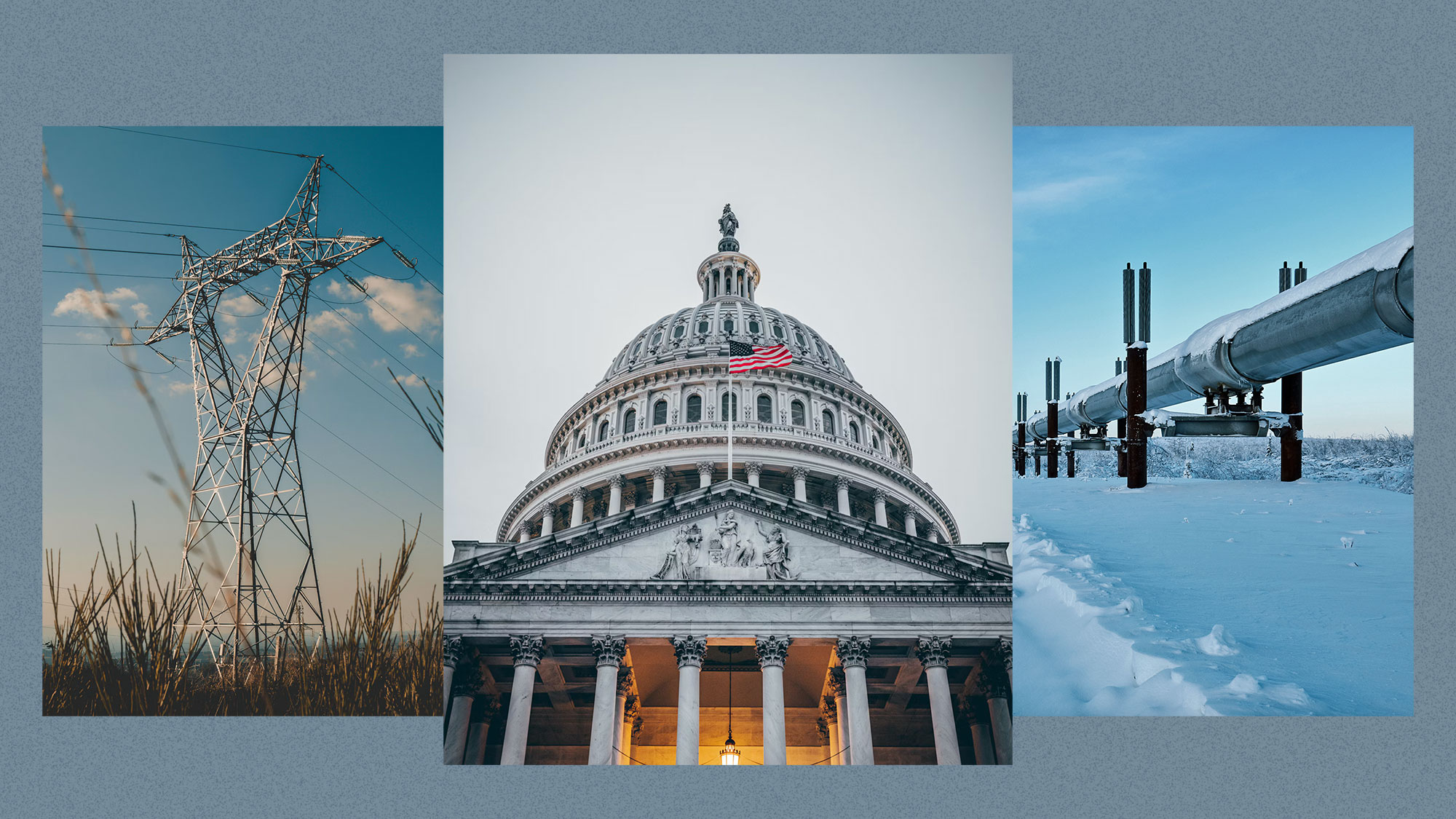
Chief among these is the National Environmental Policy Act of 1969 (NEPA), which mandates that federal agencies comprehensively study the environmental, socioeconomic, and cultural impacts of major federal actions. Companion statutes, such as the National Historic Preservation Act, demand similarly exhaustive reviews concerning archaeological and historic resources.
While NEPA does not inherently impose strict environmental performance thresholds, it establishes a formal mechanism for public participation, interagency consultation, and the evaluation of project alternatives. However, this process has frequently been weaponized or bogged down by protracted litigation. Opponents—ranging from affluent property owners seeking to protect local real estate values to Indigenous tribes defending religious freedom and sovereignty—frequently challenge agency findings in court. Even when courts ultimately validate the original permits, the resulting delays can stall construction for years and inflate project budgets beyond economic viability.
The BAAJA legislation seeks to fundamentally streamline this process. The bill aims to accelerate environmental and historic preservation reviews, narrow the scope of potential secondary impacts that agencies are legally required to consider, restrict the legal standing of certain third-party litigants, and shorten the statutes of limitations for filing lawsuits.
Furthermore, the legislation targets the electrical grid directly by empowering the federal government to override state-level opposition to interstate transmission lines. It also compels regional grid operators to prioritize the approval of lines that demonstrably enhance system reliability and affordability. Notably, the bill seeks to limit the application of the Clean Water Act, preventing states from leveraging water quality certifications to block transmission lines or pipelines unless the infrastructure involves direct discharges into waterways.
Economic Implications and Grid Modernization
Supporters of the legislation, including prominent clean energy developers, labor unions, and centrist policy organizations, emphasize that the economic advantages of permitting reform heavily outweigh the regulatory trade-offs. Independent economic projections from the Rhodium Group and other energy think tanks indicate that expediting transmission deployment will likely reduce average electricity costs for consumers over the next fifteen years. By facilitating the seamless interstate transfer of surplus wind, solar, and battery storage power, the grid will achieve greater resilience against extreme weather events and peak-demand surges.
Additionally, the bill addresses the rapidly escalating energy demands of modern digital infrastructure, including artificial intelligence data centers. While the vast majority of data center campuses are constructed on private lands under state and local jurisdiction, BAAJA establishes frameworks that hold these facilities financially accountable for necessary grid upgrades while increasing transparency surrounding their heavy electricity consumption. Crucially, the bill’s provisions could enable data centers to connect more rapidly to clean energy grids, potentially deterring the construction of polluting, off-grid natural gas turbines.
Climate Paradox: Clean Energy Acceleration Versus Fossil Fuel Longevity
One of the most contentious aspects of the Bipartisan American Affordability and Jobs Act is its environmental ambiguity. Because the bill adopts a neutral framework applicable to energy infrastructure broadly, both renewable energy installations and fossil fuel projects stand to benefit from expedited permitting timelines.
This dual-track reality has deeply divided the climate movement and legal experts. Proponents argue that the net effect strongly favors clean energy, as the economic headwinds currently facing wind, solar, and transmission projects are far more severe than those impacting mature fossil fuel sectors. Rhodium Group modeling suggests that even under pessimistic market scenarios where natural gas prices fall significantly, renewable deployment will accelerate substantially due to streamlined transmission pathways, yielding modest net reductions in power sector emissions.
Conversely, vocal critics—including prominent environmental non-governmental organizations, civil rights groups, and progressive climate hawks—contend that streamlining fossil fuel pipelines and extraction infrastructure locks in long-term carbon emissions. Opponents worry that future executive administrations hostile to renewable energy could exploit the modified permitting pathways to suppress offshore wind and solar development on public lands, while weaponizing the same statutory shortcuts to fast-track oil and gas leasing.
Deep Political Divisions and Bipartisan Realities
The legislative battle over BAAJA has scrambled traditional political alignments, creating rare schisms within both major political parties. The bill was co-sponsored in the Senate by moderate and climate-conscious Democrats such as Senators Sheldon Whitehouse and Martin Heinrich, who argue that achieving ambitious decarbonization targets is mathematically impossible without the immediate construction of thousands of miles of new transmission lines. Conversely, prominent progressive Democrats, including Senators Ed Markey and Mazie Hirono, have emerged as fierce opponents, warning that the bill erodes hard-fought public accountability measures.
Outside of Congress, veteran environmental advocates like Al Gore have voiced strong opposition to the legislation’s current iteration, citing potential rollbacks of community protections. On the other side of the debate, reputable climate scientists and energy market analysts have endorsed the bill as a pragmatic, necessary compromise to overcome the regulatory gridlock currently choking the clean energy transition.
The road ahead in the legislative branch remains fraught with uncertainty. While the Senate is widely expected to pass the package, the House of Representatives presents a much steeper legislative climb. House Republican leadership, including key committee chairs, have expressed reservations regarding federal overreach into state-level transmission siting authorities. Simultaneously, House Democratic leadership has demanded deeper consultations and stronger safeguards for local communities and tribes.
If BAAJA fails to clear both chambers and secure presidential enactment before the conclusion of the current legislative session, the entire permitting reform debate will effectively reset, leaving developers, environmentalists, and policymakers to grapple with the same foundational bottlenecks that have hindered American infrastructure for decades.