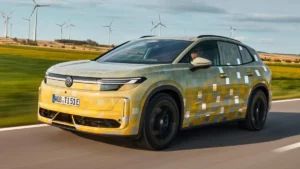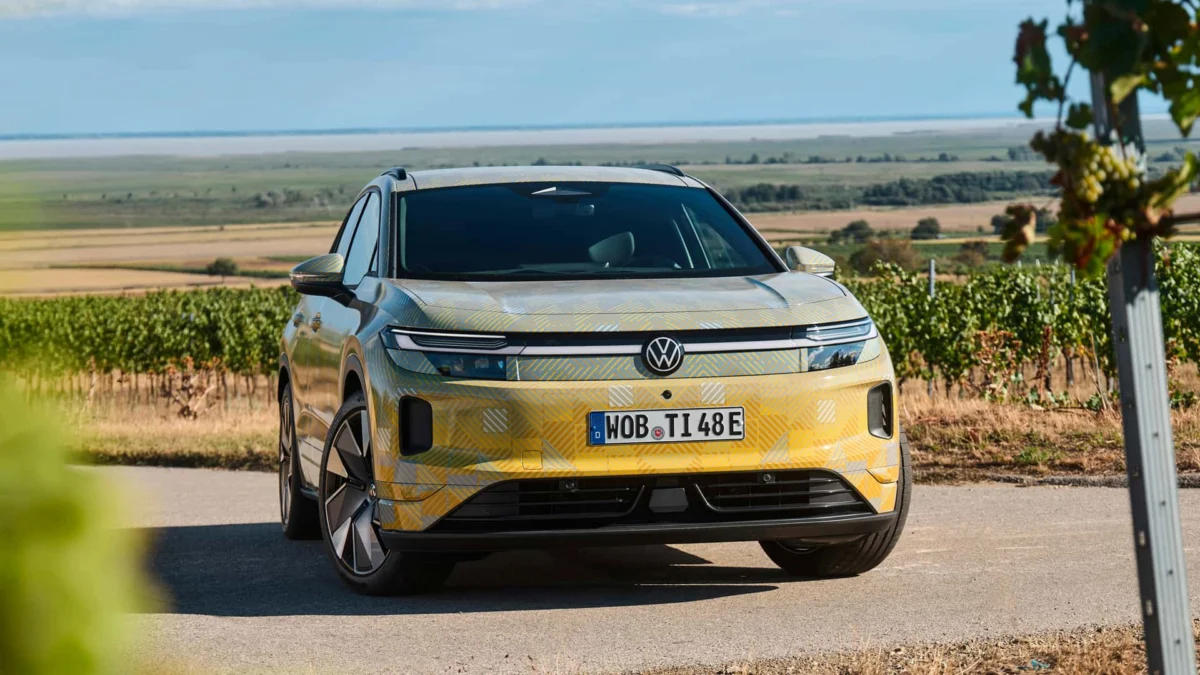
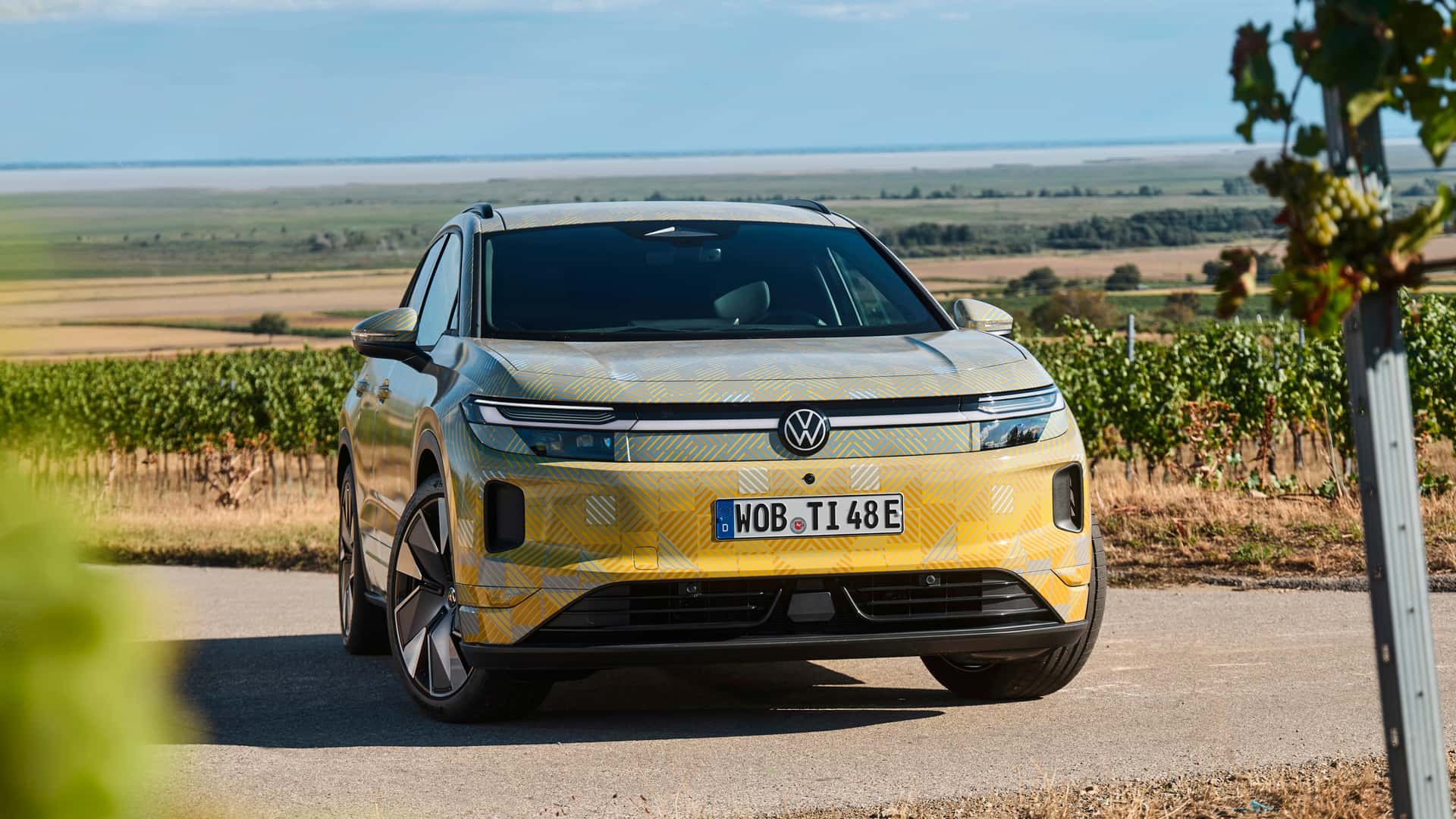
The landscape of the electric vehicle market is undergoing a seismic shift as Volkswagen prepares to phase out its pioneering ID.4 electric crossover. After six years of production, the German automotive giant is retiring the ID.4 nameplate to usher in a new era for its battery-electric vehicle (BEV) lineup: the Volkswagen ID. Tiguan. This strategic transition marks more than just a nomenclature change; it represents a comprehensive overhaul of Volkswagen’s approach to the compact electric SUV segment, aiming to address the technical and ergonomic criticisms that shadowed the ID.4 during its tenure.
The Evolution of the ID Strategy
The ID.4 was launched in 2020 as a cornerstone of Volkswagen’s "Way to Zero" electrification strategy. As the first global modular electric drive matrix (MEB) platform vehicle, it served as the company’s primary contender against the dominant Tesla Model Y. While the ID.4 achieved significant sales milestones and helped normalize EV ownership for millions of drivers worldwide, it was not without its detractors.
Early models were plagued by complex, often buggy software, and a minimalist interior design that favored touch-sensitive controls over intuitive physical buttons. Despite various over-the-air updates that eventually stabilized the software ecosystem, the user experience remained a point of contention for many consumers. The announcement of the ID. Tiguan signifies that Volkswagen has heard these grievances and is pivoting toward a more refined, consumer-focused design philosophy.
Timeline and Global Rollout
The transition process is set to begin in earnest early next month, when Volkswagen plans to unveil the production version of the ID. Tiguan. According to official company sources, European markets are slated to receive the first deliveries of the new model by the beginning of next year.
For the North American market, the timeline remains more fluid. Volkswagen representatives have confirmed that the ID. Tiguan is intended to be the direct successor to the ID.4 in the United States and Canada, though a specific launch date for the region has yet to be finalized. This delay is partially necessitated by the recent reorganization of production facilities. In April 2024, Volkswagen ceased assembly of U.S.-spec ID.4 units at its Chattanooga, Tennessee plant. The facility is currently being reconfigured to accommodate higher production volumes for the brand’s internal combustion engine SUVs, which remain vital to its North American revenue stream.
Current Market Dynamics and Incentives
The departure of the ID.4 from the assembly line has created a unique window for prospective buyers. As Volkswagen clears out remaining inventory, dealers have been authorized to offer significant price concessions. In recent months, reports have emerged of discounts reaching as high as $12,500 on new ID.4 units. These incentives, which often include federal tax credit pass-throughs and manufacturer-backed cash rebates, have effectively repositioned the ID.4 as a high-value proposition in a market where affordability is increasingly difficult to find.
However, the "stop-sale" orders that occurred periodically due to quality control issues—most notably an electronic door latch recall—left a lasting dent in the vehicle’s reputation. By retiring the name, Volkswagen is effectively hitting the "reset" button, attempting to distance its next-generation EV from the historical baggage of the ID.4’s launch period.
Technical Upgrades and Interior Overhaul
The ID. Tiguan is not merely a rebadged ID.4. While it will retain the core strengths of the MEB architecture, it is expected to incorporate significant improvements currently being rolled out across the updated ID.3 Neo and the upcoming electric Polo series.
Perhaps the most significant change is the return to tactile feedback. Volkswagen has committed to integrating proper physical buttons for essential functions, including window controls, volume adjustment, and climate settings. This move marks a reversal of the "touch-everything" interior trend that defined the early ID. series and drew widespread criticism from both automotive journalists and owners.
Furthermore, the vehicle will feature the latest iteration of Volkswagen’s Android Automotive OS-based infotainment system. This software suite is designed to be more responsive, intuitive, and capable of handling native applications, such as high-fidelity audio streaming, without the lag that characterized earlier versions. The exterior will also undergo a comprehensive restyling, adopting a more aggressive, modern light signature that aligns with the brand’s newer electric design language.
Performance Expectations
While official powertrain specifications remain under wraps, industry analysts expect the ID. Tiguan to offer an improvement over the current ID.4’s output. The outgoing 2026 ID.4, equipped with a 77-kilowatt-hour usable battery pack, achieved a range of approximately 291 miles for the rear-wheel-drive variant and 263 miles for the all-wheel-drive configuration.
Given the competitive pressure from manufacturers like Hyundai, Kia, and Tesla, it is highly probable that the ID. Tiguan will feature enhanced battery chemistry for faster charging speeds and potentially larger energy density. Engineers are also expected to focus on maximizing motor efficiency, potentially pushing the dual-motor all-wheel-drive performance beyond the 335-horsepower mark currently offered by the top-tier ID.4 trims.
Strategic Implications
The shift to the "Tiguan" name is a calculated marketing maneuver. The Tiguan has long been one of Volkswagen’s most successful global nameplates, synonymous with reliability and practical SUV design. By attaching this legacy to an electric vehicle, Volkswagen is attempting to bridge the psychological gap for traditional buyers who might be hesitant to transition to an "ID." branded vehicle.
This strategy mirrors broader industry trends where legacy automakers are moving away from dedicated, alienating "EV-only" sub-brands and instead integrating electrification into their most established model lines. The success of this transition will hinge on Volkswagen’s ability to deliver the quality and reliability that the Tiguan name implies while maintaining the competitive pricing necessary to contend with the Tesla Model Y.
As the industry looks toward the official unveiling next month, the stakes for Volkswagen are clear. The company must prove that it can learn from the errors of the past decade. If the ID. Tiguan can marry the platform’s inherent benefits with a more refined, button-centric interior and superior software stability, it may well serve as the turning point for Volkswagen’s electric ambitions in the Western hemisphere. For now, the automotive world waits to see if the "Tiguan" name can replicate its gas-powered success in the electric age, effectively closing the chapter on the ID.4 while opening a much more polished narrative for the brand’s future.