Electric vehicle batteries operate under significantly more arduous conditions than those found in consumer electronics like smartphones or laptops. While mobile devices are typically kept in climate-controlled environments and handled with care, EV batteries are subjected to the relentless rigors of the road. They must withstand extreme thermal fluctuations, ranging from the freezing temperatures of a northern winter to the scorching heat of a desert summer, all while enduring the constant mechanical stress of road debris, vibrations, and high-impact potholes. For automotive manufacturers, engineering for longevity is no longer a secondary objective; it is a primary mandate that stands alongside energy density and charging efficiency in the hierarchy of vehicle development.
To ensure that its next generation of cells can survive the daily abuse of real-world driving, Ford has established a specialized team dedicated exclusively to the study of battery failure modes. This internal task force, operating out of the company’s advanced development facilities, is tasked with identifying the precise physical and chemical triggers that lead to battery degradation or malfunction. By shifting the focus from post-failure analysis to predictive design, the automaker intends to mitigate risks before they manifest in consumer hands.
The necessity of this focus was underscored last week during a media roundtable at the newly inaugurated BlueOval Battery Park in Marshall, Michigan. Wesley Thibault, Ford’s global chief engineer of battery product development, emphasized that his team is integrated into the battery design process from its earliest stages. This collaborative approach ensures that durability is "baked into" the chemistry and the mechanical packaging of the cell, rather than being an afterthought of the manufacturing process.
The Rise of LFP Technology and the Fathom Project
Ford’s entry into large-scale, in-house battery manufacturing marks a pivotal shift in its electrification strategy. The company has officially begun the production of lithium iron phosphate (LFP) battery packs at the Michigan facility. This endeavor utilizes technology licensed from CATL, the China-based global leader in battery production. LFP batteries are favored for their thermal stability, longer cycle life, and lower cost compared to the traditional nickel-cobalt-manganese (NCM) chemistries.
These LFP cells are designated for the forthcoming Ford Fathom, an all-electric pickup truck that represents a cornerstone of the company’s future EV portfolio. Ford has indicated that production of the Fathom is scheduled to ramp up toward the end of next year. The vehicle is widely viewed as a critical component in Ford’s mission to transition from early-stage, experimental EVs to a mass-market, profitable lineup that can compete effectively with both domestic rivals and emerging international players.
While the licensing agreement with CATL provides the foundational technology, Ford officials are keen to point out that they have been deeply involved in the customization and validation of these batteries. This involvement is not merely a branding exercise; it is a technical integration designed to ensure that the LFP cells meet the specific durability standards required for North American road conditions and the high power-draw demands of a pickup truck.
Engineering Against Failure: A Scientific Approach
The methodology employed by Ford’s battery abuse team is rooted in fundamental physics. Rather than simply destroying finished products to see how they break, the team utilizes sophisticated computer modeling to simulate the internal life of a cell. This allows engineers to understand the electrochemical behaviors that occur during high-stress events, such as thermal runaway or internal short-circuiting.
A key area of study is the process of cell venting. When an EV battery cell experiences an internal fault—often caused by extreme overheating—the electrolyte may begin to decompose, releasing gases that can lead to hazardous pressure buildup. If these gases are not managed correctly, they can compromise the structural integrity of the battery pack or pose a risk of fire. Thibault’s team utilizes advanced analytical tools to measure the venting process precisely, ensuring that the battery housing is designed to allow these gases to escape in a controlled, safe manner. By simulating these "failure scenarios" in a virtual environment, Ford can refine the physical architecture of the cells and the surrounding modules to prevent catastrophic outcomes.
The Industrial Rigor of Modern Battery Production
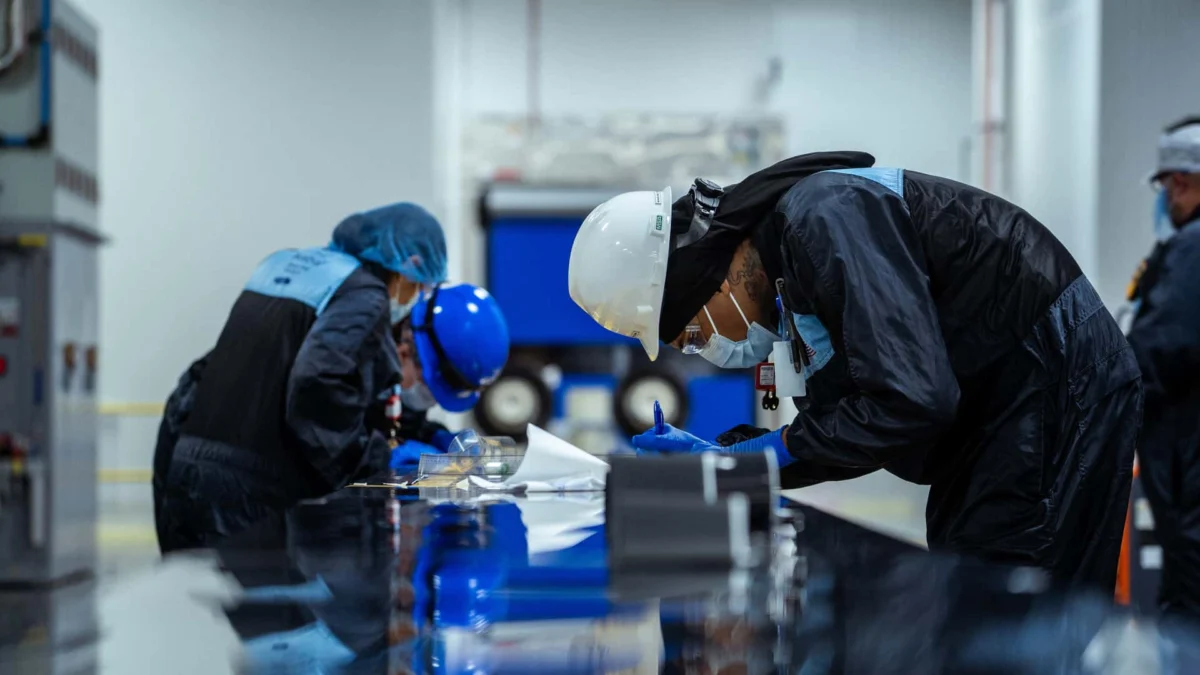
The transition from lab-scale engineering to high-volume manufacturing at the BlueOval Battery Park involves an immense layer of scrutiny. To maintain the highest standards of safety and quality, Ford has implemented a multi-stage inspection process that includes thousands of individual checkpoints.
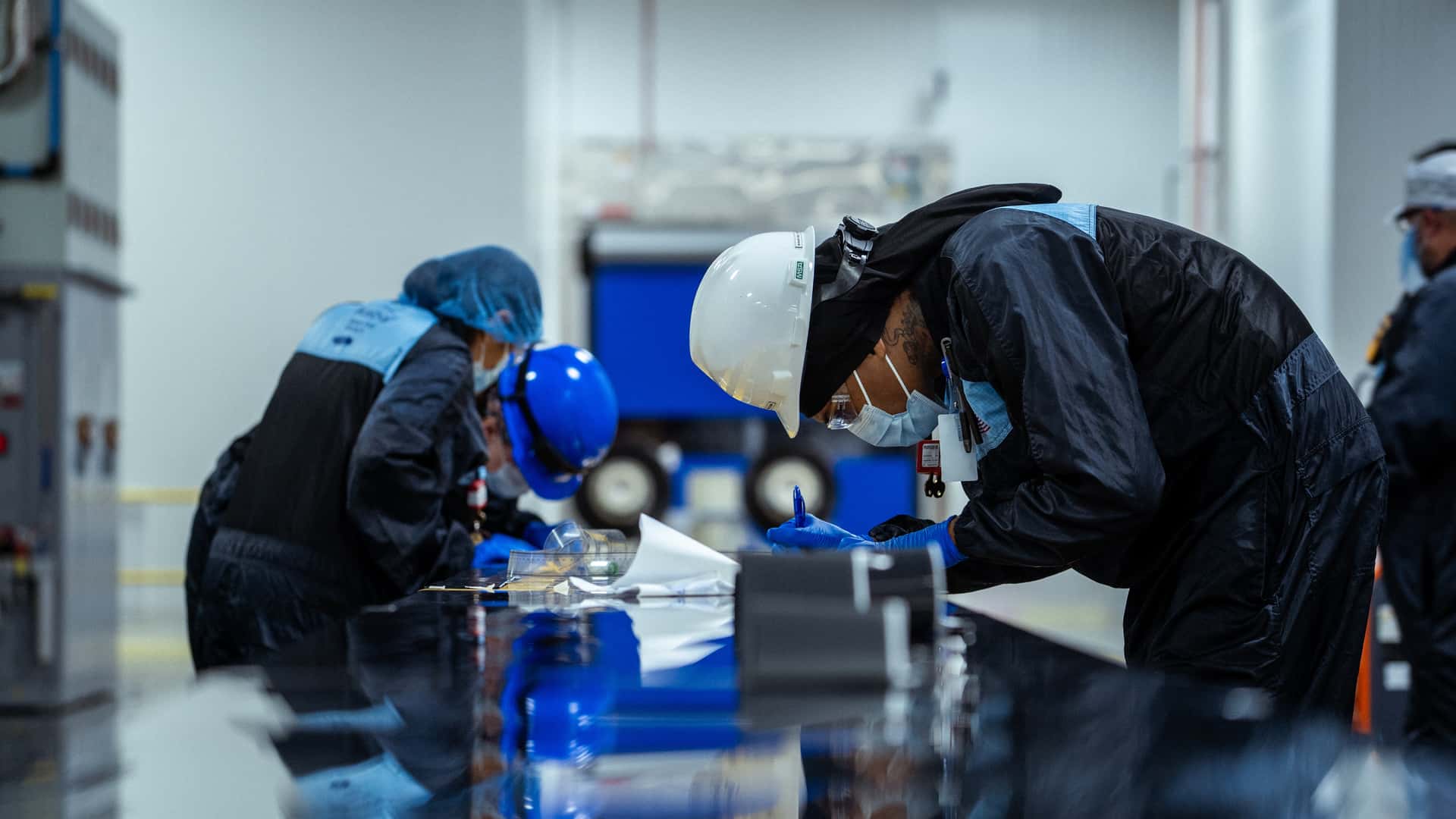
The manufacturing floor is equipped with an array of advanced diagnostics, including automated optical inspections, laser scanning, X-ray imaging, and real-time AI monitoring. For instance, during the coating phase—where the anode slurry is applied to a copper foil—lasers continuously monitor the surface for microscopic wrinkles or inconsistencies that could affect the cell’s performance.
One of the most critical aspects of this system is the empowerment of the workforce. Every employee on the assembly line possesses the authority to halt production if a defect is suspected. When a potential issue is flagged, the affected cells are immediately quarantined, and the company utilizes a traceability system that allows them to track the origin of the components back to the specific batch or supplier.
To validate these systems, engineers employ "red rabbits"—intentionally damaged or substandard components that are introduced into the production line. If the quality control systems fail to detect these "rabbits," the entire protocol is recalibrated. Furthermore, once cells are fully assembled, they undergo helium leak testing to ensure airtight integrity, a standard practice that identifies potential points of failure that could lead to moisture ingress or electrolyte loss over the vehicle’s lifespan.
Real-World Validation and Legacy Challenges
Beyond the factory floor, Ford subjects its complete battery packs to punishing environmental and physical simulations. These include mounting finished packs onto hydraulic shakers that replicate the complex, multi-axis movements of a vehicle traveling over rough terrain. These tests simulate the equivalent of thousands of miles of real-world use, ensuring that the internal connections, cooling systems, and structural housings can withstand years of sustained vibration and impact.
This emphasis on durability is a direct response to the challenges Ford has faced in its earlier electric endeavors. In recent years, the automaker has dealt with significant warranty costs and recall campaigns related to its high-voltage battery systems. Notably, early iterations of the Mustang Mach-E faced recalls regarding battery contactors that would overheat during high-speed DC charging. Similarly, a subset of the F-150 Lightning production run was briefly halted in 2023 due to the discovery of a defect within the battery cells.
Despite these hurdles, the long-term performance of Ford’s existing EV fleet has shown resilience. Internal data released by the company suggests that high-mileage Mach-E vehicles—some exceeding 100,000 to 200,000 miles—exhibit minimal range degradation, a positive indicator for the longevity of the company’s battery-management software and thermal systems.
Broader Implications for the EV Market
The establishment of the BlueOval Battery Park and the rigorous quality standards being implemented there signal a broader shift in the automotive industry. As EVs transition from luxury niche products to essential utility vehicles, the "quality-first" approach is becoming the primary differentiator for legacy automakers. By localizing production and exerting granular control over the battery lifecycle, Ford is attempting to insulate itself from supply chain volatility while simultaneously addressing the primary consumer anxiety regarding EV ownership: long-term reliability.
The Fathom project is, in many ways, the ultimate test of this new strategy. It is a vehicle designed for heavy-duty work, where the tolerance for downtime or failure is exceptionally low. For the Fathom to succeed in the competitive truck market, the underlying battery technology must not only perform efficiently but also endure the physical punishment that owners expect from a Ford-branded vehicle.
While it will take years of real-world usage to fully validate the durability of the LFP batteries being produced in Michigan, the current trajectory suggests a methodical, data-driven approach aimed at minimizing the systemic failures that have plagued the industry in its infancy. As Ford scales its production, the success of these quality control measures will likely serve as a blueprint for its future electrification efforts, determining whether the company can successfully bridge the gap between traditional automotive manufacturing and the new requirements of the battery-electric era.