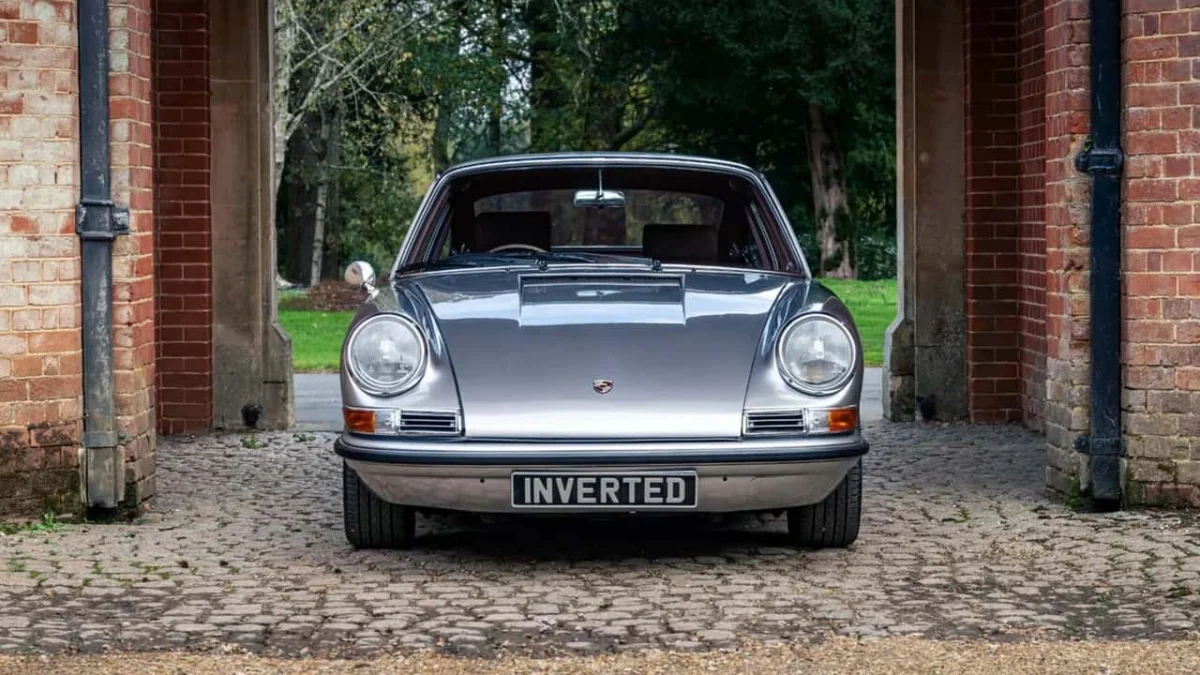
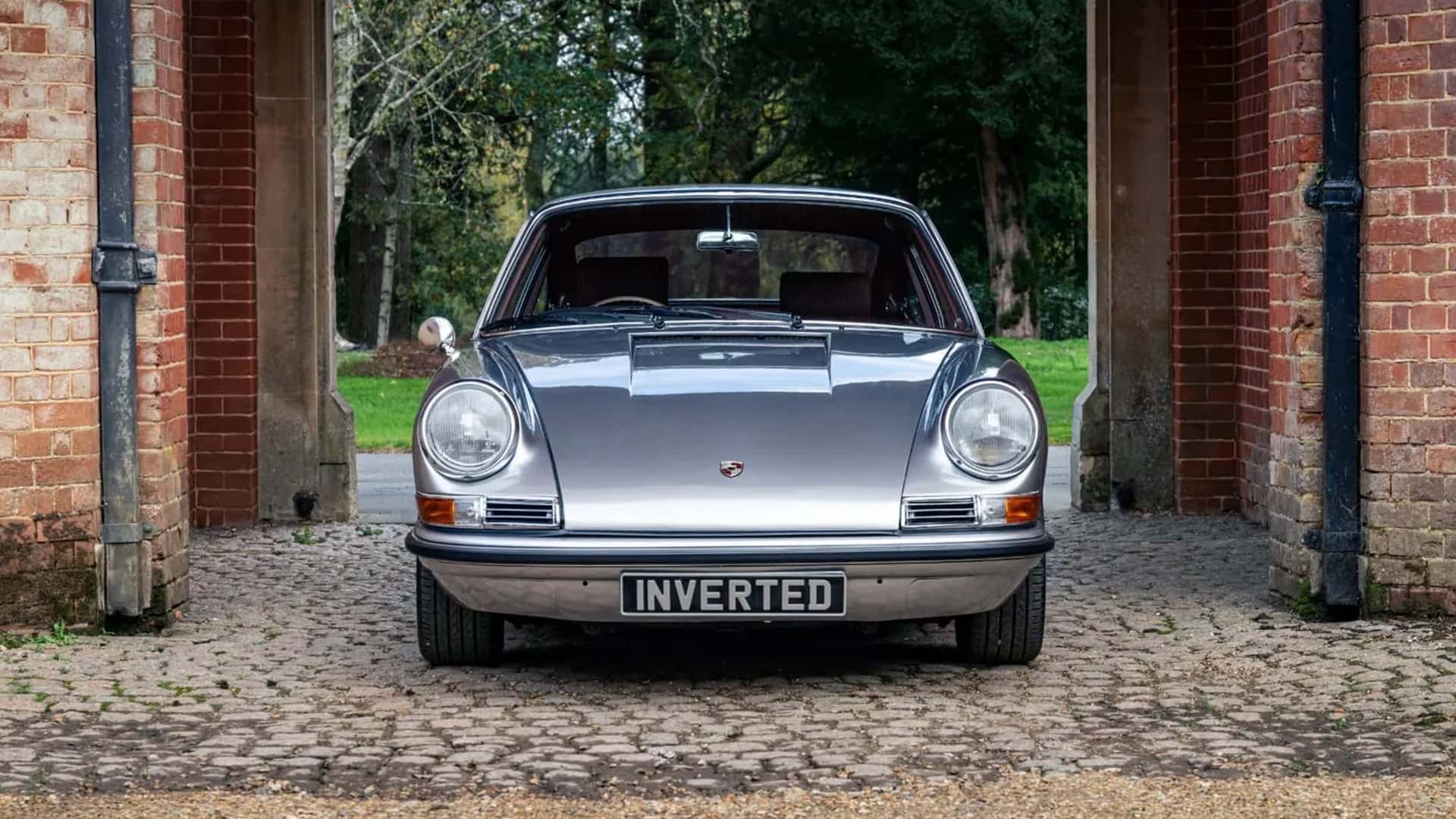
The automotive restoration industry has undergone a seismic shift in recent years, moving from simple aesthetic refurbishment toward sophisticated "restomod" engineering. Among the leaders in this specialized field is Inverted, a company that has solidified its reputation by integrating modern electric vehicle (EV) technology into vintage chassis. While Inverted initially garnered acclaim for its meticulous electric conversions of classic Range Rover models, its latest project represents a bold departure: a comprehensive, high-performance electrification of a vintage Porsche 912. This specific vehicle, which has now undergone its third major powertrain iteration, illustrates the growing trend of "future-proofing" classic cars to ensure their long-term viability as daily drivers.
The Evolution of a Classic Chassis
The history of this particular Porsche 912 is as complex as the engineering required to modernize it. Originally manufactured during an era where lightweight handling and mechanical simplicity were the hallmarks of the Porsche brand, the 912 served as the accessible sibling to the iconic 911. However, the owner of this specific example sought a performance profile that the original four-cylinder engine simply could not provide.
In its first transformation, the vehicle received a more potent 911-derived internal combustion engine, offering a significant boost in displacement and output. While this addressed the power deficiency, the owner eventually encountered the common limitations of vintage performance motoring: the lack of reliability, high maintenance costs, and the impracticality of using a temperamental, air-cooled engine for daily commuting. By turning to Inverted, the owner sought a permanent solution that would preserve the aesthetic integrity of the 1960s-era design while adopting the immediate torque and low-maintenance characteristics of an electric drivetrain.
Engineering the Electric Conversion
The challenge of converting a rear-engined, air-cooled platform to electric power is significant, primarily due to weight distribution. The 912 was designed with the engine over the rear axle, a configuration that defines the driving dynamics of the vehicle but also makes it notoriously susceptible to lift-off oversteer if the weight balance is improperly adjusted. Adding the heavy battery modules required for a modern electric range could have easily compromised the car’s handling.
Inverted’s engineering team addressed this by opting for a split-battery architecture. By dividing the 62 kWh battery pack, they were able to mount one section in the rear, where the original engine resided, and the other under the front hood. This strategic placement achieves a near-perfect weight distribution, arguably exceeding the handling balance of the factory-original car. The result is a vehicle that maintains its classic visual footprint while benefiting from a lower center of gravity—a critical upgrade for performance driving.
Performance Metrics and Technical Specifications
The performance figures of this conversion highlight the disparity between vintage engineering and modern electric power. The original Porsche 912 four-cylinder engine produced approximately 90 horsepower, resulting in a 0-60 mph sprint time of roughly 13 seconds—a respectable figure for the 1960s but anemic by today’s standards.
In contrast, the Inverted-modified 912 features a rear-mounted electric motor delivering 300 horsepower. This transformation allows the vehicle to achieve a 0-60 mph time of just four seconds, fundamentally altering the car’s personality. The power delivery is instantaneous, providing the driver with a level of agility that mirrors the performance of modern sports cars.
Regarding range and charging, Inverted has optimized the platform for daily usage rather than high-speed endurance touring. The 62 kWh battery provides an estimated range of 250 miles, which is more than sufficient for most urban and suburban commuters. While the 75 kW DC fast-charging capability may appear modest compared to the 250 kW-plus systems found in contemporary electric luxury vehicles, it is more than adequate for the intended use case. Most owners are expected to utilize overnight charging, ensuring the vehicle is fully prepared for daily operation with a full "tank" each morning.
Interior Integration: Bridging Two Eras
A common criticism of electric conversions is the jarring contrast between a vintage aesthetic and a modern, digital-heavy cabin. Inverted has taken a nuanced approach to the 912’s interior, focusing on subtle modifications that maintain the spirit of the original cockpit.
The dashboard features gauges that look period-correct at a glance but have been expertly re-calibrated for electric propulsion. The central tachometer, once used to monitor engine revolutions, now serves as a power percentage gauge, informing the driver of current output. Similarly, the fuel gauge has been repurposed to display the state of charge for the battery pack. These modifications satisfy the need for modern data while respecting the design language of the 1960s, creating a cohesive experience for the driver.
The Broader Implications for the Restomod Market
The work performed by Inverted on this Porsche 912 is indicative of a broader, more permanent change in the collector car market. As environmental regulations become more stringent and the availability of legacy fuel sources potentially fluctuates, the "electromod" movement provides a lifeline for vintage vehicles.
Beyond sustainability, this conversion represents an economic and practical pivot. Maintaining a vintage Porsche can be a costly endeavor, requiring specialized mechanics and sourcing increasingly rare components. By replacing the powertrain with an electric system, the owner effectively eliminates the most common points of mechanical failure. This allows the car to be driven regularly, rather than relegated to a museum or a climate-controlled garage, which is often the ultimate goal for enthusiasts who prioritize the driving experience above pure, factory-original pedigree.
Industry Context and Future Outlook
The rise of companies like Inverted, along with competitors focusing on Jaguar, Land Rover, and BMW conversions, suggests that the market for vintage EVs is maturing. The industry has moved past the "proof of concept" phase, where conversions were often messy, unrefined projects. Today, companies are utilizing 3D scanning, CAD design, and bespoke battery management systems to ensure that these vehicles are not just electric, but also safe, balanced, and reliable.
While purists may argue that the character of the engine is essential to the identity of a classic car, the demand for these projects suggests that a new segment of the market values the union of classic design and modern utility. The 912 project serves as a blueprint for how to handle the challenges of weight, power, and interior design in a way that pays homage to the past while embracing the technological requirements of the future.
As battery density continues to improve and motor technology becomes more compact, the ease of these conversions is likely to increase. This will likely lead to a wider range of classic vehicles being candidates for electrification, further cementing the role of the "restomod" in the future of automotive culture. For the owner of this particular 912, the result is a unique, high-performance machine that retains its timeless silhouette while offering the seamless, silent, and rapid acceleration that only an electric powertrain can provide. The project stands as a testament to the fact that, with the right engineering, the classic car experience does not have to end in the internal combustion era—it can simply evolve.